A Cuppa Cosy Travels – Tucson, AZ

This year for Spring Break we decided to work our way through parts of Arizona. It’s not too far that we couldn’t drive and yet it was far enough that we felt we were in a completely different area (which…to be honest we needed). We started off in Tucson and headed all the way up to Williams and The Grand Canyon before dropping back down to home. It was such a nice trip and it had me wondering if Arizona is a secret oasis that none of us are talking about…or if I was just enamored with the different scenery, the multiple seasons we experienced (in just one week), and the incredible might of Mother Nature’s presence in Arizona. Who knows really. 

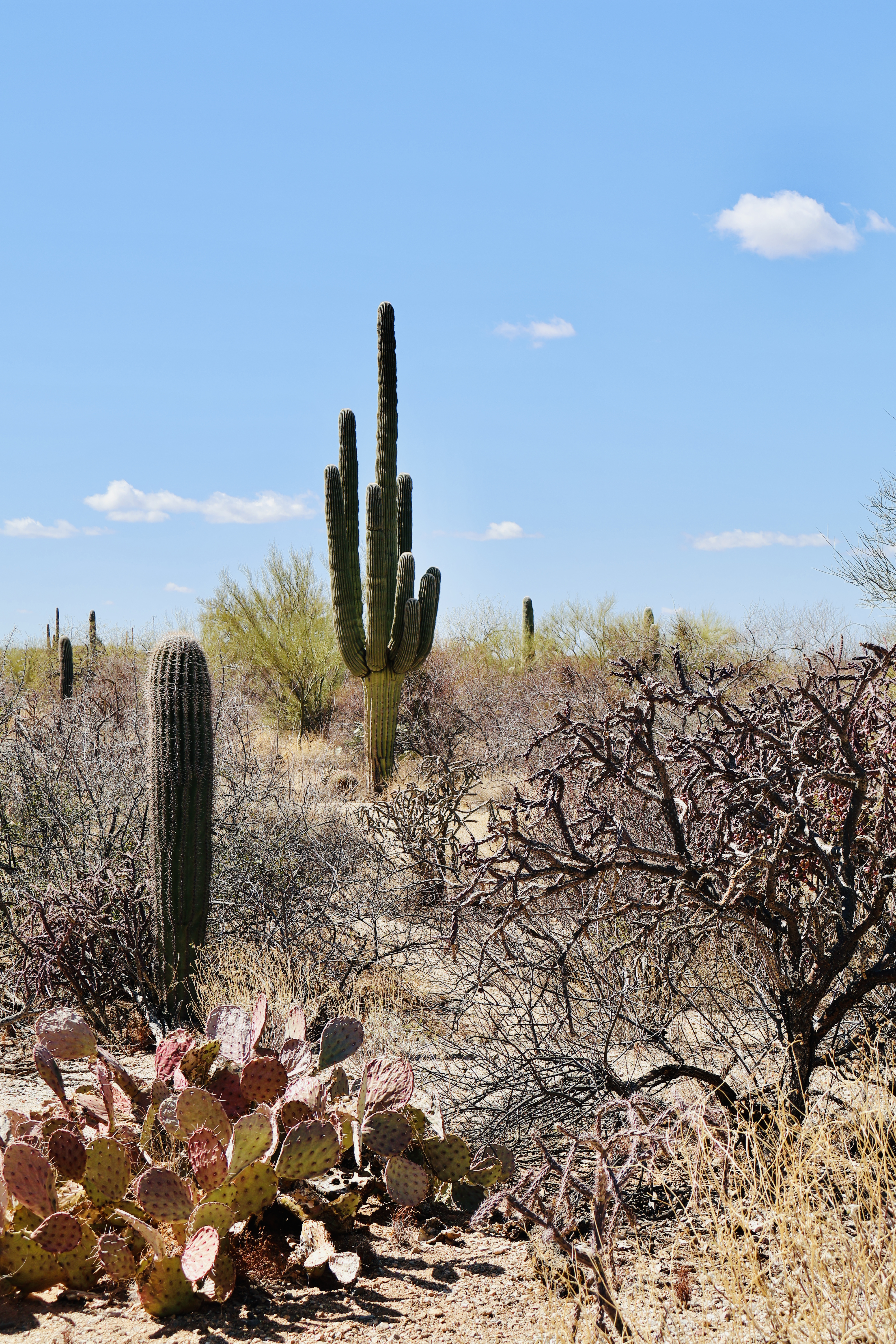
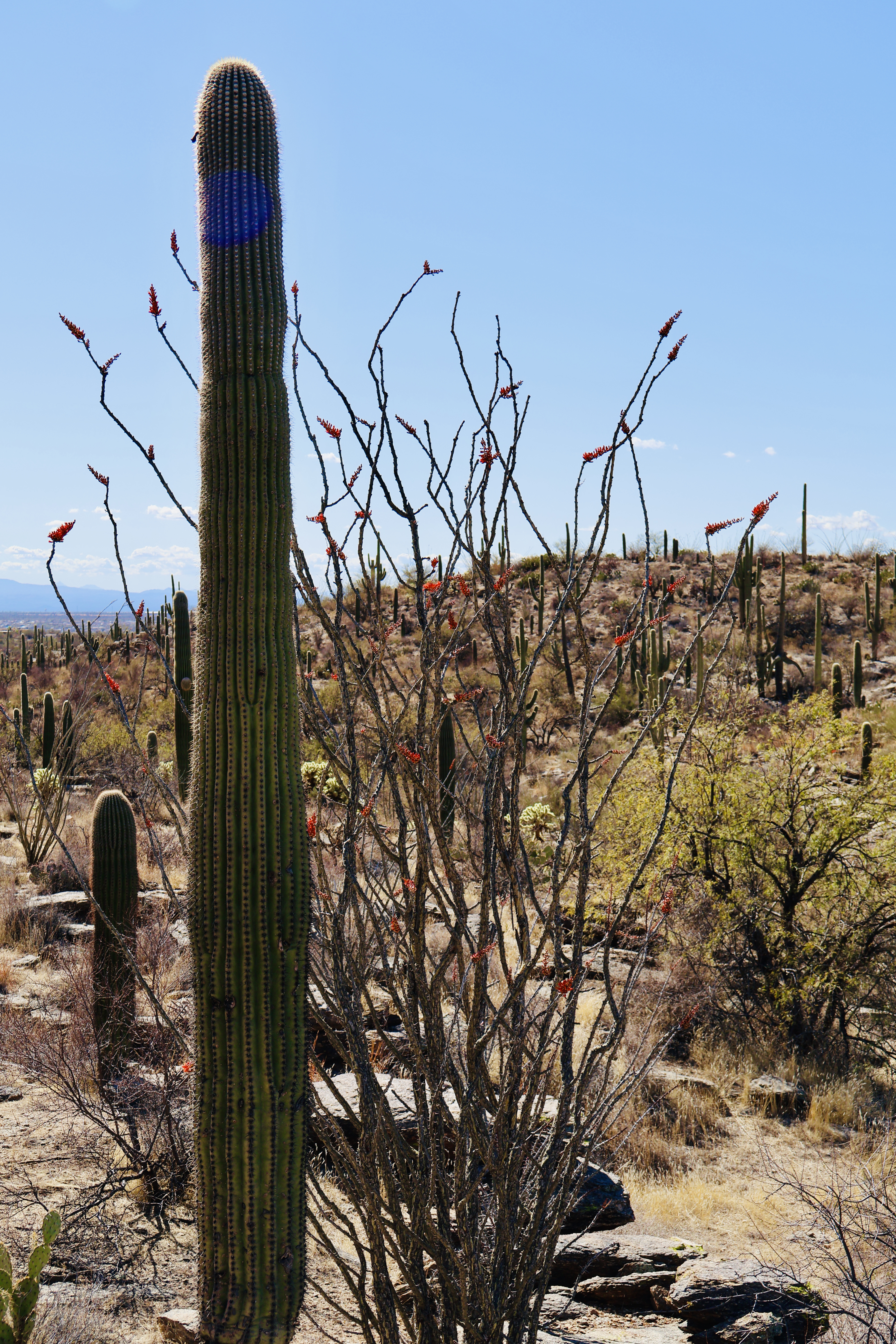
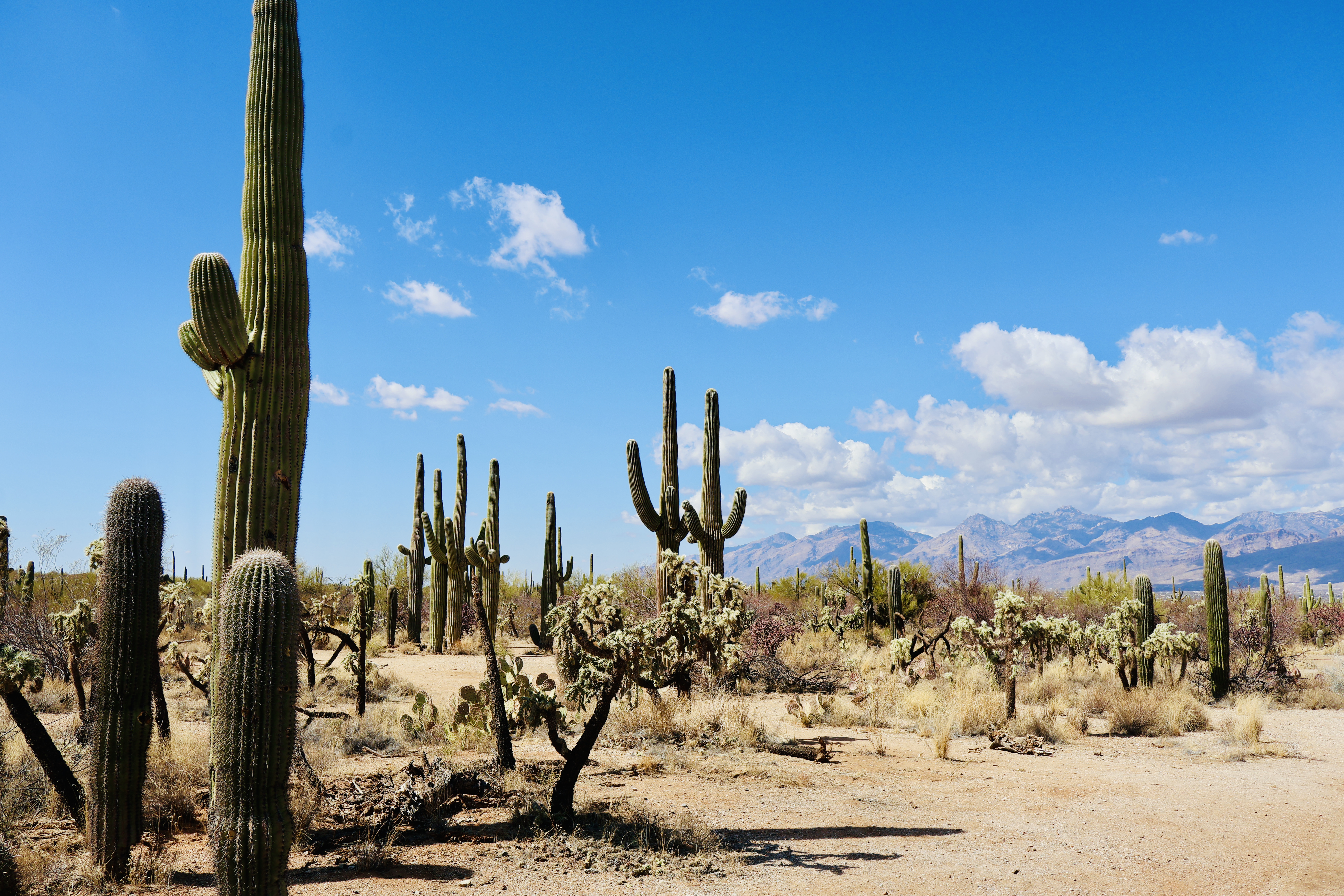
So, to start with we headed to Saguaro National Park. The Saguaro is the cactus we all think of when we think of cactus. They stand tall, they have arms, and the give the desert vibe that you picture with Arizona/Desert (it is not typically found in the California region of the desert). The Saguaro really only grows in certain locations (all below 3,000 ft) and the Sonoran Desert of Arizona is one of those locations. These absolute monsters of cacti can grow over 40 feet tall and live for a very long time (well over 150 years). They are slow growers, taking almost a decade to even grow to ½ a foot tall. The “arms” do not always grow, however if they do, they don’t tend to start to grow until 70-100 years old and they are grown to increase the fertility of the plant. The cactus itself grows both flowers and fruits and can store and incredibly large amount of water. Considered a keystone species, the actually growing location and process, as well as the impact on the wildlife around it is fascinating (no seriously- I found the way mother nature works and how everything ends up working together absolutely fascinating). 
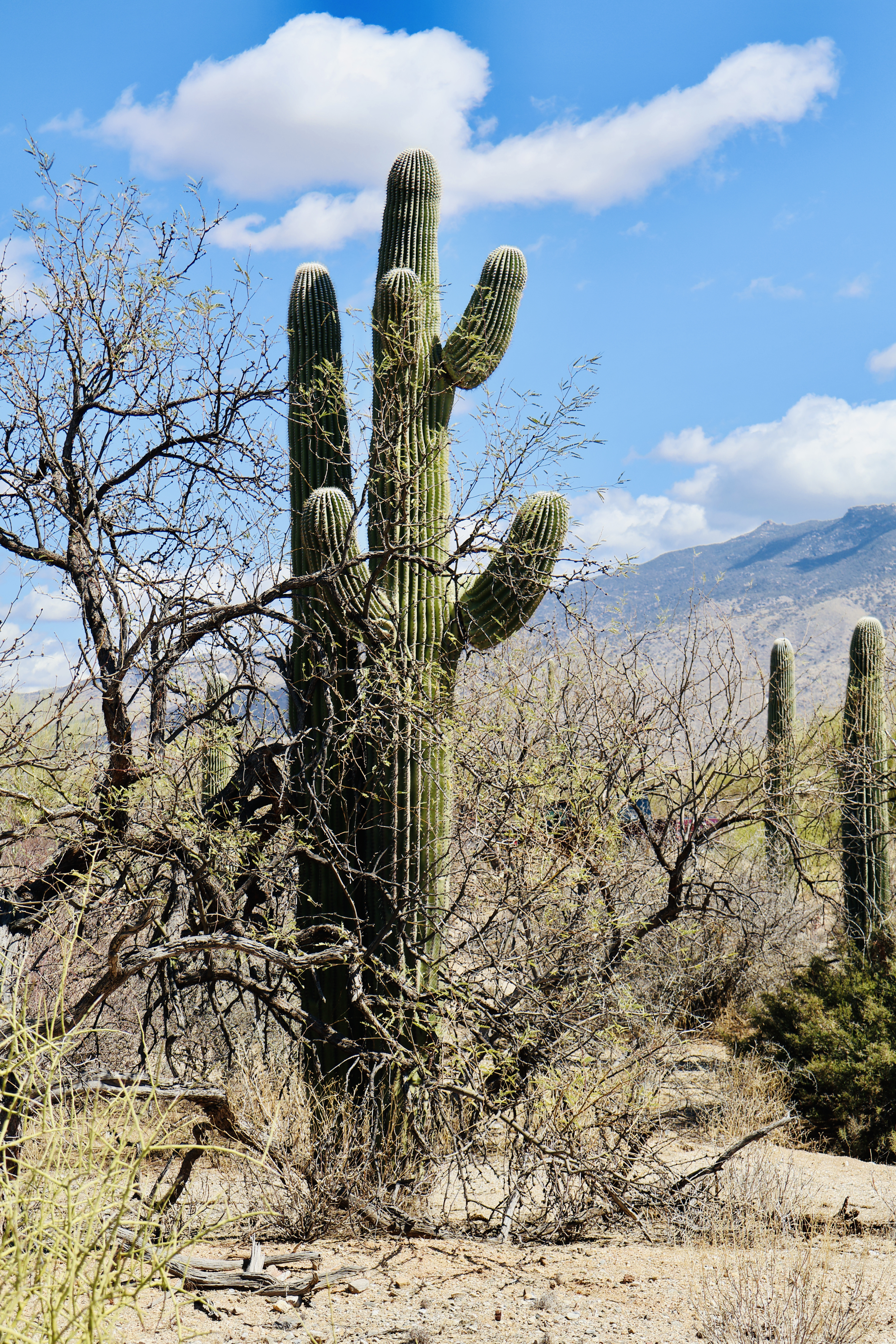
The inside of the Saguaro is akin to a rib cage- though the ribs are similar to hardwood in the composition. They do have a prickly thorn outer covering- the spine. These can grow up to 3 inches long and do some damage. The flowers produced on a Saguaro are white and typically open after sunset and the fruit is a red, is typically ripe in June, and requires a pole to harvest due to how high up it tends to be. 

Within the Saguaro National Park, you drive to various stopping locations where you are able to get out and hike trails and see the variety of both Saguaro Cactus and many other variations of desert plants. We spent a good couple hours driving and walking through. There is almost 2 million Saguaro’s within the park, not to mention the wide wide variety of other cactus and plant life. Be careful of wildlife (though we didn’t see any while we were there). It’s truly incredible to see (which is a common theme for this trip overall). 

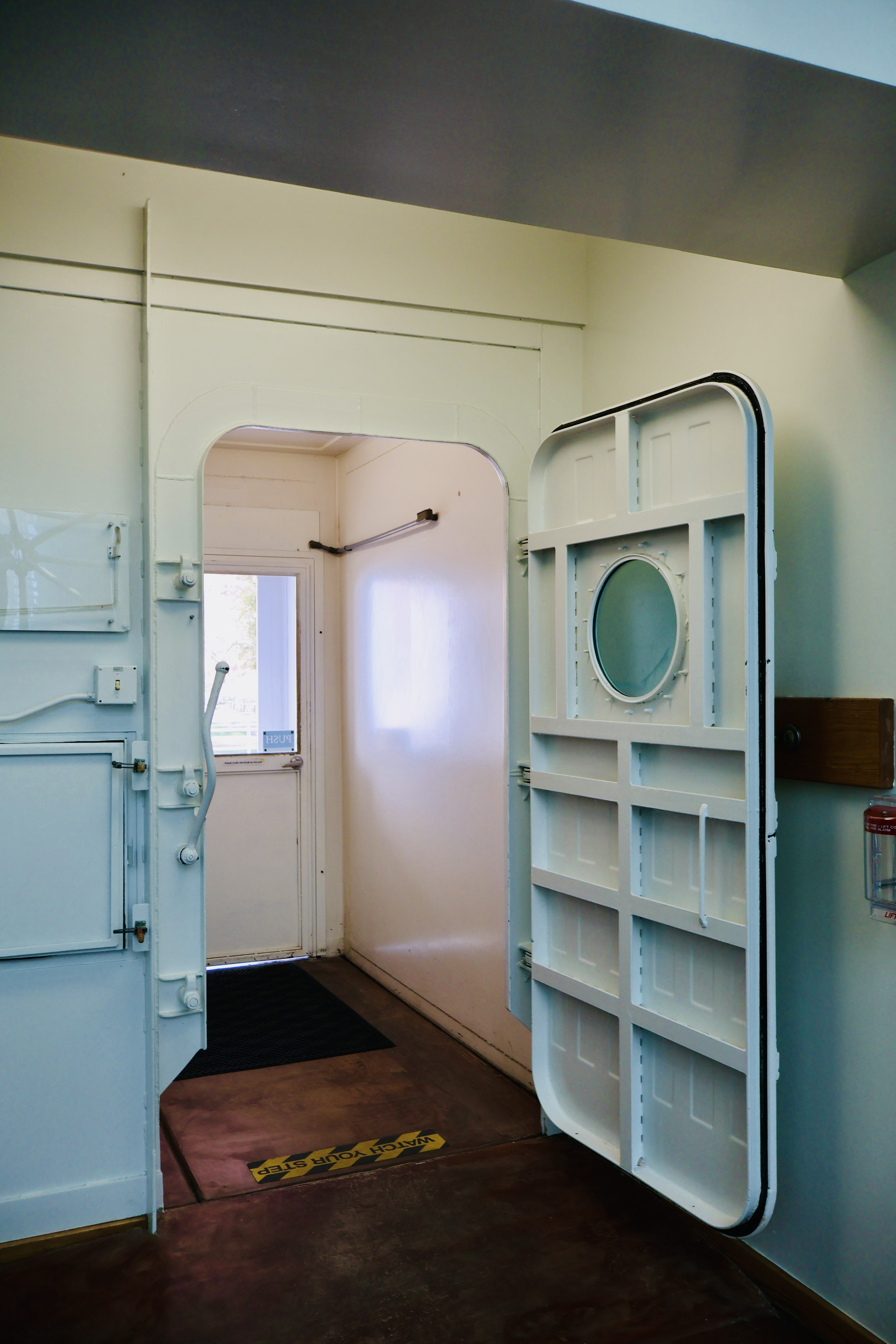
Our second day in the Tucson area was full of history- from completely different timelines. We started the day at The Titan Missile Museum – the only site of the three sites of the Intercontinental Ballistic Missile program still in existence and open to the public to tour.  And that tour is both for the work site and an entirely preserved Intercontinental Ballistic Museum (which we will now call ICBM because typing that out every time…whew). There are actually only two preserved launch sites in the world from the Cold War- the one in Arizona we visited and one in Russia. This was designed by the treaty. Both sites have dummy missiles and other measures to ensure that they are non-operational (and those measures are checked regularly by satellite). 
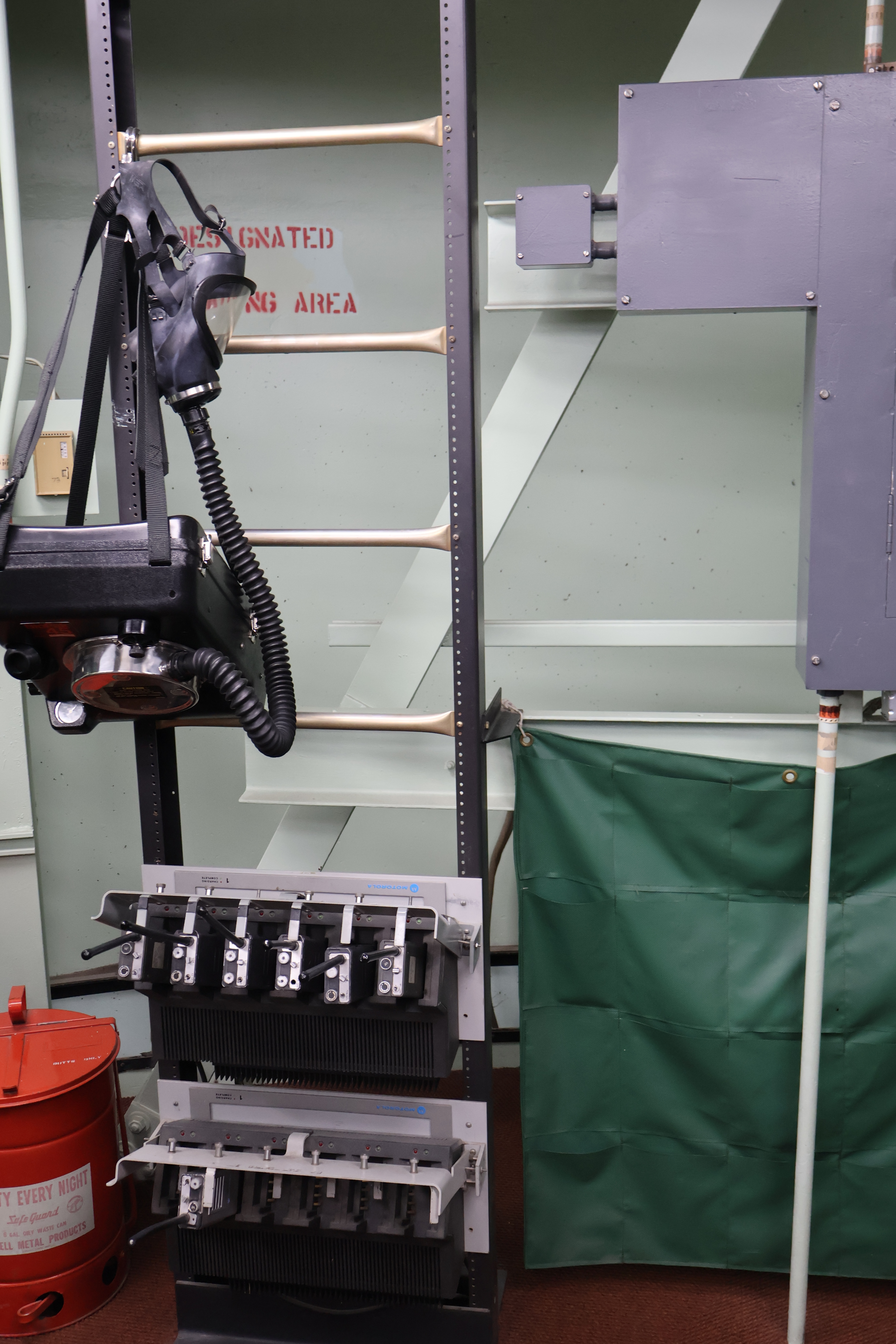
The Titan II was the largest ICBM ever in existence by the U.S. Air Force. It was massive- an absolute weapon of true destruction. Located at 3 separate sites (all spaced out by a certain number of miles and each with its own dedicated Silo and base), these missiles were operational for a total of 24 years. The big innovation of the Titan II was storable propellant, which allowed a faster launch time. 

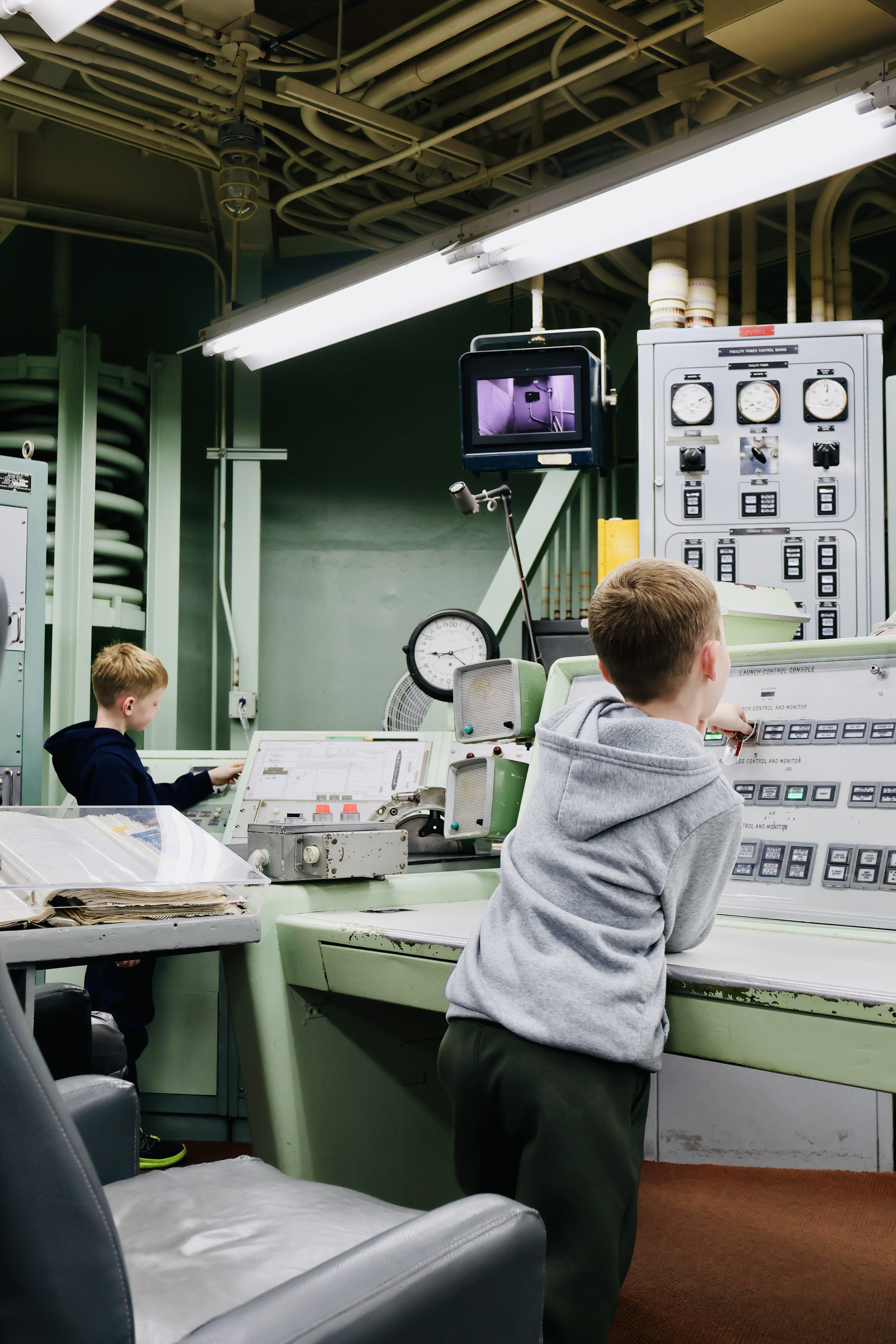
First activated in 1963, the silo sight (Titan II Launch Complex 571-7) was manned 24 hours a day, 7 days a week. The whole idea of this was not only for safety purposes, but also as a deterrent. Both sides had these weapons during the Cold War, and if both sides were continually at the ready to deploy them, then both sides wouldn’t…in theory. We booked the tour that was able to take us down into the silo to see both the bottom side (well more like middle- its massive) of the missile, as well as into the office where the soldiers would sit on shift and deploy the missile if the worst should happen. Please note- this tour they do an example deployment and it’s…something. We learned the measures that would be taken when a new crew came on shift- from the four phone calls that had to be made, the evasion tactics should the soldiers be attacked or followed. No soldier was allowed to be alone within the site due to the potential of spies. It truly was a secure site. We also (as I stated) were able to do a “launch” of a missile, seeing all the steps from start to finish, to see what lights on the various control panels would light up (they are all exactly as they were/would have been while active), and then hear the sounds. It was very enlightening. 

Once the silo stood down in 1982, work was started to try and turn it into a museum. This took a lot of work as the missile belonged to the Air Force, but if it was run as a museum, it would be local jurisdiction, not to even begin to mention the treaty between countries and the complicated relationships there. A lot of work was done to the missile in order to make it inoperable and provide assurances that it could not easily (or ever) be repaired and fired. The museum itself opened in 1986. 

I will be honest- I was a bit hesitant about heading to this museum- I just didn’t know much. I came away with a whole new level of respect and understanding and awe. I highly recommend visiting it as it’s one of those unique spots that pays homage to a very important part of our recent history. 

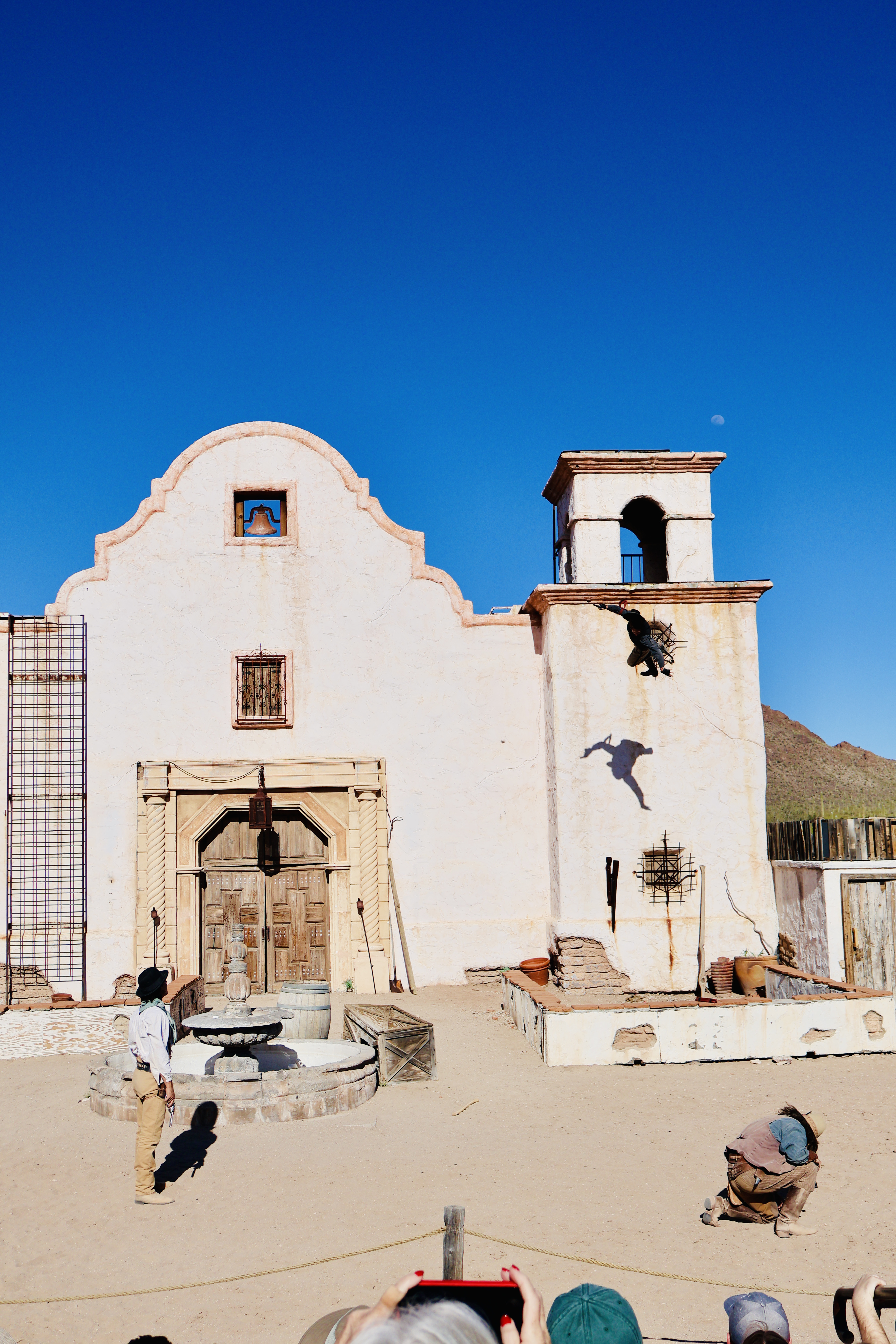
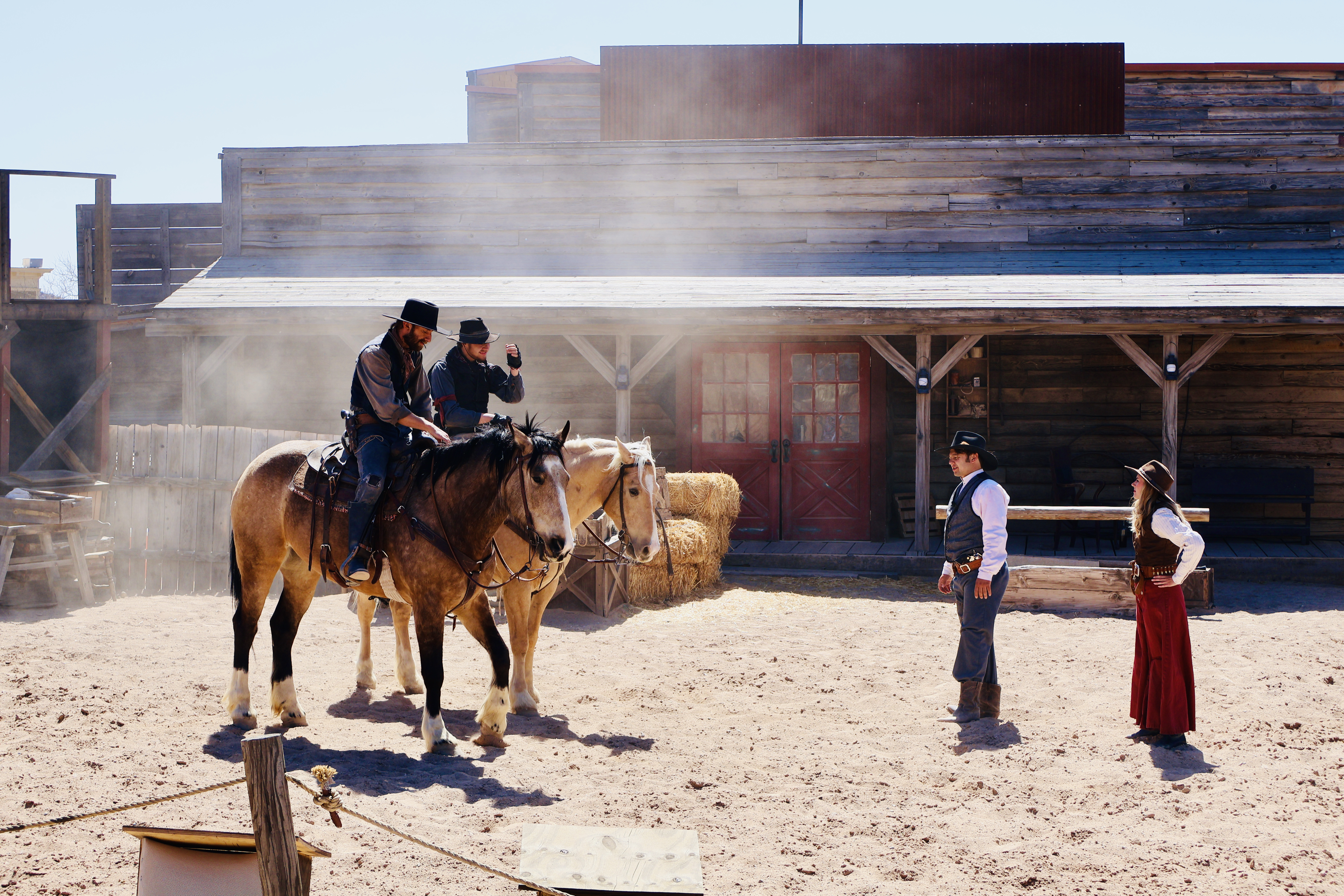
From the Cold War era, we headed even further back and visited Old Tucson. Let me say- this is an amusement park. It does have some historical value and it is often used as a movie set (there is a building dedicated to shows and movies that were shot there, several of which we all know of); I would actually say it is similar to Tombstone, except it doesn’t have the significance of the history, this is more movie than historical. I don’t know if that makes sense or not. Fun fact- Jersey Shore filmed at Old Tucson- the gender reveal wild west show for Mike Sorrentino’s newest child. Which the actors at Old Tucson talk about. 

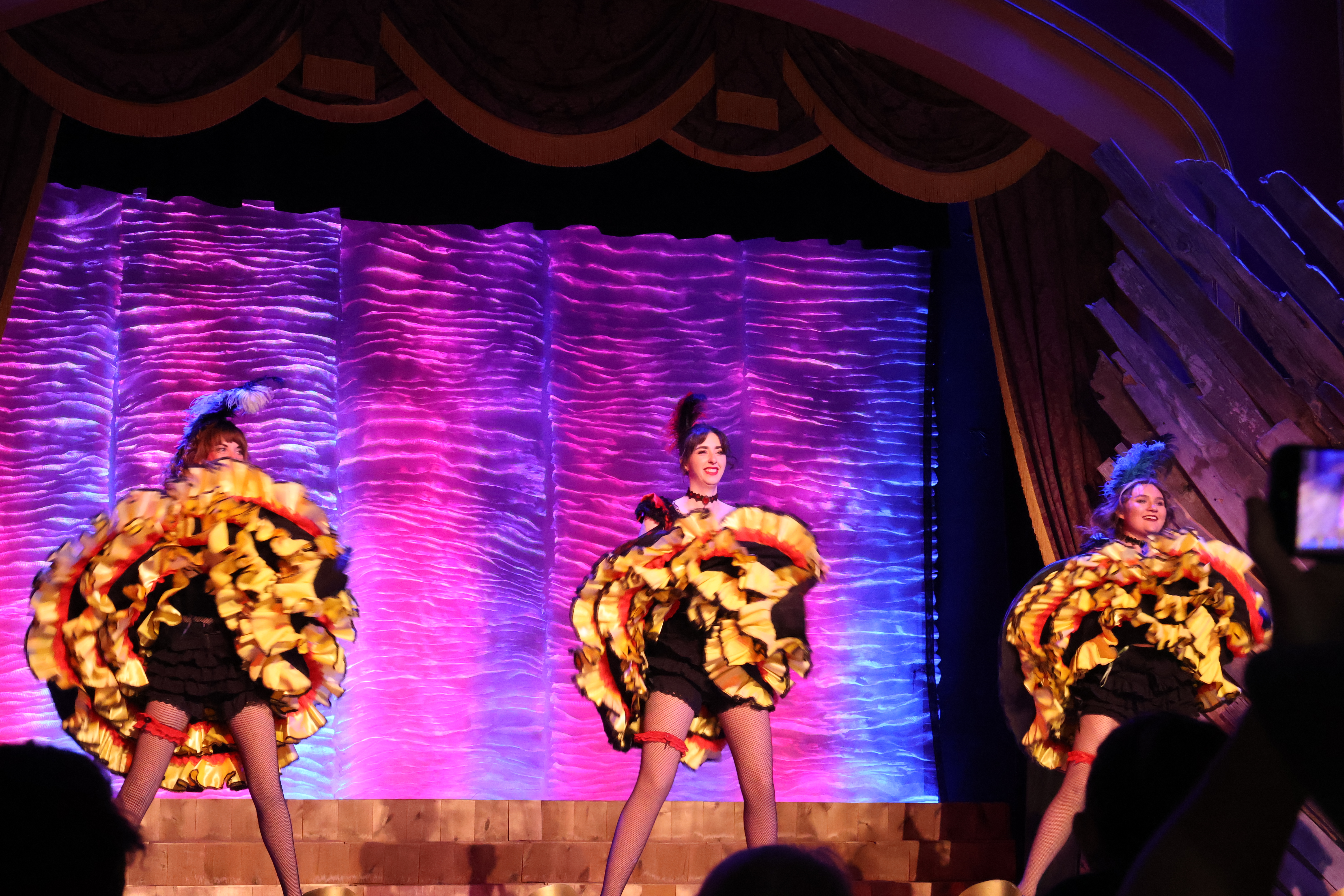
Anyways, we spent an entire afternoon at the park, catching a gunfight show, a can-can girl dance show, a stagecoach ride, train ride, and more. We literally wandered through the entire park doing EVERYTHING (minus the carnival games). This felt a bit more relaxed than Tombstone- in that you’ll be sure to see a gunfight and the actors, but it isn’t a constant overwhelming event. We also attended the stunts show at the end of the day that the actors put on to teach how they pull of the stunts in the different shows and movies. Easily my favorite as the actors have a lot of fun with audience interaction. Highly recommend! 
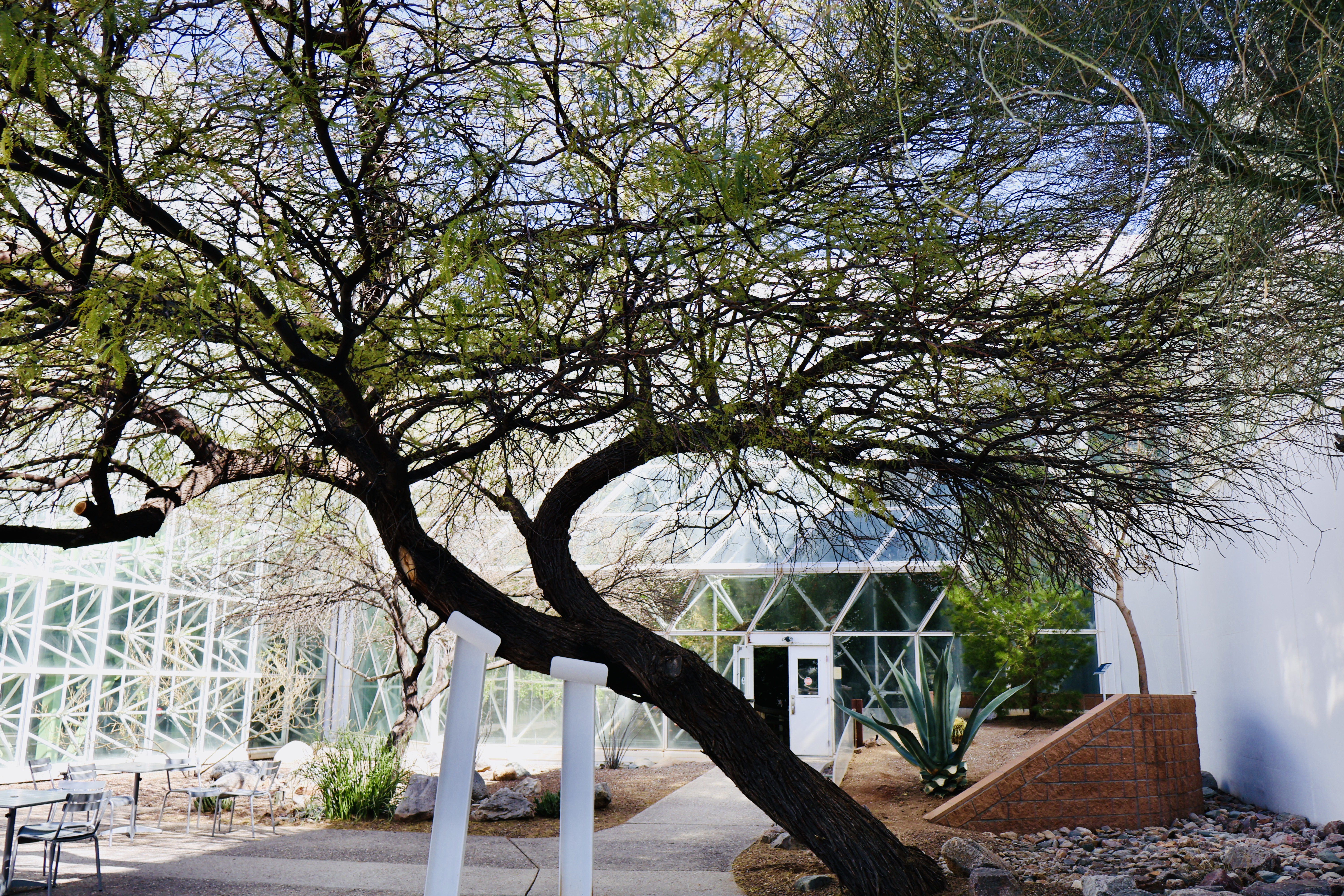
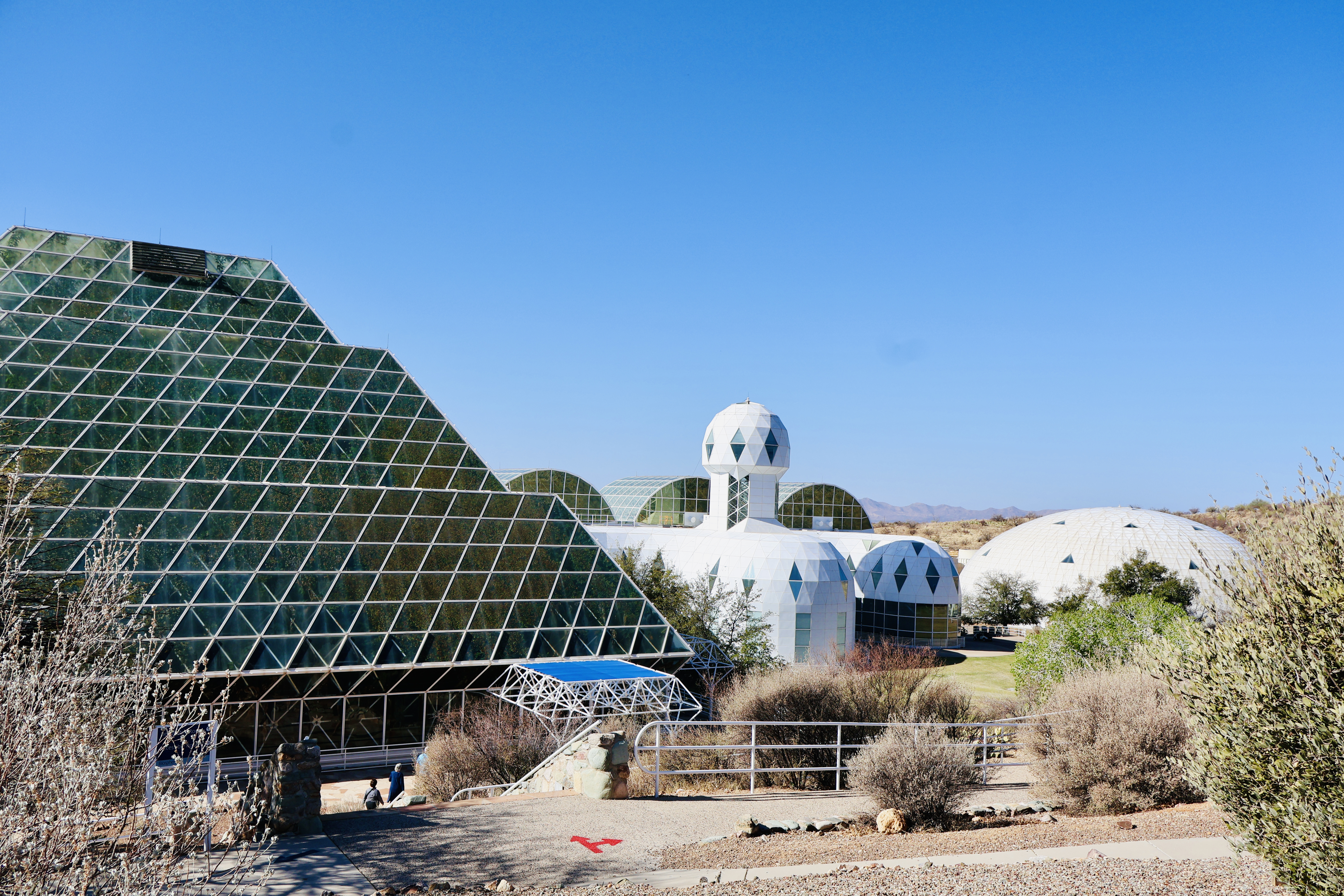
Finally, on our way out the final morning we stopped into Biosphere 2. Biosphere 2 was built to demonstrate that closed ecological systems could work and thus move the concept of human life in outer space forward. It was built in the late 1980’s, and inhabited in 1991 for 2 years (as a closed environment with no outside involvement), and then a second time for 6 months. During it’s time, it was the subject of A LOT of discussion and controversy. I don’t quite know how to get into all of the nitty gritty as there is SO MUCH and I have a lot of feelings on it (some fascination, some hesitation, some upset). The organization that initially brought about Biosphere 2 ran into a lot of problems, some of which never were acknowledged, and it has now become a location of environmental research, rather than closed environment. Amidst the drama, it became a research facility, transferred to its current home run by the University of Arizona and turned into both a research facility and a museum. 
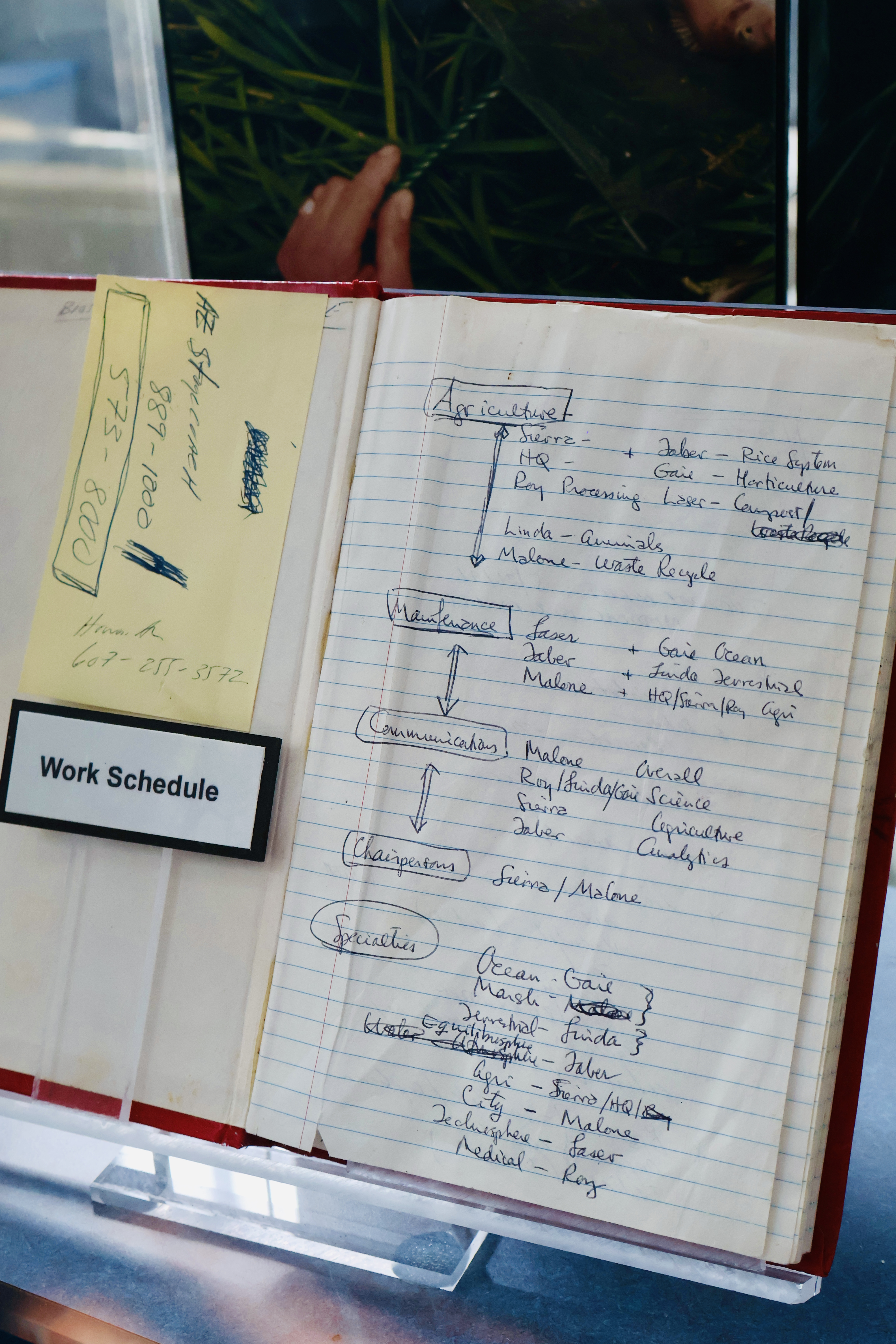
We really enjoyed our morning wandering through the different biospheres, learning not only of their purpose during the closed environment experiment, but also the purpose they serve now, and the research being conducted. I highly recommend stopping by this really unique piece of history and science research. 

That wrapped up our time in Tucson- a truly great stop for us! 
A Cuppa Cosy Travels – Corpus Christi, TX

I don’t know if I should really write this post or not- we really went down to Corpus Christi to see my Sister-In-Law who lives there with her family. It was a lot of family time and not as much seeing all the things (which is what we wanted and what we loved). It was also a time for us to see a couple of friends from prior duty locations, we had one living in the area and the other (my best friend from NY) who was in town visiting her own family. It meant a great reuniting for the kids and adults alike. So, I’ll share the couple things we did and the history we learned, but it won’t’ be as long as my normal travel posts are (and maybe that’s a good thing!). 

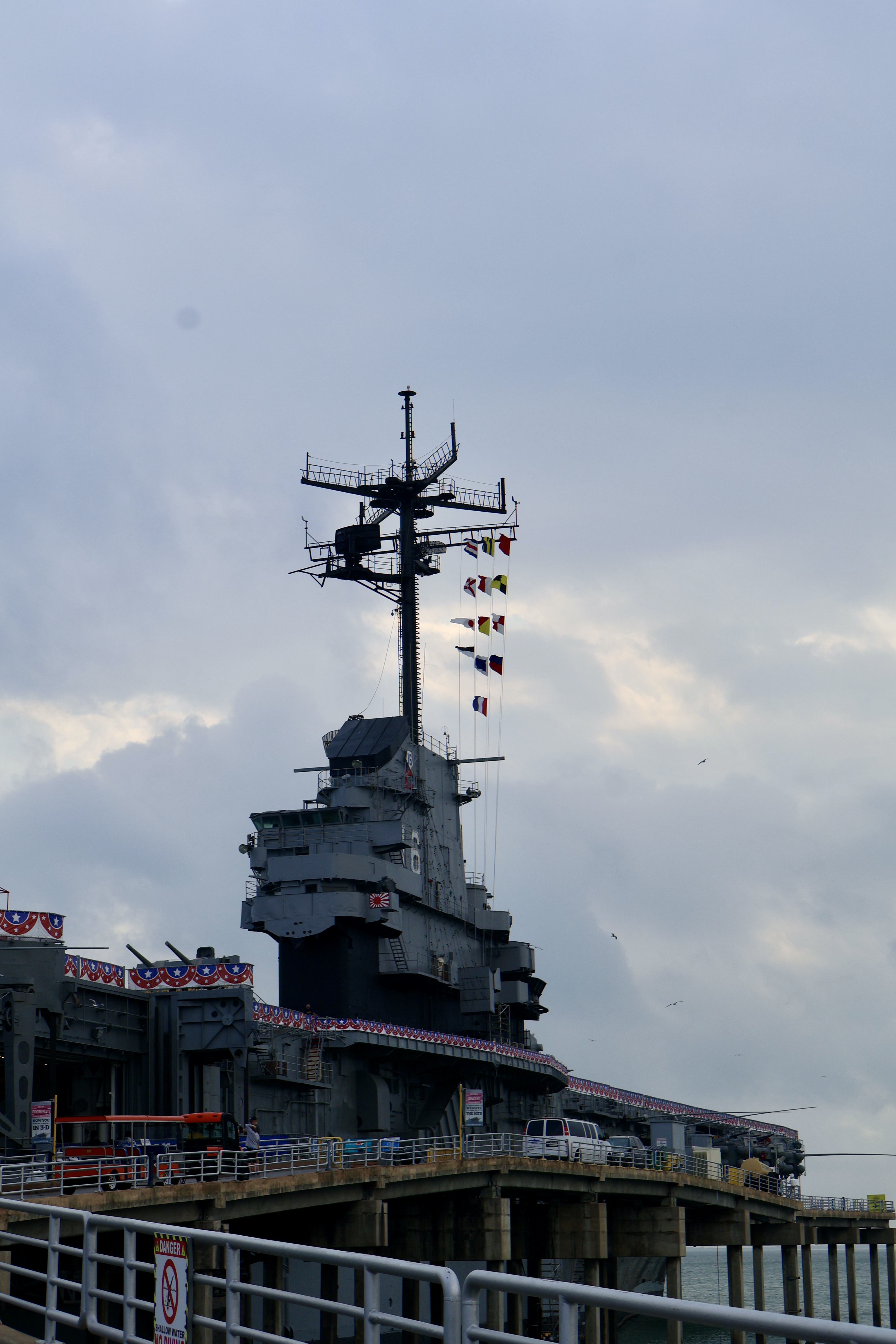
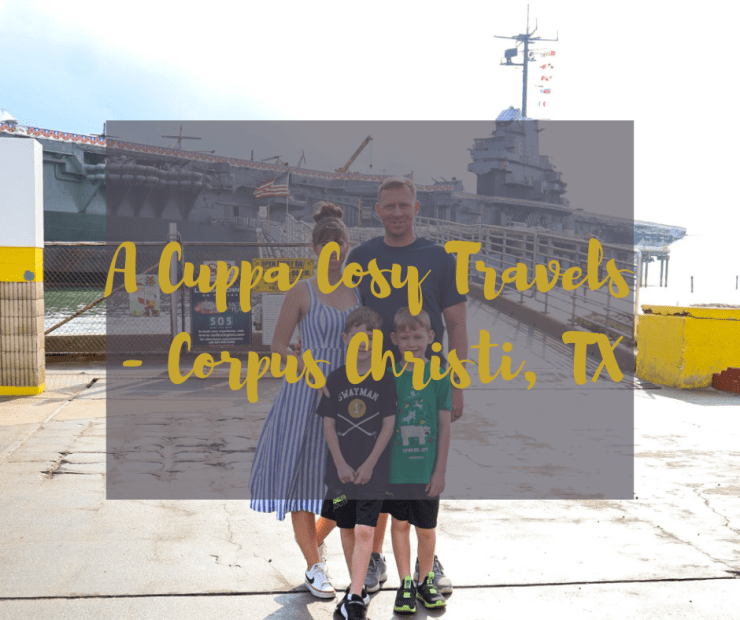
The main tourist attraction we visited in Corpus Christi was the USS Lexington. Where do I begin?

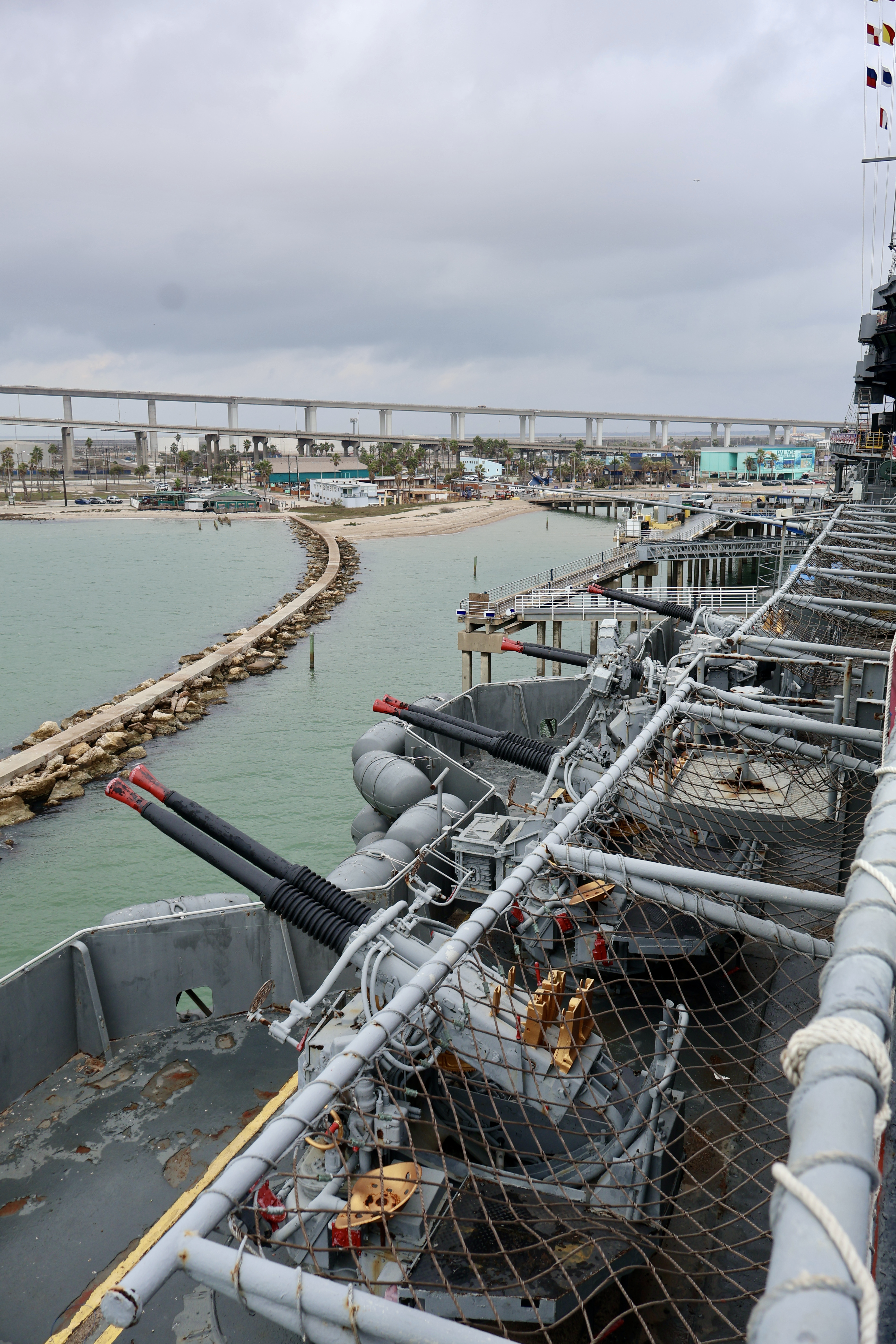
The USS Lexington is a carrier ship that was commissioned in 1943. She was the oldest working carrier when she was decommissioned in 1991. Originally named USS Cabot she was renamed upon being commissioned when the original carrier carrying the name USS Lexington was sunk. The USS Lexington joined the ships at Pearl Harbor as part of the Central Pacific Force. During World War II the Lexington served 21 months in combat, serving in every major operation in the Pacific Theater. Manned by 3,000 members during World War II (1550 Men and Women regularly), they destroyed 372 airborne enemy aircraft, 475 grounded aircraft, destroyed 300,000 tons of enemy cargo, and damaged 600,000 tons more AND downed 15 planes. During World War II she earned the nickname “The Blue Ghost” as she continued to return to the fight after being reported sunk. After World War II the Lexington was decommissioned, then reactivated to San Diego to assist with the tensions with Cuba, Laos, and Formosa. She then sailed to Pensacola and was designated a Naby Training Carrier. The USS Lexington is now permanently housed at Corpus Christi and is open for tours and various events. 

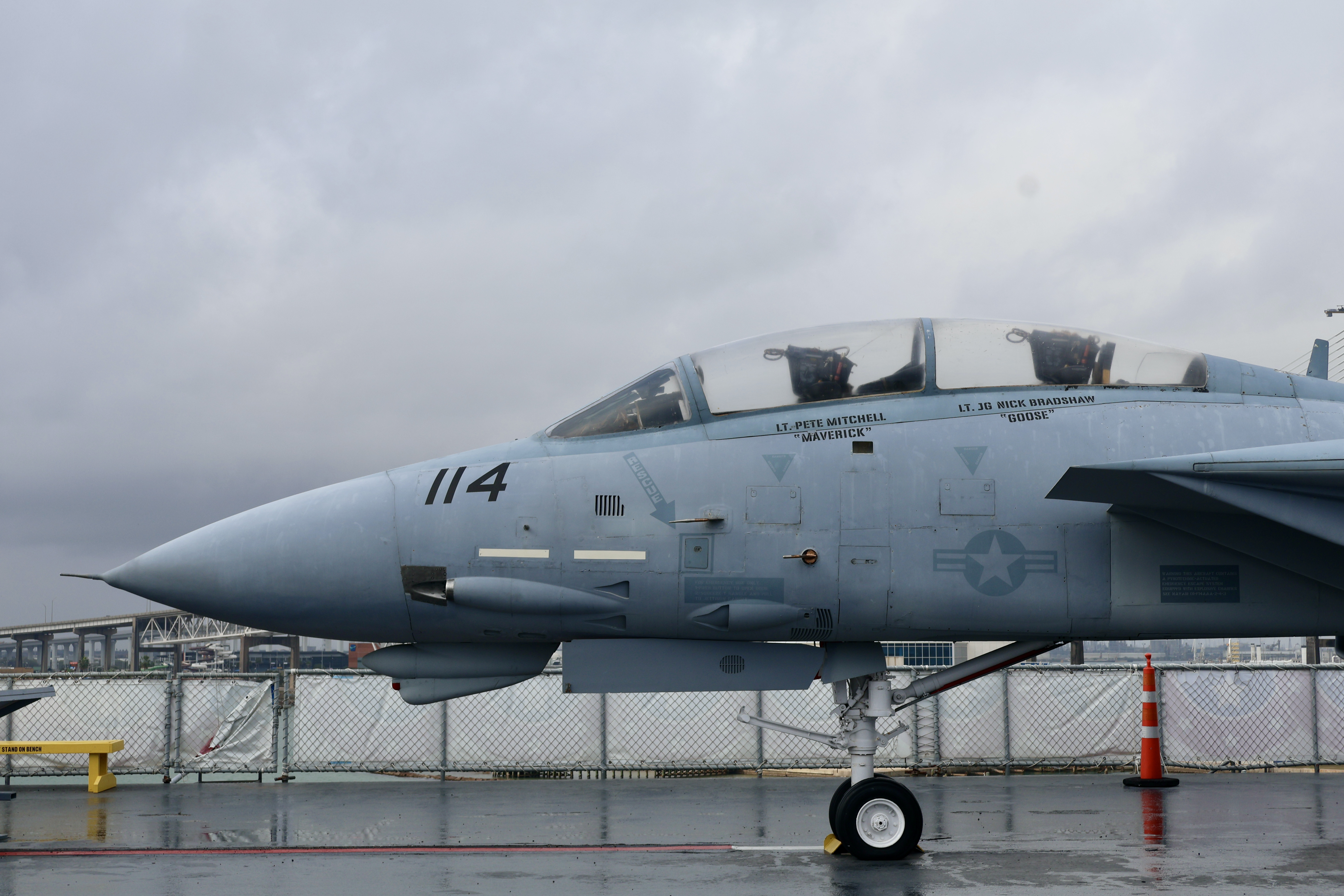
Some fun facts for you about the carrier. The USS Lexington was the first aircraft carrier to allow women to serve onboard. The Lexington served as a filming location for Midway in 1975, AND for the 2001 movie Pearl Harbor where she was altered to play a Japanese Carrier and the USS Hornet (which they do have a display for). Ghost Hunters filmed an episode aboard the Lexington, as did Ghost Lab. 

It was a really fun way to spend a morning- we were able to climb into several spots, see a lot of the ship (I was surprised at how much access we had), and the collection of planes and helicopters was really cool. All in all, I would recommend at least visiting one or two of the Naval Ship Museums. They are really cool and give a good insight into what life would be like on the ship. 

The other thing we did while in Corpus Christi was head down to the beach for a long walk along the water. The beaches in Corpus are really nice and easily accessible and you are able to see a high amount of wildlife. While in Corpus we were able to see the normal hermit crabs and jellyfish (keep a wide birth- even on shore), but we also got to see dolphins (a mom teaching her baby!), and sea turtles. 

That was really it for tourist-y things we did! The majority of our time was spent soaking up some much needed family time. 

A Cuppa Cosy Travels – San Antonio, TX

In December we did a holiday trip where we traveled to San Antonio, Corpus Christi, and Houston TX. Since we are currently living in the western part (very western part) of Texas, we figured we could head into the state to see some sights. We don’t plan on being back in the state, so we wanted to see some highlights (for us at least). 

***I also want to note that we did a much slower trip this time, we didn’t cram a bunch in, and we didn’t see as much as we could have. However, this trip was exactly what we needed it to be.***

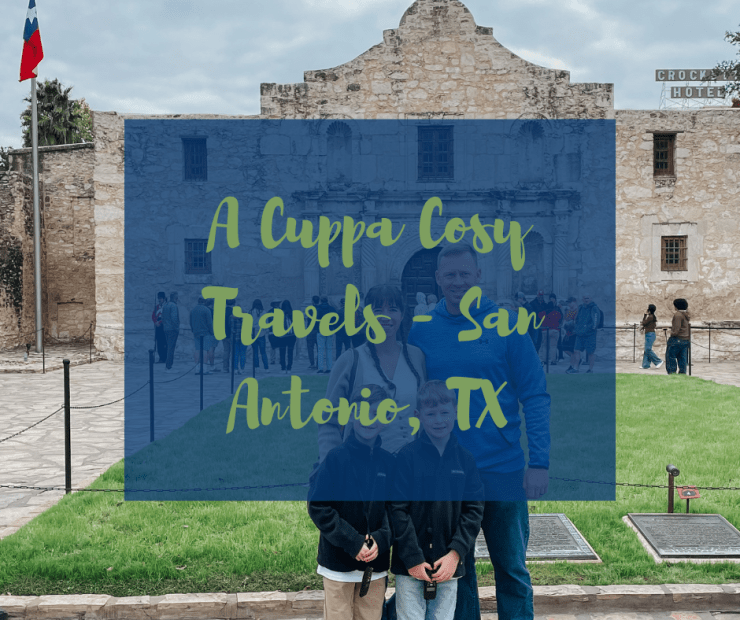
So, we started our trip in San Antonio, TX. San Antonio is a city that has so much history but feels incredibly modern. The main historical attraction (aside from the Missions), is The Alamo, which is located right tin the center of the city. You’ve got an incredibly preserved Mission, with hotels, restaurants, and stadiums right around it. I will say, this makes it harder to connect to the history and life at the time, especially for the kids. We enjoyed our time there and learned a lot, but it is something to note. 

We started our time in San Antonio with the Alamo. If you don’t know the history of The Alamo, I’ll try and give a rough rundown, but you will definitely know the words “Remember the Alamo”. The Alamo was initially a religious outpost (a Mission) for the Spanish Empire. During this time, it was the Mission San Antonio de Valero dating back to 1724. In 1793 the Catholics relinquished the Mission to become a Pueblo. During this time there were larger regional threats and battles being fought. This led to the Pueblo becoming a defensive fortress in 1803 occupied by the Spanish Army. In the background of these local transitions, Mexico was trying to become independent, Texas was finding its’ own identity, and there was broader conflict with French Louisiana and America. All of this creates a violent, turbulent backdrop for the San Antonio (and broader) region. 

Now on to the actual Battle of the Alamo in 1836. The Battle of the Alamo was a part of the Texas Revolution where Texas became free of Mexico, transformed into Texas (at the time a Self-Governing Republic). Prior to the battle Texas was under Mexican control and while Mexico struggled, all seemed well until 1833. Antonio Lopez de Santa Anna was elected President, and he was a…turbulent leader to say the least. He abolished the constitution (which gave way to a Civil War), changed immigrant laws, and the autonomy that Texas had to rule their own. 

Now, San Antonio was important as it was located on the main roads leading into Texas for supply lines and communications. Who holds this spot, holds all the keys in essence. 

The first battle of the Texas Revolution was actually the Battle of Gonzalez, which takes place in October 1835, when the Mexican Army was sent to recover a cannon. They were not successful in this task; in fact, the Mexican Army was very much outnumbered and retreated after being fired upon by the Texas Army. At this time, the Alamo and San Antonio is being held by the Mexican Army and they are taking refuge there (without said cannon). 

The Texan Army decided to follow the Mexican Army on their retreat and met up with an army of Texan Volunteers (this is where James Bowie, David Crockett and co come into play) to lay siege to San Antonio. There were several skirmishes of the October and November month, all with a Texas Army victory. The Mexican Army was finally defeated, and the Texas Army took control of The Alamo. They immediately began to fortify the mission and the city. 

Now the retreating Mexican Army soldiers met up with Santa Anna’s Army in February and they laid siege to the Alamo. Initially they tried to parlay, but after no progress, a full siege was laid and Santa Anna declared that “no quarter would be given” (so if they fell, they would all fall). While the Texas Army at The Alamo were incredibly outnumbered, they did not give up. They wrote letters and managed to bring in more men to fight for The Alamo. During the siege on March 2, 1836, Texas declared its independence from Mexico.

The actual Battle of the Alamo occurred shortly after that declaration on March 6 (the 13th day of the siege). The battle only lasted 90 minutes and there were no survivors. After the battle all of the bodies were burned. 

The Texas Revolution ended April 22, 1836, after the Battle of San Jacinto and the famous “Remember the Alamo” battle cry. 

So much for a brief overview of history, right?!

When visiting The Alamo, you have several options. You can go into it and just tour the grounds and mission. However, I would actually recommend doing the audio tour (bring plug in earbuds to avoid holding the thing up to your ear constantly). It gives a little more insight and history as you are walking through and allows you to get the information. There aren’t really any of the “this location” history signs in the grounds, so if you want to get the information, the audio tour is the way to go. We spent a little over half the day wandering through the grounds and museum (make sure when purchasing tickets, it includes the artifact museum). 

While The Alamo was one of the main reasons we went to San Antonio, we did do a couple other things that I can share about. 

First up (because I don’t have much to say on it), we hit up the Legoland Discovery Center. This is located in a massive mall that houses Legoland Center, a Sea Aquarium, and a ropes course. An easy relaxing day that would be great for the kids in your family. While we only did the Legoland Discovery Center, we did go take a look at the other options, and they were great as well. We spent half the day (no joke) at the Legoland Discovery Center. They have two rides, though one was down while we were there, a massive city center Lego build, a climbing/play place, a full creative space with different build and experiment options, and of course a Lego store. We all had so much fun exploring, building, and playing (and shopping).  It was a great option for the kids to get a little break on the trip. 

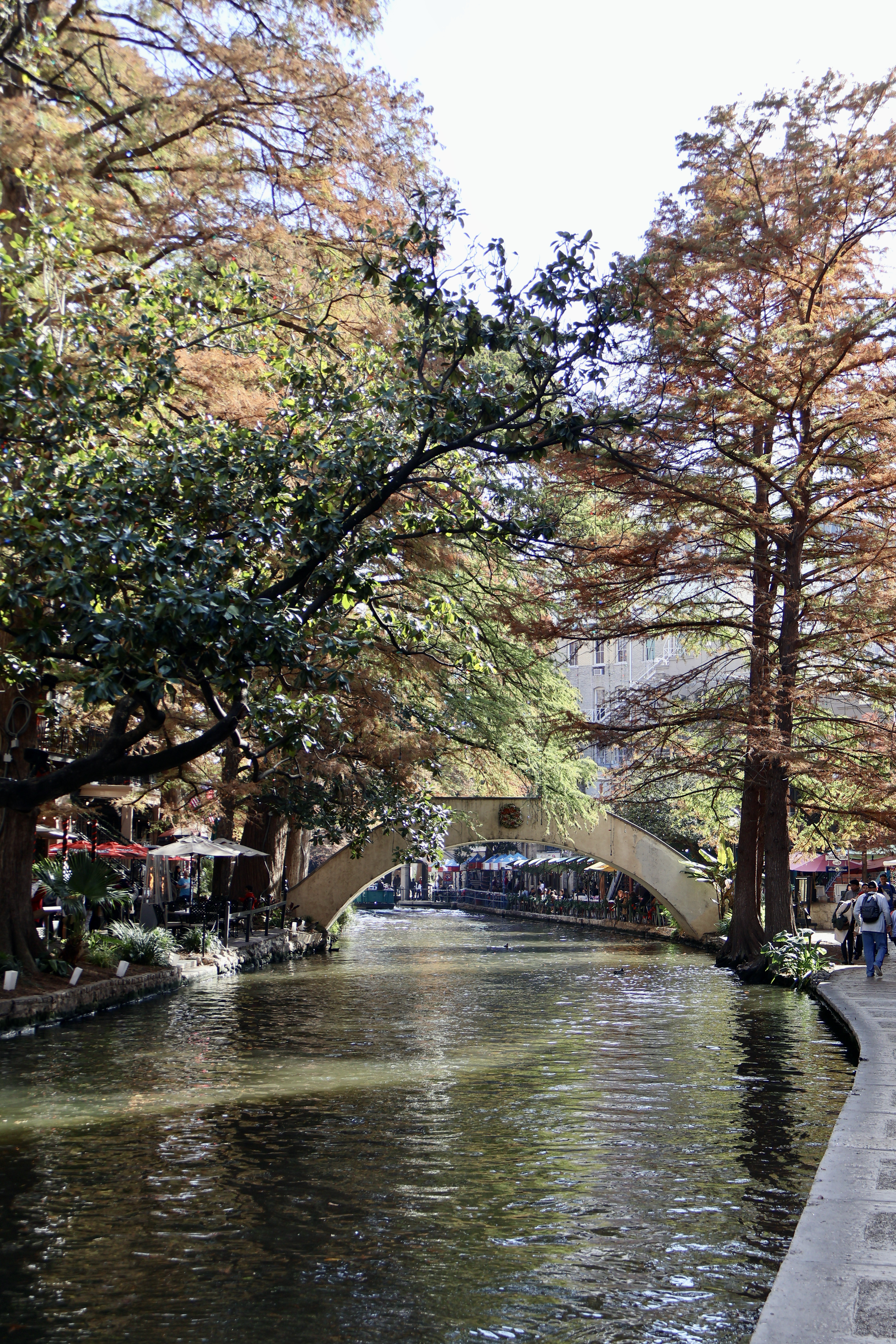
Secondly, we both walked along the riverwalk and went on a riverboat tour. When it comes to San Antonio, the River Walk is probably just as known as The Alamo. Both are top attractions; both are steeped in history. The first battle of the Texas Revolution was fought over the San Antonio River at the Mission Concepcion (2 miles South of Downtown San Antonio). Originally recorded in 1535 by Álvar Núñez Cabeza de Vaca. Originally named Yanaguana, it was renamed San Antonio de Padua by the first governor of Spanish Texas in honor of Saint Anthony’s Day. The river itself is home to 5 18th century Spanish Missions. The riverwalk now is known as one of the most popular tourists stops in San Antonio- featuring not only the walkway but lined with shops and restaurants. I highly recommend spending a half day just walking the river- preferably in the morning or midday for a bite to eat. Would not recommend heading there in the evening to late night hours as it is PACKED at dinnertime. 

By walking along the River Walk you are able to see bits of San Antonio history- such as Rosita’s Bridge, La Villita (which is a small artists village), and use it as a jumping off point for other downtown attractions (like the churches and government buildings that are stunning). 

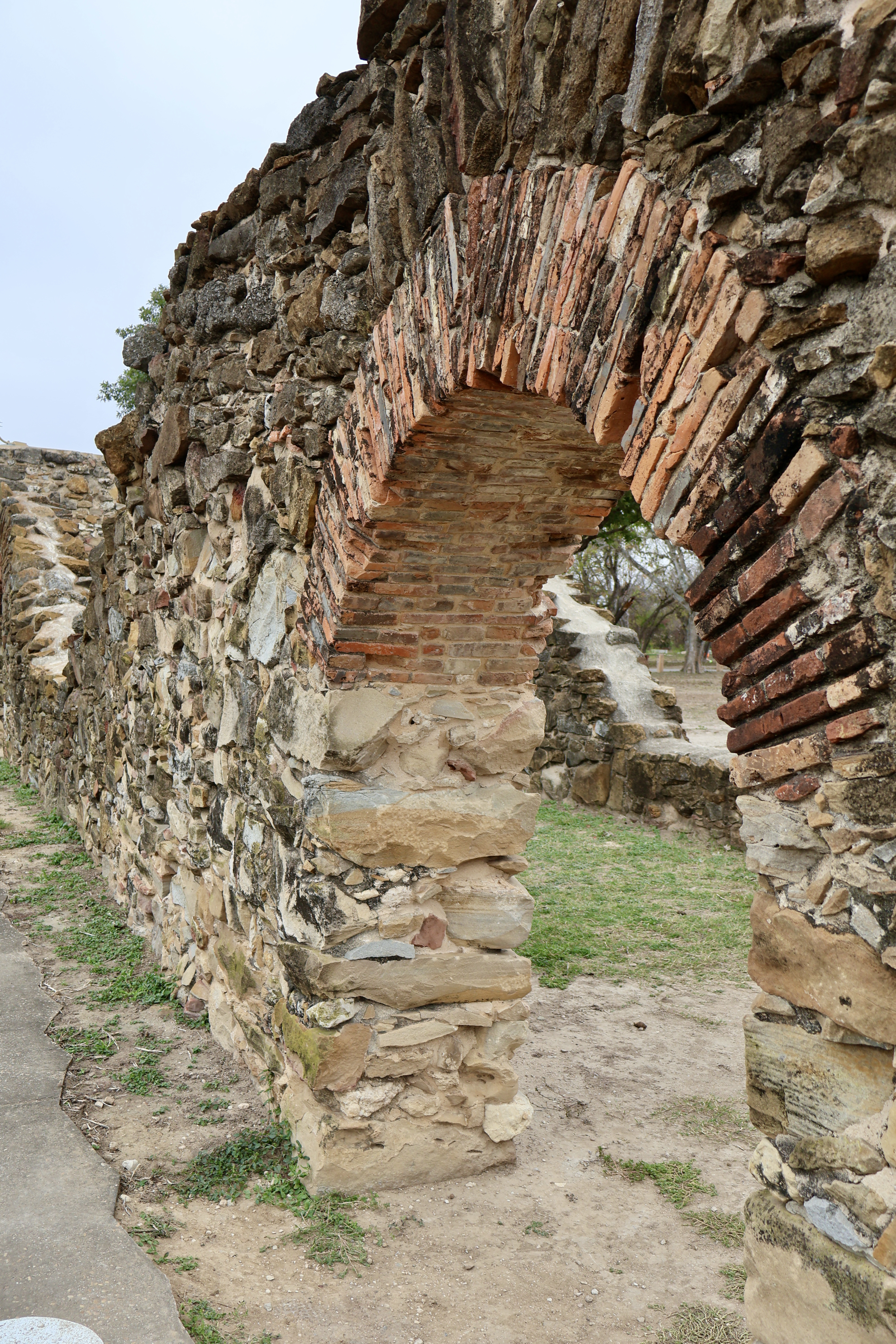
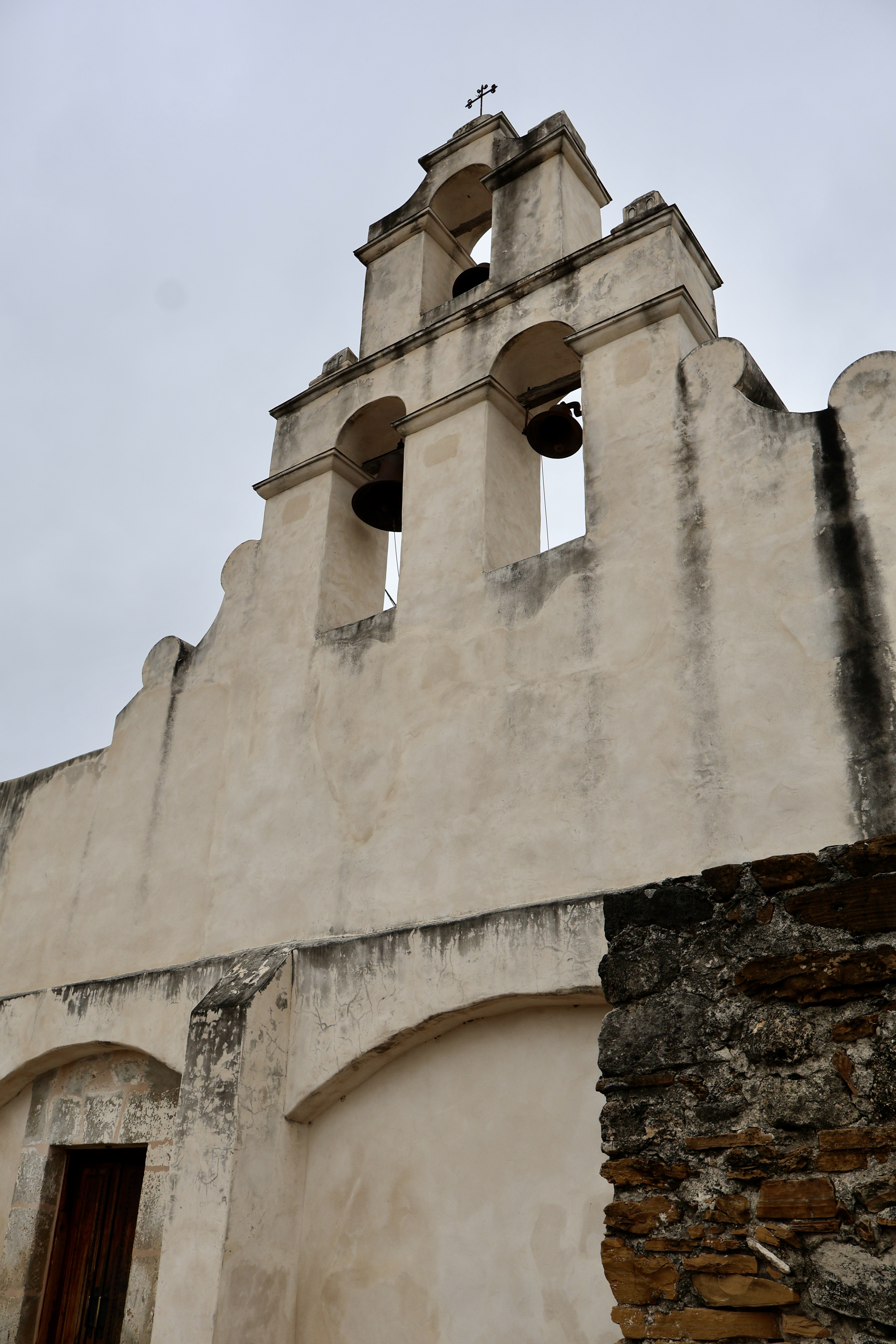
Finally, we did visit several of the 18th Century Missions that are still standing and open for visiting. We didn’t get to go inside any of them as we left San Antonio on Christmas Eve and President Biden declared it a federal holiday (so everything was closed), but we did get to walk the grounds of several of them. We did consider stopping on our way back through, but it didn’t work out with our timeline. The Missions were initially created to recruit and convert the local Indigenous groups.


We walked the grounds of San Juan and Mission Espada, while mission San Jose is the larger one that was closed due to the holiday. Mission Espada (my personal favorite) was founded in 1690 as San Francisco de los Tejas in Weches, TX and it was the first mission in Texas. It was moved and renamed in 1731 becoming the mission we see today. Mission San Juan was originally founded in 1716 near Cushing, TX as Mission San Jose de los Nazonis and then relocated in 1731 and renamed as Mission San Juan Capistrano. It represents the most dramatic of the change as the mission that the Indigenous people undertook in their becoming citizens of Spain. At this mission in particular, you are able to walk a loop that takes you to the original stretch of the San Antonio River as well as see the historic farm fields (still in use) and the irrigation ditches. Mission San Jose is the largest of all the missions and the one that is restored, fully open and features guided Ranger walks and souvenirs. Mission San Jose was founded in 1720 and moved twice before the location we see it at today. 

Beyond that, I have two food recommendations and that is breakfast at Voodoo Doughnuts and dinner at Iron Cactus. We loved both of these spots and would have gone back multiple times. 

That wraps up our time in San Antonio! A short stop to hit the highlights and give some fun memories for the kids. Our next stop was Corpus Christi, but that was to visit family and we didn’t do many tourist-y things. I might write about it, but it’ll be a shorter post than this one. 

A Cuppa Cosy Summer Holiday 2023 – Quebec City

It is finally time to start breaking down our Summer Holiday. It’s a bit late in the posting lineup, but we had a truly fantastic trip, and I can’t wait to share all the details! We did a bit of an East Canada tour de force- starting in Quebec City and ending back in New York. I think this was one of our top trips in that we loved everywhere we went. We found some real gems in these cities and really fell in love with some of these spots. So, here we go with where we started…

We spent three nights in Quebec City and the bulk of our time was spent wandering the city. We stopped in places from time to time, but we really just walked the streets of the city and enjoyed our time. I’ll highlight a couple of the spots we did go to and the history, but I highly recommend just wandering the city streets of both upper and lower downtown. The days that we were there we did (and you’ll see) have some air quality issues, with the wildfires raging out of control. 

A real quick note on the “Upper Town”/” Lower Town” designations. I’m not making these up- this is very much how they are referred to. Upper Town is the location of the military and civic/admin district. Most buildings in this area are 19th century, though there are some 17th/18th century ones. Lower Town is at the “bottom” of the cape. This is the site that Samuel de Champlain built a settlement. The Church Notre-Dame-des-Victoires is located in Lower Town (dated back to 1723) as well as the Musee de la civilization.

Quebec City dates back to 1608 when the French, specifically Samuel de Champlain, settled the area- making it one of the oldest European settlements in North America. The ramparts (which we walked) are the only remaining fortified city walls remaining in the North Americas (north of Mexico). The “Historic District of Old Quebec” is a World Heritage Site (as of 1985) and honestly one of the coolest spots to walk around. Now, while the French “founded” the city, it was actually an abandoned Iroquoian settlement called Stadacona. The city itself has quite the history, specifically during the French and Indian War where it served as the headquarters for raids against New England. However, Quebec was captured by the British in 1759 and held by them until the end of the war. It was then officially ceded to Britain, though Quebec is still heavily French and both French and English are spoken interchangeably (which gave our boys a chance to learn a couple phrases in a new language!). 

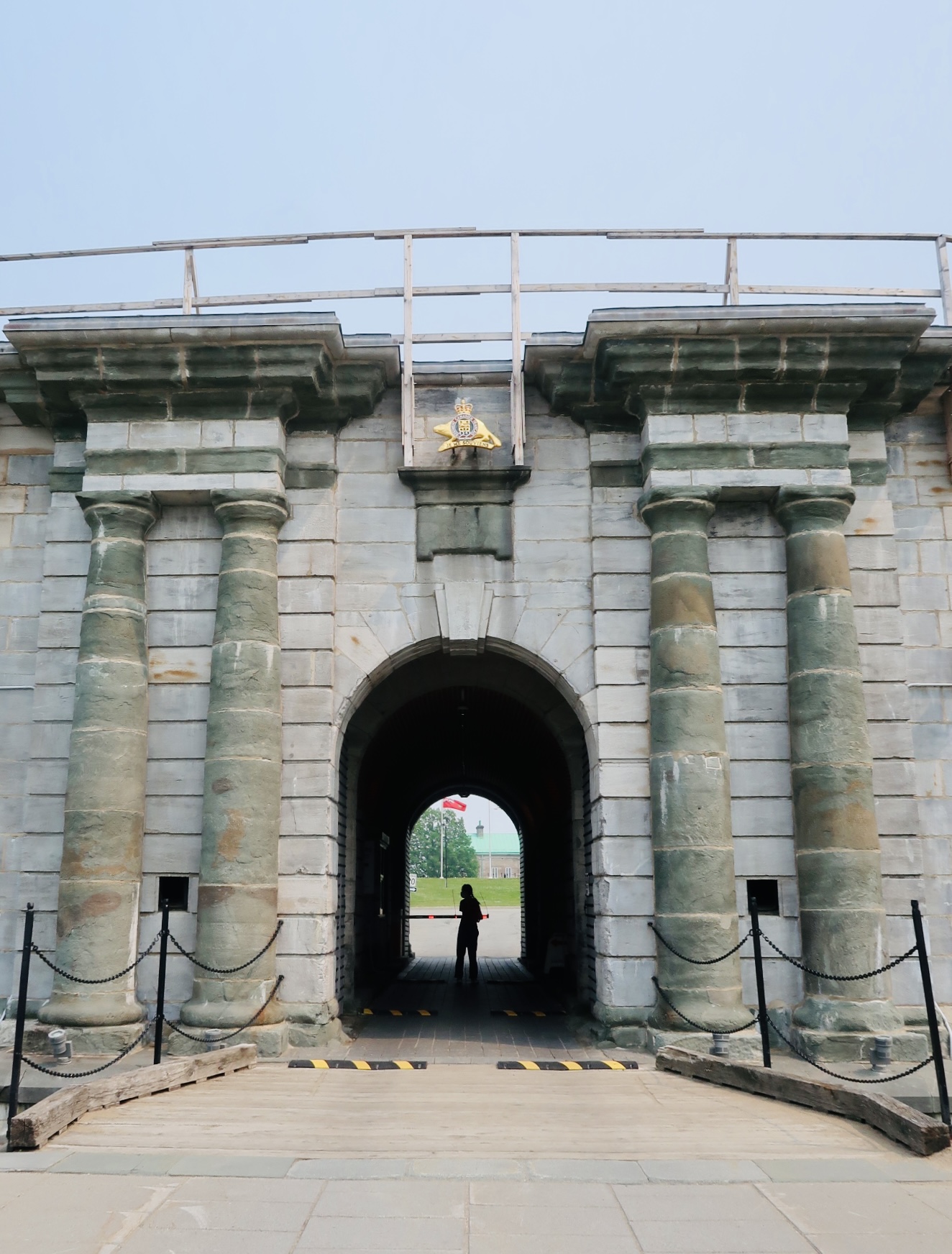
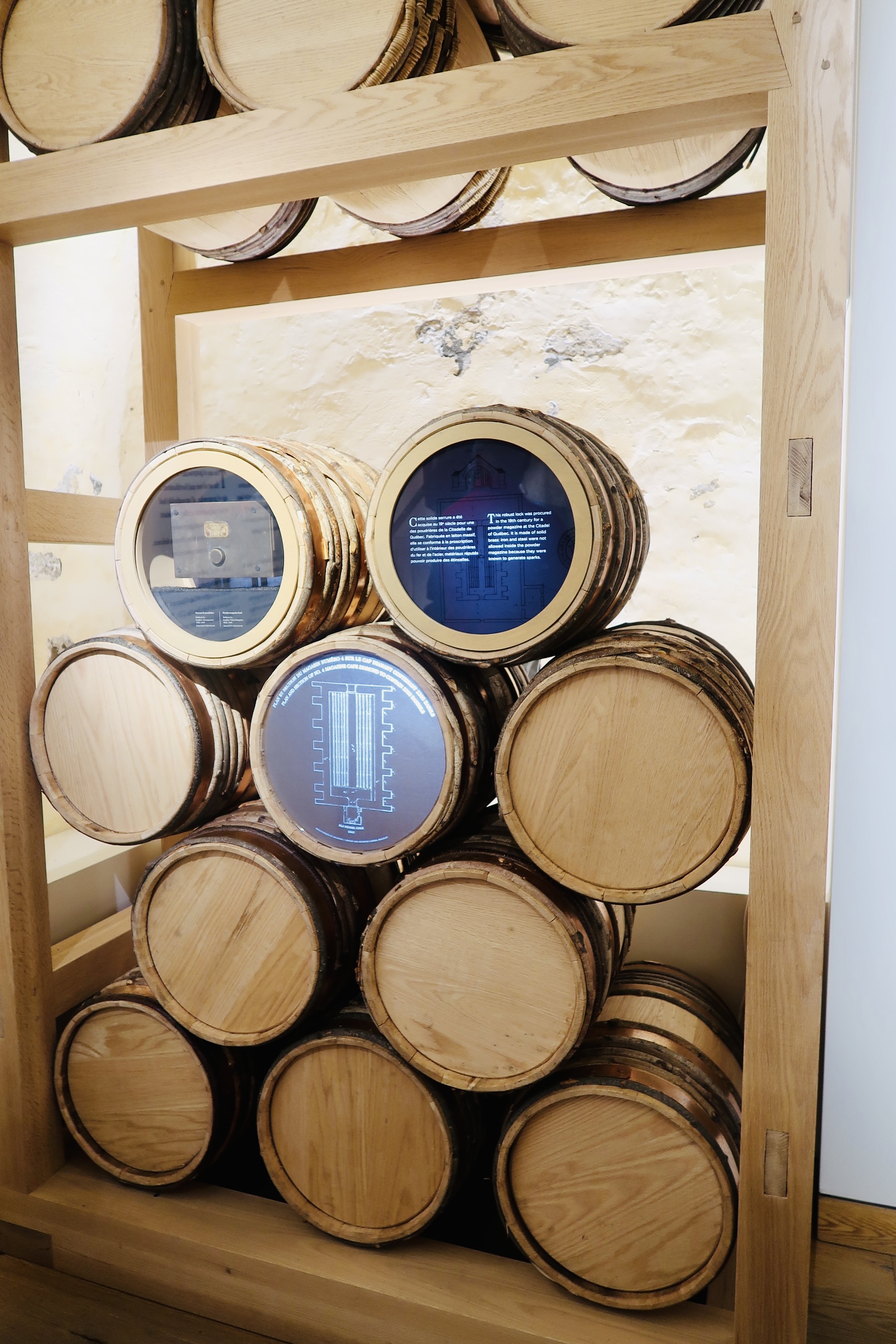
To get a little ahead of myself on our time in Quebec, but stick with the history, we spent an afternoon wandering and touring the Citadelle of Quebec. The Citadelle was initially built due to concerns of an American attack post the American Revolution and the War of 1812 (as America did try to “liberate” Canada from her Sovereign- unsuccessfully). Now, the Citadelle is an active military installation and a secondary (official) residence of the Canadian Monarch and governor general. The Citadelle does join the original fortifications, which is really cool when you think about the history of it all. The entire city itself is surrounded by fortifications. 

When Samuel de Champlain was initially building up the settlement of Quebec, he immediately noted that the Cap Diamant would be of importance and value to any fortifications of the region. When he built up the settlement, he built it in the way that the city would be at the base of the cape, thus allowing the landscape to provide a natural defense. The French initially built up the walls but determined that a fort would cost too much, and it wasn’t until Louisbourg fell that they felt a true need for a fort. The British saw the need for a full fort, but, similar to the French, didn’t want to pay the cost for a full fort. It wasn’t until the late 18th century that they fully committed to building the fort. The present star fort was built from 1820-1850, with the British remaining within the Citadelle until 1871. 

It was really neat to walk through the Citadelle, seeing and learning the history, as well as hearing about their mascot- a goat (affectionally named Batisse)! Even though it is a fully functioning military base, you are able to see quite a bit of the buildings and museums. It is well worth the visit.

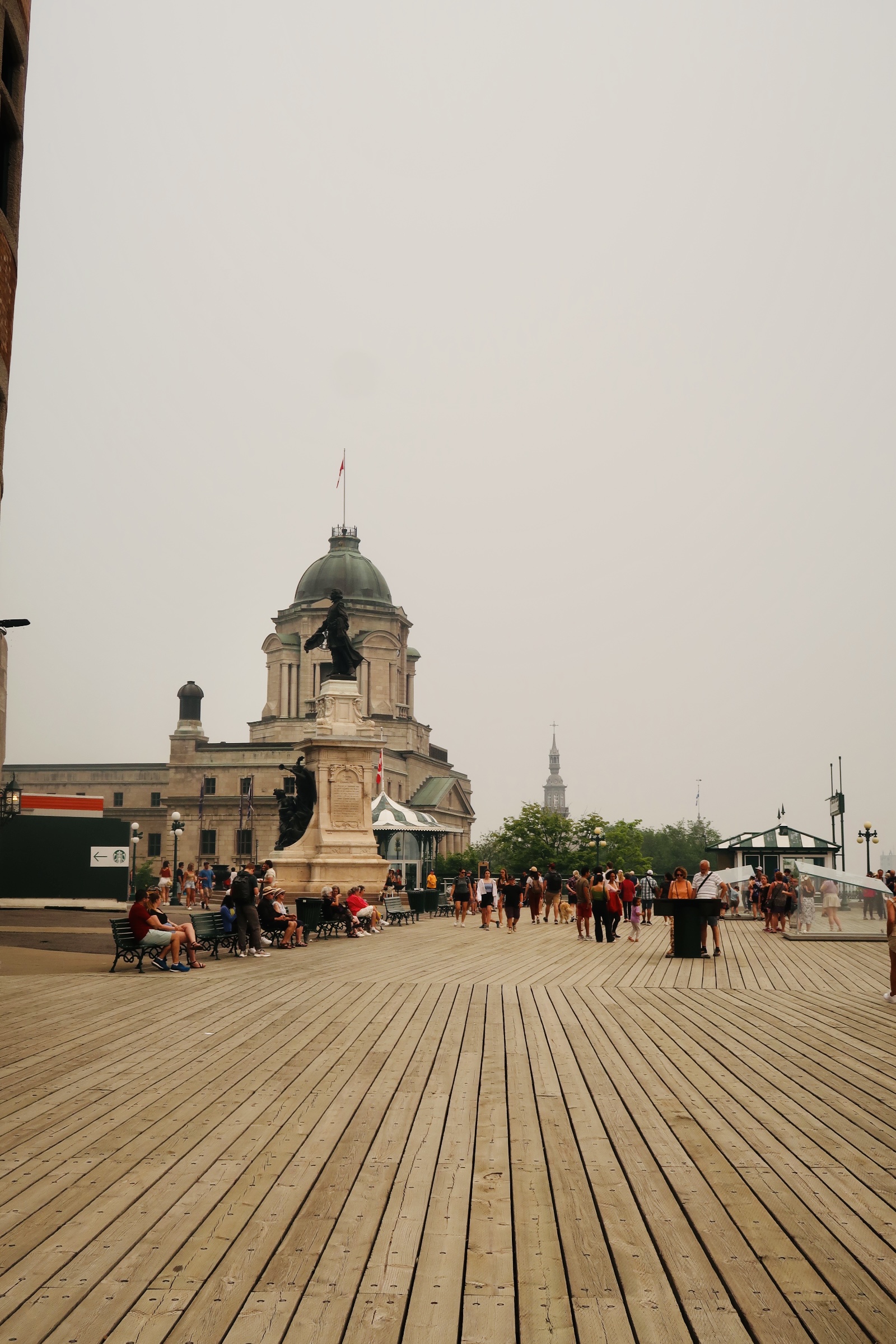
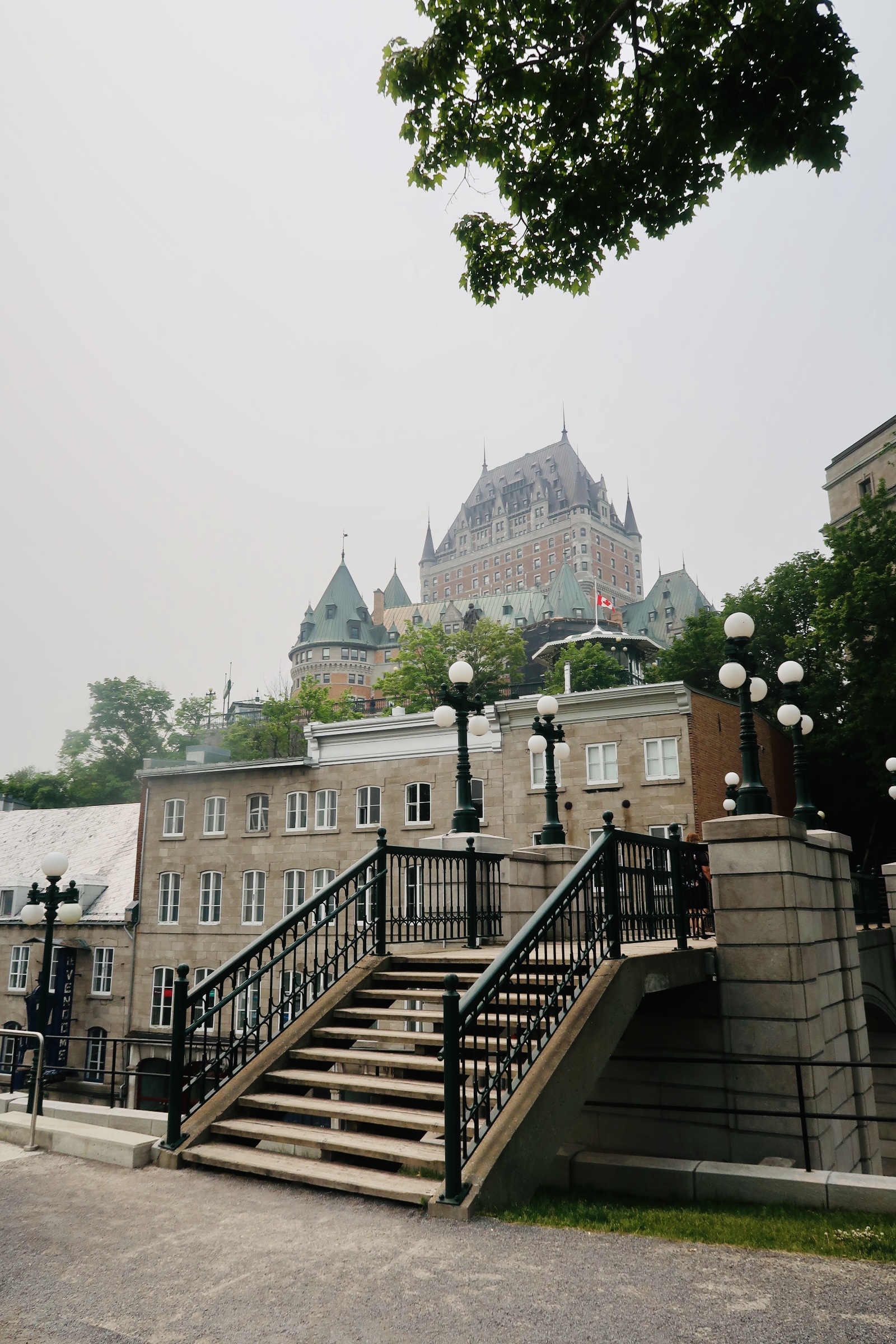
Now once you pass through the Old Fortifications to wander through downtown you can head through the streets and up towards the Promenade. This includes the cite of the Chateau Frontenac- one of the most photographed spots in Quebec City. Located in the Upper Town, it dates back to 1893 and was built by the Canadian Pacific Railway company. It is a National Historic Site of Canada and is one of the first completed grand railway hotels. These hotels are hotels that are built as an attachment to the major railways within Canada and were designed to serve railway passengers. A lot of these hotels then became landmarks and are linked to the history of the country itself. And I can definitely understand why- it is just as stunning in person as it is in photos.

Once you walk through the Promenade- called Terrasse Dufferin (and feel like you’ve stepped back into another era- just imagine it!), you can wander down to Lower Town. There are two ways to head down, by funicular or by stair. We chose the stair option because we have a thing for stairs (this is a long running theme from our European Travels). Lower Town has a very definitely different feeling to Upper Town. As you descend you can definitely feel a different vibe- in a way that…might even live up to the names. Upper Town is very…. business like, very prim and proper almost. Where Lower Town can have a bit of a frenetic feeling, a bit of a lighthearted, let loose, kind of feeling. Rue du Petit-Champlain in particular is very neat. We wandered through tight streets, picked up some ice cream, and sat riverside looking up at the Old City. 

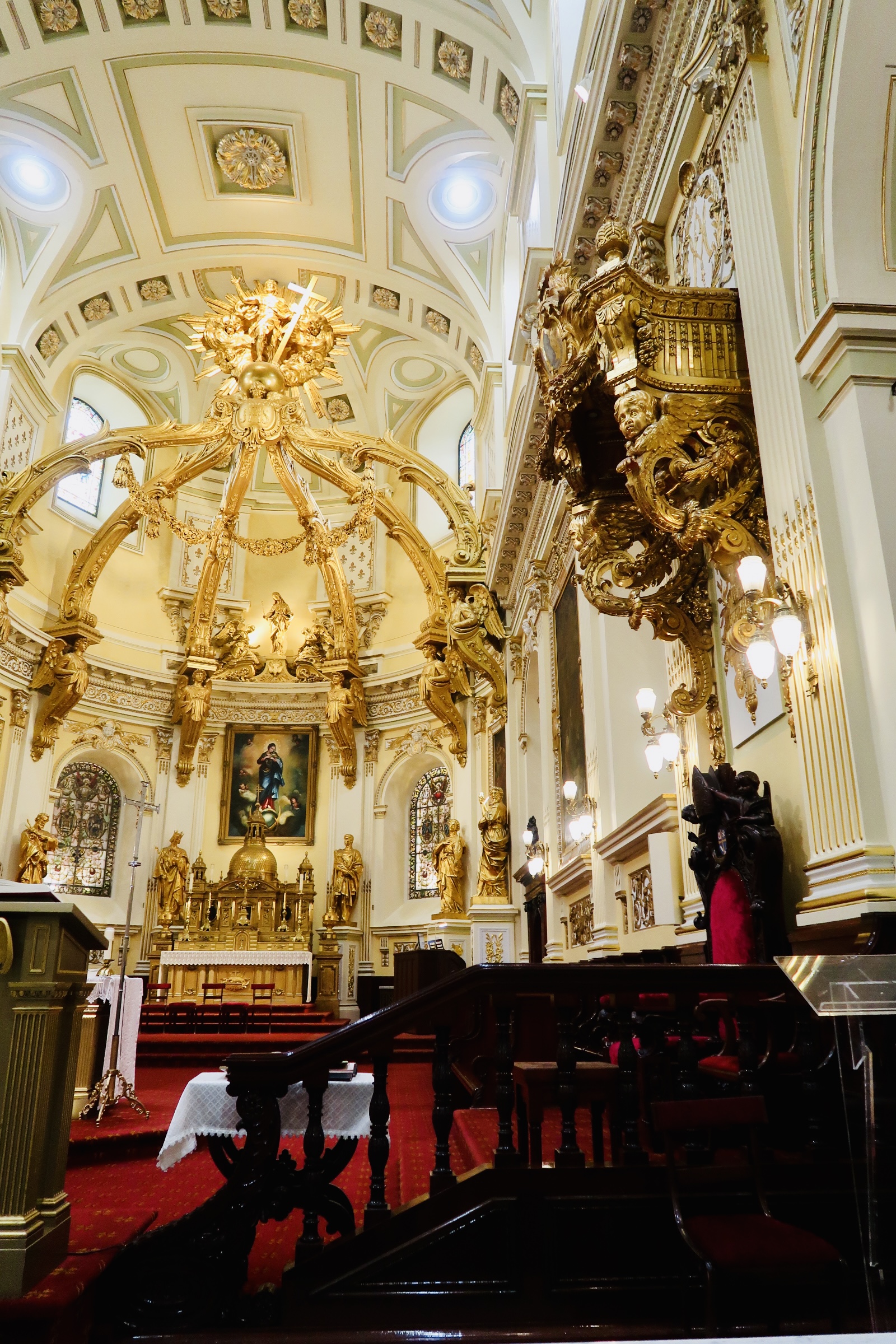
Cathedral-Basilica of Notre-Dame de Quebec was THE church we wandered through during our walks. And let me tell you…it lives up to that name. This is the oldest church in Canada and the first to gain the rank of minor basilica- which happened in 1874. However, this massive cathedral started off as a chapel- the Notre Dame de la Recouvrance- dating back to 1633. In 1647 construction of the actual Cathedral began under the name of Notre-Dame de la Paix. It was destroyed in 1759, rebuilt, and then destroyed again in 1922. Upon its 350th anniversary, a holy door was constructed, the second only to exist outside of Europe, only the eight in existence in the world. It was opened in 2013, for a little over a year, then opened again in 2015. It is not to be opened again until 2025. This particular Cathedral is absolutely incredible- it is pretty high up on my list of Cathedrals and churches, and I’ve seen my fair share. 

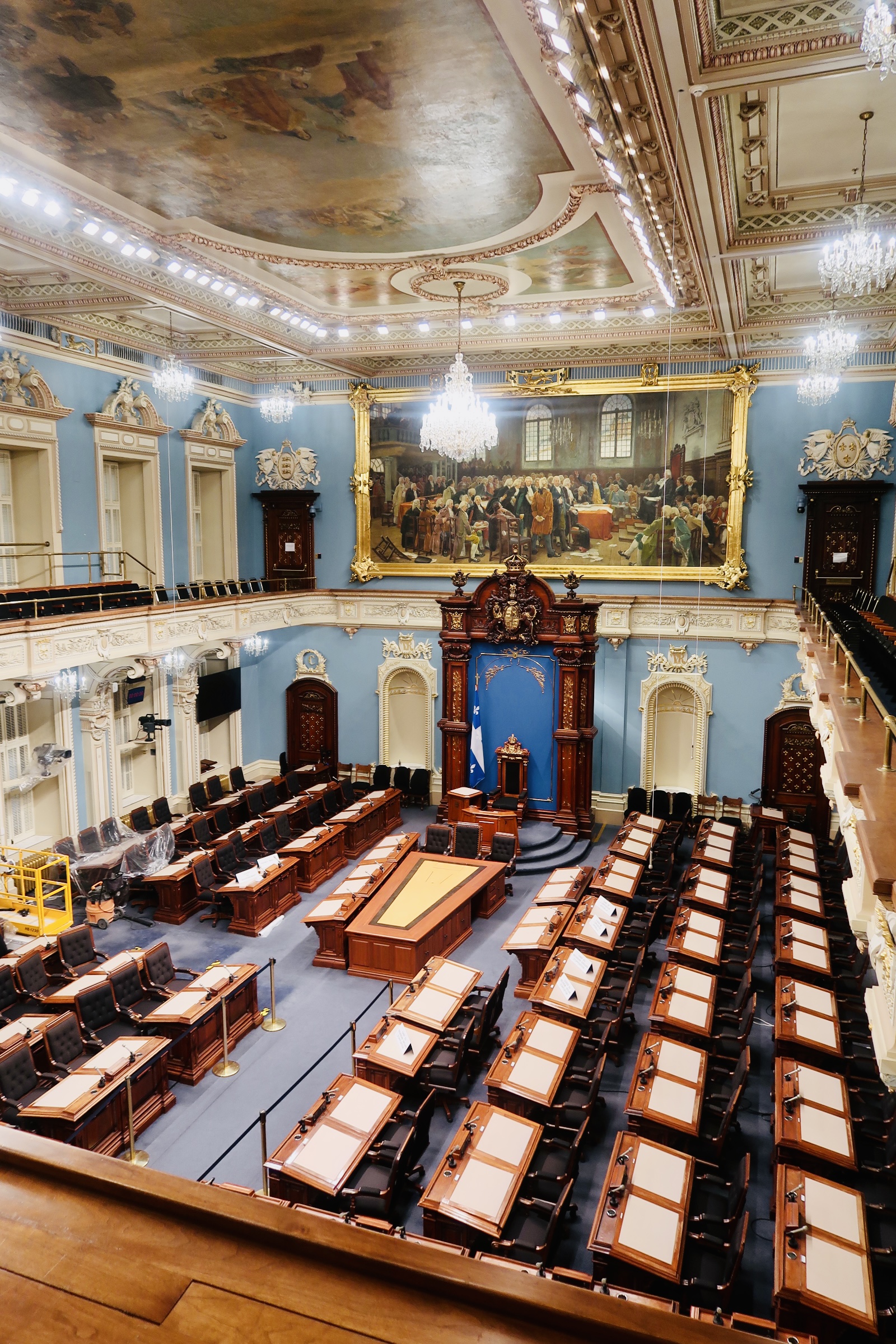
We spent a little bit of time exploring the Parliament Building of Quebec, which houses the National Assembly of Quebec. This present building was started in 1877, the first assembly met there in 1884, and the building was completed in 1886. The original building that housed the government was built in in 1648, rebuilt in 1694, and then destroyed in a fire in 1834. The clock tower was installed in 1888, the first addition was completed in 1915, and several more throughout it’s time. The new entrance was completed in 2019. We were able to walk through the halls, see where the government conducts business and learn a little about how it functions. 

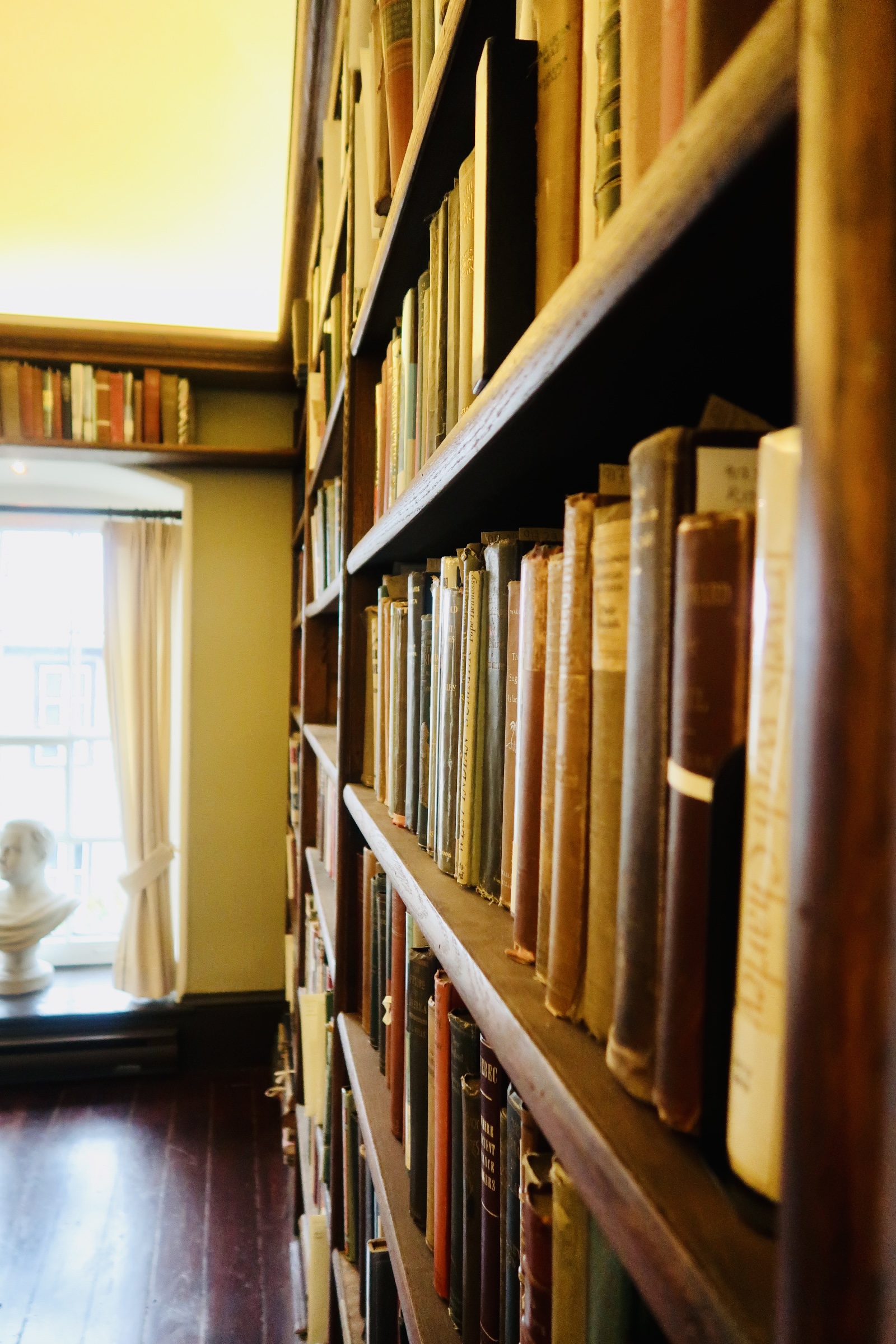
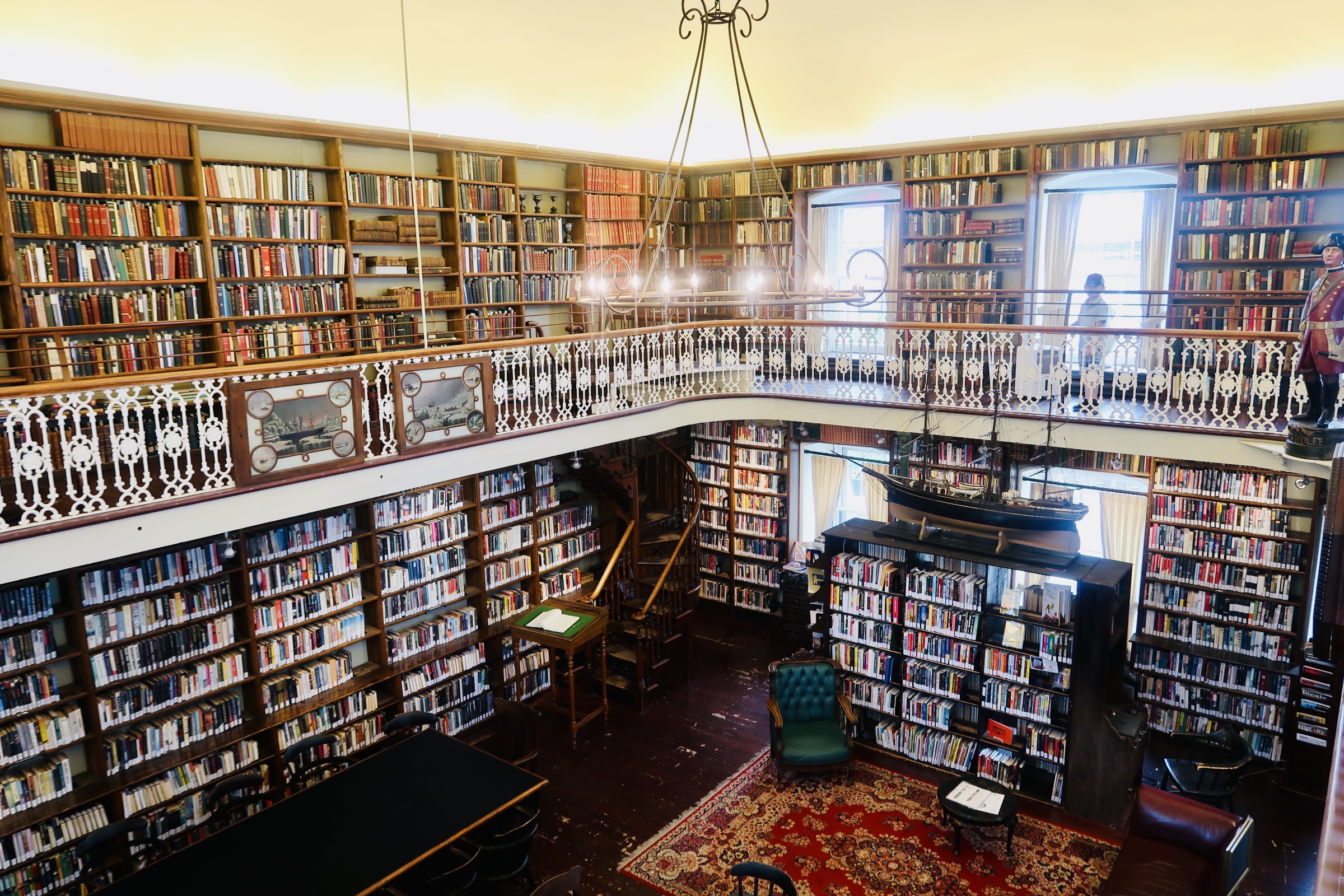
One of the final things I want to talk about in Quebec City is the Morrin Centre. This is a 200-year-old building that was initially one of the first jails in the city, turned school, and now is the leading English-language cultural centre and library. A little history, because this building has a LONG one. Initially this space was called the Redoute Royale and served as a military barracks, with the occasional prisoner of war. The original building was demolished in 1808, with the intention of building a new building to serve as the public prison. The new prison was completed and opened in 1813- though it housed prisoners starting in 1812. The prison was quickly put to full use and became overcrowded quickly. In fact, our tour guide told us that it was a common occurrence to get in light in trouble in order to go to the prison and get a meal. There was a total of 16 men hanged in front of the prison and you are able to walk the very same steps those men would have walked. You are also able to see a variety of markings in the basement cells from the prisoners. The prison was officially closed in 1867. 

However, the building history doesn’t end there- it is quickly turned from a prison to a college. Morrin College is the first English language higher education institute. The college partnered with McGill University to allow students to earn Arts degrees, and starting in 1885, the college admitted woman into the program. In 1868 the Literary and Historical Society of Quebec (dated back to 1824) moved into a wing of the College. This Society has played quite the role in preserving the history of Canada- not only gathering and preserving historical documents, but also creating the National Archives, creating a lending library focusing heavily on English-language books, and republishing rare manuscripts. 

The building presently serves as a museum, a cultural centre, as well as a fully functioning library. But also, I mean look at this library- is it not dreamy?

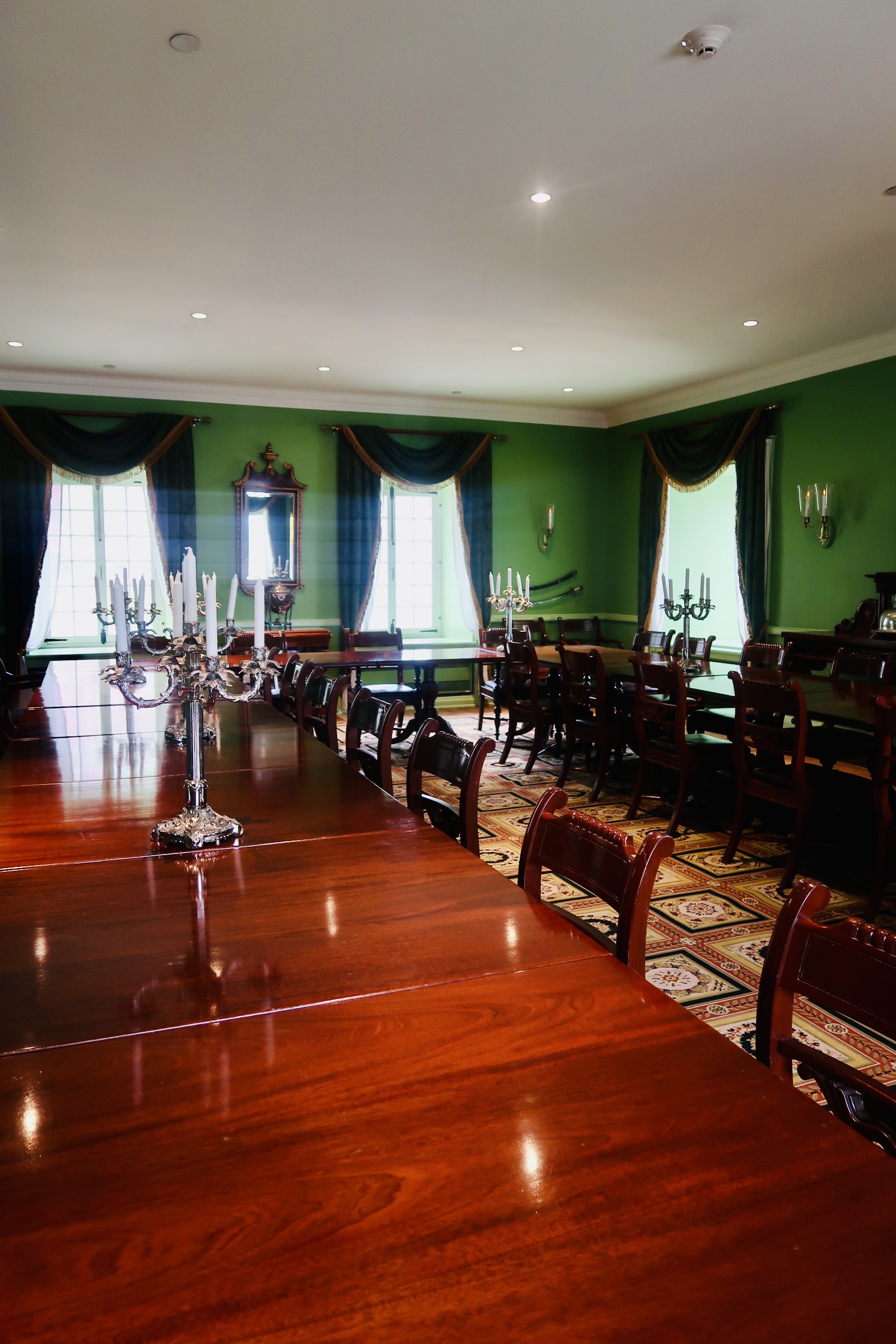
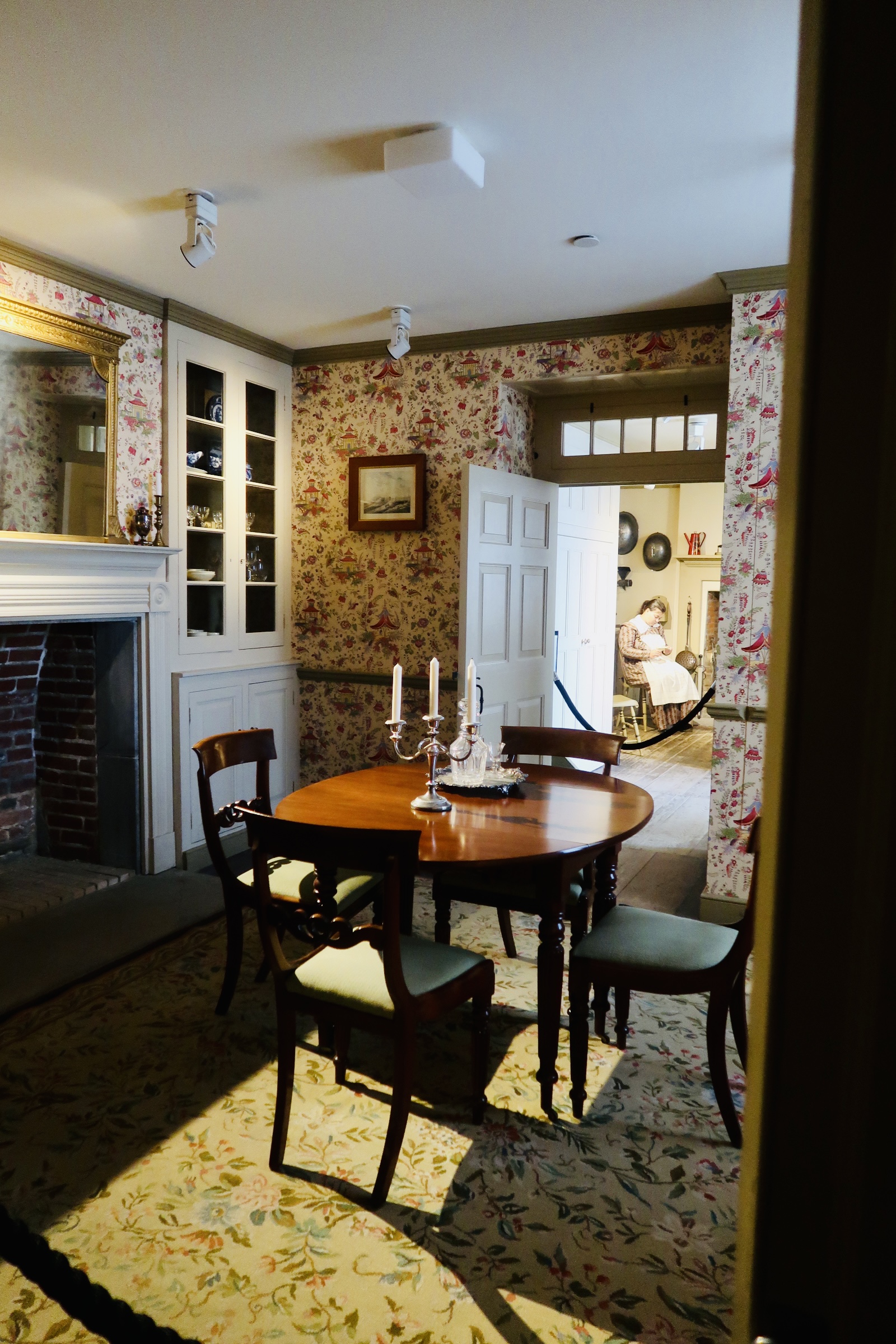
The final stop on our time in Quebec City was the Artillery Park, which is part of the Fortifications of Quebec. This is a “living history” museum that combines actors and artifacts to give a hands-on experience of life under the different rulers of Quebec. We got to experience the British, the French, and the Canadians. The “tour” starts in the arsenal foundry which gives you a full history of the City and its’ fortifications, then a model of Quebec City before you head down to the Dauphine Redoubt- one of the oldest military buildings in North America. Again, you experience life during different military rules. Finally, you stop in the Officer’s Quarters and see how they would have lived in the military area of the city. This building was actually originally a bakery but was repurposed to hold and officer and family. Definitely worth a stop!

And that really wraps up some of the highlights of our time in Quebec City. I will say- we really enjoyed our time. I always note what cities we like to be in (as we aren’t really a city family) and it’s always these Older European or full-on history spots that we prefer. Somewhere we can walk everywhere, see some architectural variety, and surround ourselves with history on every corner. 

A Weekend in A Camper

Over Labor Day weekend we decided it was time to take another camper trip. To be honest, I’ve been kind of itching to get back into a camper, get out into nature, and take some massive steps back from the world. There’s just something about being in a camper, disconnected, in nature that really just works for me. It gives me that much needed “silence the world” feeling. 

Now, last year when we did our camper trip it was in October to the Lake Placid area, and it was glorious- the beauty of Autumn in the Adirondacks is unparalleled and unreal. You can read that HERE. It was our first time in a camper, and we fell in love (if you can’t tell). 

This time we decided to go to another famed region of New York- Letchworth State Park. Known as the “Grand Canyon of the East” it is known to be one of the most “scenically magnificent areas” of the eastern part of the country. It is home to a lot of hiking, horseback riding, white water rafting and kayaking, hot air balloon rides, as well as a variety of lodging right within the park. 

We decided to stay outside of the park, mostly because most of the spots were already reserved when we looked (these spots, both, book up FAST). We chose a KOA campground on the southern end of the park and we’re actually very pleased with it! I know that in some instances KOA’s can get a bit of a bad rep, and sure being as close to neighbors isn’t like…great, but our experiences thus far have been great. We arrived in the afternoon on Friday and spent the first few hours getting settled in, unpacking, letting the kids run free and wild. 

The next morning dawned bright and clear so after breakfast we headed out to Letchworth State Park. Letchworth State Park follows the course of the Genesee River for about 17 miles as the river goes over a total of 3 waterfalls and cuts a gorge through the landscape. It crosses two counties as well as 5 cities. The park dates back to 1859 when William Pryor Letchworth started purchasing the land. He started with the land nearest to the Middle Falls, built his home and then started to look beyond. In the end by 1906 he had 1,000 acre’s that he bequeathed to the state of New York. The park contains three waterfalls, Upper, Middle, and Lower. Each are unique, each are located within the southern section of the park (yes there is a southern/northern line, and it is marked within the park-it is THAT big). Upper Falls has an active Railway arch bridge above it, creating quite the photo backdrop, but also historic as that railroad bridge path dates back to 1875. Middle Falls is the highest of the three waterfalls at 107-foot drop and is just the powerhouse you expect it to be. Lower Falls is exactly what you would think from the name, a lower “calmer” fall over several levels, with a stone bridge just below. There is one smaller, ribbon waterfall, however most of the time you are not able to truly see it. 

My initial thought was to hike the distance between the three waterfalls; HOWEVER, this is a 7-mile hike and is listed as a “moderate” level hike but has a steep incline/decline that we didn’t know about until we overheard some hikers speak about it. We decided at the middle falls that hiking the full way was not feasible with two little kids on an 80 something degree day. This is fine as not only can you drive the entire park, but you are also able to stop at more than enough spots to get out, take in the gorge, the river, and the falls. There are two parking lots for the falls, one located in between upper and middle, and then one close to lower falls. (To be honest- I was also ok with not hiking as most of the hike is above the river, rather than within the gorge.)

I think that the park itself is incredible and definitely worth a visit, and the amenities for camping or staying within the park are great, but if you are looking for river/waterfall/gorge hiking, I would recommend Watkins Glen State Park. Obviously, these are two VERY different parks and I hate to even put the comparison there, but I would definitely say I preferred that one to Letchworth if we are talking about water adjacent hikes/locations. 

We basically spent all day within the state park, as planned, and just decided that when we were done, we would head back to the campsite. The KOA campground had live music both nights right near our site, so we had an enjoyable evening next to the fire. 

We slept in a bit the next morning and it was a bit more overcast than Saturday. We knew there was a possibility of rain later in the day (hence the State Park on Saturday), so we decided to choose things a bit more…low key. We gave the kids an option of two activities, both geared towards their interests (but we would enjoy too). The first was a train ride that would span the countryside, the second being an animal safari. It was a tough decision, but they ultimately chose the animal safari. 

Now, let me say this first- I am always wary of the animal sanctuary/roadside zoo style places. I tend to…avoid or research the practices prior to visiting. I just wanted to share that before getting into this. I think, like anything else, there are good places and bad and it’s up to us to look into each place before we visit. 

So, we decided to spend a couple hours at Hidden Valley Animal Adventure. We opted to do the safari they offered, in their vehicles with a tour guide, rather than our own. We did a more mid-day tour time and our tour guide ended up being one of the animal care takers. So, we not only learned what the park was like, but the specifics in how they care for the animals and how they manage heards, relationships, and the like. Not to mention how they…simply maintain and provide the best for the animals. We were able to see quite a variety of animals, but I never felt like they were animals that were…inappropriate or overly exotic for the location. We did get to feed them which was cool, and the guide was incredible in passing along knowledge and letting us know when to step away. After the safari you are able to walk up to the petting zoo and feed the goats or down to the Koi Pond and feed the fish (or both really). It was a great couple hours.

Thankfully the rain held off until after we got back to camp and didn’t properly start coming down until later in the evening. We started up the fire to try and enjoy one last one, cooked up some dinner, and just relaxed. When it started to rain, the pitter patter created quite the perfect ambiance for us and the live band for the evening were great! 

That really wraps up our weekend. It was a much needed, very relaxed, leisurely weekend unplugged and away. One of my goals in the coming years is to make these Camper trips more than a once-a-year occasion. We really enjoy them and, eventually, want to get a camper of our own. 

Autumn in the Adirondacks

Oh, the pure bliss of it all. Autumn in upstate New York is one that you hear talked about a lot, along with Vermont and New Hampshire (ok basically all of New England). It’s one that everyone says is absolutely incredible (actually I’d argue that people tend to exclude New York from that conversation, which is completely unfair, but that’s a post for another day), but you always wonder…”can it really be that good?”. The answer is yes, yes it can be, in fact it’s better. 

In fact, when I dreamed about what Autumn in New York would be like, I dreamed of spending a weekend in a cabin in the middle of the forest and just watching in wonder at the beauty around me. However, rentals go FAST around here, and you’ve got to plan almost a year out to get what you really want at a decent price (and I was determined NOT to do a hotel in a city for this particular dreamy weekend). My husband took over the plans and ended up booking us an RV and a campsite for the weekend in the Lake Placid/Whiteface Mountain area. There aren’t a lot of words that I can really give to the sheer beauty of it all, and so, while there will still be words in this post, the real star of the post will be the pictures that I took throughout the weekend. 

Now, before we go much further in this post, I’ll address the elephant in this post. Yes, we stayed in the RV in a KOA campground…and we LOVED every minute of it. My husband has been trying to sell me on the whole RV thing and while I wasn’t opposed to it, I also wasn’t jumping up and down and going out to buy one. This weekend convinced me though that an RV for the bulk of our travel is actually a really good idea. Let me briefly explain. When we travel to certain locations, we do a lot of outdoor activities. We are big outdoors people, loving to explore nature, hike through the woods, see waterfalls, and just general do everything we can within nature. When you spend all day just reveling in Mother Nature and the beauty that is around you, only to go back to a hotel in a city it can be a bit…jarring. Especially if what you are craving is an escape from “the real world”. Enter: the RV. It was brilliant and honestly, really added to our weekend. The boys loved it and, at least for this weekend, I didn’t feel like I was truly missing anything by staying in an RV instead of a hotel. It is something that, while we will be renting a few more times first, we are definitely going to be looking at investing in. I would say we do a fairly equal amount in our travels between visiting cities and escaping into nature, so this would definitely be something to have. 

Anyways, tangent over back to our post about Autumn in Upstate. We pulled in on a Friday afternoon and got all set up and unpacked at the campsite. Made up the beds, set up our little cooking and dining area and feasted on some dinner. Like I said, we stayed at the Lake Placid/Whiteface Mountain KOA and we really liked it. It had good amenities, very active and sweet owners (this was actually their last weekend there) and was VERY beautiful. It is a perfect spot to stay due to its location close to everything to see in the immediate region. 

Our first full day in the area we spent chasing leaves across Whiteface Mountain. Whiteface Mountain is the 5th highest mountain in New York and part of the Adirondack High Peaks. It is unique in that you are able to access the summit by car, with the Whiteface Memorial Veterans Highway. This highway was constructed as part of the New Deal public works projects and funded entirely by New York State. It winds up the mountain giving absolutely incredible views of the valley below (with several pull off points to step out of the vehicle and stare in awe), stopping just shy of the summit you are able to then walk through a tunnel and ride an elevator to the fully developed summit OR hike the stairway trail to the summit. The tunnel walks you through to the center of the mountain where an elevator whisks you to the top. We chose to take the elevator due to weather and little children (if the weather hadn’t been windy and damp, we would have probably hiked the trail up). The summit is the most incredible view of Lake Placid and the surrounding area. On a clear day you can even see the skyscrapers of Montreal on the distance. We didn’t have a clear enough view to see Canada, or even Vermont, but we were able to see down to Lake Placid and our further out surrounding area. Whiteface Mountain Summit is only open May to October (in fact the weekend we went was the last weekend), in part due to weather at the summit, but also because on the opposite side of the mountain is the Whiteface Ski Resort. The workers who work the roads and top, also work the ski resort, so they transition from one side to the other to prep for winter and the upcoming ski season.

So, like I said, the opposite side of the Veterans Highway is the Ski Resort. The Ski area is noted by the Olympic Regional Development Authority as a major ski area and is known for hosting the alpine events of the Winter Olympics as well as an Olympic Training Site and just a generally good spot to ski. There are two double black diamond trails within the ski area, as well as quite a few standard trails, and a great separate beginners’ area. Year round, you are able to ride the Cloud splitter Gondola up to the summit of Little Whiteface, which is what we did after leaving the summit of Whiteface Mountain. I will say- this is totally not necessary. In fact, I would recommend just choosing to drive the Veterans Highway and summit Whiteface Mountain. Yes, the gondola rides up to Little Mountain is INCREDIBLE, but it’s just not as good as the drive up the mountain. Just a personal opinion. 

We finished our day out at High Falls Gorge, a nature park that has been around since 1899. This nature park provides trail access to look throughout the falls of the AuSable river with bridges, clear viewing platforms and several photo spots to get close to the falls. There is also a nature trail that walks you through a protected untouched forest called Climax Forest. While the trail, river, and foliage was gorgeous, I don’t know that it was entirely worth the cost. It’s a really pretty area and maybe if we hadn’t spent time touring various waterfalls in the Finger Lakes (HERE) the month previous I would have felt differently, but this just wasn’t absolutely worth the cost. It’s one of those, I recommend, but I also wasn’t overly enthusiastic about it. It was neat I suppose.

And that wrapped up our first full day in the Lake Placid region. I’ve literally never been so in love with a trip (maybe if we had rv’d or camped that Finger Lakes trip, but we stayed in a hotel instead) and a space at a moment in time, but I just kept looking around in awe at every turn. A tear may have been shed over just the sheer beauty of it all. After the High Falls Gorge, we went back to the RV for the evening and spent our night around the fire, munching on some smores and just reveling in the area. 

On our second full day in the region, we headed into Lake Placid proper. Lake Placid, originally known as North Elba, started as a location for an iron ore mine. It started to grow in the late 19th century, starting as a place for former slaves to own land (thanks due to Gerrit Smith and John Brown) before turning in to a resort town. The name change was brought about by Melvin Dewey (of the Dewey Decimal System) who made a “Placid Park Club”. Lake Placid was incorporated in 1900 and became known as a resort spot, as well as a rest and recouperation area (especially for those suffering from tuberculosis- Saranac Lake had a sanatorium for those sick with the disease to convalesce). Before too long Lake Placid became known for alpine sports, later on going on to host the 1932 and 1980 Winter Olympics. 

We started our morning off on the lake itself, taking a boat tour and looking at all the different “camps” and lodges that sit right on the water. It was a peaceful start, giving us a little look into some of the more “known” families that lived there at one time or another. We were also able to spot loons on the water and an eagle up in one of the pine trees. Not to mention, the leaves were just starting to wane from peak season, so all those beautiful reds/yellows/oranges were still standing amidst a sea of green and gray (from the trees that had already lost their leaves). It was a special bit of time. 

Once finished with the boat tour, we headed into downtown Lake Placid. Lake Placid is actually currently under construction…yes, the entire town is undergoing a massive overhaul. This made walking the main street a bit of a struggle, but we wandered down amongst all the shops and scenery of Mirror Lake. We did not make it to the Olympic Complex in town as it was under construction too. It was open to the public, however the reviews that we had read, it was only a fraction of the complex and so we decided to head to a different Olympic attraction from the overall complex. 

The Olympic Ski Jump Complex is one to see. You cannot accurately understand what the jumps are like, until you are standing in front of them, on top of them, riding the lift up next to them. They are MASSIVE. The current jumps are the only free-standing jumps and are listed at 90 and 120 meters tall. The 120 Meter jump is the one open to tourists, but we’ll get to that in a minute. The original jump was built into the mountain in 1920 and was known as the Interval 35 Meter. This jump was initially lifted, still within the mountain, to 50 meters in 1923. In 1927 they built the first tower to increase the jump to 60 meters. Ever few years this was increased, with a 75-meter used for the 1932 Olympics, until 1977 when the entire complex was demolished to build fresh towers for the 1980 Olympics standing at 70 & 90 Meters. The current towers date back to 1994. Another feature of the complex is the freestyle aerial training center, seen from the right of the jump towers. Athletes can train on two similar jumps and jump into a massive pool of water. 

Now, I’m terrified of heights. More specifically, I’m terrified of FALLING from high up. I do not have the personal strength to actually do this jump, just standing up at the tower, a few feet above where the ski jumpers would launch from was more than enough for me to get nervous (aka panic panic panic), but it was pretty incredible to think that people actually do jump and enjoy it. 

And that really wrapped up our weekend in Lake Placid and the Adirondacks. It was one of the most incredible trips.  I really just fell in love with this area of New York (and specifically at this particular time of year, but I’m sure of its beauty year-round) and will happily go back again. I think that we talk about New England as being such a hot spot for Autumnal Foliage, but don’t write off Upstate New York. It’s just as incredible and I would highly recommend checking it out. 

A Morning in Salem

It’s officially October, officially the Spooky Month, and officially time for me to talk about our stop during our Summer Holiday (HERE, HERE, HERE, HERE) that I haven’t yet. I’ve been waiting, because to me, Salem is the heart of October, and while we went during the middle of Summer, I held on to that spooky feeling the entire time. We only stopped for a few hours, for several reasons, and didn’t do much, but it was a really exciting stop. 

With all of that, it’s definitely time for me to level with you…I went to Salem mostly for Hocus Pocus. I wanted to see the history, pay homage to those who were killed during the Witch Trials and learn their stories, but I also very much wanted to stop at certain points for filming purposes to see them for myself. There was A LOT more that we could have done, but after leaving Boston, the boys were tired, it was sunny and hot, and so we tried to limit our stops. 

So, a little recap on Salem history…

Salem was founded in 1626 by a group of immigrants from Cape Ann, with the Massachusetts Bay Company arriving two years later in 1628 to settle it for the Puritans. Over the following decades the town grows, militia is established (Salem would later be recognized as the birthplace of the National Guard), trade is established, a cemetery is created (“Old Burying Ground” or Charter Street Cemetery), a custom house is built to deal with taxes, and so on. In 1668 the House of Seven Gables is built, known later as a home of Nathaniel Hawthorne, and in 1675 the Witch House is completed, which played a large role in the Salem Witch Trials as one of the presiding judges lived there and some cases were heard in the home.  Finally, in 1692 the Salem Witch Trials, what would bring this little town to the history books, began. I think we all have a fairly good idea of what the Salem Witch Trials were, but you can read through HERE to get a good look into that history. The trials concluded (after a whopping 3 months and an accusation levered at the governor’s wife) with at least 20 dead by ruling and many others dying in prison. 

After the trials, life in Salem quieted down for a time until 1775 when Salem conducted the first armed resistance of the Revolution. The British were attempting to collect ammunition that had been stored in the town, but the militia of Salem successfully blocked them. The town of Salem continues to grow and expand and in 1799 a group of Sea Captains worked together to found the Peabody Essex Museum, the oldest continuously operating museum in the country. It features culture from the New England area, as well as around the world. 

Once again, a period of time passes; Nathaniel Hawthorne publishes a Salem local book (Fanshawe in 1828 and in 1836 Salem is incorporated as an actual City.  Then, thanks to Nathaniel Hawthorne, Salem comes back in the spotlight with the publishing of The Scarlet Letter in 1850. The residents were not a fan as they felt it mis portrayed the residents. However, Hawthorne followed up with The House of the Seven Gables, which turned the house into one of the most famous historic houses in the country. In 1866 Salem held the first public demonstration of a long-distance phone call. 

After a massive and devastating fire in 1914, and a National Historic Site designation in 1938, Salem becomes part of pop culture when the seventh season of the show Bewitched is filmed in town. This reignites interest in the city and the city starts to lean a bit more into its…darker past. In 1982 it hosted a one-day Haunted Happenings Festival, which still continues to this day (every October for the entire month now) and offers a variety of spooky and historical events to attend. You can see the site HERE if you’re interested! 

In 1992 they added the Witch Trials Memorial, which is simple, but contains stone benches around the perimeter with the names of every accused witch along with the execution date.  Finally, in 1993 Hocus Pocus is released into theatres and catapults Salem not only from the history books, but into a constant pop culture sphere (in my opinion). Fun fact, the very very opening scenes (think like opening credits) were actually filmed overhead the Plymouth Patuxet that we visited in Plymouth (you can follow the first link in my vacation above or HERE). 

So, what did we actually manage to see on our quick morning? Well, first I could not help myself but see the house from Hocus Pocus. It’s privately owned and while they don’t mind folks taking photos of the front, be courteous. Don’t leave your trash, don’t block traffic, don’t blast their personal information (such as cars, license plates, etc.) into the online world. We literally pulled over long enough for me to take a couple photos and then we left- a total of maybe 5 minutes. Then, we parked at the downtown mall, paid for two hours parking, and trekked through main street. 

We stopped to pay our respect to the accused Witches at the Memorial, we wandered over to Town Hall, to the Witch House, and stopped at the Ropes Mansion. The main street is absolutely delightful and the perfect spot to buy all your souvenirs, take in the sights, grab a bite to eat and just enjoy the small-town vibes. It was all in all, a delightful stop and I would definitely recommend making a least half a day to a full day to learn the history and take a step into both real life history and a world of pop culture.

A Weekend in the Finger Lakes

Our final trip of the Summer was over Labor Day weekend and involved over 12 miles of hiking! It was a last-minute trip of sorts as we wanted to do something but didn’t know if schedules would work out for us to go anywhere. When it came out that we were going to be able to make it work, we decided to opt for a weekend in nature. We are a big “outdoors” active family, we love walking and hiking as a key part of our travel. I personally am a big water person (think lakes, streams, waterfalls, NOT beach). So, we decided to opt for a weekend in the Finger Lakes Region of New York. 

The Finger Lakes is a region in New York featuring ~11 lakes that run North to South. The Finger Lakes were actually formed during the last ice age when glaciers in the area receded to form these unique gorgeous lakes that do look like fingers from above. Each lake even has its own “claim to fame”, with Skaaneateles Lake being considered one of the cleanest lakes in the United States, Keuka Lake (the third largest) being a “crooked lake” like Lake Cuomo as well as for providing an excellent microclimate for wine. Cayuga is the longest lake in the grouping, running just under 40 miles and 435 ft deep. Seneca Lake is the largest by volume, with 618 ft deep. Finally, in fun facts, Canadice Lake – the smallest of all the lakes- is the most “untouched” of all the lakes making it the perfect peaceful spot for hikers and wildlife. 

Though the Finger Lakes have been existence for quite a long time, they weren’t actually referred to as “The Finger Lakes” until the 1800’s. The region was home to several Iroquois Tribes, which are referenced and respected throughout the areas you visit. The Tribes were actually able to fend of colonization for quite a long time, some of the last in their area to be colonized after putting up a large fight. 

Ultimately The Finger Lakes region is known for Waterfalls & Wine (or Beer), making it a pretty perfect vacation destination. This region is actually the main wine region in New York. In some ways it reminded me of Lauterbrunnen Switzerland (although, much to my disappointment it is very much not Switzerland- haha), in that you can be driving or walking down a road, look to your side and there is a waterfall. It is also the home to Watkins Glen International Raceway, which is home to several races of varying caliber drivers. 

We decided to explore the more Southern Region of the Finger Lakes, Seneca Lake and Cayuga Lake. Our initial plan was to RV or camp in the area, but a) camping wasn’t going to be an option and b) RV sites (and RV rentals) book up months and months in advance. So, instead we booked a hotel in Horsehead (which was all that was available!) to stay in. I will say, in some ways this would have been the only thing I would have changed about our trip. We spent 75% of our time out in the woods, in nature, and to leave that to come back to a hotel was a bit jarring. Otherwise, it was the perfect weekend. 

Our first stop was Buttermilk Falls State Park.

This is a park featuring a foaming cascade of waterfalls coming from an offshoot creek heading towards Cayuga Lake. There is a large amount of hiking trails throughout the park as well as camping, RV, Cabin, and Cottage sites to stay in the park. We walked the Gorge and Rim Trail, which allows you to see the different water spots. There are a couple of trickier spots to navigate, but overall, I would say these two trails are fairly easy for any level of hiker. I did not actually where my hiking boots for this trail or the next if that tells you anything. As for the falls themselves, these were pretty incredible to see. They are definitely a cascade effect, so you’ll be able to see several different smaller falls that lead down to the bigger Buttermilk Falls at the “bottom”. From Buttermilk Falls State Park we went over to the sister park of Robert H Treman State Park.

Similar to Buttermilk this State Park is home to not only waterfalls, but also campsites, hiking spots, AND (unlike Buttermilk) you are able to swim in the stream fed pool at the base of a waterfall. There are two waterfall spots; the one I previously mentioned that you can swim in and then the Lucifer Falls which is a 115-foot waterfall. Now, normally you would be able to hike through Enfield Glen gorge and get up close and personal with Lucifer Falls, however when we went there was a section that was closed, so we weren’t able to hike it down. We still managed to hike the trail opposite and see the falls in all of their glory, which were incredible. The trail was a bit more up and down than Buttermilk, but otherwise still pretty straightforward. After that we decided to call it a day, head to the hotel and let the kids do a bit of swimming in the pool. 

The next morning we were up bright and early to head to what became the real highlight of the trip: Watkins Glen State Park. I’ll say it here and now, Watkins Glen State Park was my favorite of the whole weekend hands down. The Park and falls were beautiful and expansive, the gorge trail was easy to navigate and if you walk the gorge in, the rim out, you get the perfect mix of both water and woods. 

The gorge was formed over time, starting during the same glacial event that formed the Finger Lakes.  As the water of Glen Creek cascades through the glen, cutting away at the rock. This is an ever-changing gorge, and you can feel that what you are walking through will continue to shift and change and move over time. The gorge opened for tourists in the 1860’s as a privately owned resort destination. In the very early 1900’s, New York State purchased the gorge in an effort to protect the land, the wildlife, and the people who would trek through. The goal was to create a safe and welcoming environment for everyone to enjoy. The stone trails that make walking the gorge so easy were crafted in the 1930’s through a program to help put Americans back to work post Great Depression. 

Like many of the other State Parks we’ve visited, there are camping options in the park, both primitive and basic cabins. The hiking trails were fairly easy (the official pamphlet calls them “moderate to challenging”), but I would definitely wear some sort of hiking shoe boot as the trails are wet. Another thing to note is that the Gorge trail does close during winter so you’ll want to keep that in mind as you plan a trip, and I would highly highly recommend walking the gorge trail. It’s incredible. 

We spent a good 2-3 hours in the park before wandering through the main street of town and over to Seneca Lake. We had a little snack and walk to the end of the pier at the lake before heading out. We stopped over to Shequaga Falls, which were easily the most incredible “side of the road” waterfalls as well as Hector Falls. From there we decided to do end our weekend on a high note of things for the boys and went to look at the international speedway and play a round of mini golf. 

Our final stop on our weekend was Taughannock Falls State Park. Taughannock Falls is a 215-foot waterfall right near Cayuga Lake. Like many of the other parks we’ve been to, it provides hiking, campsites, and cabins, along with a boat launch and marina for Cayuga Lake. We walked the Gorge Trail, and it was probably the easiest walk we did the entire weekend, the most accessible for anyone. I’ll be honest, the great thing about these falls is the accessibility, you can easily see them from above or below and while they are really nice, but they weren’t a highlight. 

And that really rounds up our weekend in the Finger Lakes! It was easily one of my top long weekend trips (rivaled by…of course Switzerland) and I think that it was the perfect way to close out the summer. As I previously stated, I do wish that we had camped/RV’d or stayed a little more remote in a cabin, but it was still a phone trip and the boys got to have a little hotel pool time. 

A Weekend Upstate

One of our final Summer Hurrahs was a weekend in the greater Albany region. We spent a total of 3 nights in Schenectady, exploring Saratoga Springs, Schenectady, and Albany. It was a relaxed weekend trip that covered quite a few cute spots. Our first evening was spent getting settled into our Airbnb and heading over to a nearby park for some live music. We didn’t really “start” our exploring until the next morning. 

Fueled with some delicious bagels, we headed out for a day in Saratoga Springs. Saratoga Springs is really known for two things, horse racing and spring spas. The city’s slogan is actually “Health, History, Horses”. We started with the latter and ended with the former. So, Spring Spa’s. This dates back to the Native Americans believing that the springs (High Rock Spring) held medicinal properties- this is nothing new, there has long standing been a belief that mineral springs are good for you/your soul/your body/etc. This was then expanded when a British soldier was brought by the Native Americans to the spring to treat wounds from the French and Indian War. 

But back up for a moment… The land was originally “settled” by the British who built the Fort Saratoga in 1691, which was actually now Schuylerville. This is most noted in the location of The Battle of Saratoga, which actually took place in what is now Stillwater and the surrender at Saratoga took place in Schuylerville. Saratoga Springs was settled in 1819, incorporated in 1826, and then became a city in 1915. There are two turning points for tourism in the history, one of which was the arrival of the railroad, which made it much more possible for anyone to visit and be cured by the legendary springs. The second was the doctor Simon Baruch advocating for the “European Spa” (aka springs and bathhouses) coming to America. At one point in time, Saratoga Springs was the home of the largest hotel in the world.

Saratoga Spring State Park was developed in 1962 when the state of New York to control to preserve the springs. The property was then labeled a state park and gained National Historic Landmark status about 25 years later. There is a wide variety of activities to do within the park, between walking trails and taking in the springs, to snowshoe and cross-country skiing in the winter, to golf courses and pools to enjoy. We enjoyed walking along the creek and seeing a couple of the springs, as well as the wells that would have been used in its heyday. 

After we were entirely relaxed from the Springs, we headed over to the excitement of the Racetrack. The Saratoga Racecourse is the fourth oldest racecourse in the US, though many think it is the oldest. The track dates back to 1863 and has been in use almost every year since (notable exceptions would be during an anti-gambling legislation, as well as during World War II). The track itself has three tracks within the complex, a dirt track, a turf track, and a second inner turf track, which offers steeplechase races. We watched I think 4 or 5 races and enjoyed the excitement of the tracks and were swept away in the anticipation of the race. The boys enjoyed it and then were able to go in the kids’ zone to play some games in between. It was a fun way to spend a couple hours and an experience to have (this was my second time going to the races). 

We spent much of the rest of the day wandering the downtown shopping district, popping into bookstores, clothing stores, and tea shops and enjoying the afternoon in the quaint little town. It was a lovely way to spend a day in Saratoga Springs and the city itself is a really nice spot to stop for a weekend of fun and relaxation. 

Our second day of the weekend we headed into Albany. Albany is the state capital of New York (as of 1797) and a relatively modern city in the area (whereas quite a bit still has some original architecture, I saw a much more modern look to Albany). Originally founded by Dutch colonists in 1614 (though inhabited by the Mohican tribe at the time), the city of Albany was officially chartered in 1686 (under the English). The Albany region has its’ own long and storied history involving the Native Americans, the fur trade, and the shipping trade. It is one of the oldest of the original 13 Colonies and the longest continuously chartered city.  We headed into the city with no real plan, just a list of sites we’d like to see. This actually came out to be quite handy as we quickly learned that there is very little open in the city on Monday’s and Tuesdays. Every museum and attraction, save for the State Museum is actually closed those two days of the week. A bit of a bummer, we ended up driving past two of the attractions we wanted to see (The Schuyler House and The USS Slater (DE-766)) so we could still see them, even if we couldn’t tour them. The one place we were actually able to visit was the New York State Museum. Located within the Empire State Plaza (which also houses the State Library and Archives) and across from the Capital, this imposing building and museum details the history of the state of New York. It is the oldest and largest state museum in the US. As we walked through, we learned about the mining activities, the native American presence in the state, the history of New York City and its diverse makeup and neighborhoods. There is also a section devoted to September 11, which was incredibly meaningful and special to see. 

From the state museum we walked over to the Capital (though due to security you are not able to tour it at this time), and up through some of the neighborhood streets, admiring the old architecture (all of which is plaque dated and so awesome). We spent most of the rest of the day stopping in at different antique stores and bookstores as we wandered from little town to little town. 

The final thing we did on this little weekend away was see one of the Erie Canal Locks. The Erie Canal was built to provide a route from the Atlantic to the Great Lakes (Hudson River to Lake Erie was the original stretch). Originally proposed in the 1780’s, it was considered again in 1807, this time gaining approval and funding. Construction started in 1817 and finished in 1825 with a total of 34 locks. At the time water was the most cost-effective way to ship goods (as there were no railways) and this was a way to transport goods at less cost and faster transport. By and large this is considered the most successful human built waterway and one of the most important works of civil engineering in the United States. We saw Lock 7, also known as Vischer Ferry, though we also drove past Lock 8 (and have since seen the Oswego Canal). I will say, the sheer engineering of these locks is impressive, and it was very cool to stand right at the edge and see it first-hand. 

And that was our weekend in Upstate New York.

A Cuppa Cosy Summer Holiday 2021 – Portland ME

It’s time for our final stop on our Summer Holiday, a couple of nights up in Portland, Maine (you can see our other stops by clicking the following links: PLYMOUTH, BOSTON 1, BOSTON 2). We did make a stop in Salem on our way up from Boston, but I’m gonna save that post for a little bit closer to Halloween time ;). Anyways, I’m a big fan of Maine. This was our second time in the state, with the first being a cabin in the Rangely Lake are and this second one in Portland. I swear, I don’t know many prettier spots than upstate North East and Maine is certainly a dreamy spot no matter where you look. 

I”m going to start this post out by saying, that I think a trip to Portland can have a lot gained by simply going child free. Portland is the home of a lot of breweries and such and we could have done some tastings, hopping around from place to place had we gone without our children, but alas, we still had a fun time. The main shopping district is brimming with people and music and cute, quaint little shops, you are able to do just about anything you’d like on a boat, and you can get some incredibly fresh (and delicious) seafood. 

Portland is the biggest city in Maine (or the most populated at least). It has a good mixture of the older district and modern convenience. The region was originally called Machigonne by the local Native American tribes, however in 1623 the English moved in to settle the land. The first settlement attempt ended in failure and dissapearences of all those that went. In 1632 a fishing and trading village was settled called Casco, then it was “re settled” with the name of Falmouth, before finally being named Portland in 1786.  Historically, Portland has served as a…port city a hub for transportation and shipping. Nowadays it still serves that shipping and transport purpose, BUT it also is home to a thriving community. 

So, two things to note about our time in Portland…1) It was HOT. Like I think probably the hottest temps we had our entire trip. Not only hot, but sunny clear blue skies too. So no relief. 2) This was our last stop, so we were a bit tired, the kids were tired, and Portland is much…further spread apart than the previous stops we had made (and parking is a bit more expensive). Also, we had our kids, and this is very much a hipster town with breweries and nightlife, more so, so there was that to take into account. 

So, we got to Portland kind of mid day to early afternoon, We checked into our hotel and then headed in to town. We mostly spent that first chunk of time just walking through Old Port and the main streets of the “downtown district”. We got some dinner, local seafood, right on the water and then just walked up and down the streets. We also were able to watch the evening fog start to come in, as well as a couple of shipping boats and tug boats navigate the canal space. It was a relaxing nice way to spend the afternoon/evening.

The next morning we were up early (ish) and out the door to go explore some of the sights. We had started with a plan of seeing some trains for the kids, a mansion and lookout for us, and then a couple lighthouses to finish out the day. This quickly changed as we realized the weather and distances between attractions was going to make it a bit difficult for us to see everything we wanted. 

We started off the day at Hifi Donuts for a little donut and coffee moment. From their we headed over to the Maine Narrow Gauge Railroad Co & Museum. When Maine started its rail travel, they not only implemented regular railways, they also implemented what is known as a narrow gauge railroad. The rails on a narrow gauge are only 2 feet apart, as opposed to almost 5 feet apart. In its’ height there were a total of 5 narrow gauge railways that transported both freight and passengers. The benefit of narrow gauge is since it’s narrower than standard rail tracks, you are able to lay tracks in a wider amount of places, connecting rural spots that wouldn’t have been able to utilize a standard railway. 

When visiting, you are able to choose from a variety of seat options, we decided on first class just due to the outdoor seating options. I will say, that we visited this attraction mostly for the children and if they (or perhaps your own) were not as interested in trains, then I would honestly pass this along. The train ride is a total of about 40 minutes long, just taking you along the waterfront. Halfway through the train stops for a break and kids are allowed to go up to the engine and pull the whistle. Our train obsessed boys loved it, BUT if you/you’re kids are not as obsessed or interested in trains, I would give it a miss. 

From there we ended up deciding to skip on the two other sites that we had picked out for within Portland proper. We had intended on going to Victoria Mansion and the Overlook (as well as maybe the Botanical Gardens of the Longfellow House), but the heat and sun were very quickly getting to both kids, as well as us, so we did a quick pivot in our plans and headed straight for some lighthouses. 

Lighthouses are one of those things that I feel like the Maine Coastline is really known for and they are beatiful and well worthy of that. The first lighthouse we visited was the Spring Point Ledge Light. This is what’s known as a caisson-style lighthouse located on the grounds of Fort Preble, right next to the community college. The lighthouse itself sits at the end of a 950 foot breakwater (what the rock outcroppings are called- which I JUST learned). You are able to walk out on the breakwater over to the lighthouse and even tour the interior on certain weekends. Dating back to 1898, this lighthouse is still functioning and has become a landmark in its own right. 

The second lighthouse we went to is probably the most photographed lighthouse in Maine, definitely in Portland (whcih- rightfully so, there are just some spots that lend themselves to that). That would be the Portland Head Light. This is Maine’s oldest lighthouse, built in 1791, it is located right along Fort Williams Park and is still in use today (we heard the bell/horn), as it sits right at the entrance of the shipping channel into the bay. It was incredible, easily one of the highlights of our entire trip, just to stand there and listen to the sounds of the water and the punctuations of the lighthouse horn. 

And that pretty much sums up our time in Portland. In so many ways I wish that we had done more with our time in this gorgeous place, but I also recognize that there is usually one spot on our “multi city” trips that ends up being a bit less than the others and this just happened to be that spot on this trip. We still loved it (and it settled my love of the state of Maine) and I still think it’s a great spot to visit.