
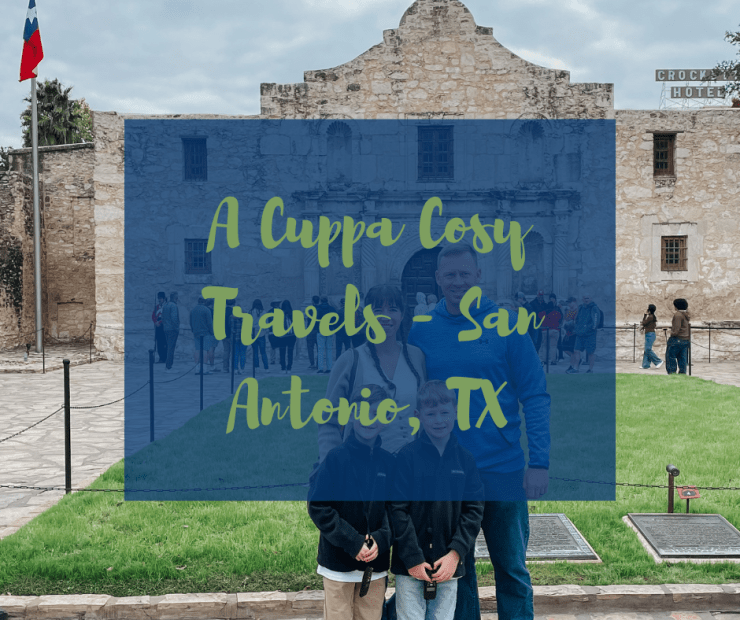
In December we did a holiday trip where we traveled to San Antonio, Corpus Christi, and Houston TX. Since we are currently living in the western part (very western part) of Texas, we figured we could head into the state to see some sights. We don’t plan on being back in the state, so we wanted to see some highlights (for us at least).
***I also want to note that we did a much slower trip this time, we didn’t cram a bunch in, and we didn’t see as much as we could have. However, this trip was exactly what we needed it to be.***
So, we started our trip in San Antonio, TX. San Antonio is a city that has so much history but feels incredibly modern. The main historical attraction (aside from the Missions), is The Alamo, which is located right tin the center of the city. You’ve got an incredibly preserved Mission, with hotels, restaurants, and stadiums right around it. I will say, this makes it harder to connect to the history and life at the time, especially for the kids. We enjoyed our time there and learned a lot, but it is something to note.
We started our time in San Antonio with the Alamo. If you don’t know the history of The Alamo, I’ll try and give a rough rundown, but you will definitely know the words “Remember the Alamo”. The Alamo was initially a religious outpost (a Mission) for the Spanish Empire. During this time, it was the Mission San Antonio de Valero dating back to 1724. In 1793 the Catholics relinquished the Mission to become a Pueblo. During this time there were larger regional threats and battles being fought. This led to the Pueblo becoming a defensive fortress in 1803 occupied by the Spanish Army. In the background of these local transitions, Mexico was trying to become independent, Texas was finding its’ own identity, and there was broader conflict with French Louisiana and America. All of this creates a violent, turbulent backdrop for the San Antonio (and broader) region.


Now on to the actual Battle of the Alamo in 1836. The Battle of the Alamo was a part of the Texas Revolution where Texas became free of Mexico, transformed into Texas (at the time a Self-Governing Republic). Prior to the battle Texas was under Mexican control and while Mexico struggled, all seemed well until 1833. Antonio Lopez de Santa Anna was elected President, and he was a…turbulent leader to say the least. He abolished the constitution (which gave way to a Civil War), changed immigrant laws, and the autonomy that Texas had to rule their own.
Now, San Antonio was important as it was located on the main roads leading into Texas for supply lines and communications. Who holds this spot, holds all the keys in essence.
The first battle of the Texas Revolution was actually the Battle of Gonzalez, which takes place in October 1835, when the Mexican Army was sent to recover a cannon. They were not successful in this task; in fact, the Mexican Army was very much outnumbered and retreated after being fired upon by the Texas Army. At this time, the Alamo and San Antonio is being held by the Mexican Army and they are taking refuge there (without said cannon).
The Texan Army decided to follow the Mexican Army on their retreat and met up with an army of Texan Volunteers (this is where James Bowie, David Crockett and co come into play) to lay siege to San Antonio. There were several skirmishes of the October and November month, all with a Texas Army victory. The Mexican Army was finally defeated, and the Texas Army took control of The Alamo. They immediately began to fortify the mission and the city.
Now the retreating Mexican Army soldiers met up with Santa Anna’s Army in February and they laid siege to the Alamo. Initially they tried to parlay, but after no progress, a full siege was laid and Santa Anna declared that “no quarter would be given” (so if they fell, they would all fall). While the Texas Army at The Alamo were incredibly outnumbered, they did not give up. They wrote letters and managed to bring in more men to fight for The Alamo. During the siege on March 2, 1836, Texas declared its independence from Mexico.
The actual Battle of the Alamo occurred shortly after that declaration on March 6 (the 13th day of the siege). The battle only lasted 90 minutes and there were no survivors. After the battle all of the bodies were burned.
The Texas Revolution ended April 22, 1836, after the Battle of San Jacinto and the famous “Remember the Alamo” battle cry.
So much for a brief overview of history, right?!
When visiting The Alamo, you have several options. You can go into it and just tour the grounds and mission. However, I would actually recommend doing the audio tour (bring plug in earbuds to avoid holding the thing up to your ear constantly). It gives a little more insight and history as you are walking through and allows you to get the information. There aren’t really any of the “this location” history signs in the grounds, so if you want to get the information, the audio tour is the way to go. We spent a little over half the day wandering through the grounds and museum (make sure when purchasing tickets, it includes the artifact museum).
While The Alamo was one of the main reasons we went to San Antonio, we did do a couple other things that I can share about.
First up (because I don’t have much to say on it), we hit up the Legoland Discovery Center. This is located in a massive mall that houses Legoland Center, a Sea Aquarium, and a ropes course. An easy relaxing day that would be great for the kids in your family. While we only did the Legoland Discovery Center, we did go take a look at the other options, and they were great as well. We spent half the day (no joke) at the Legoland Discovery Center. They have two rides, though one was down while we were there, a massive city center Lego build, a climbing/play place, a full creative space with different build and experiment options, and of course a Lego store. We all had so much fun exploring, building, and playing (and shopping). It was a great option for the kids to get a little break on the trip.


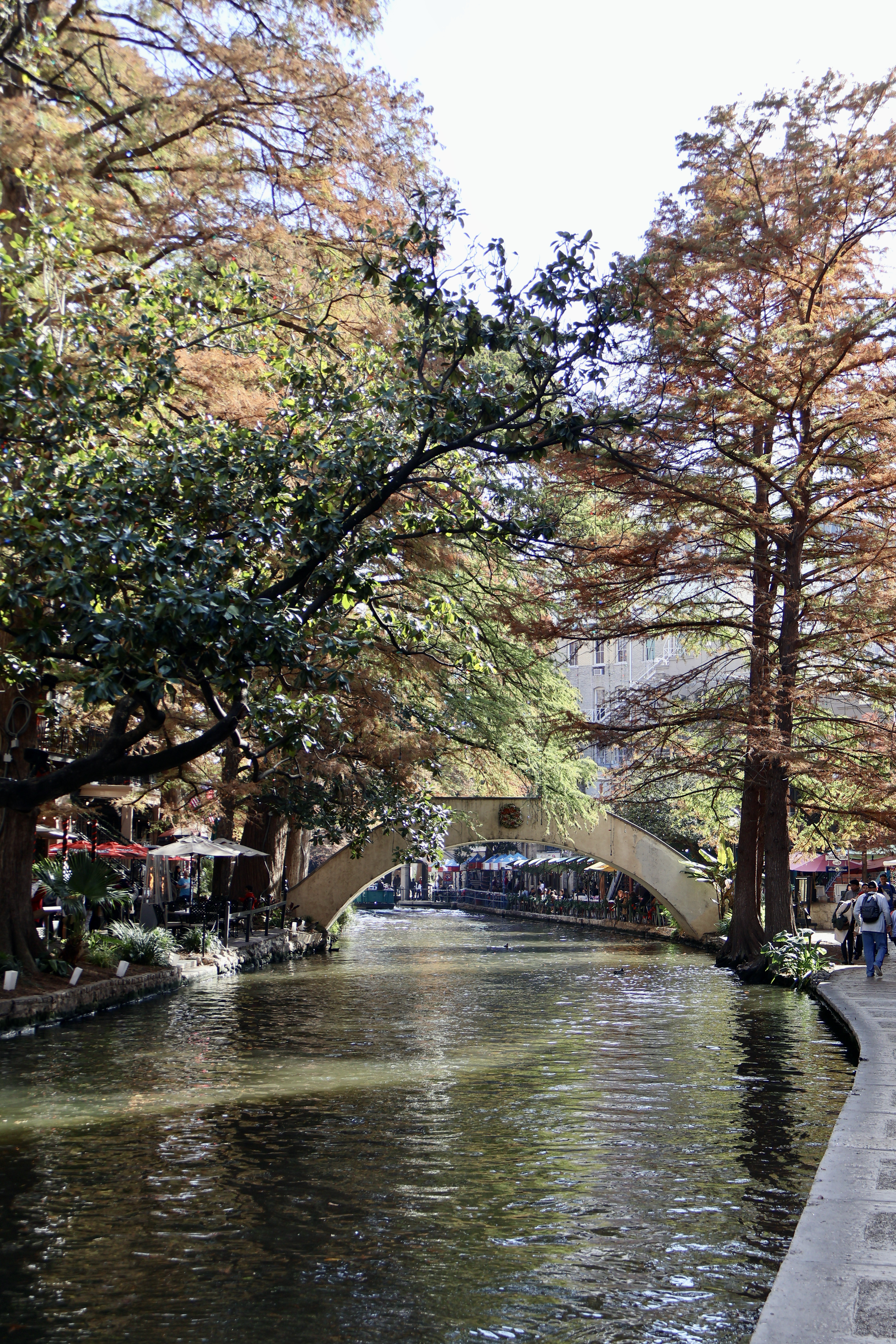
Secondly, we both walked along the riverwalk and went on a riverboat tour. When it comes to San Antonio, the River Walk is probably just as known as The Alamo. Both are top attractions; both are steeped in history. The first battle of the Texas Revolution was fought over the San Antonio River at the Mission Concepcion (2 miles South of Downtown San Antonio). Originally recorded in 1535 by Álvar Núñez Cabeza de Vaca. Originally named Yanaguana, it was renamed San Antonio de Padua by the first governor of Spanish Texas in honor of Saint Anthony’s Day. The river itself is home to 5 18th century Spanish Missions. The riverwalk now is known as one of the most popular tourists stops in San Antonio- featuring not only the walkway but lined with shops and restaurants. I highly recommend spending a half day just walking the river- preferably in the morning or midday for a bite to eat. Would not recommend heading there in the evening to late night hours as it is PACKED at dinnertime.
By walking along the River Walk you are able to see bits of San Antonio history- such as Rosita’s Bridge, La Villita (which is a small artists village), and use it as a jumping off point for other downtown attractions (like the churches and government buildings that are stunning).
Finally, we did visit several of the 18th Century Missions that are still standing and open for visiting. We didn’t get to go inside any of them as we left San Antonio on Christmas Eve and President Biden declared it a federal holiday (so everything was closed), but we did get to walk the grounds of several of them. We did consider stopping on our way back through, but it didn’t work out with our timeline. The Missions were initially created to recruit and convert the local Indigenous groups.
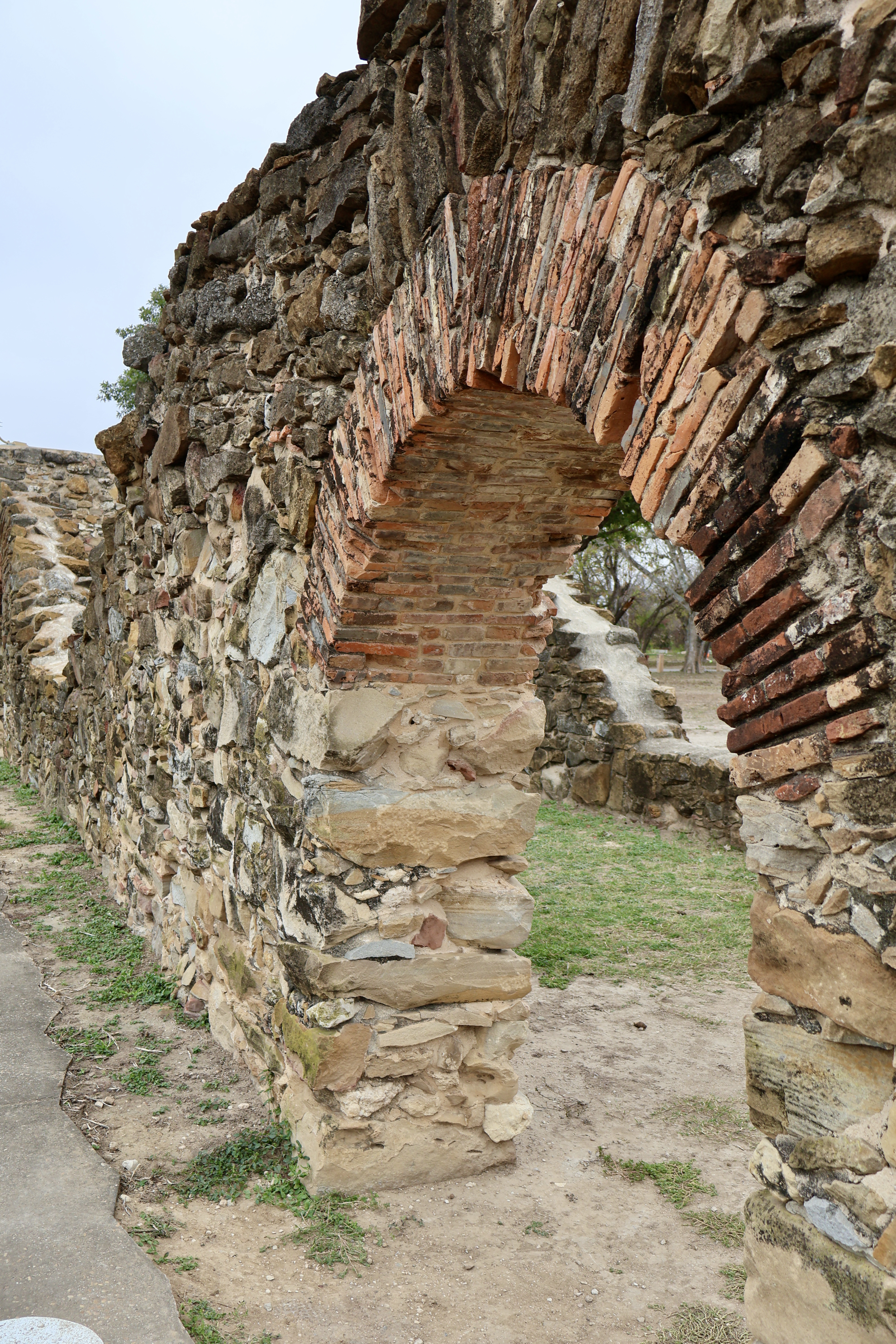
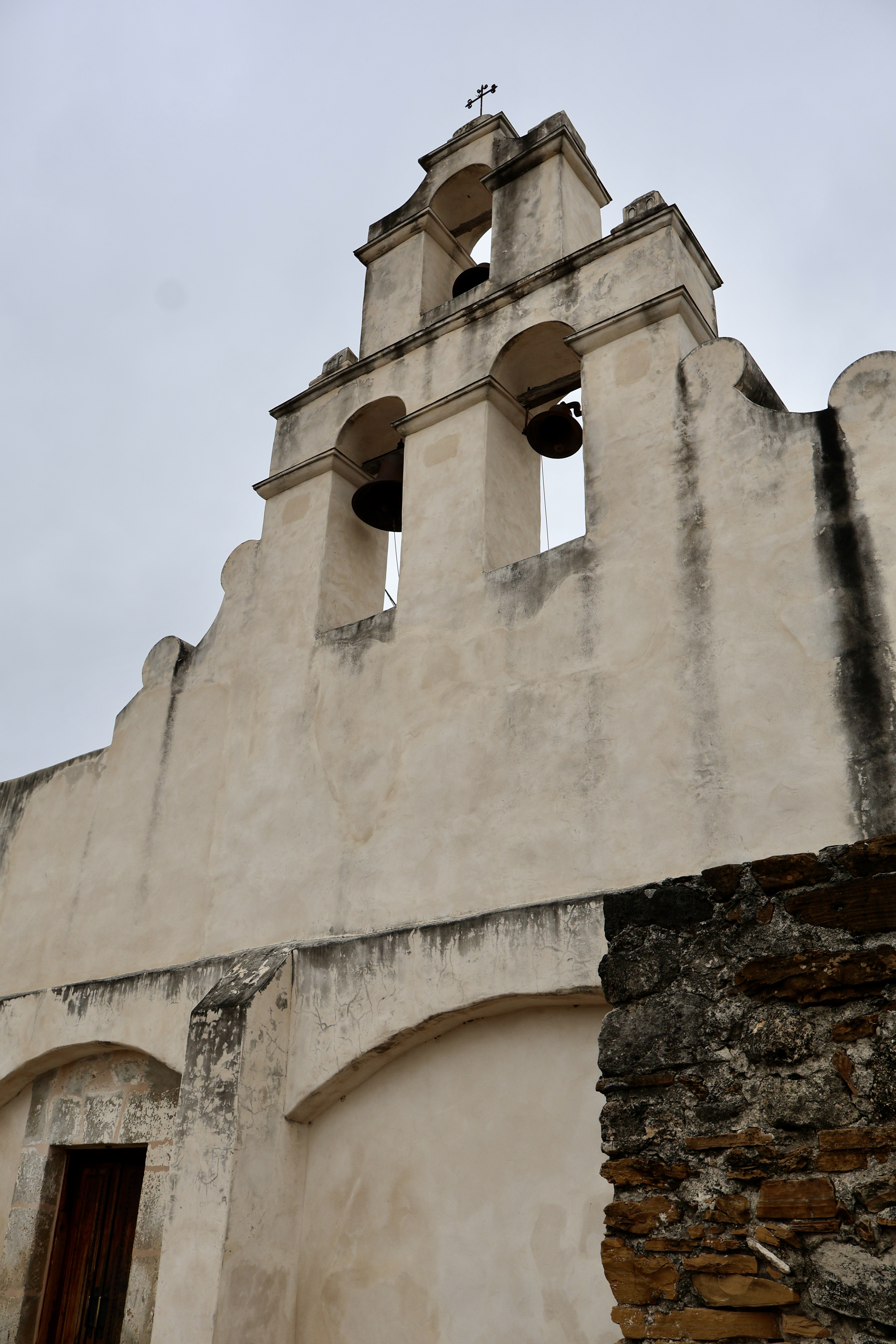


We walked the grounds of San Juan and Mission Espada, while mission San Jose is the larger one that was closed due to the holiday. Mission Espada (my personal favorite) was founded in 1690 as San Francisco de los Tejas in Weches, TX and it was the first mission in Texas. It was moved and renamed in 1731 becoming the mission we see today. Mission San Juan was originally founded in 1716 near Cushing, TX as Mission San Jose de los Nazonis and then relocated in 1731 and renamed as Mission San Juan Capistrano. It represents the most dramatic of the change as the mission that the Indigenous people undertook in their becoming citizens of Spain. At this mission in particular, you are able to walk a loop that takes you to the original stretch of the San Antonio River as well as see the historic farm fields (still in use) and the irrigation ditches. Mission San Jose is the largest of all the missions and the one that is restored, fully open and features guided Ranger walks and souvenirs. Mission San Jose was founded in 1720 and moved twice before the location we see it at today.
Beyond that, I have two food recommendations and that is breakfast at Voodoo Doughnuts and dinner at Iron Cactus. We loved both of these spots and would have gone back multiple times.
That wraps up our time in San Antonio! A short stop to hit the highlights and give some fun memories for the kids. Our next stop was Corpus Christi, but that was to visit family and we didn’t do many tourist-y things. I might write about it, but it’ll be a shorter post than this one.





































 A Cuppa Cosy