
There is a word derived from French, flaneur, and it means to stroll and observe; which is basically what we spent our second day in Paris doing. If our first day was spent dotting from here to there, hopping off and on public transport and staying on more of the Notre Dame side of things (read about it HERE), our second day was spent truly walking the streets of Paris. We utilized public transport twice, once heading in and then again heading back out. So, what did we do?
We started our day off at Hotel national des Invalides, or The National Residence of the Invalids. This building has several different facets, but it’s original use was as a military hospital and retirement home for war veterans. It also holds a large church with the tallest dome in Paris and the tombs of some very notable war heroes (we will break this down in a bit, but <cough, cough> Napoleon <cough, cough>).
The original project was commissioned by Louis XIV in the 17th century and it has some key history beyond just serving as a military hospital. During the French Revolution it was stormed by rioters and used against the Bastille, it also served as an important spot in the degradation, and then rehabilitation, of Captain Alfred Dreyfus (which I am just now learning about?!), and holds the sarcophagus of Napoleon Bonaparte. Of course, Napoleon is not the only Frenchmen interred in the dome, there is an exhaustive list of tombs, vaults, and hearts that are in Les Invalides.

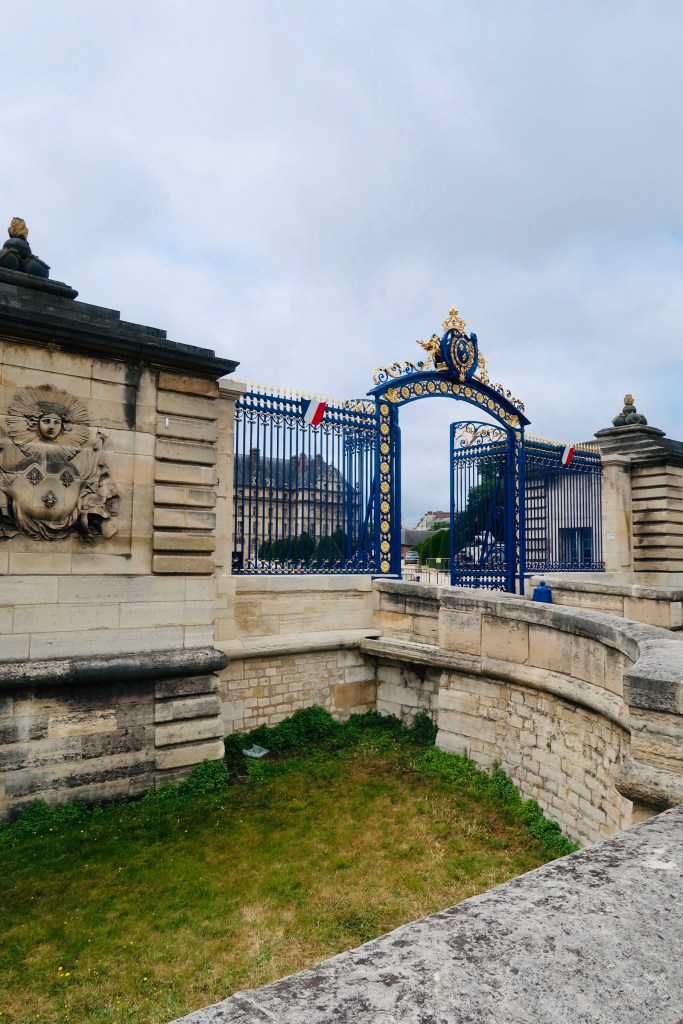
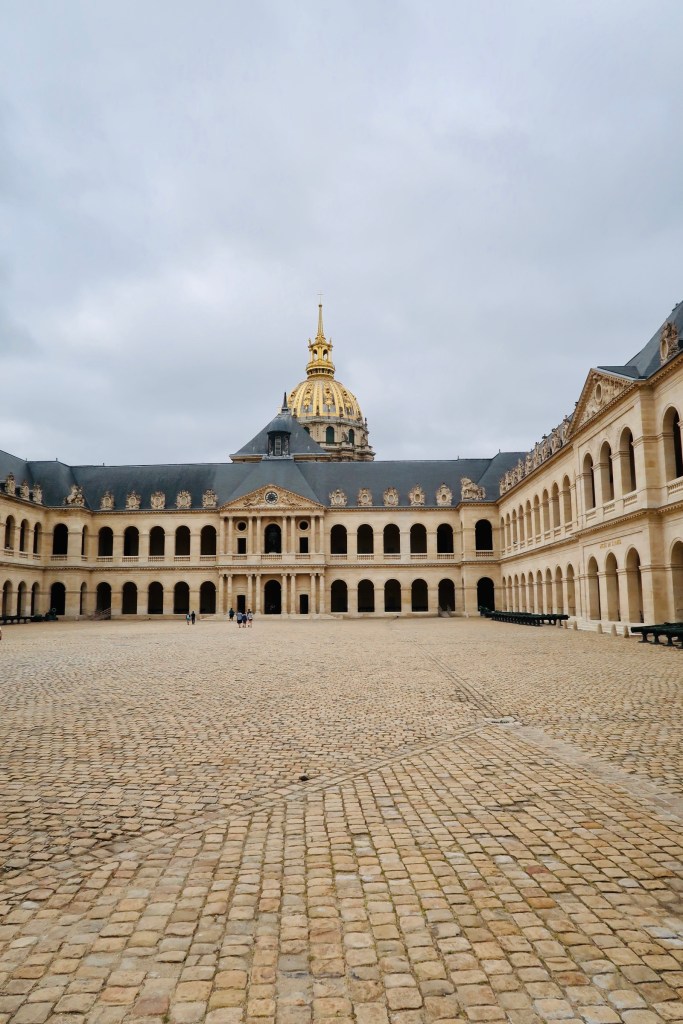
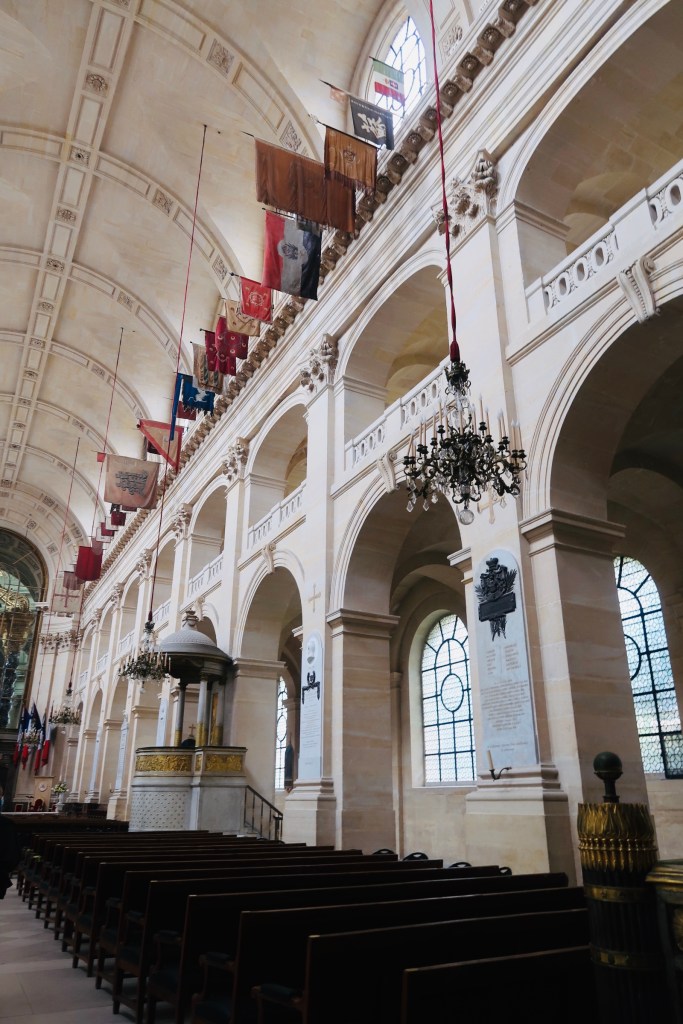
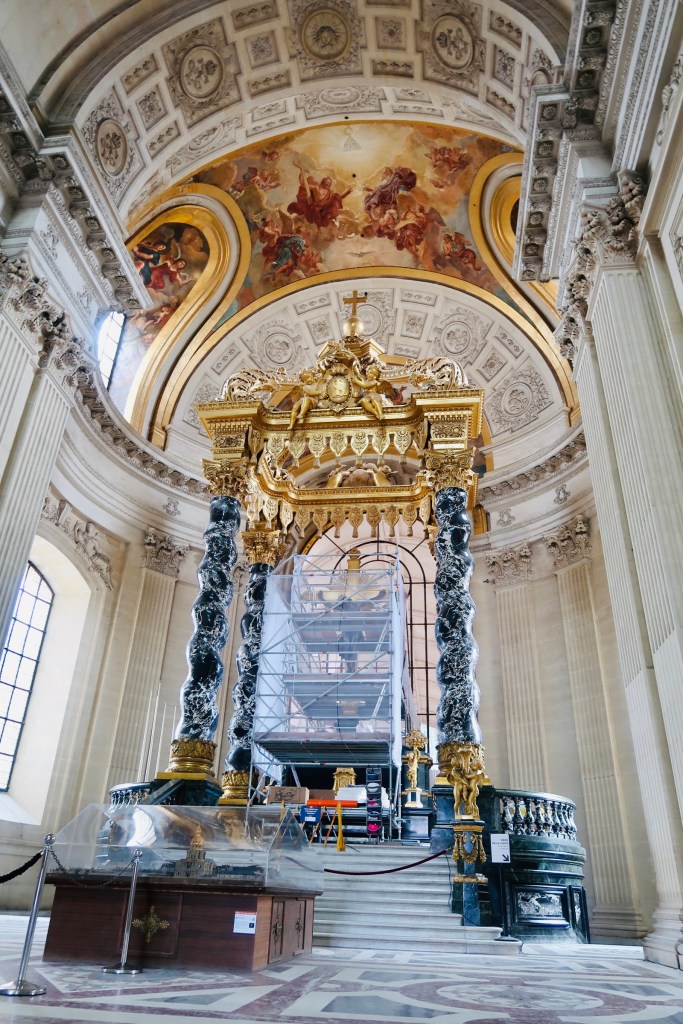
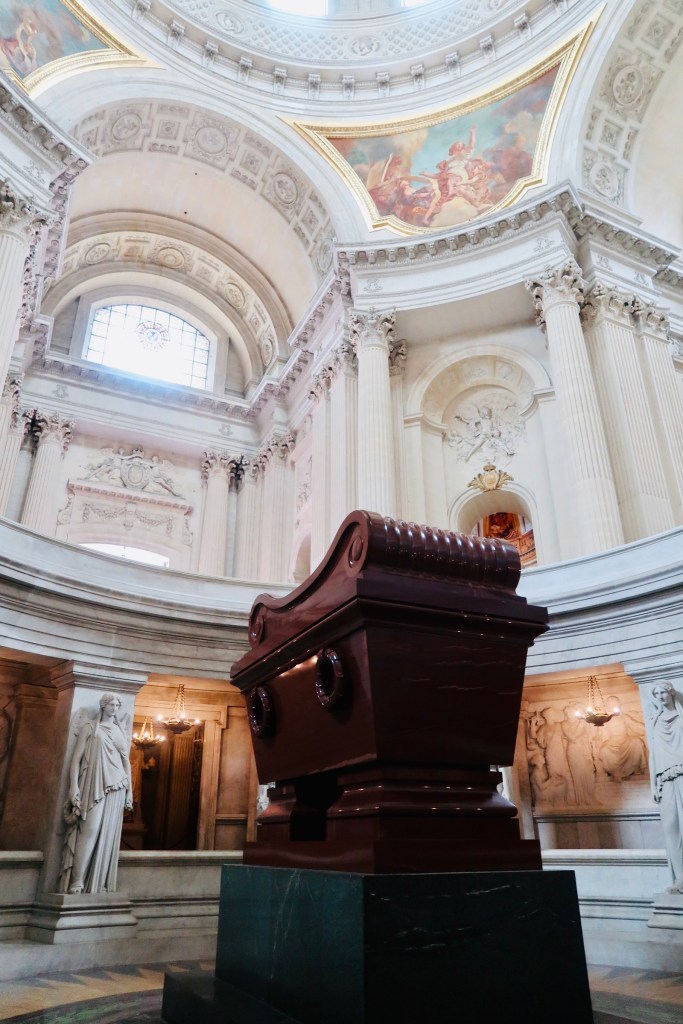
These days the property not only serves as a facility for veterans (it still holds a medical and rehabilitation center), but it also serves as a museum center with museums detailing war history as well as an archive center for the 20th century archives. The complex is massive, and we spent a few hours walking through all of the sections. The amount of compiled information just in the museum portion is a lot and spans not just French history, but quite a few other countries as well. They’ve got a lot of little models of battlefields and battles that our boys enjoyed. The church and dome are also quite grand and incredible in their own ways and of course, the tomb of Napoleon is front and center.
From the Hotel des Invalides we walked over to the Eiffel Tower. We chose to simply walk as the distance is not that far and it’s an easy route (you just keep the tower in your sights…). It was actually a really nice walk that allowed us to see a bit more of the Paris architecture (that is different from the countryside in my opinion).
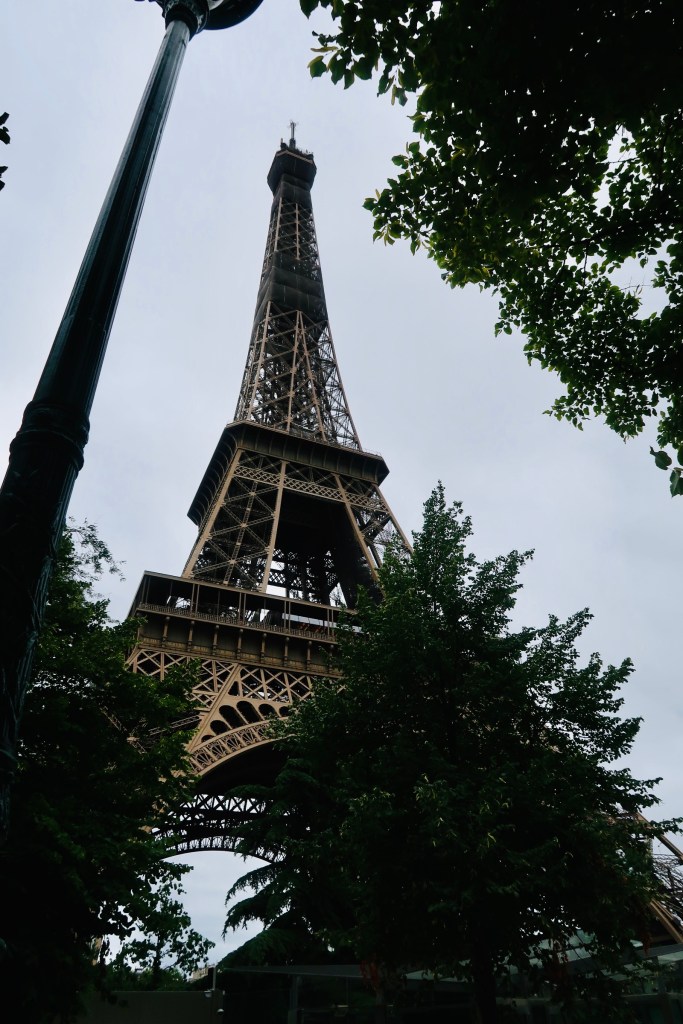

So, the Eiffel Tower. Constructed in the late 19th century for the 1889 World’s Fair, it “towers” over Paris at 324 meters tall. I feel like it should be noted that this particular World’s Fair was held to celebrate the centennial of the French Revolution. As with the Louvre Pyramid, there were objectors on several fronts (although the Eiffel Tower massively predates the Louvre Pyramid- HERE). The two popular counter arguments to the Tower were those who objected on aesthetic grounds and those that did not believe that such a tower could be constructed. Gustave Eiffel fought back, had powerful people behind him, and so the tower went ahead. The tower has a storied history, but survived both World Wars (narrowly in the second as Hitler did order it to be destroyed) and still stands today. There are three platforms with the third being at the very top. We were not able to go up to the third due to Coronavirus, and ended up choosing not to participate in going in the Eiffel Tower at all. Instead, we walked “under” (really beside it), across the Pont D’lena bridge and over to the Trocardie Gardens for a view of the full tower. We didn’t linger to long, partly because you can see the Eiffel Tower from any viewpoint on this side of the city of Paris, choosing instead to head over to our next stop of the day.
From the Eiffel Tower we walked along towards the Arc de Triomphe. The route that we ended up walking allowed us to see a bit more of the “white collar” business side of Paris (I say white collar very lightly) as well as a part of their embassy section. It wasn’t a bad walk and before long we were right at the Arc.
Commissioned by Napoleon towards the beginning of the 19th century, the Arc de Triomphe is a tribute to the armies of the Revolution and the French Empire. Napoleon really liked Roman antiquity (and you see this theme in quite a few of the buildings he commissioned) so there are a lot of similarities between this arc and those in the Roman Forum. It was placed in a central point of the city, with the Emperors residence at one end of the walkway (now the Avenue des Champs-Elysees) and became a central point for numerous roads leaving from the arc (did that make any sense?). Construction on the Arc was quite start and stop, however once completed it became a rallying spot for the French Army and is home to several large military parades and demonstrations. In 1920 the Tomb of the Unknown Soldier was interred beneath the Arc and the first eternal flame in Western/Eastern Europe since the Vestal Virgins was lit. There are a lot of architectural details and war history carved into the Arc and you are able to go to the top of the Arc and see the expanse of Paris. We declined to do so, but wandered around the base reading the names and paying our respects to their tomb.
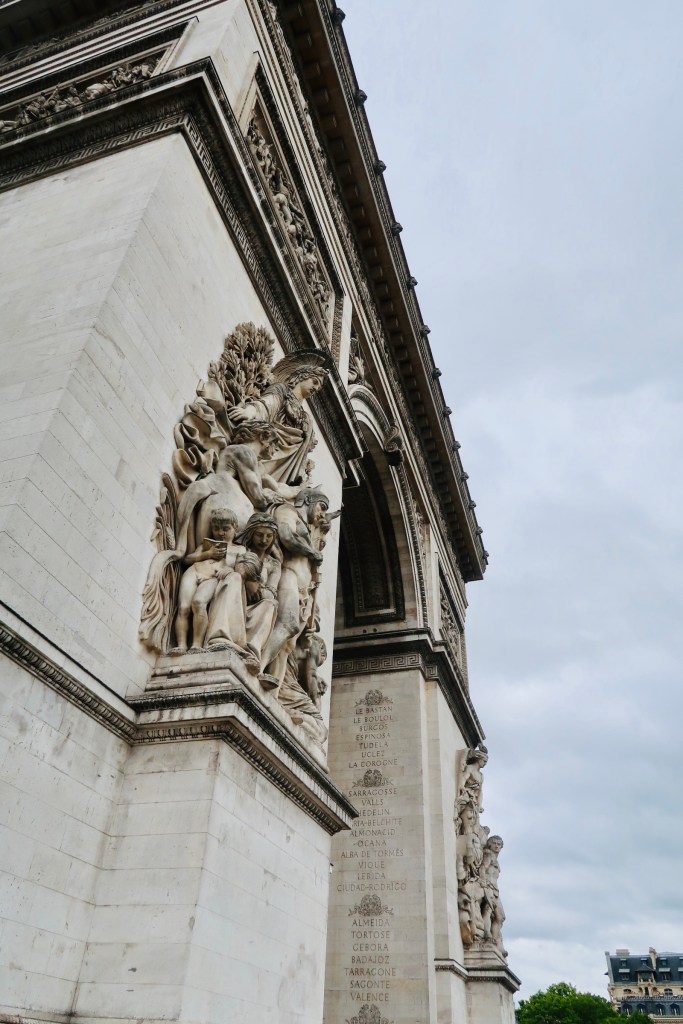
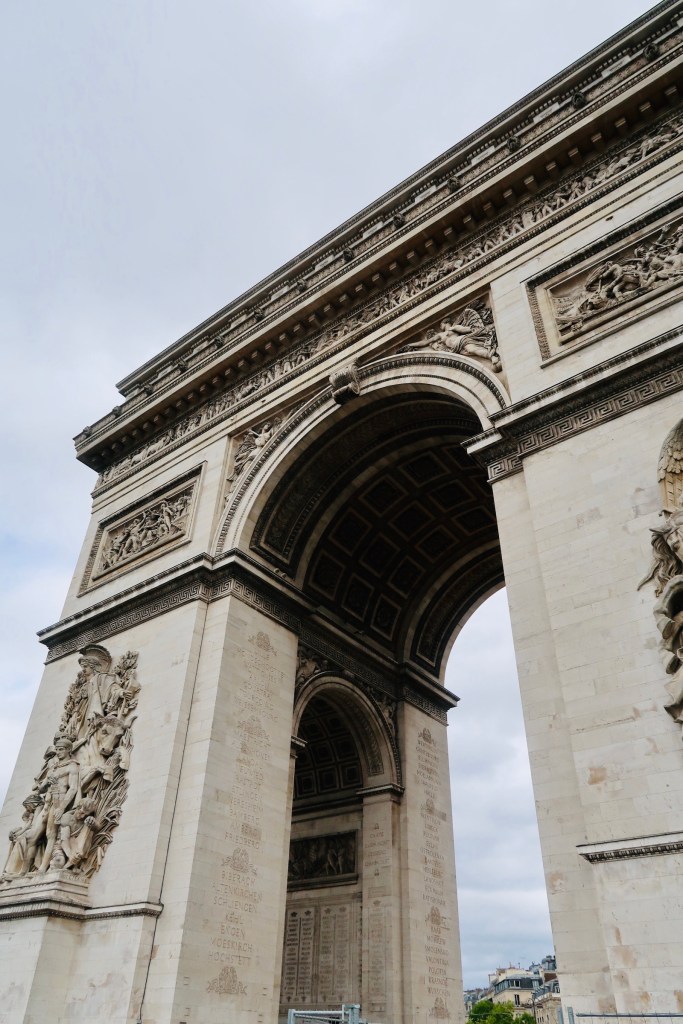
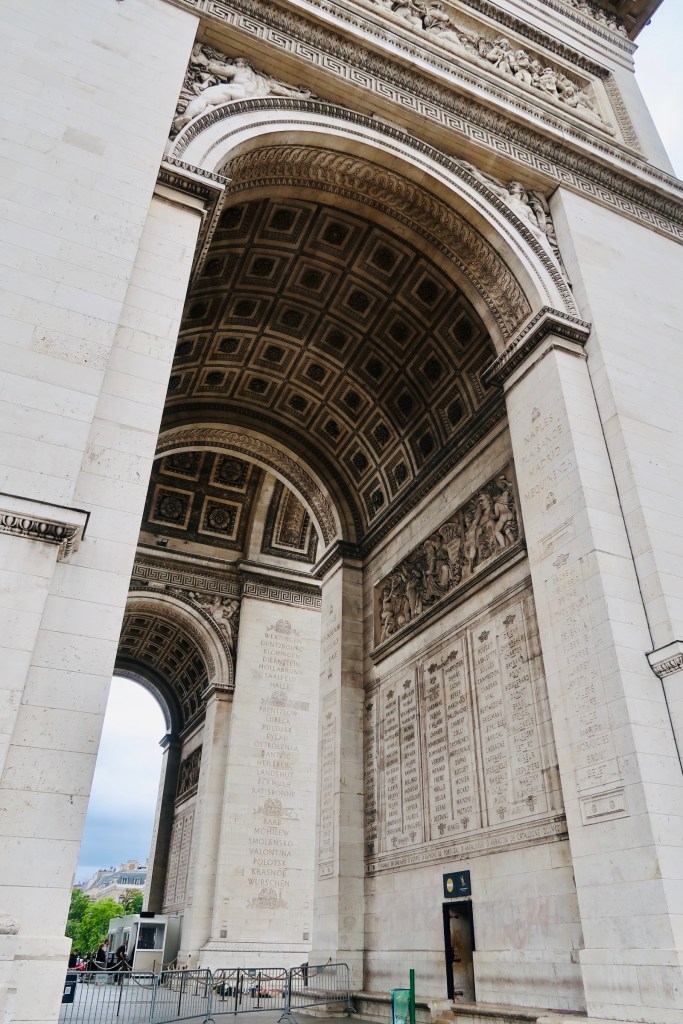
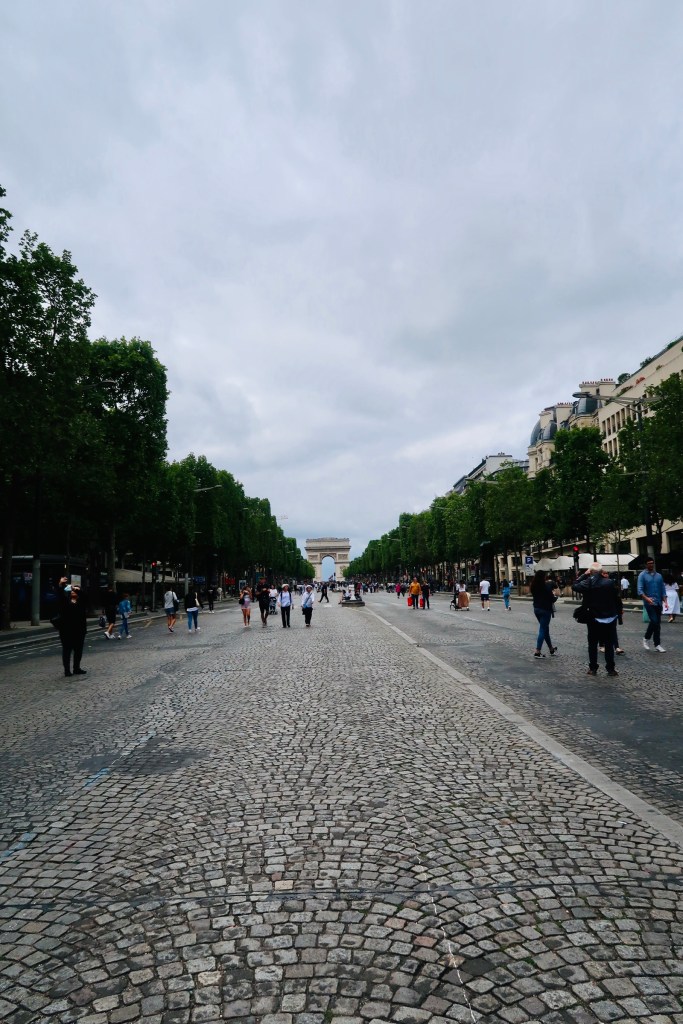
From there we wandered down the Avenue des Champs-Elysees which was open to foot traffic (not vehicular). The Champs-Elysees is an avenue that runs from the public square of the Place de la Concorde to the Arc de Triomphe. It is home to luxury stores and boutiques as well as military parades and other major events. Originally called the Grand Promenade it was originally an extension of the Tuileries Garden and the Tuileries Palace. It quickly was extended (several times) and then became home to townhouses of the nobility before finally, much much later in history (not entirely- right around the 1860’s) settling to the shopping center it has become. The avenue is not only famous for its shopping, but also for its military parades. The Germans had two victory parades, but the most joyous were of the parades of the French and American forces after liberating the city. While we didn’t do any magical, high end shopping, we did stop for dinner on the avenue and treated ourselves to a nice little feast before continuing on.
We wandered over towards the Grand and Petite Palais on Winston Churchill Avenue. The Grand Palais is an exhibition hall and museum dating back to the late 19th century. It is dedicated and intended for the arts and showcased objects innovation and modern technology (think planes, automobiles, household goods). During World War 1 it was used as a war hospital and during World War 2 it was used (by the Germans) as a truck depot and propaganda center. The Petit Palais is directly across the avenue and is an art museum and dates back to the 1900 World’s Fair.
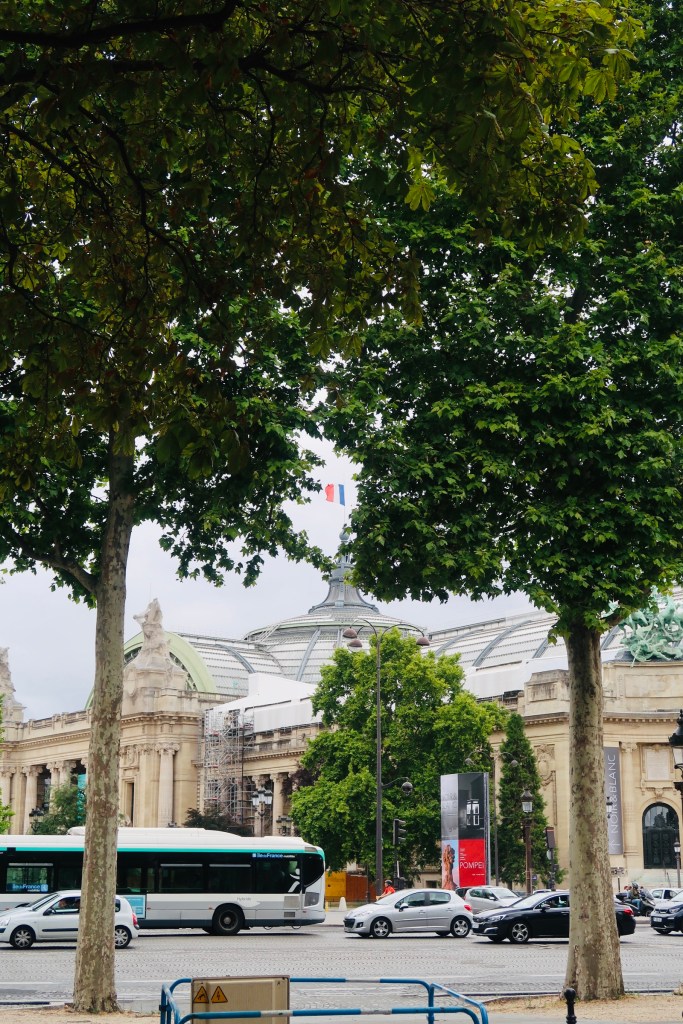
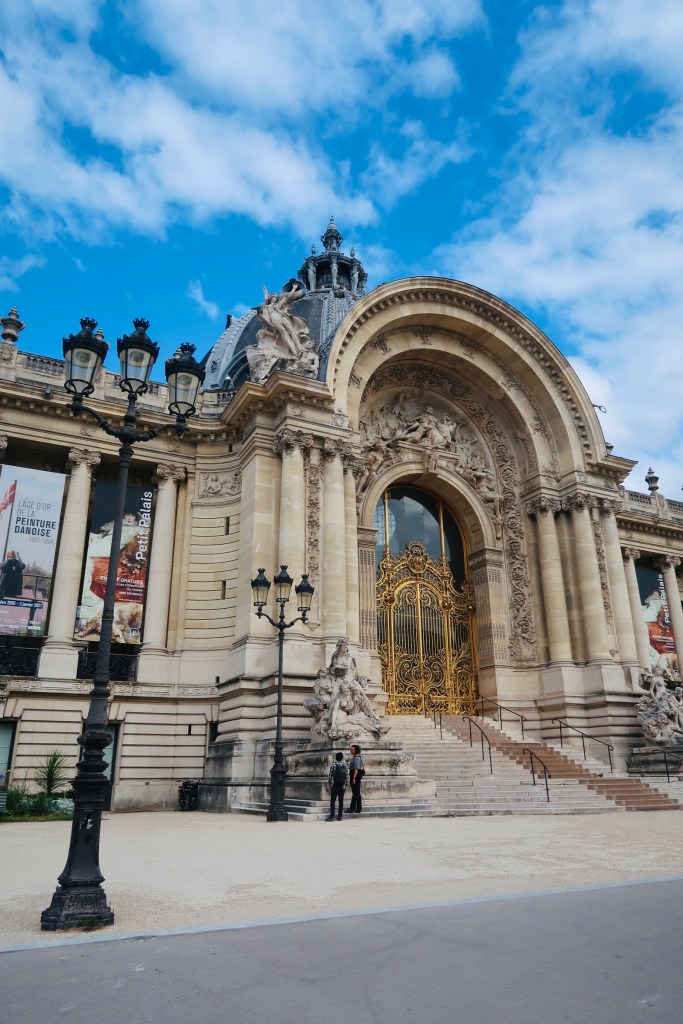
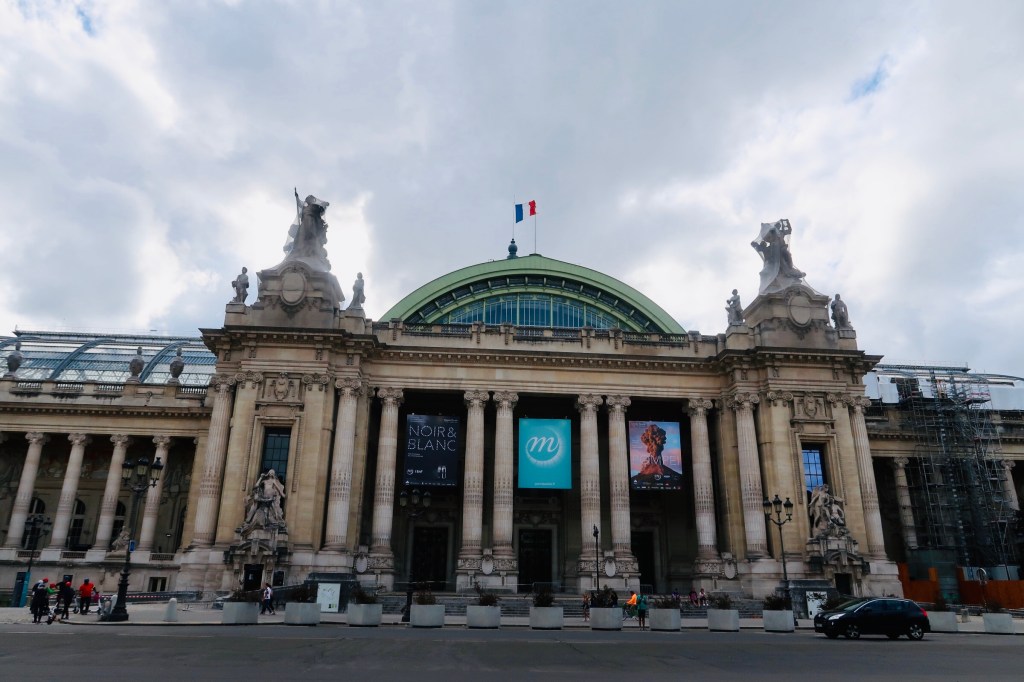
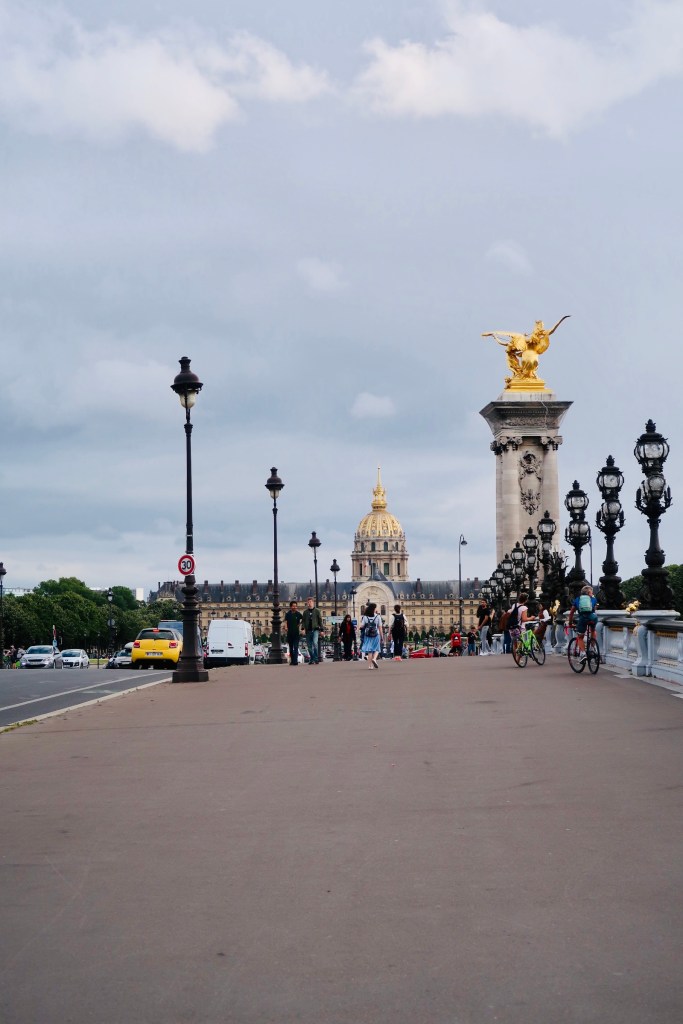
From there we walked across Pont Alexander III Bridge, which was built to connect the Champs-Elysees with the Hotel des Invalides and Eiffel Tower. Named after the Tsar Alexander III it was commissioned and built in the late 19th century. It is the most ornate and extravagant bridge in the city and boasts incredible views- from one side the Grand Palais, the other the Hotel des Invalides and out towards the water you see the Eiffel Tower.
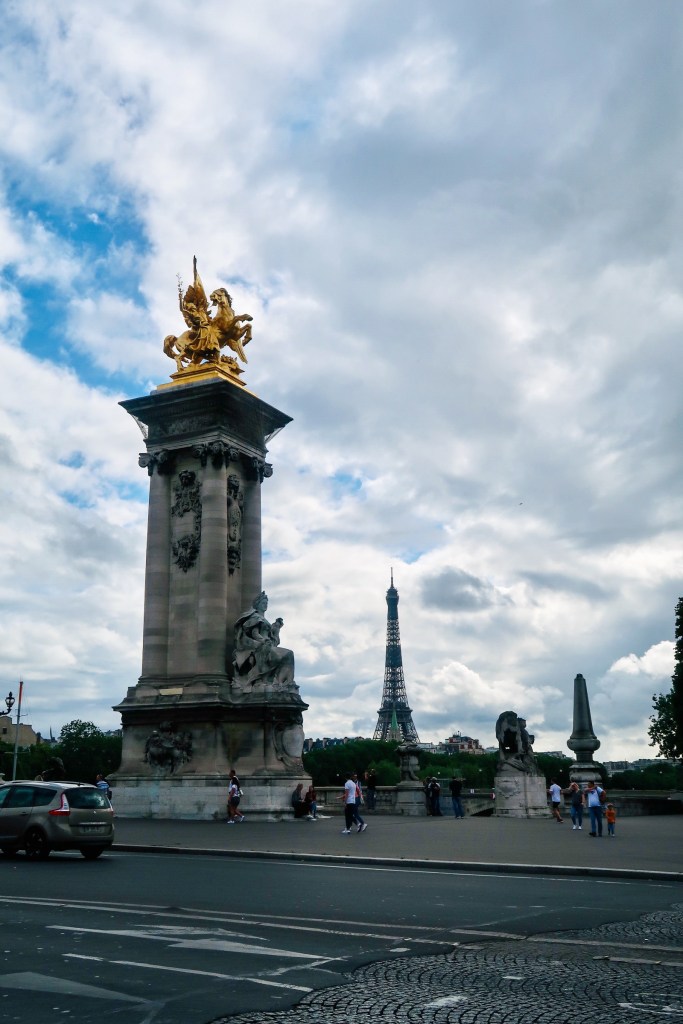

And that concludes our time in Paris!

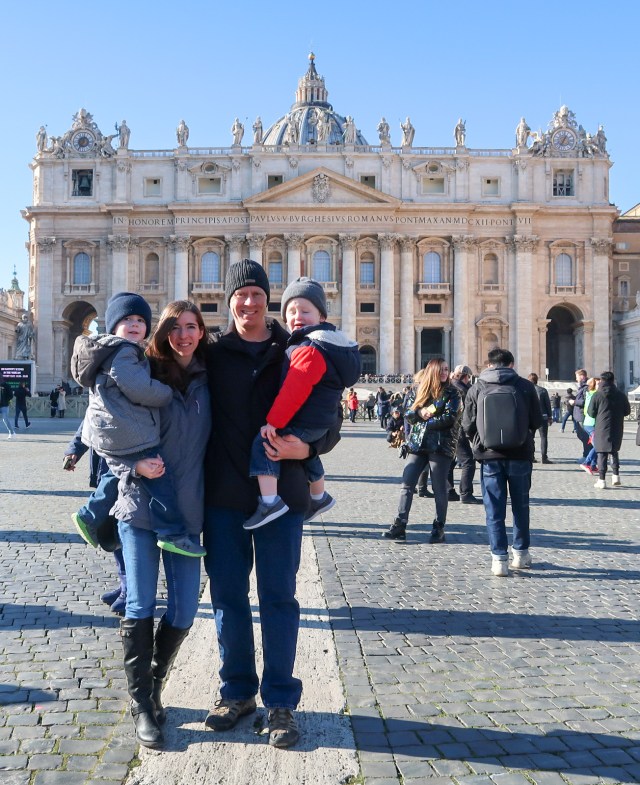
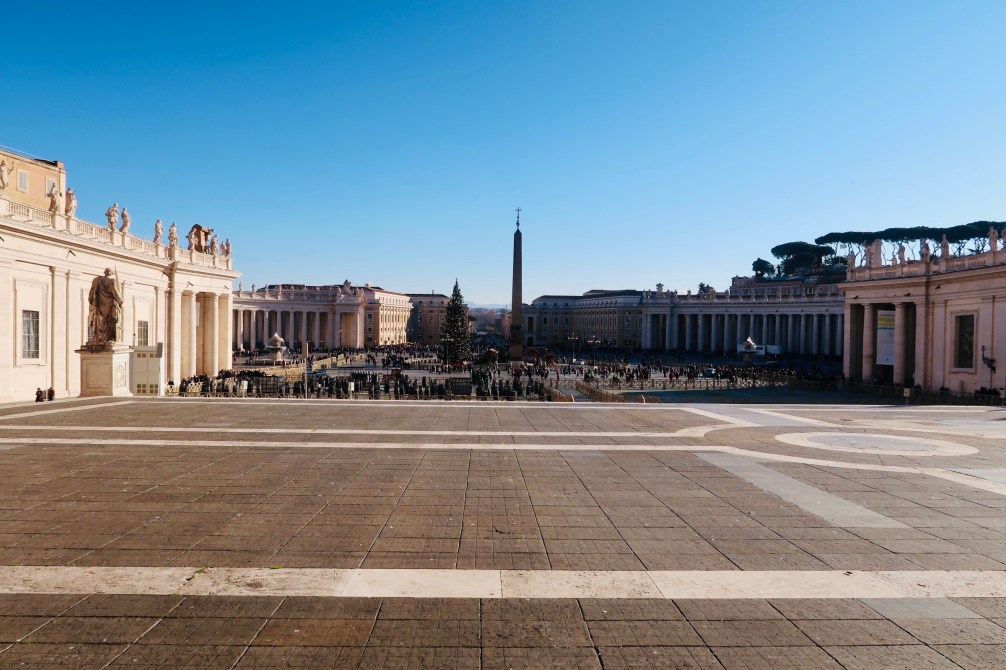
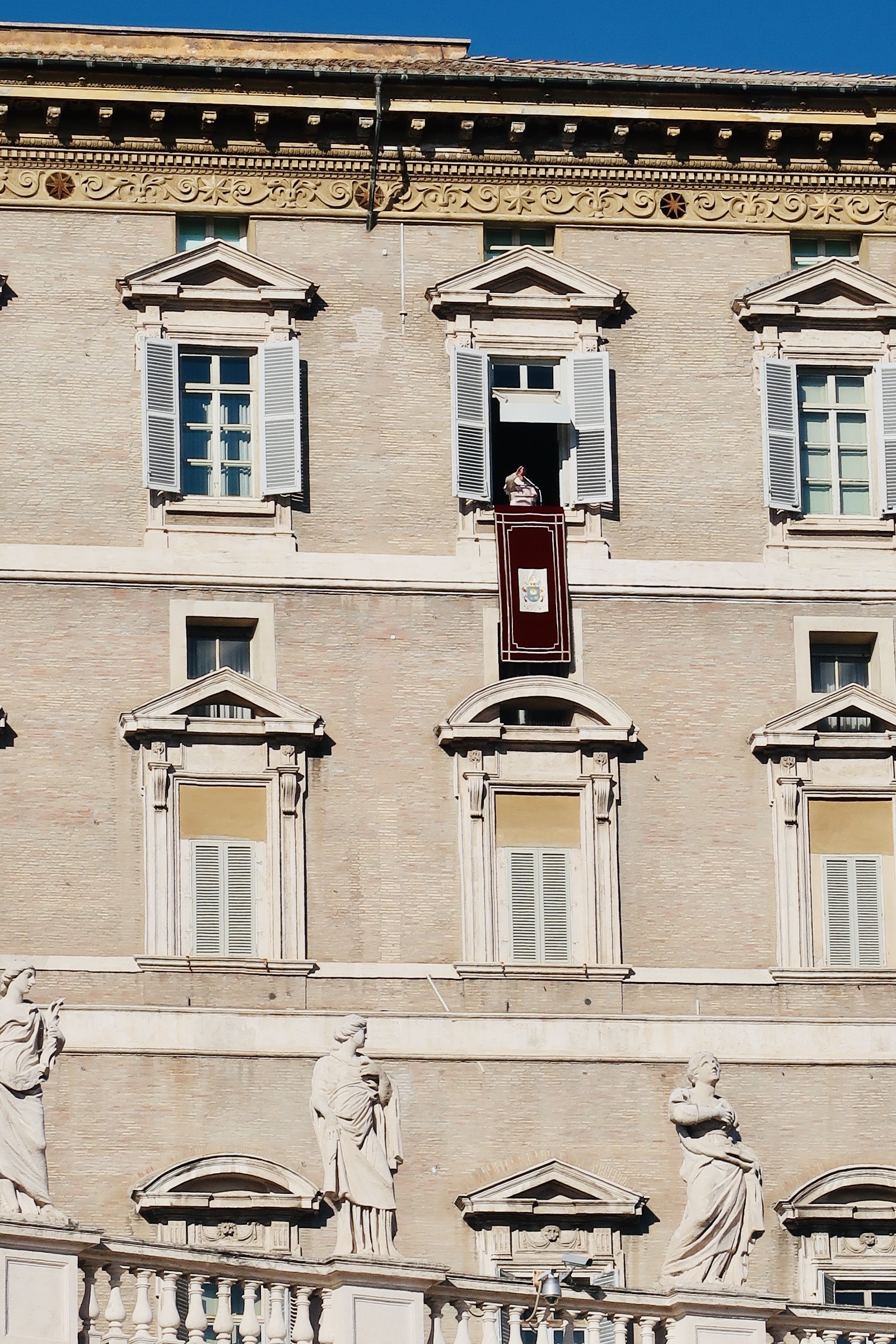 Now, the prayer is actually the Angelus and he will also give a reflection on the Gospel of the day, and on the day that we were there, some additional commentary. Here’s a secret, you can go to this most Sunday’s at noon and participate in this very special moment. I have included a link to the commentary that he gave on New Year’s Day (


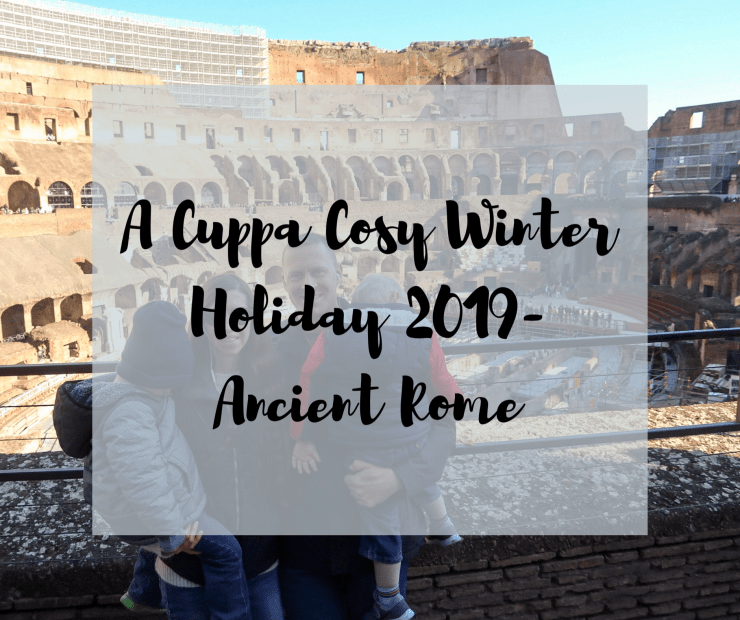
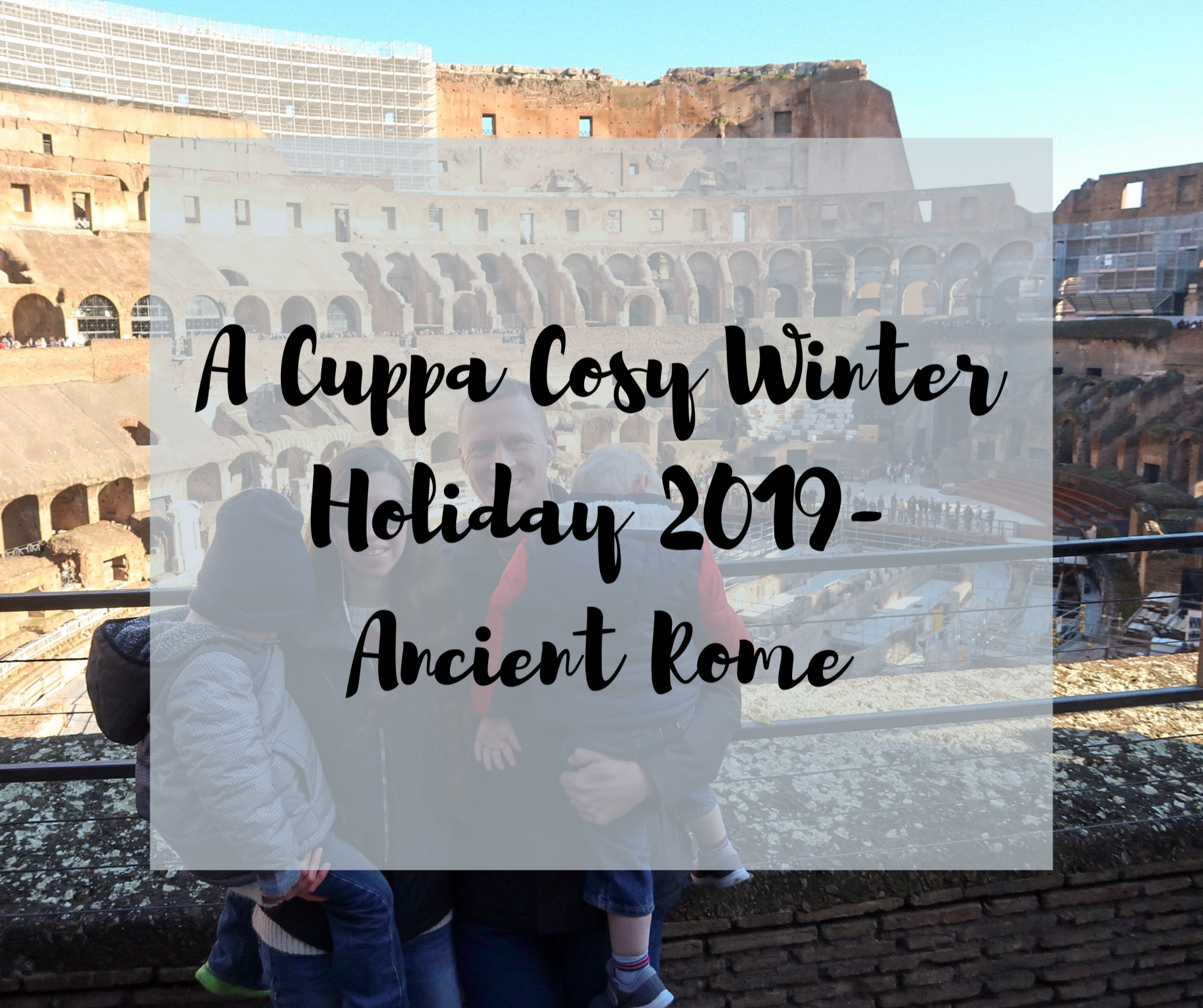


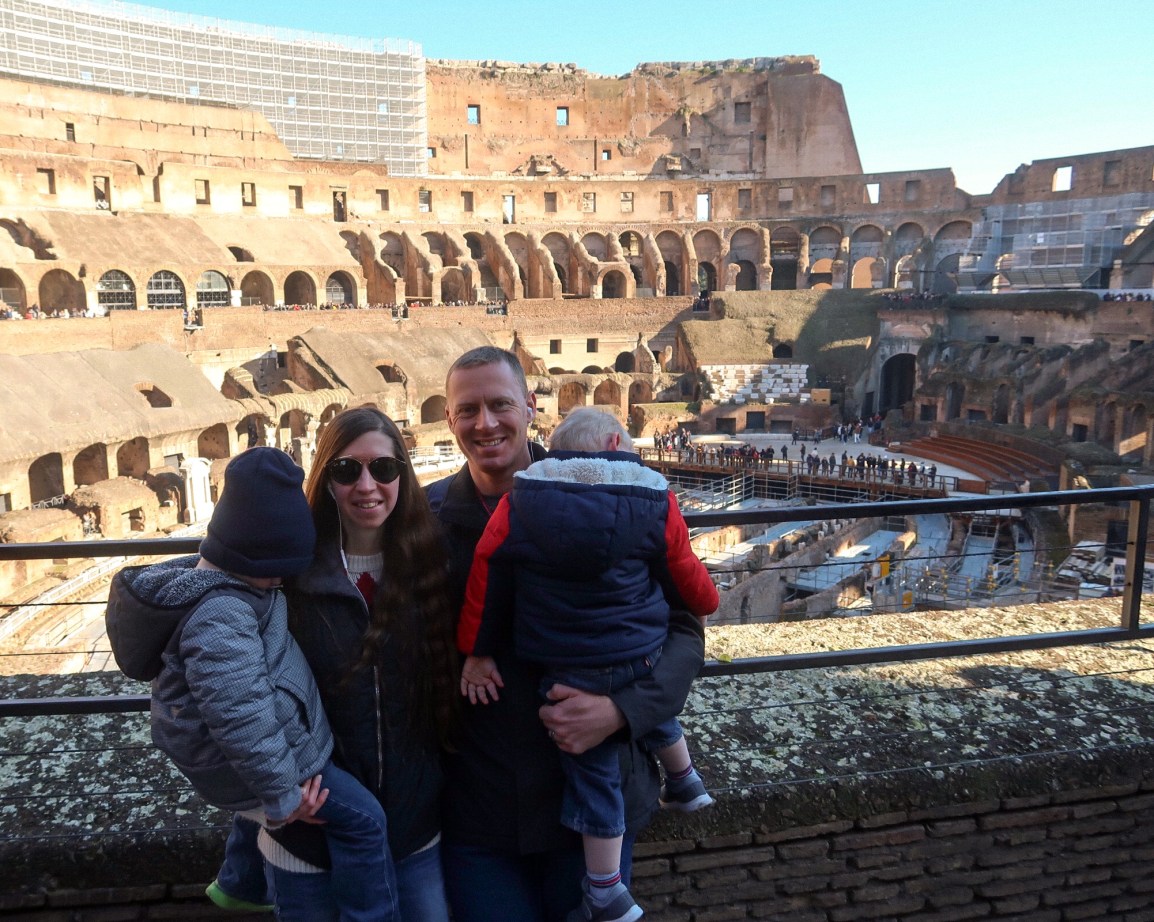
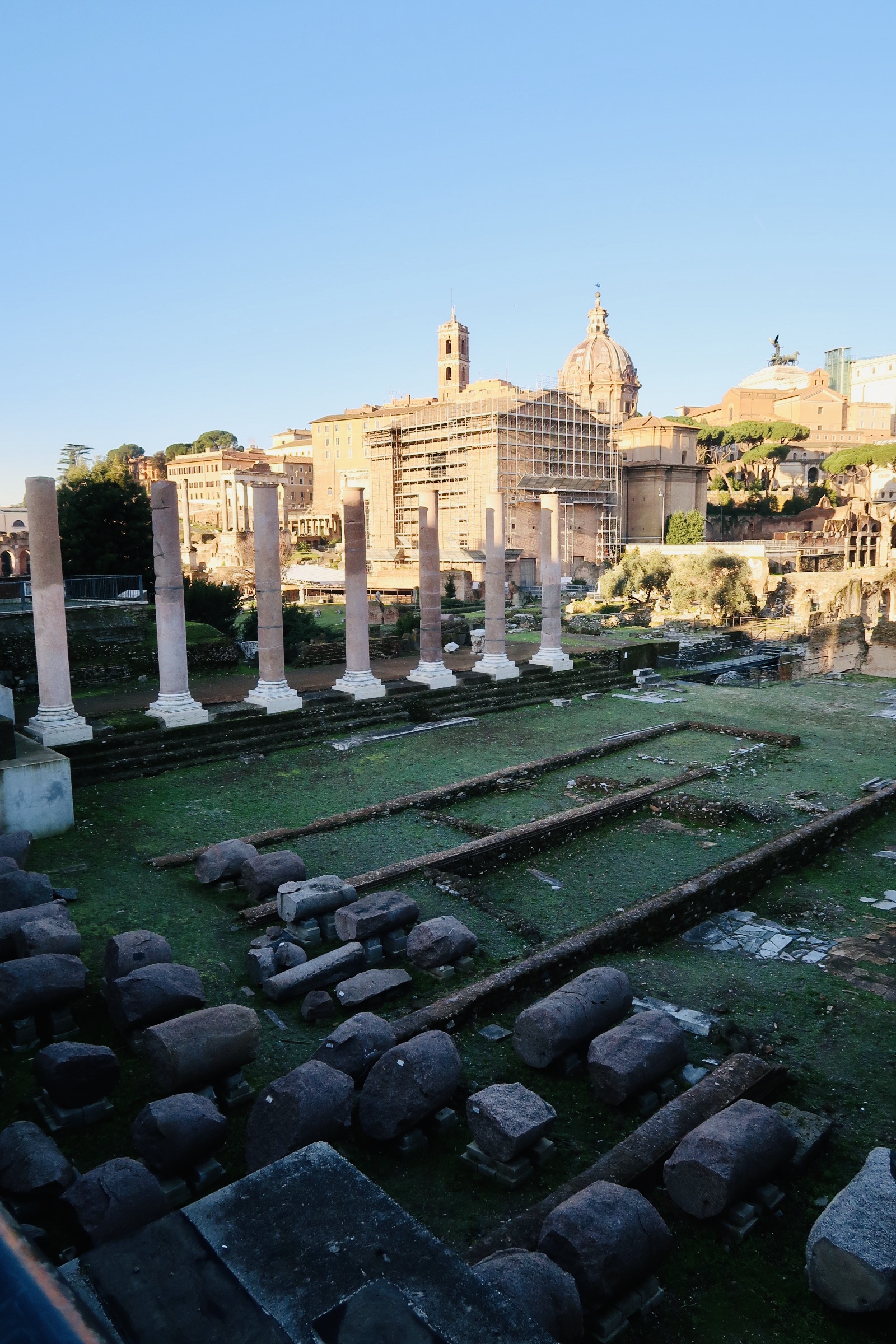 So, our tour started at the entrance of the Roman Forum. The Roman Forum was the heart of Ancient Rome, the heart of the empire, and the starting point of so much of our Western Culture/Civilization. Before I get too much into the history, let me start by saying how absolutely incredible, breathtaking, overwhelming it was to be walking these Ancient Streets. It is an experience that I am never going to forget. My history loving heart was just exploding with happiness, but it was also a bit overwhelming at times to think of just how old, how ancient these places are. It’s hard to wrap your mind around while you are standing there in the moment. To give an idea to this, many historians believe that people first starting meeting in the forum around 500 B.C., even though the “city” wasn’t founded until 753 B.B. (by Romulus and Remus). The Forum has served many uses under many rulers, from a marketplace, to a religious spot full of temples, to a circus/gladiator ring (pre-Colosseum) to a public affairs location where soldiers would march the streets after their victories. In fact, there are a few arches within the forum that were made in honor of the rulers’ military victories. When the Roman Empire started to decline, the Roman Forum went along with it and during the Middle Ages it was completely destroyed to make room for farms and animals to graze. In the very early 1800’s excavations began to uncover the Forum and are even continuing on today (the most recent excavations were “completed” about 5 years ago, I think?). Fun fact/super neat fact: Every time something would get ruined (due to the fact that the Forum was actually located in a swamp/flood area), the Romans would just build over it. So, there are actually several different “eras” to the forum.






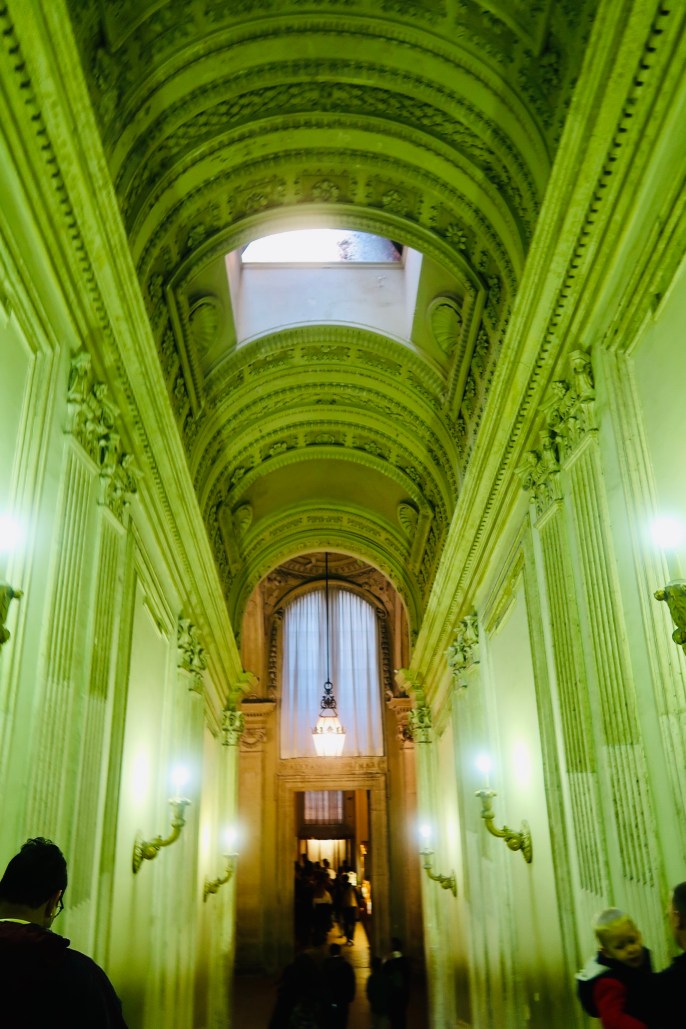 I have no pictures of the Sistine Chapel. First off, you are not allowed to take pictures in the chapel. Second, I don’t know that I would have wanted to take pictures even if you could. The Sistine Chapel is something that simply needs to be experienced, something that should just be taken in, without prior knowledge or warning. It is a spot to sit in silence and just revel at the beauty that is around you. It is truly incredible the amount of work, the paintings, the level of detail. Our tour guide, Federica, did a great job at pointing out a couple of spots for us to pay attention to when we did walk through. A couple of spots of note were the spots where Michelangelo inserted his…”opinion” on the commission. It is well known that Michelangelo had no interest in painting the fresco’s, he worked with marble, created statues- he hadn’t painted fresco’s in many many years. This “petty attitude” towards the Pope that he developed came through in some areas of the large painting (specifically where a little child is “flipping the pope off”). He also managed to apply this attitude to those who had…less than desirable opinions on the artwork (there is a Cardinal that is in a…precarious position in The Last Judgement).


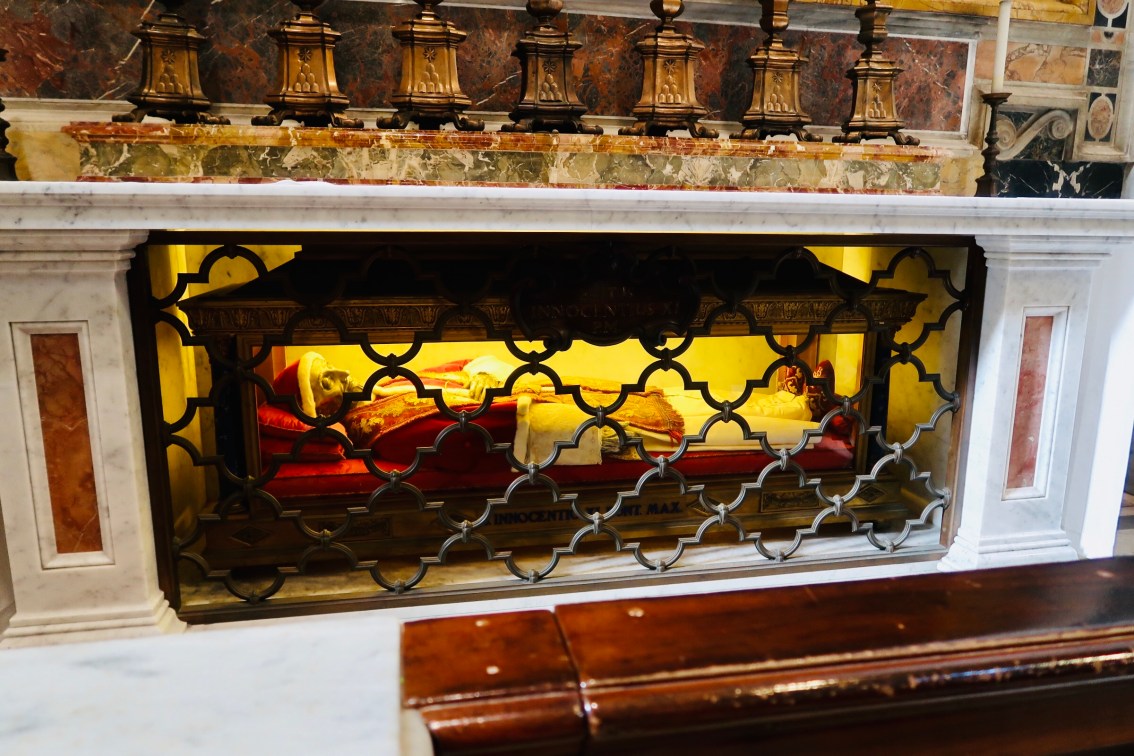


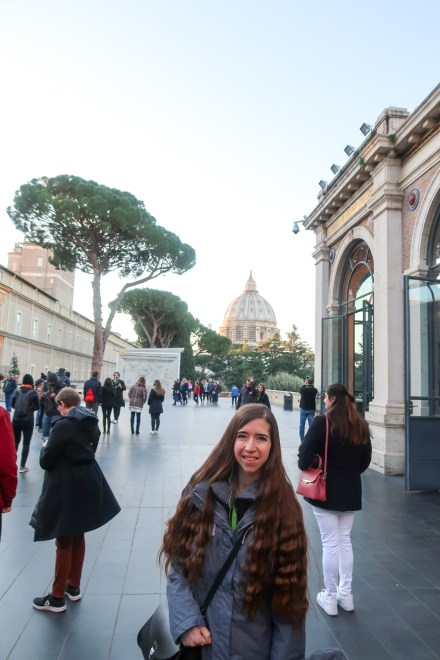 The Vatican was one of the most incredible parts of our visit and something that I am going to remember for the rest of my life. To stand in this most sacred spot for so many is something that words cannot describe and then you bring it’s long (and rich) history…it’s a lot. A lot of feelings. It is definitely a spot that you HAVE to go to if you are in Rome and a spot that I think is best done as part of a tour group (the line to get in without a pre-planned tour ticket was INSANE…heck the line to simply get into St. Peter’s Basilica without the tour was INSANE too). Through Eternity exceeded all of our expectations and we will definitely use them in the future if we are ever in need.









 We then headed over to the White Tower, which is an internal tower within the gates and holds a lot of exhibits detailing the fighting and knighthood of the time. There were exhibits on the different King’s and their metal wear, the horse sizes as well as war tactics, and defense strategies.


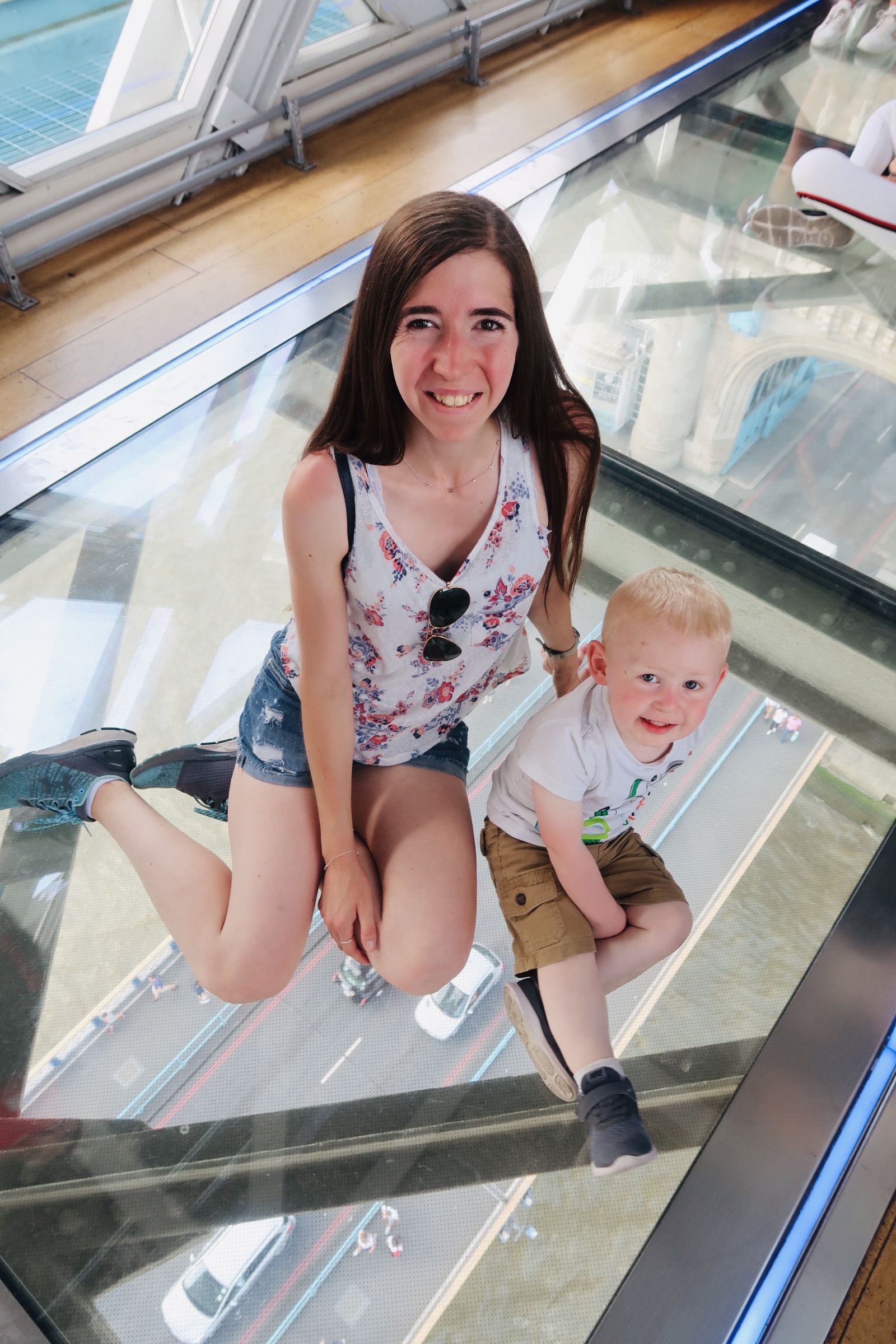 I will say, as someone who is terrified of heights, this wasn’t that bad. It didn’t freak me out near as much as it probably should have or could have. Andrew absolutely loved running across the clear portion (he loves those things) while Colton was a little bit more apprehensive about the whole thing. You can look at the sides and see a really dramatic view of London and the Thames, which was just beautiful.


 That one thing was getting a tour of Shakespeare’s Globe Theatre and let me tell you, it was entirely worth it. I love Shakespeare’s works and while this isn’t the original (or even the second, this is the third rendition), the impact was still the same. It was breathtaking to walk along what was the best recreation they could do and what was even better was they were having an active rehearsal while we were there and the show that the stage was set for was a personal favorite of mine, A Midsummer Nights Dream! We were very lucky to even be able to take pictures inside the theatre as that is typically not allowed while there is a rehearsal. It just added to the entire experience and I just feel so blessed to have been able to do that. It was just so cool.


 A Cuppa Cosy