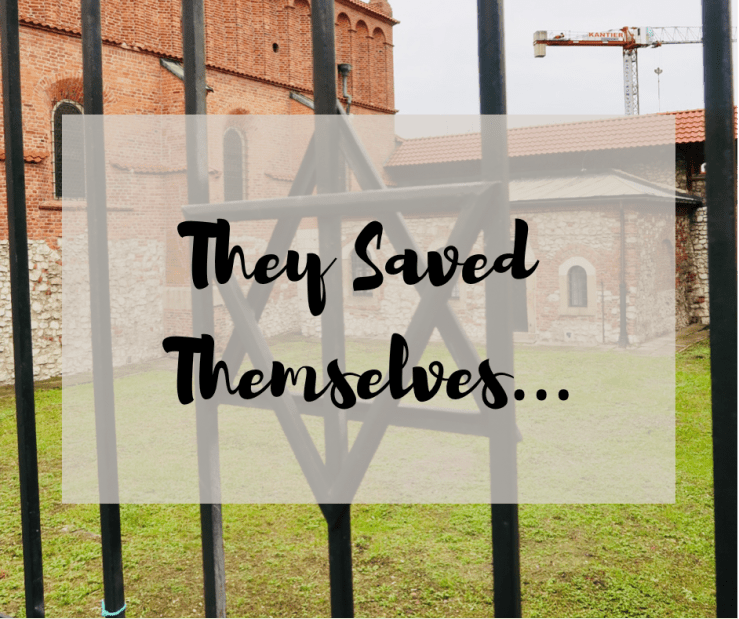
They Saved Themselves…

I’m going to preface this post (rather this series of posts), with a bit of a disclaimer. I never thought that I would be here talking about this level of Jew Hatred. This is something that I’ve shared about on social media and maybe briefly mentioned on the blog, outside of talking about Holocaust sites that we’ve visited, but never something I’ve outrightly discussed. There are several reasons for this that we will get into in another post, but I feel like I’ve reached a point that I can no longer NOT talk about it. I’ve been feeling this pressure within to talk about it more for the past year or two, but it’s really starting to reach a crescendo. 

I want to start this off by saying that almost every single Jew has experienced some form of “othering”, of hatred, SOMETHING. Every. Single. Jew. It’s actually not hard to believe when you realize that Jews make up 0.19% of the world population. I’m not going to spit facts at you this entire post, but that’s an important one to know. Ask any Jew that you know, and they’ll talk to you about some incident. In fact, a recent number has come to light that in 2021 an average of 10 antisemitic incidents were REPORTED a day. 10 A DAY. And that’s just a) what’s reported (often they go unreported) and b) what can actually be reported. In just the weeks following the hostage situation at the Synagogue in Colleyville- which we will be getting into in this post- I’ve seen numerous incidences both in a micro aggression commentary sense, but also in physical attacks. In NYC a woman yelled holocaust and Hitler slurs at two young Jewish children and spat on them. An op-ed in the Wall Street Journal talked about how the only Jews that had to fear antisemitism are those that are “outwardly Jewish” or “frequent Jewish institutions”. This is beyond false and actually very dangerous rhetoric. Two instances right there in two weeks; examples of both physical (though mild as most are truly physical assault rather than just spitting on someone which is still bad and disgusting) and micro verbal nonsense spewed in a “reputable” news source. 

For me? The first time I experienced it was when my family moved from TX to CO, and I started a new school. I was the “weird girl who talked funny and didn’t celebrate Christmas”. Oh, and I also was the girl “who had that weird birthday celebration at the school” aka a Bat Mitzvah. This othering is not unusual by any means (and nowhere near close to some of the other things I’ve experienced), but at 11/12 in a new community and a new school it had an impact. Later in life I’ve experienced some micro aggressions and truly horrifying things said to me that I will not repeat (because they are truly horrifying). I’ve always kind of written them off as people coming from a place of ignorance or not understanding. But honestly that’s a lie and it’s a dangerous mindset to have. I see so many comments, words of ignorance, and statements becoming commonplace that are actually scary to hear as a Jewish person. 

The reality is that people are quick to write off the Jewish community. In terms of social justice, they are considered “white”, but in terms of white supremacy they are the antithesis of “white” (and in reality- Jews are NOT “white”, but at most white passing). The history of the Jews is long and storied and since it involves SO MUCH it must have been exaggerated or falsified- even though there is documented proof. There are always “bigger issues” to contend with OR “not enough information” to comment on what is happening. And, as a Jewish person, it is hard to watch my very people, my community, my home be wiped to the side as quick as dirt being swept on the floor. 

Sometimes it’s easy to see, like in the most recent incident that made international news- a gunmen entered a synagogue, took 4 hostages for 12 hours before finally being killed by the FBI without any other casualties. 

First off, this is an annual occurrence. There is some form of massive violence against the Jewish community every year. We see it in Synagogue shootings, hostage situations, stabbings in Kosher supermarkets. And these are the “major” events, the news making stories, this is not counting “minor” physical assaults and verbal attacks that Jews face EVERY SINGLE DAY. But we’ll focus on these major ones for the sake of conversation (just remember- Jew Hatred is not limited to these annual major occurrences, but rather happens every day). 

Now, let’s get into the specifics of this most recent hostage situation because I feel like they paint a pretty accurate picture of the state of Jewish Hatred. 

First, I personally saw the news break from an Israeli News Organization. I then saw the Jewish community rally and share details before lastly seeing our standard news outlets sharing information. I don’t have cable so I can’t say what the coverage was in that sense, but I will say I first heard and saw the hostage situation NOT from our American Mainstream Media. 

Second, the ONLY people I saw sharing it, talking about it, updating others was the Jewish community. This is going to sound a bit like a call out, and maybe it is in a way, but I didn’t see ONE person who was NOT a member of the Jewish community share. It was like crickets outside the Jewish community. The sad fact, is that a lot of the folks that were talking about it, sharing it (again- within the Jewish community) were sharing it and the fact that they KNEW that they would get no support from outside the community. That’s SAD. When there were finally comments being made from outside the community, they were…stilted to say the least. I saw everything from a “praying for the hostages” to “please don’t let this lead to a rise in Islamophobia” to the White House not even stating (in their initial comment- I know Biden later released a full statement condemning Antisemitism and what not) what was going on- just that the president had been “briefed about the developing hostage situation in the Dallas area”. Let me make something absolutely clear here- this is one of the things that HURTS the Jewish community when it comes to Jewish Hatred. Not immediately saying exactly what it is is a detriment, ESPECIALLY when it is BLATANTLY clear. 

When the hostages escaped (and we’ll get to that next), the FBI’s initial statement from the Dallas Special Agent in Charge was that this was “not specifically related to the Jewish Community”. Yes, read that again. We’ve learned a lot in the days following this hostage situation and there were some rumors, but we’ll put that aside for the purposes of this (and we’ll get to them- I promise). If we look at what we knew when this statement was made what we KNEW was that this man had taken these hostages in a Synagogue with the intent on getting someone (who also hated Jews and wanted the jurors at her federal trial genetically tested to determine if they were or were not Jews) freed from Federal Prison. He had the Rabbi call another Rabbi in another state to continue pushing his case for freeing this person. And the FBI made a public statement that this was “not related to the Jewish community”. Let that sink in. This is a government organization. A federal government organization saying something directly opposite of what we all saw. And, while most of us can see the flaw in that statement, there are people who, because this is the FBI, will believe it. 

Now the FBI has come out and corrected that initial statement and most people are talking about how outrageous and false that statement is, it’s still a damning heartbreaking statement to make literally on the heels of the entire Jewish community praying, daring to hope, and sitting on edge for the entirety of a Sabbath day. 

In the days following the Hostage situation we started to get a clearer picture of the events, which makes the entire situation clearer, more heartbreaking, and more damning. 

First, we hear confirmation that the hostage taker had the Rabbi call a Rabbi in New York to push his agenda forward. Not every rabbi knows every rabbi, and they are most definitely not connected in this sense to the justice system. The entire concept of “Jews control the Justice System” connects to an antisemitic trope of “Jews control the world”, which is…quite obviously false. False as it is, this is a narrative that is pushed forward quite regularly.

Second, we hear that 3 out of the 4 hostages escaped through their own self-defense tactics, knowledge, and training, rather than being “freed” or “rescued”. This is one of the most important factors to look at, after we look at the fact that this is obviously an attack on the Jewish Community, and we need to recognize what led to that. When the 3 hostages noticed that the attacker was getting more agitated, they used the training that they had received not long before this attack to escape. The Rabbi threw a chair at the attacker and the Vice President of the congregation had lined both himself and the other hostage up with the exit. These were tactics they had learned through a self-defense that they took in response to a rise in Jew Hatred and Jewish attacks. They saved themselves. 

They saved themselves. 

This is what Jews have been doing for thousands of years. 

Now, I’m not going to comment on what/how the FBI operates. I am sure they have trained tactics and five million different options, and they just try different things to do what they need to do. I’m not going to comment because I am just not aware and have not done any training for those situations. 

What I will comment on is the lack of awareness/sharing/” justice”, as well as what the commentary WAS when it happened. 

I saw a lot of the Jewish Community, once the hostage situation had ended with the hostages escaping, saying that they didn’t even think to look outside the Jewish community for anything. Where previously we would look to those outside our community to share information, bring situations to light, stand in solidarity, speak up…in this situation none of that happened. It wasn’t even expected. A lot of the community didn’t even hope for it. In fact, a lot of posts that I saw were “we know we have to do this ourselves”. What a dark place to be in. When you are trying so hard to say, “look here we are, we’re under attack, please just say something, anything” and to be rebuked, to be met with crickets. It’s heartbreaking. We don’t exist outside our own community. 

Think about this, your community is under attack, your family is under attack, you’re shouting to the world that this is happening, and you’re met with silence. Or, maybe more frustratingly, you’re met with “well let’s not turn this into this” or “well how did this one part of the issue happen”. Because that’s what happened. Outside our community it was a cry of “don’t let this lead to hatred in the other direction”, or “how did he get in the country?”, and “obviously something in gun control is flawed here”. All of these are things that need to be looked at, obviously. All of these are valid points. All of these are important questions. But there weren’t a lot of questions or headlines about the obvious…he attacked Jews. He thought that these Jews, this small community of people, had the power to accomplish his goal. So much so that he not only attacked them but had them call another separate Jewish community to push the agenda further. And yet, somehow, this is not really being talked about beyond our community. In fact, I’m not really seeing any real headlines at all at this point (we’re a few days out when I’m writing this). 

As I said the day after the attack, I don’t want false platitudes, I don’t want just a share and move on (though even that would be nice in some ways- show you care, ya know?), the Jews know how to fight and take care of themselves and their community…obviously. We’ve had to learn. We’ve had to learn the hard way. Because it was SILENT. It was silent during the attack, it was silent after, and it seems like it will continue to be silent. 

And that’s heartbreaking and enraging. It’s not ok. I am not ok.  

Krakow, Poland – A Long Weekend

I’ve spoken about our visit to Auschwitz (HERE), but we spent a good amount of that weekend checking out Krakow, Poland. A sprawling city development that still has the European Charm that we’ve come to expect (castle, legends, cobblestones), we found our time in Krakow (a total of 36 hours tops) to be the perfect amount of time to see what we wanted. Krakow is the second largest city in Poland and, dating back to the 7th century, one of the oldest in the country. In fact, Krakow’s Old Town was declared the first UNESCO World Heritage Site. 

The city began with a small settlement on Wawel Hill. Legend says that Krakus built the settlement above a cave that was home to a dragon, Smok Wawelski. During the 10th century is when Krakow saw it’s first significant growth. The castle was constructed, churches and a basilica, as well as a flourishing trade center. That first city was then sacked and burned (by the Mongolians), however rebuilt identically in the following years. During the 14th century the city started to head into a Golden Age, with the construction of a university. That Golden Age continued through the 15th and 16th centuries. This was when the Jewish Quarter was created, and the Old Synagogue was built. Things came to an end though in 1572 when the last ruler, King Sigismund II passed without any children. His death was followed by many many changes in leadership as various other countries ruled. Finally, an outbreak of Bubonic Plague and a Swedish Invasion spelled the end of their Golden Age and the end of the ruling houses residence in Krakow. Things didn’t really get any better in Krakow as it continued to almost bounce between various countries rule until 1866 when Krakow started to see a degree of political freedom and, once again, became a national symbol of Poland. 

When Poland was invaded by Nazi Germany, Krakow became the capital of the German General Government. They saw Krakow as a vision of Krakow becoming completely “Germanized”. Krakow had a very large communities of Jews living in its city at this point (statistics say over 5% of the entire population of the Krakow District was Jewish). Prior to the invasion and subsequent creation of the Ghetto (and then camps) the Jews were encouraged to flee the city. Things started to go sour shortly after the invasion with the creation of the “Judenrate” or Jewish Councils. These were run by Jewish citizens for the express purpose of carrying out Nazi orders, such as tax collection, forced labor, and citizen registration. Around 4 months later the Jewish Ghetto was created in the Podgorze District. The ghetto was only in existence for 2 years, with residents really only living there for 15 months (the majority of deportations were completed by June 1942- though the final Krakow Jew deportations were until September 1943-, after the ghetto initially being “designated” in March 1941). Many people know the story of Oskar Schindler, his enamel factory, and his work to save as many as he could.     

Aside from the destruction of the German occupation and the immeasurable loss of life, Krakow remained undamaged as a whole throughout the second world war. Once the war ended the city was turned from a university to industrial with the new government. 

One final note, the Pope John Paul II was Karol Wojtyla, archbishop of Krakow. He was elevated to papacy in 1978 and was the first non-Italian pope in 455 years. The same year of his election, Krakow was officially approved on the UNESCO World Heritage List. 

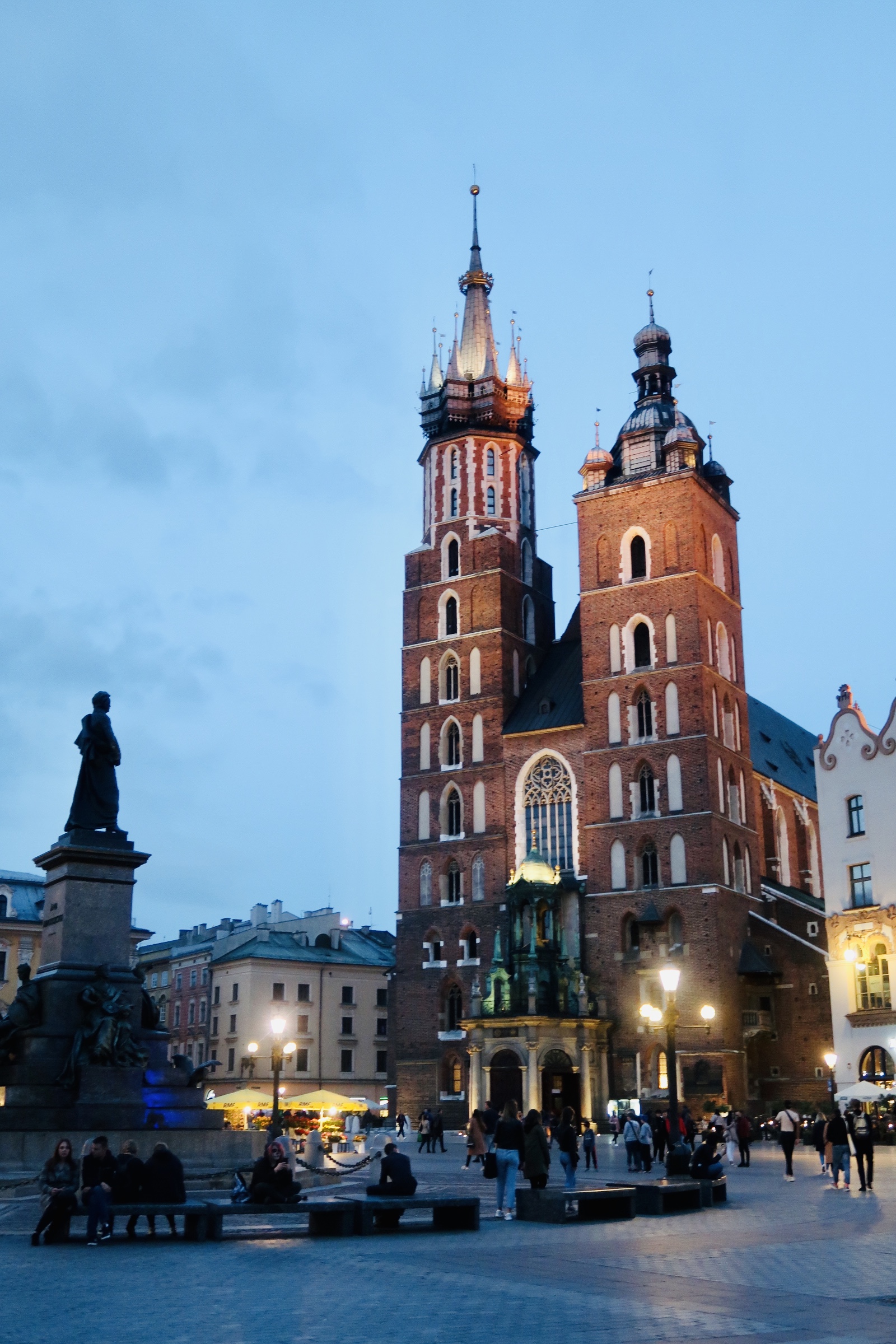
So, we actually started our trip in the early evening with a dinner in the main Old Town Square. We were able to watch the sunset on the Town Hall Tower as well as see the what the city is like in the evening. We stayed just outside of the Old Town (we actually walked our entire time in the city- no public transport, that’s how close we were to most everything).


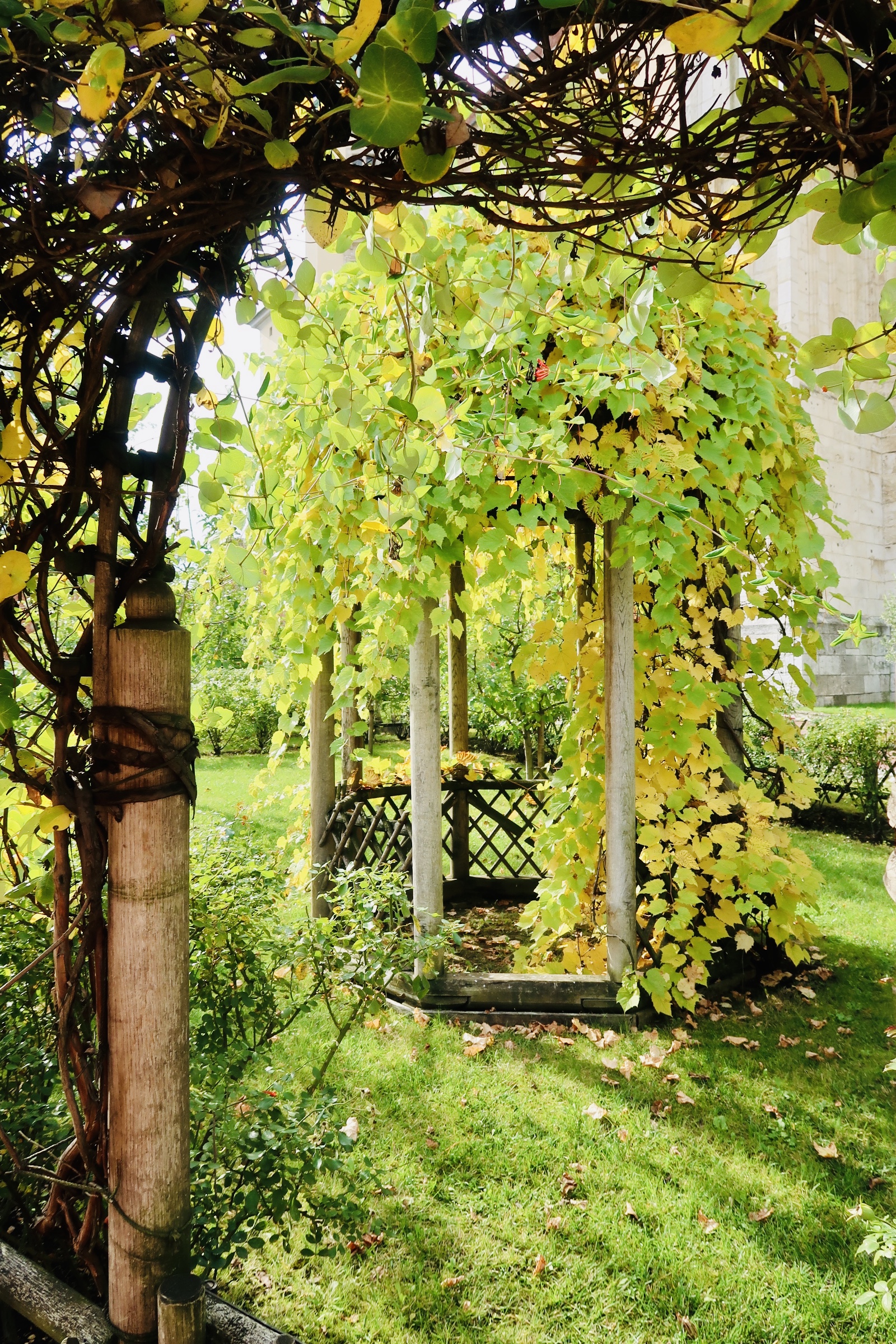
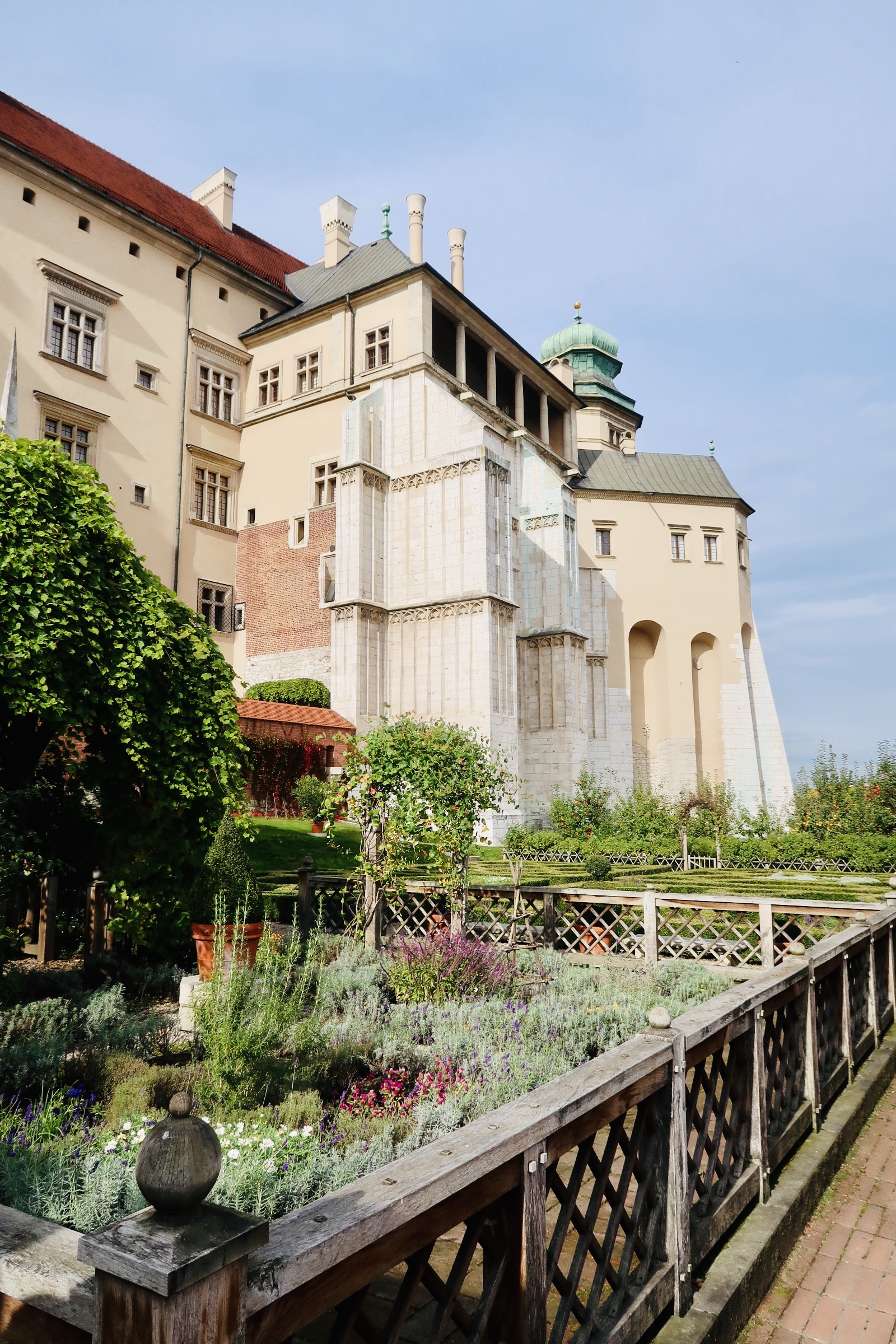
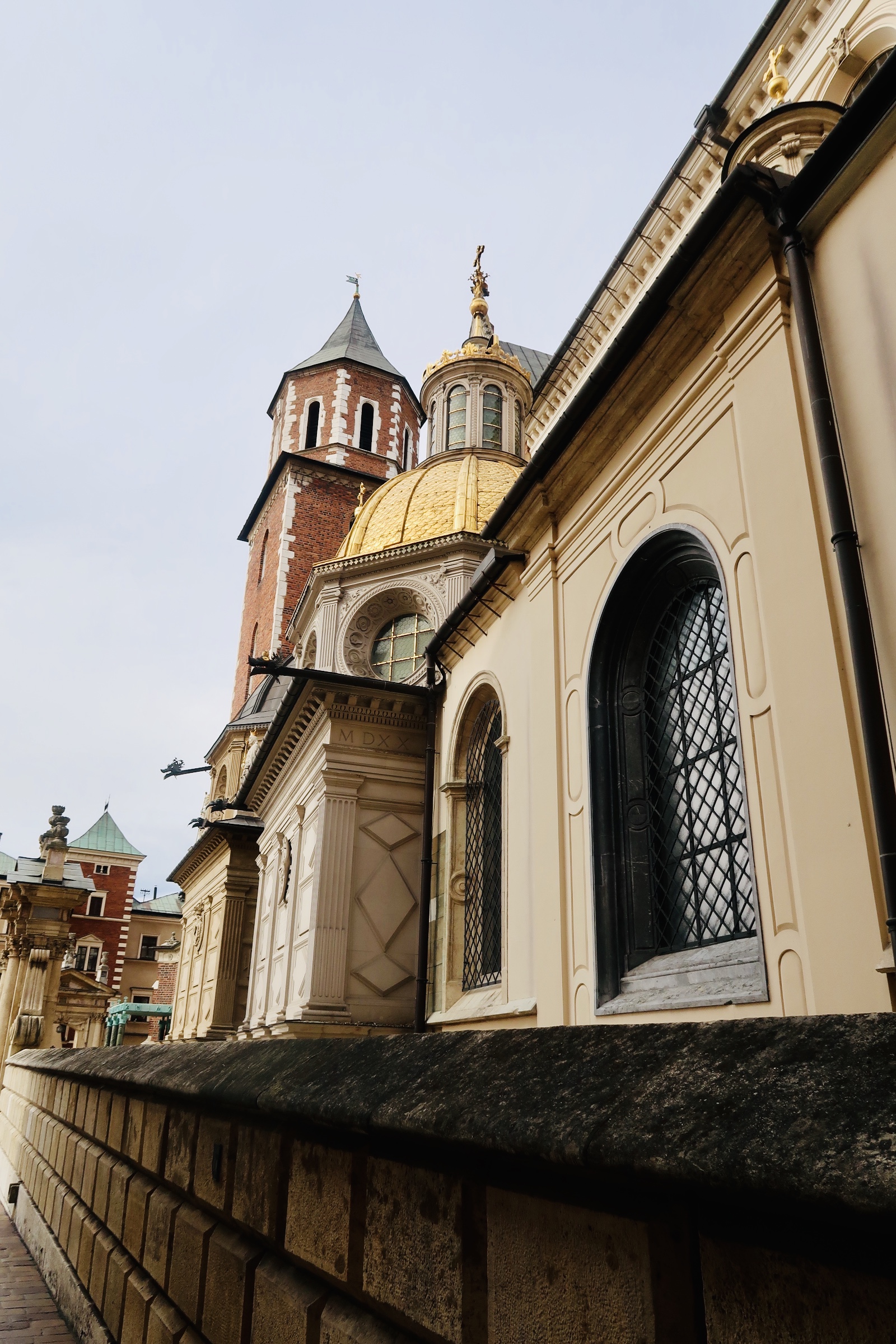
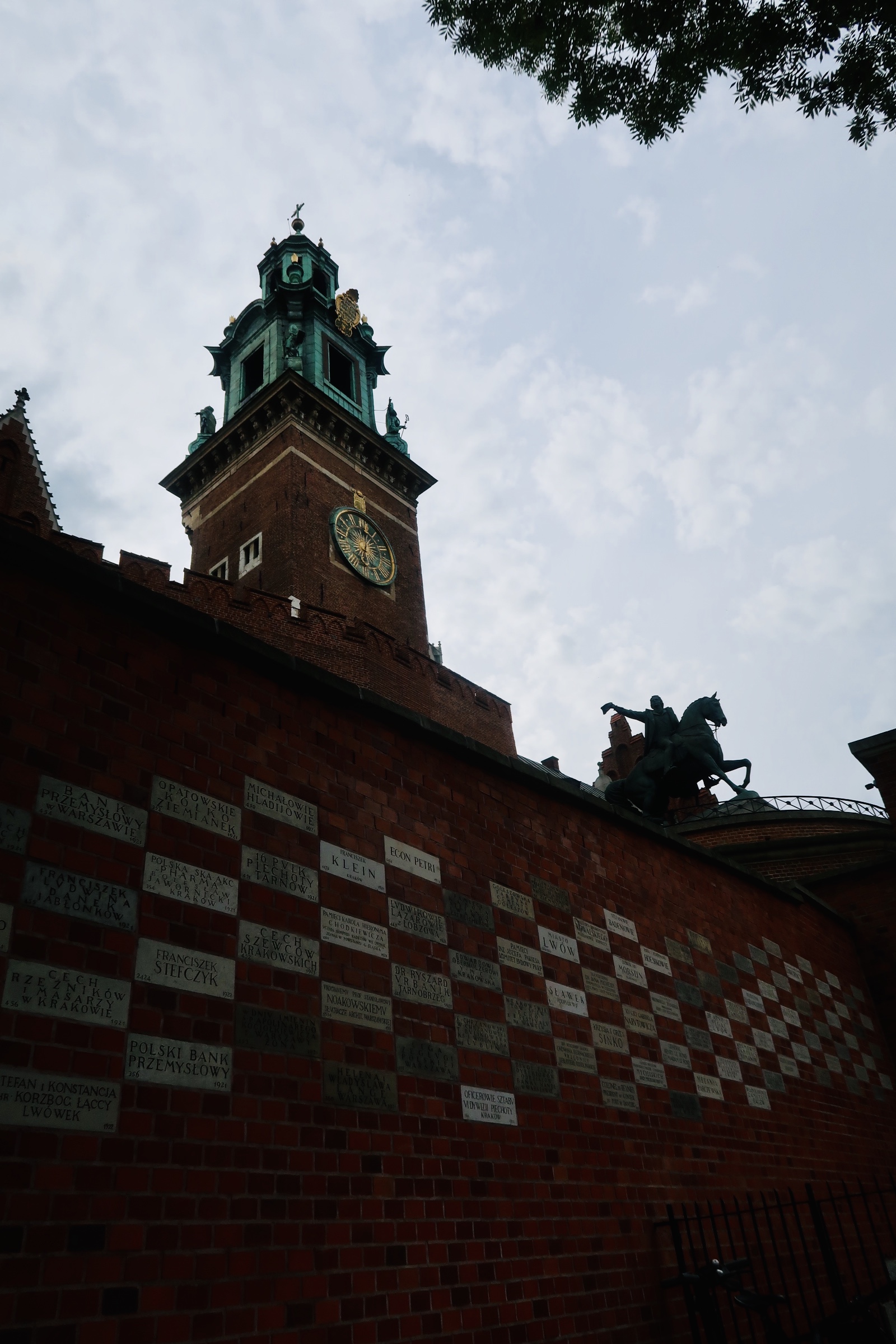
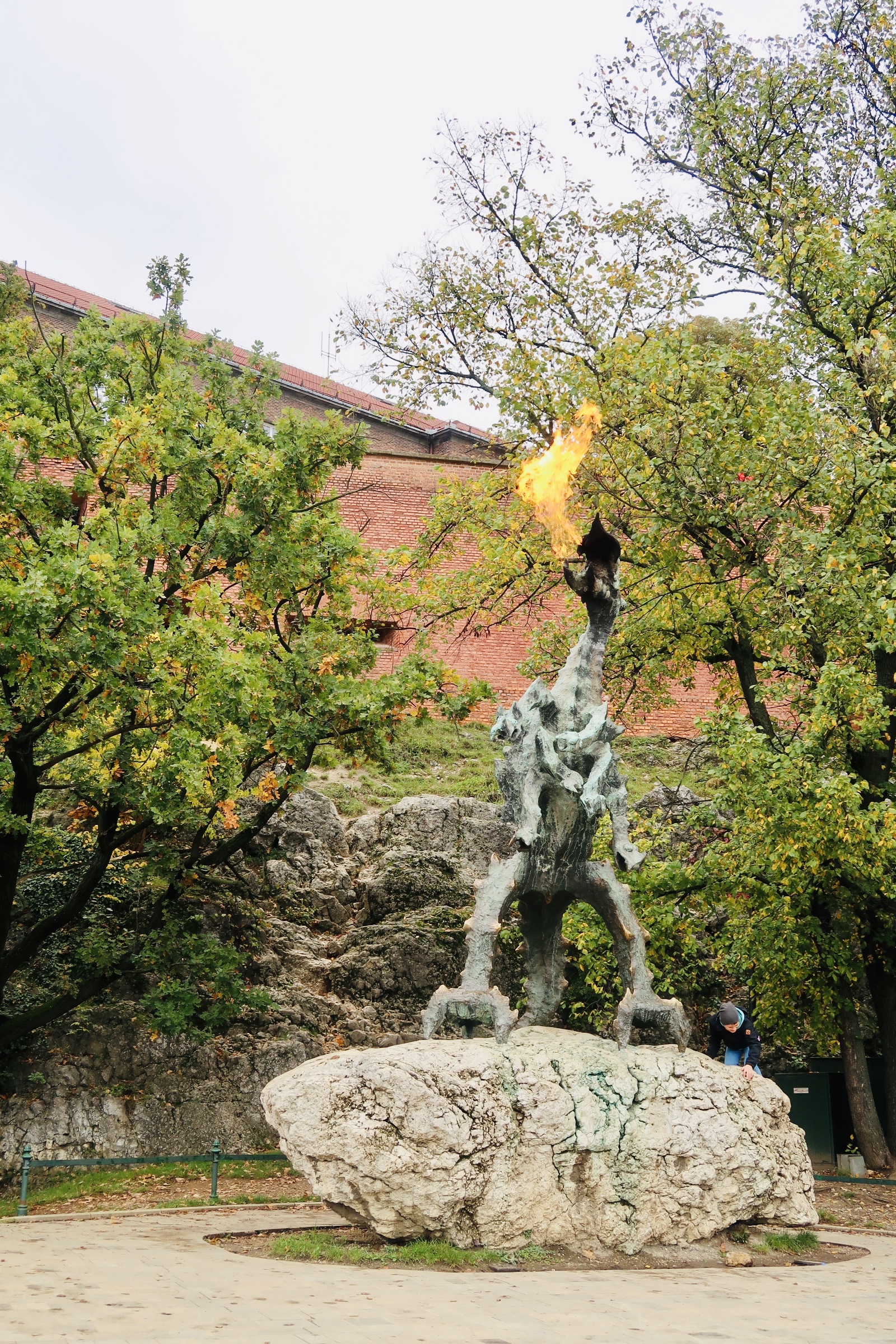
Our only full day in the city we started off at Wawel’s Castle and Wawel Hill. The castle was commissioned by King Casimir III the Great, but the current castle dates back to the 14th century. I’ve already touched on the legend of the Wawel Dragon, but it’s important to note just how deep that legend runs. Legend says that the dragon terrorized residents before being slayed by Krakus, a polish prince who then went on to found the city of Krakow and built the first royal residence on the hill above the dragon’s lair. These days, if you walk by the river you will see a metal statue of the dragon that is situated in front of the “den” and it shoots fire from time to time. The castle complex as it stands today consists of galleries, collections, and gardens. You are able to pick and choose which exhibitions you would like to visit on the castle grounds, as well as the option to visit the Cathedral once on the property. We chose the Private Apartments, Royal Chambers, the gardens, and then a walk into the Cathedral. 

I think one of the coolest bits on the interior was what was known as “Wawel’s Heads”. I don’t have any pictures (as pictures inside the castle were not allowed). In the throne room if you looked up at the ceiling there were a series of Heads that were carved out of the ceiling. In its height, there were a total of 194 heads looking down from the ceiling, overlooking the Polish King as he conducted business. Now there are only about 30 of the original heads left hanging. They depicted citizens from every walk of life that lived in the 16th century. There aren’t any true explanations as to why this was done, or how the people were selected, but it was a really interesting decoration to see. 

The final stop at the Castle is to stop in and see the Cathedral. The Cathedral is formally known as the Royal Arch cathedral Basilica of Saints Stanislaus and Wenceslaus on the Wawel Hill. This Roman Catholic church and cathedral is the home of the Archdiocese of Krakow and serves as the coronation site of the monarchy. The current standing cathedral is the third to have been built after the first (11th century) and second (12thcentury) were both destroyed by fire. Construction on the current cathedral began in the 14th century and is a true site to behold. Seemingly never ending with its various chapels, and little quiet spots. This cathedral is also the main burial site for the monarchy as well as national heroes, military members (generals), and other individuals important to Polish history (including two poets!). You are able to walk along the crypt to see the all the various tombs (although there are several on the main floor of the church as well). 

From visiting the castle, we headed back towards the main old town, wandering through cobblestoned side streets, stopping in to purchase some Polish pottery, lunch on the opposite side of the square as our dinner the night before, and then a walk through the Krakow Cloth Hall. 

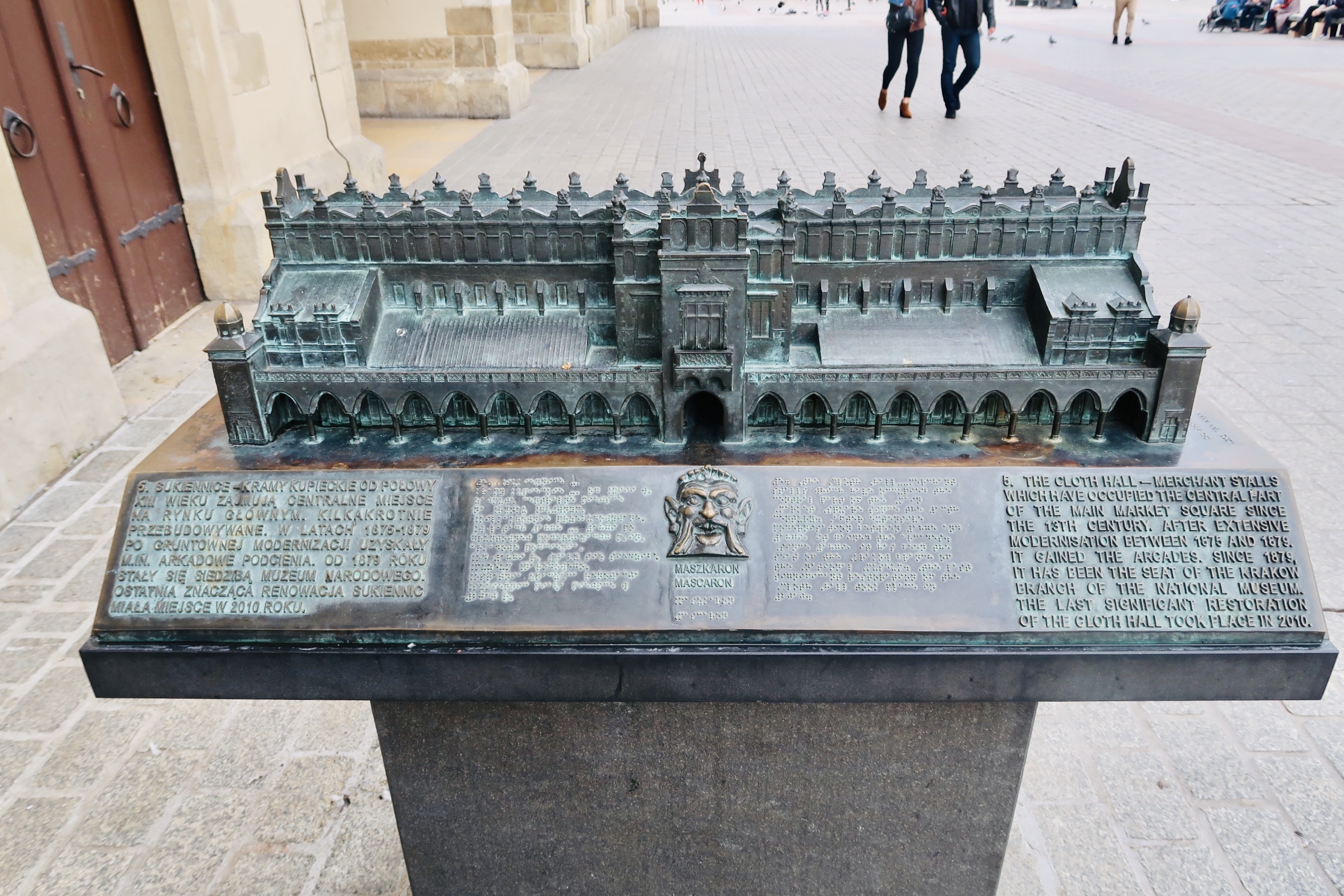
The Krakow Cloth Hall is one of the most recognizable features of Krakow and Krakow Old Town. Situated at the center of the Main Market Square, it dates back to the Polish Renaissance (that Golden Age in the 15th& 16th centuries). The interior of the hall contains shopping stalls which once held the bulk of the textile industry in Krakow. Buyers and Sellers would flock to the covered shopping center. It now not only serves as a shopping market, but also has an Upper floor museum that contains the largest collection of Polish painting and sculpture, and hosts monarchs and politicians from other countries (Prince Charles and Emperor Akihito visited in 2002). We did a little shopping within the hall and enjoyed seeing the variety of items offered, from tourist tchotchkes to hand crafted designs.

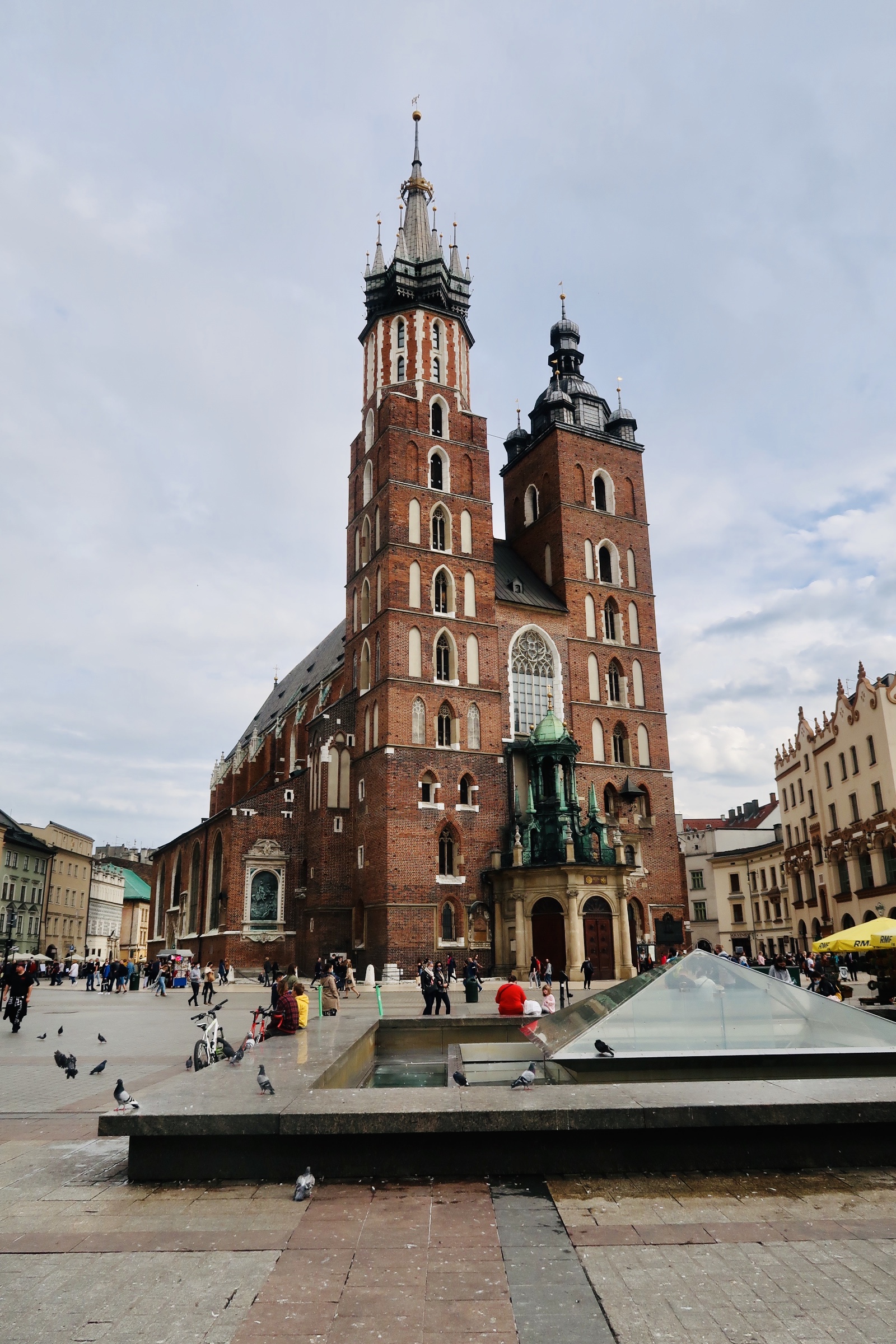
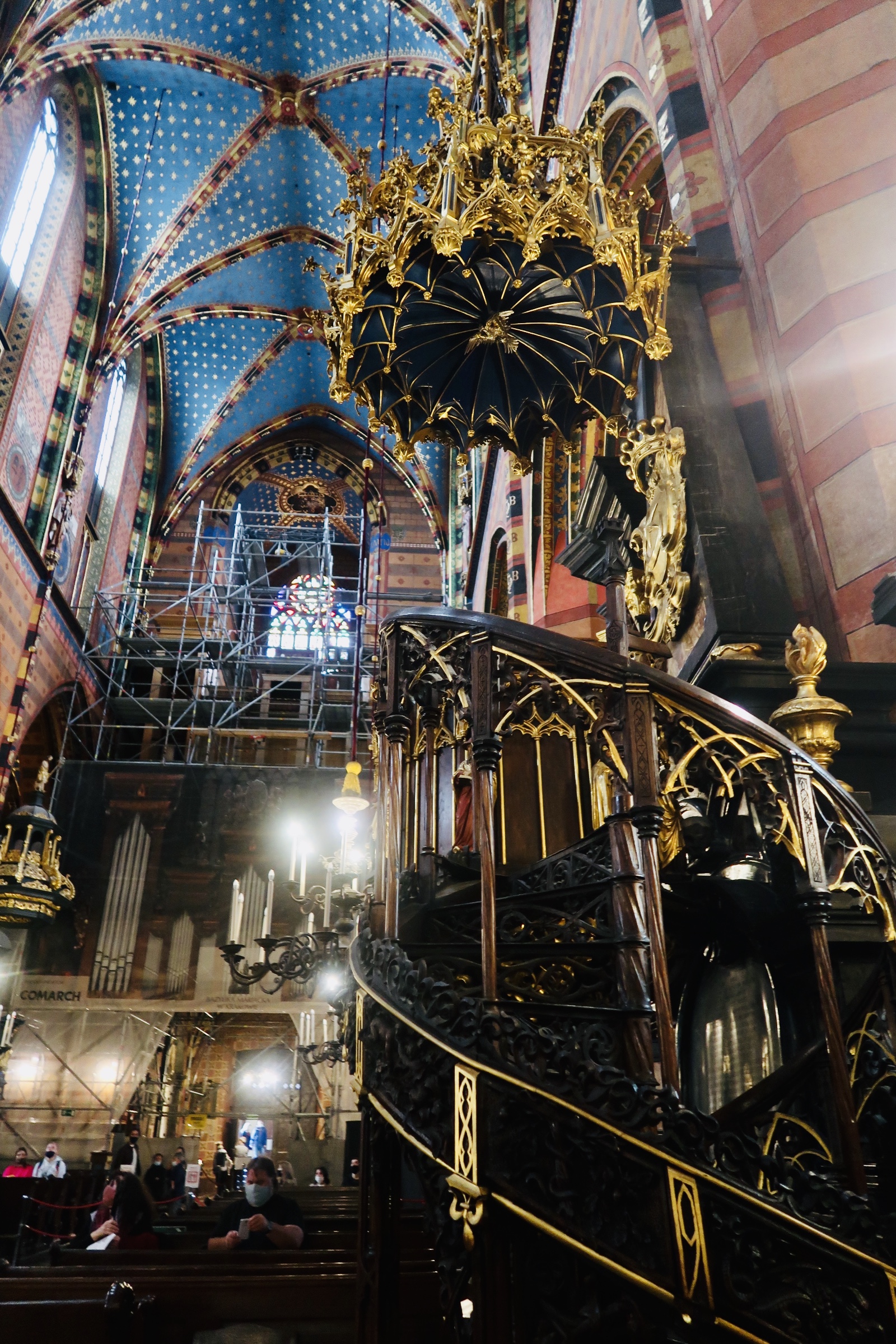
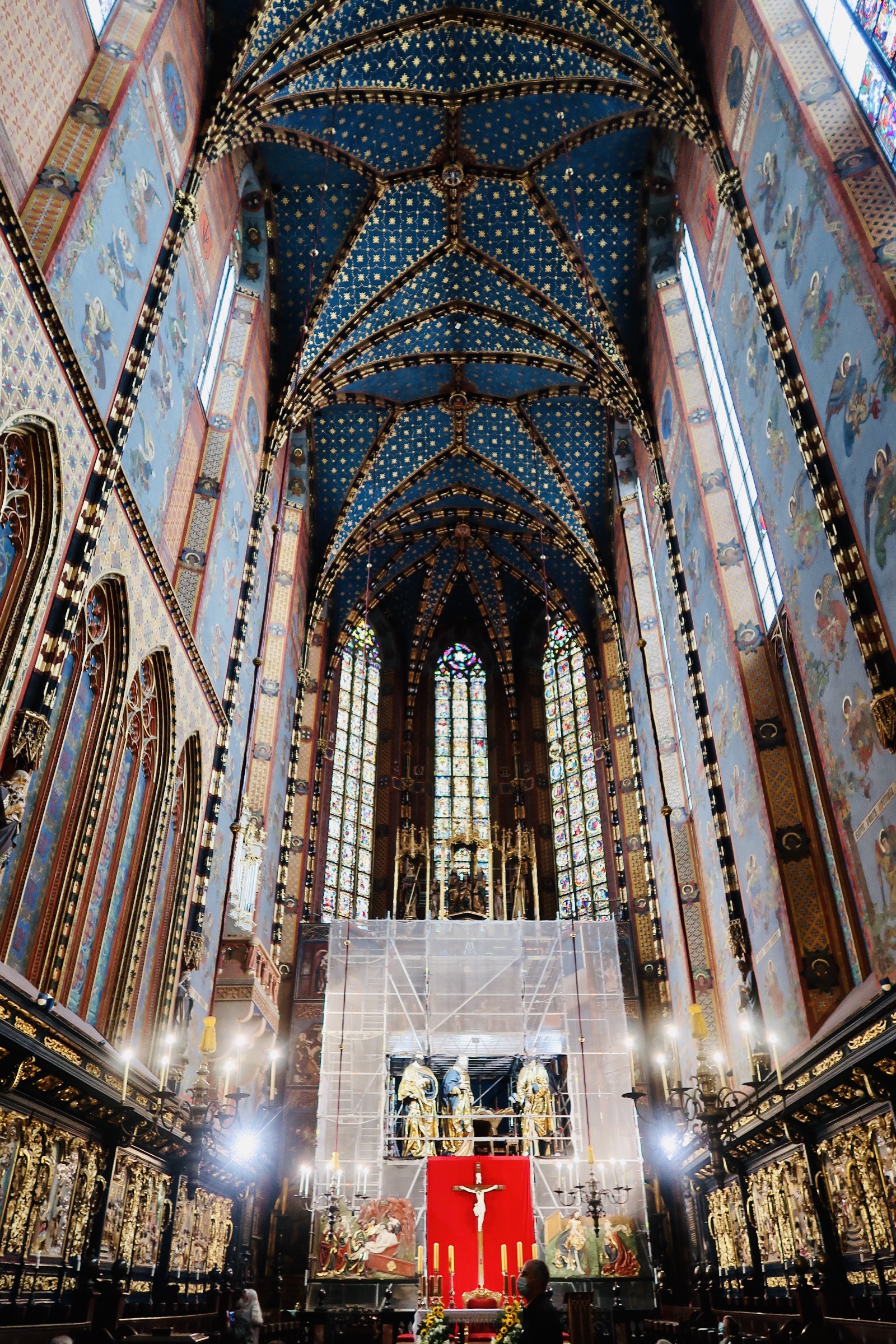
We also stopped in to see Saint Mary’s Basilica. With the foundations dating back to the 13th century (completion in the 14th century), this church is a great look into the Gothic Architecture of Poland. The current standing church is the third one, as the original (from the 1200’s) was destroyed by the Mongolians, and then the second was rebuilt under Casimir III’s rule. The interior is, one again, incredible. There are two main “focal” points of the Basilica. The first is the interior altarpiece. This was undergoing some restoration work, so we weren’t able to get a good view, but what we did see was stunning. The second point is the trumpeter of the basilica. A trumpet signal (the Hejnal Mariacki) is given at the top of every hour from the top of the taller tower. An interesting note while you listen- the song seems to end rather abruptly; this is to commemorate the trumpeter who used the signal to warn the city of the Mongolian Attack. During the signal he was shot in the throat. The signal is rumored to have been initially used to signify the open and close of the city gates (this was done across Europe), but there is no concrete evidence as to where this specific signal originated. 
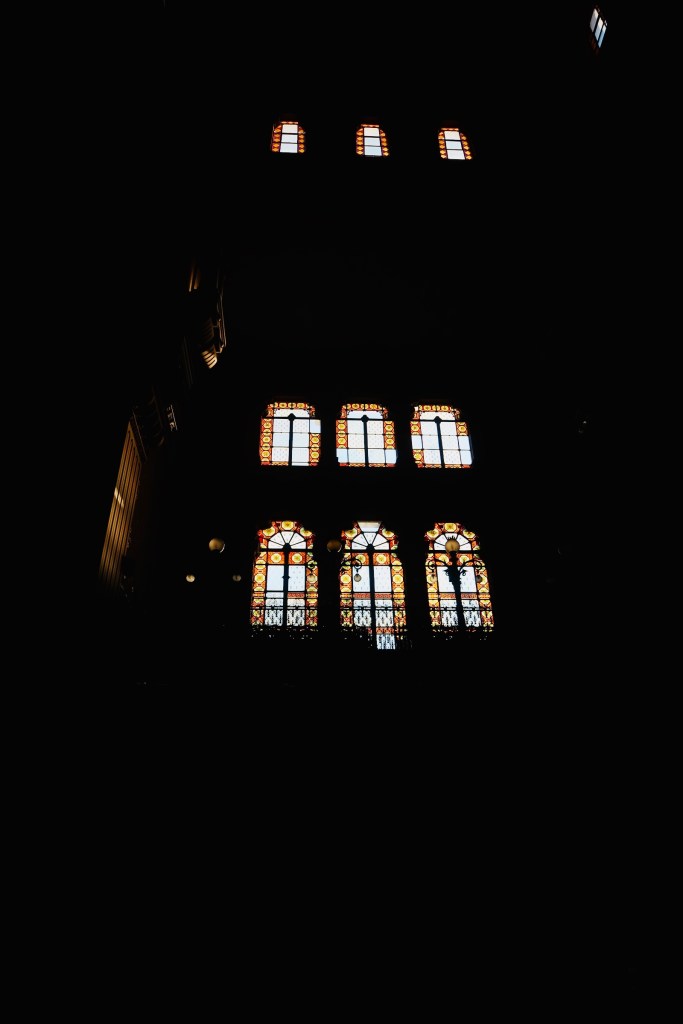
We started off our Sunday morning with a visit to Auschwitz I and Auschwitz II-Birkenau. I’ve done a separate, dedicated blog post on this concentration camp, which you can find here. 

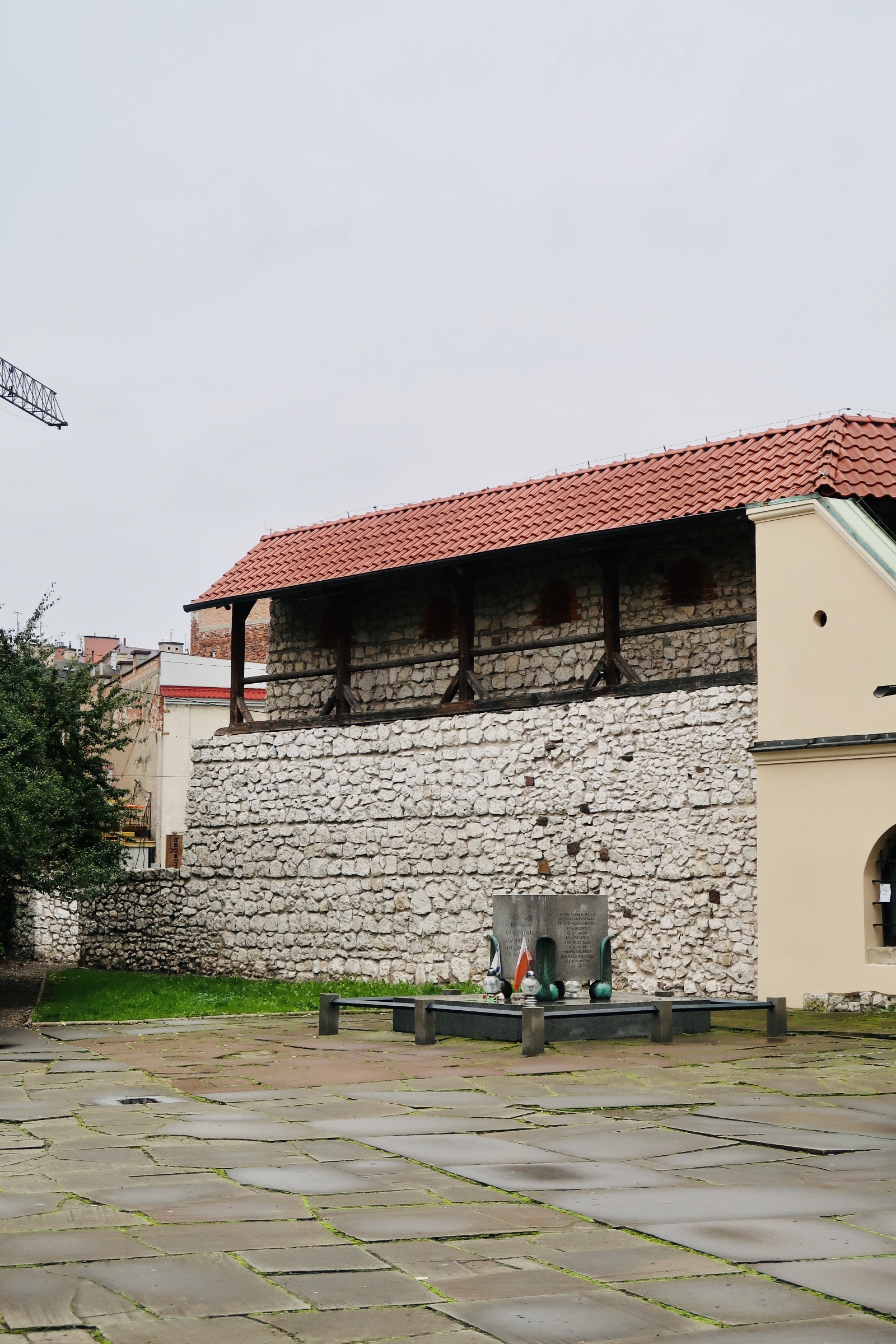
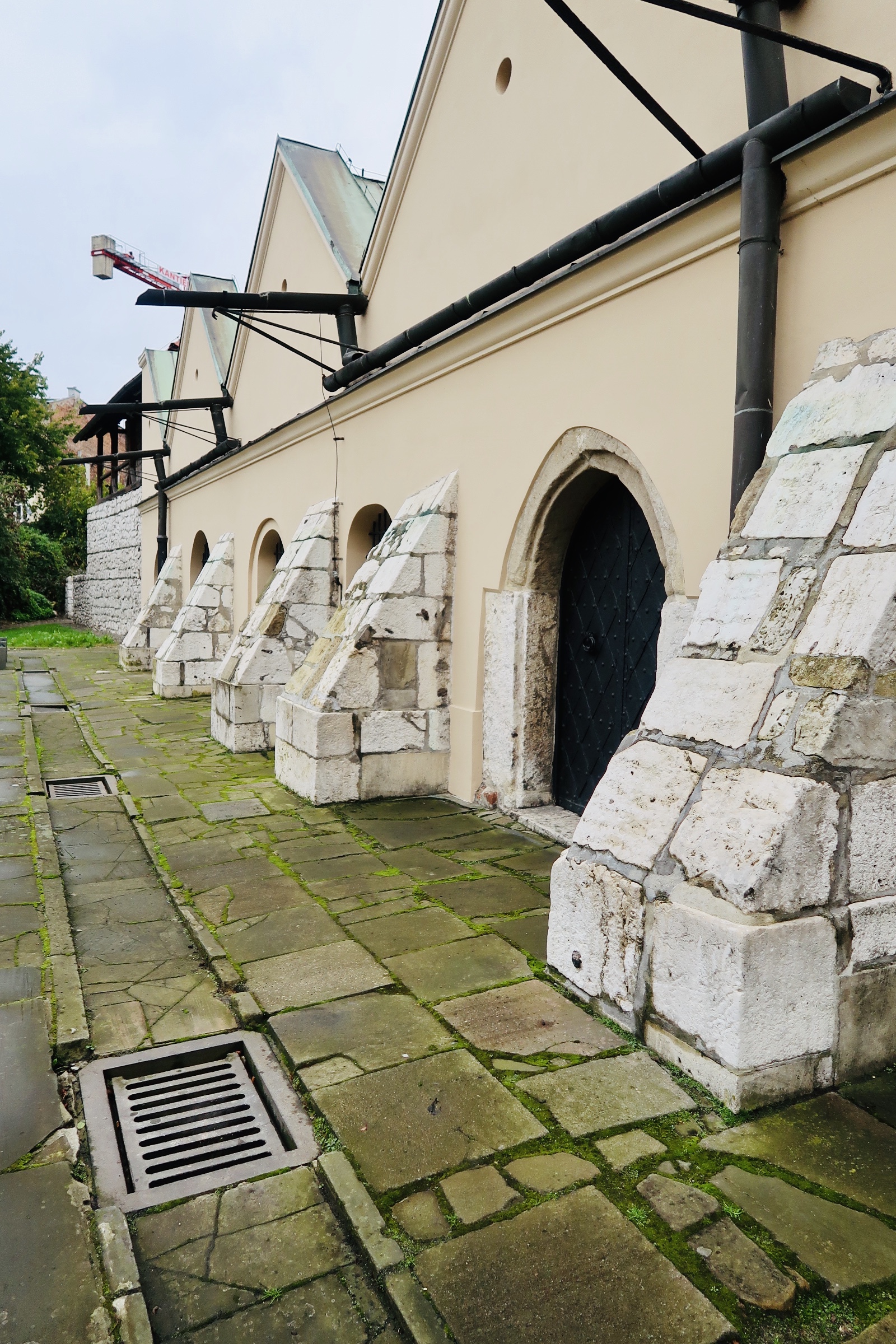
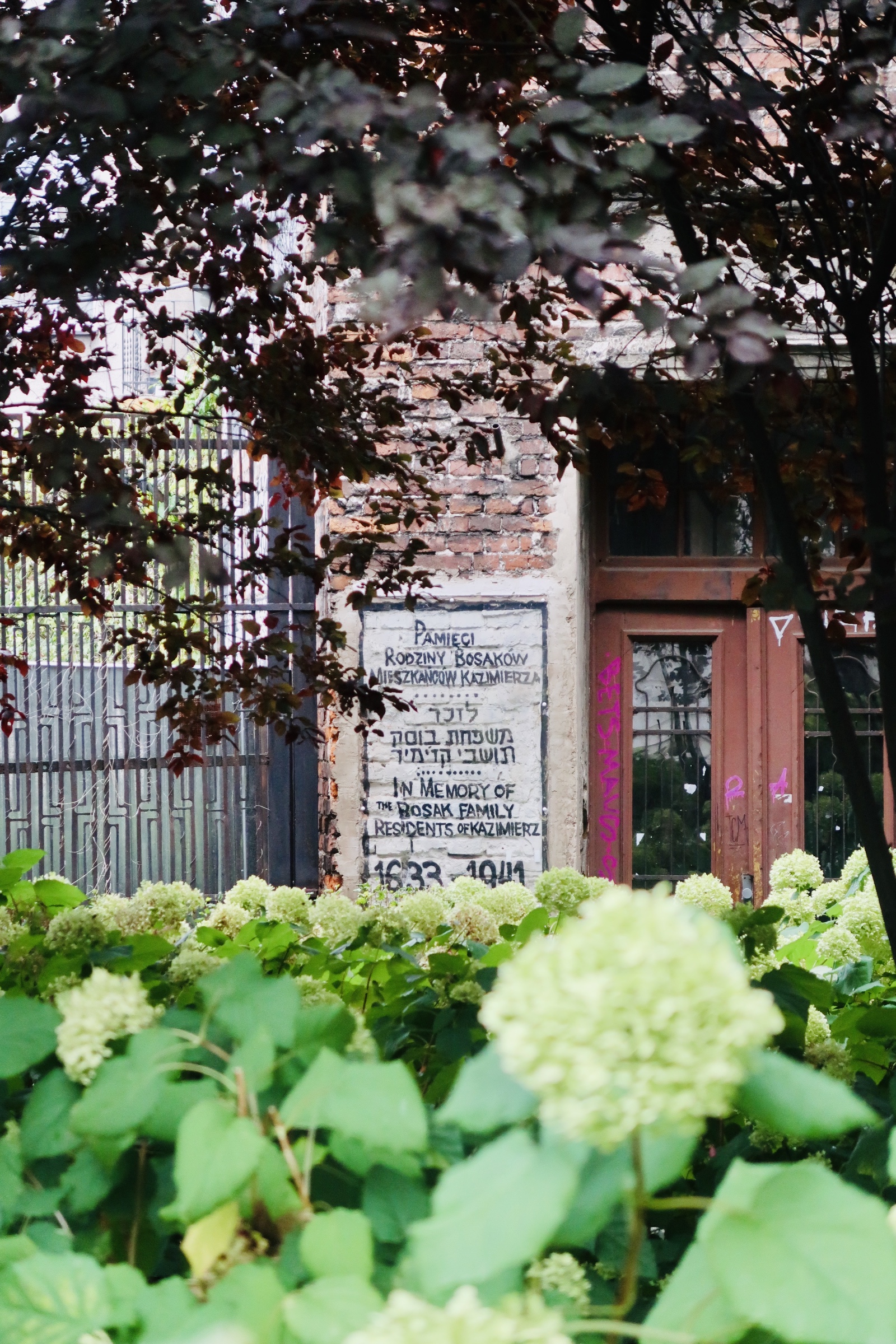
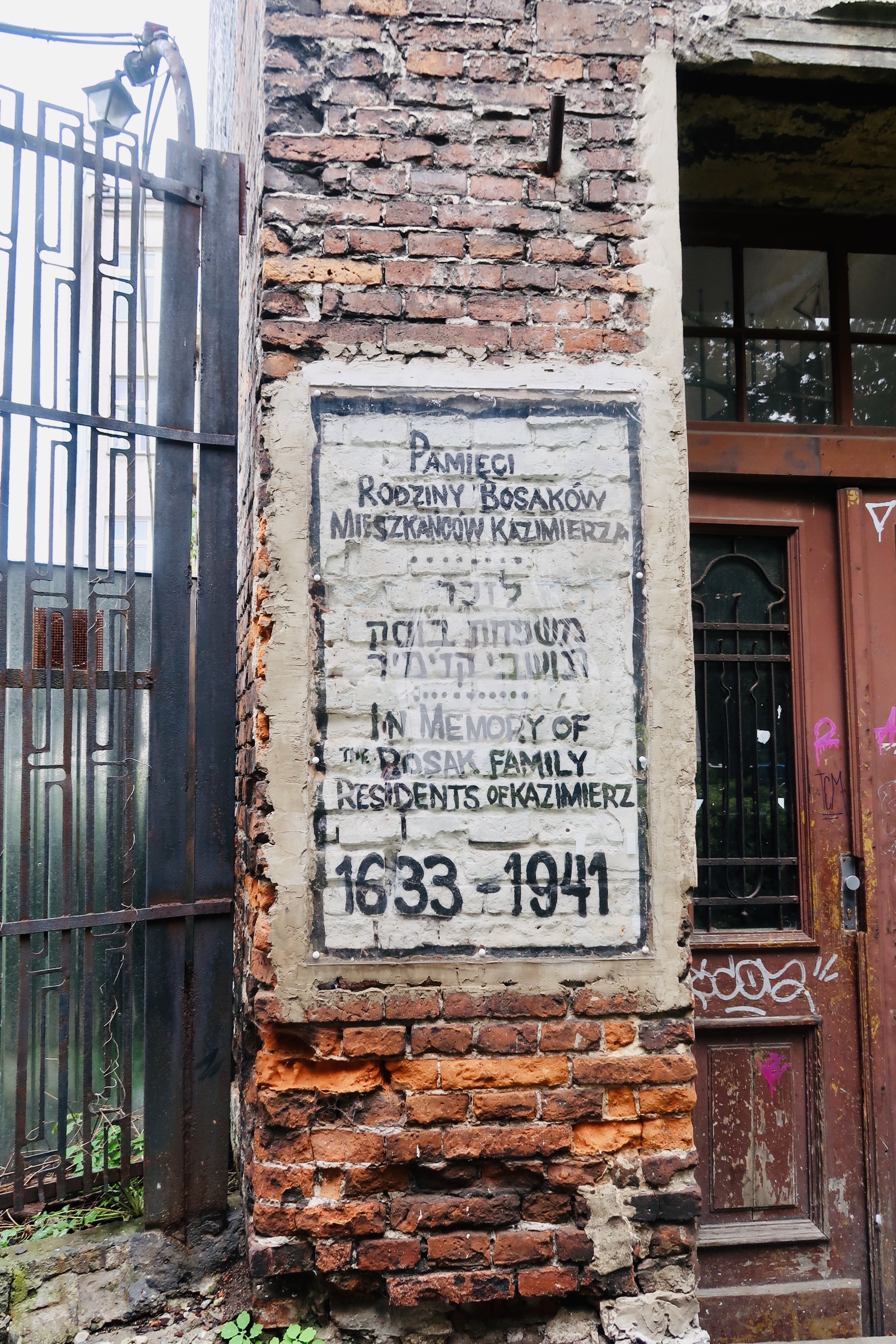
On Sunday afternoon we headed over to  the Jewish Quarter, Kazimierz. We visited during the High Holiday, Sukkot, so we were not able to go into any of the synagogues or such, but we still were able to see quite a bit walking around and get an idea of the history of the area. A Jewish community focus in Kazimierz came about in the 1400’s when anti-Semitism started to run rampant through Krakow. When a fire burned down a large part of Krakow in 1494, the Polish King transferred the Jews from the Old Town to the Bawol District of Kazimierz. The Jews then petitioned for rights to build its own defensive walls. The area within the walls was known as the Oppidum Judaeorum and was, geographically, only 1/5th of the size of Kazimierz, but held nearly half of the people of the city. The oldest Synagogue in Kazimierz was built in the early 1400’s (the actual year/date is disputed) and was an Orthodox fortress synagogue (known in Yiddish as Alta Shul). The initial golden age for the Jewish Quarter came to an end in the 18th century when the Austrian Emperor disbanded the area and tore down the walls. Not long after that, Kazimierz lost its city status and was brought into the newly formed district of Krakow. Kazimierz kept the “Jewish District” status due to the fact that the majority of the Jews stayed close and within the limits of the city. 

Up until the invasion of Poland by the Nazi’s, this was the most important synagogue in the city and the main center of the Jewish community (beyond just religion- it also was a social and organizational center). During the Nazi’s reign, the synagogue was ransacked, destroyed, and used as a warehouse. It also has one (at least) instance of the defensive wall being used as an execution site for Polish hostages by the Nazi’s. Kazimierz was not the location of the crowded ghetto of Krakow though, most of the Jews of Krakow were transferred to a ghetto location in Podgorze (another heavily Jewish area across the river in Krakow) and then either killed in the ghetto or at the death camps. After World War 2, the Jewish District was largely neglected, but starting in the 1980’s started to see growth and a resurgence of Jewish Culture. It now has quite a community built to celebrate. 

Once we finished up in the Jewish District, we headed back over to Wawel’s Castle to visit the dragon and walk along the river. I’ve already talked about the legend of Wawel’s Dragon, but we wanted to see the statue for ourselves. The boys also got to pick up a couple of stuffed small dragons to take home as a little souvenir. We didn’t stay out too long as the temperature very quickly started dropping and we had had quite the long day. One final dinner in the main market square and back to the hotel we went. 

And just like that, our weekend in Krakow came to an end. 

It All Rests On The Challah

Another topic I never knew I would be posting about, but here we go! Before we go deep into this whole story, I want to start off by saying I’ve always considered myself more spiritual than religious and I think I have found a bit of a balance between the two at this point in my life. I also want to say, there has always been an aspect of me that has considered Judaism as part of my heritage, my makeup, part of just who I am and not so much has my religion. I think that too also applies to me today. 

I was raised in a reform (VERY reform) Jewish household. My Mother is Jewish, my Father is not religious. We attended services at our synagogue, which I was very active in for quite a lot of my childhood/early adolescence), we did Shabbat prayers at home every Friday night, we celebrated the high holidays, but also ate bacon as well as meat and cheese together. I had a Bat Mitzvah when I was 12 and slowly I started to slip away from the community. 

For quite a while I bounced back and forth between Judaism and Christianity, just wandering a little while. It wasn’t anything special and eventually I just kind of faded away from both, choosing to be spiritual, to pray, but not to follow anything specific religion wise. And that was ok! I was ok, things were great, all was well. 

Then a few things happened in short succession. I’m not a big believer in “signs” or what not, but I do kind of feel like things aligned a little bit to point me in the right direction. 

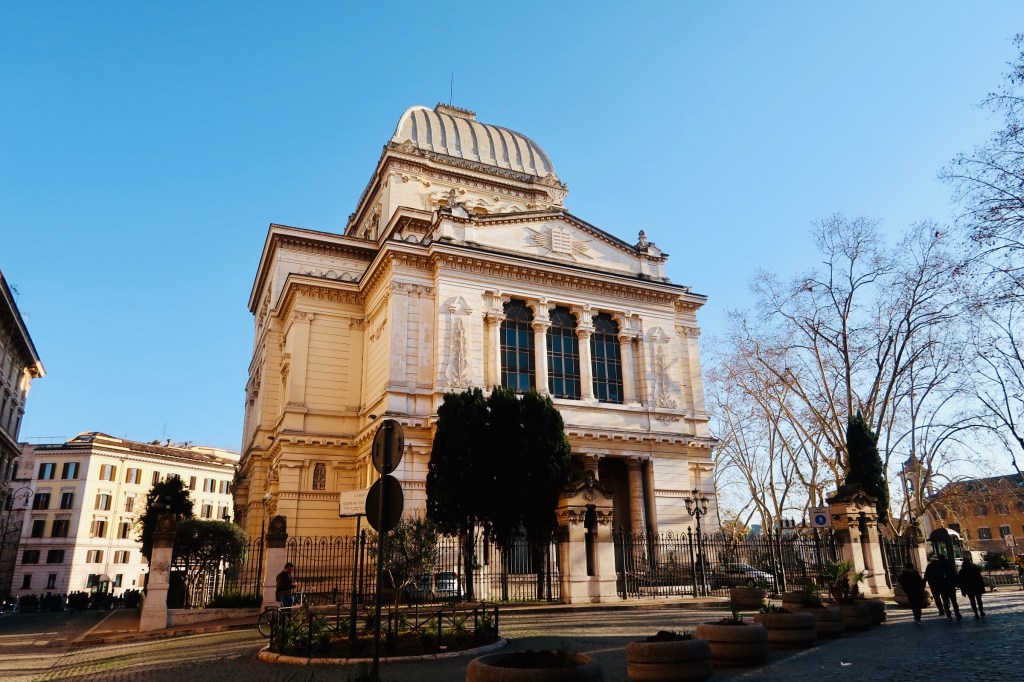
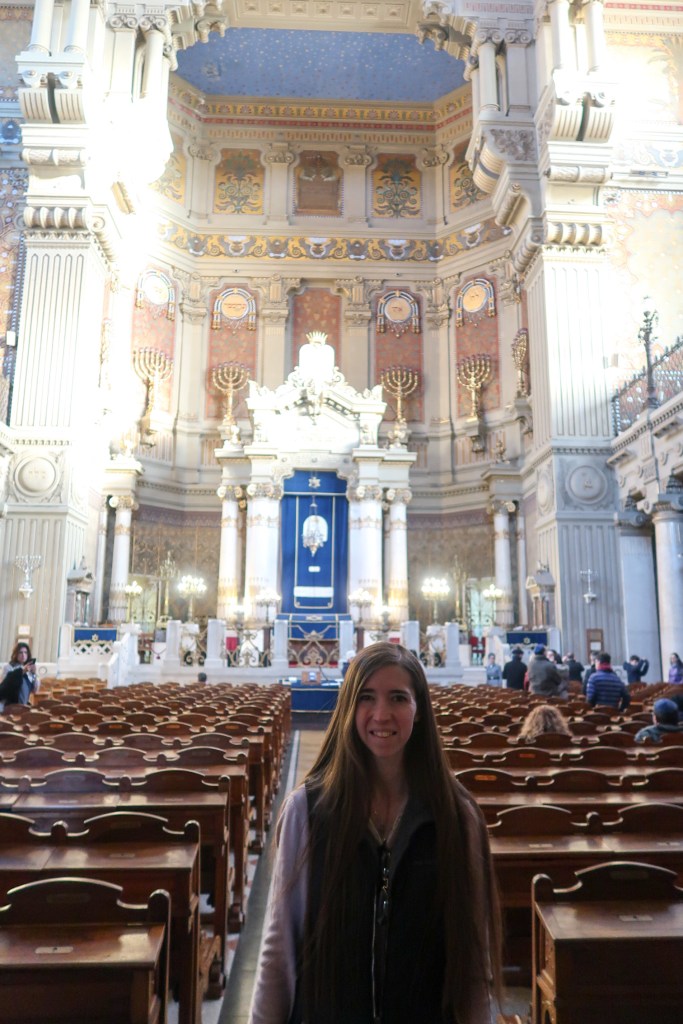
The first thing was visiting the Synagogue in Rome.

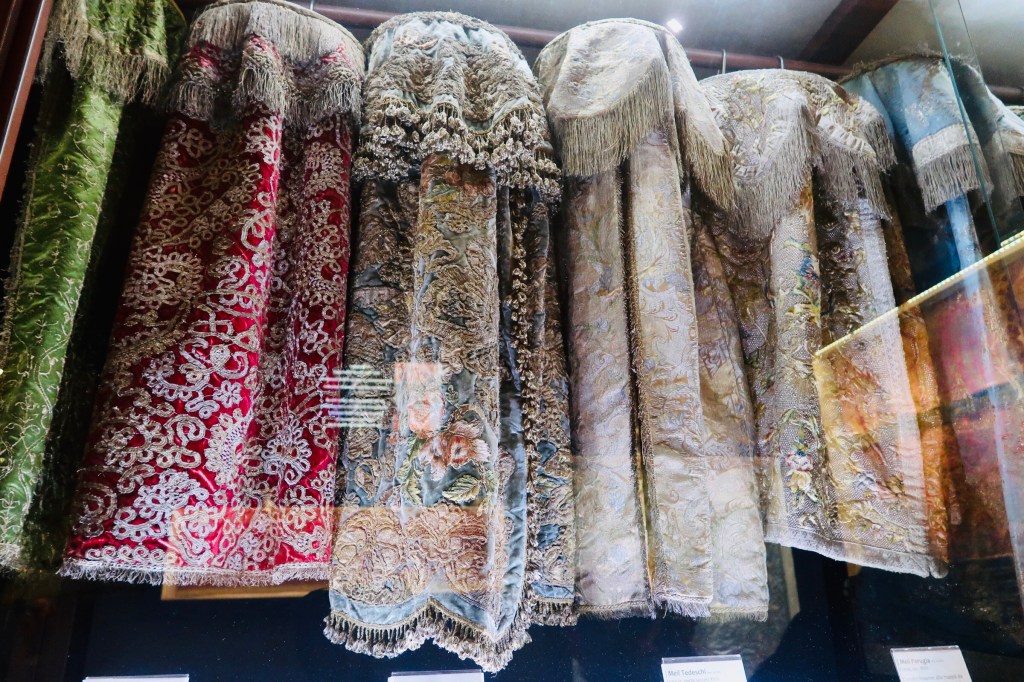
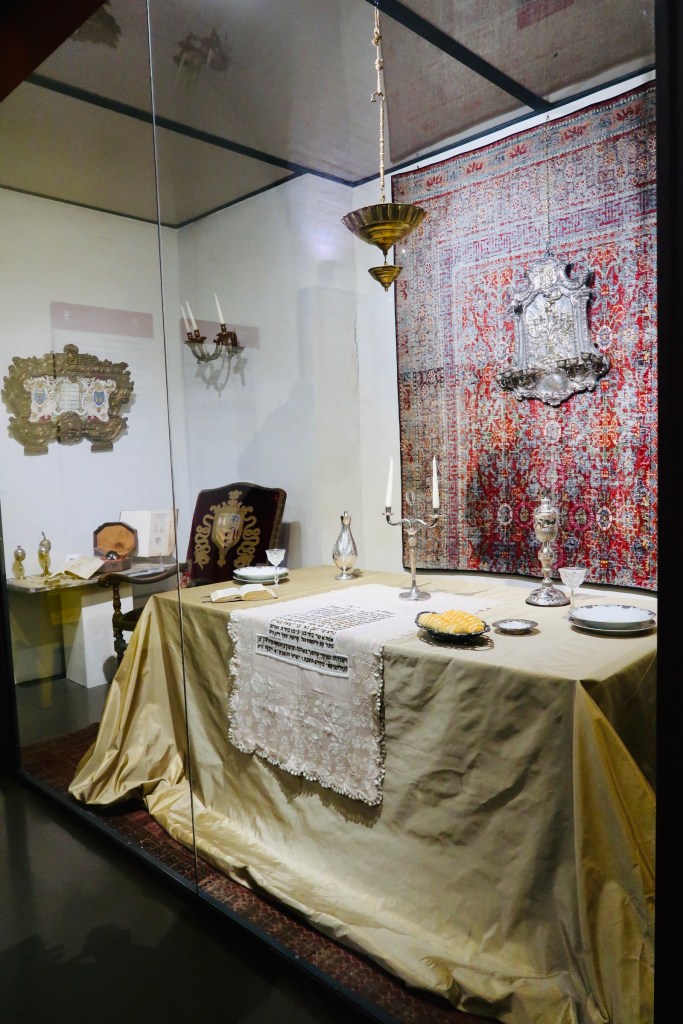
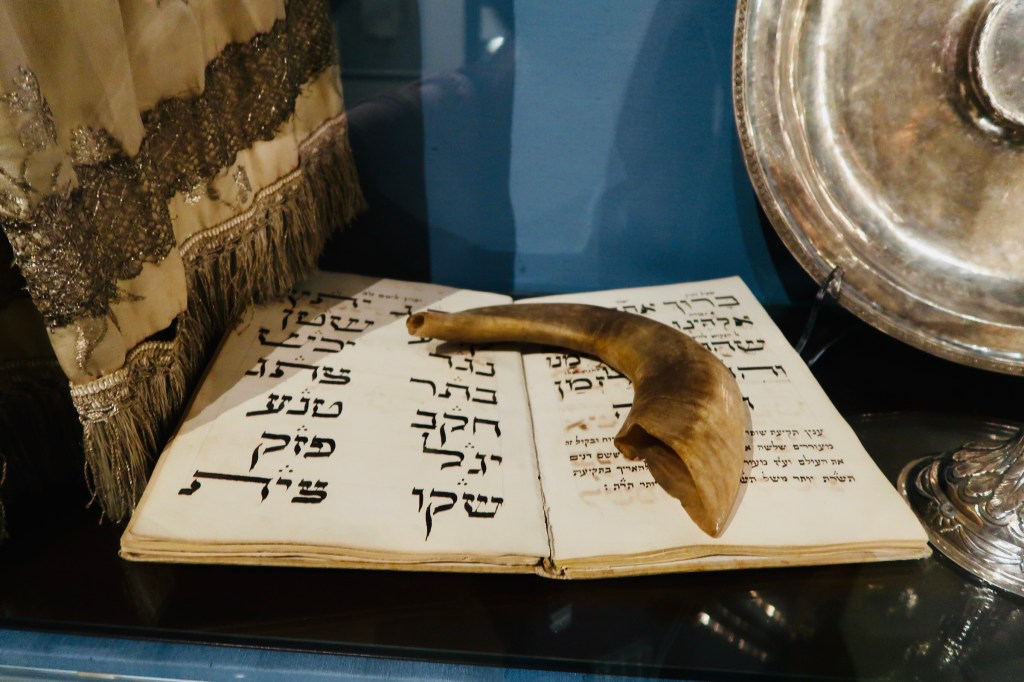
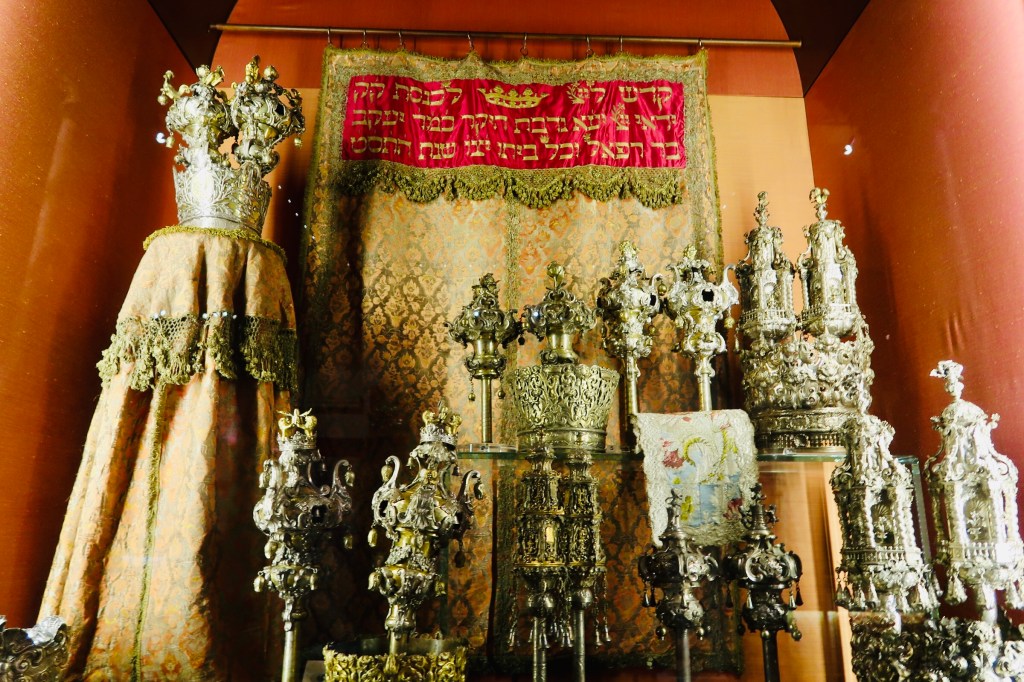
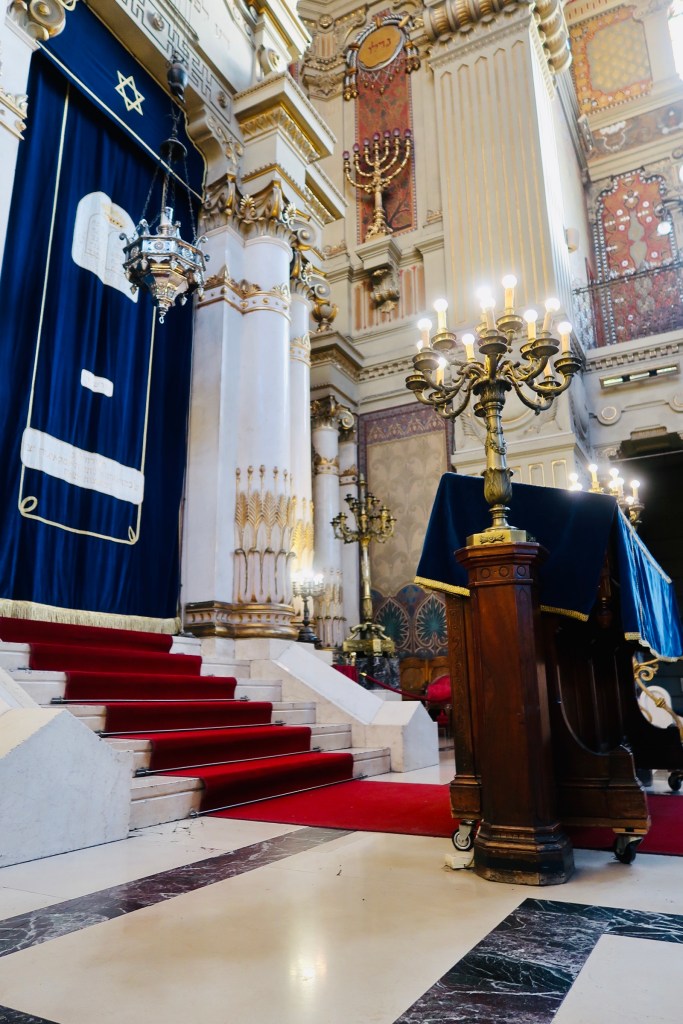
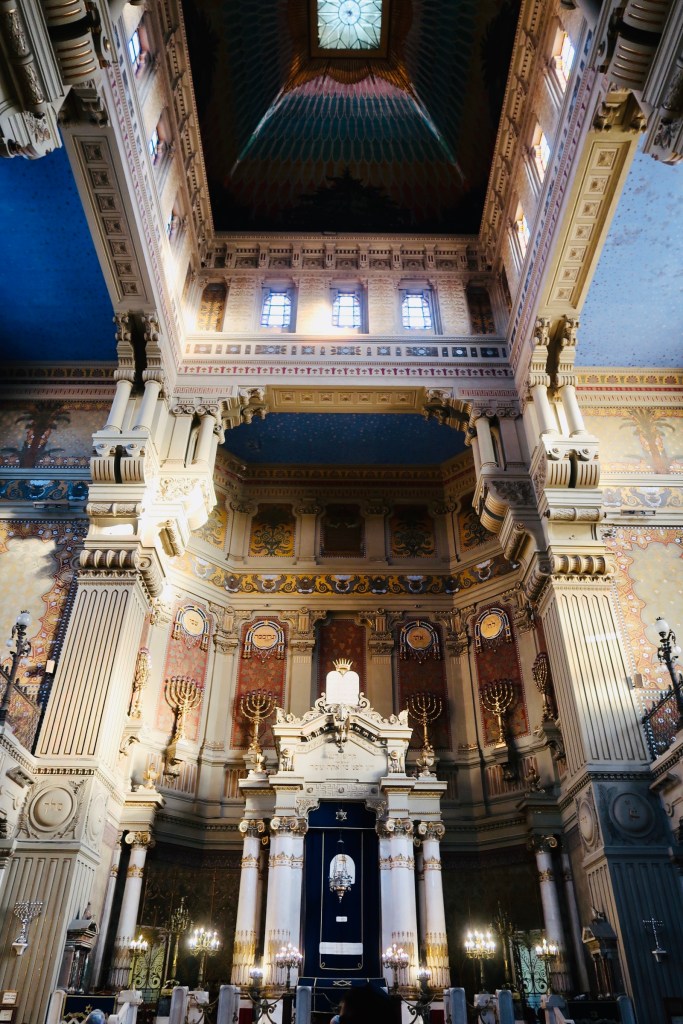
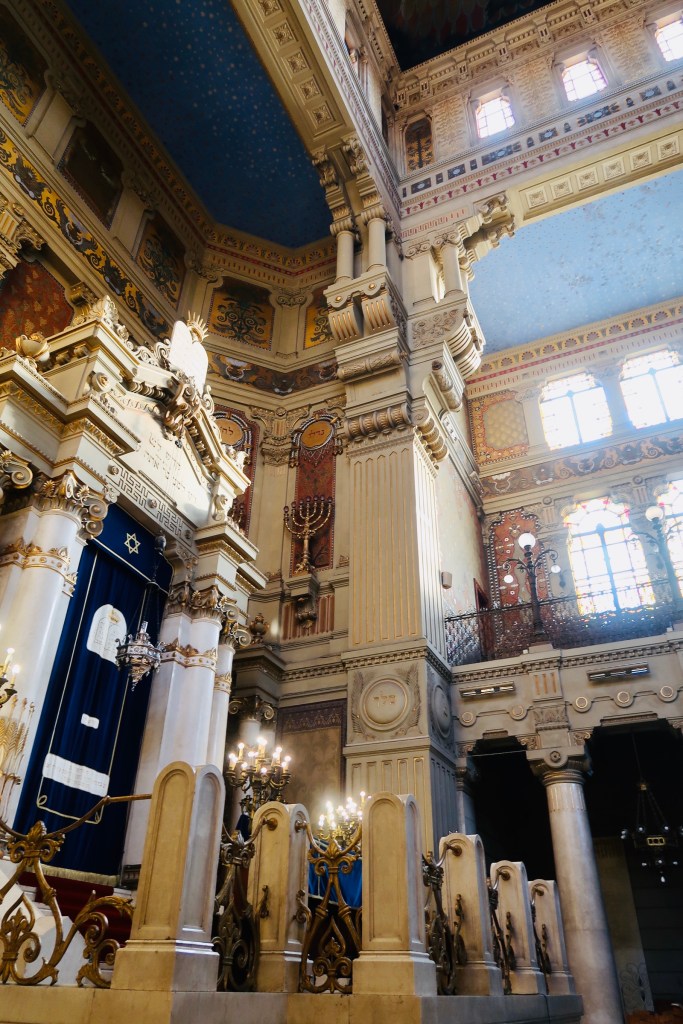
We stopped in the Great Synagogue of Rome and walked through both the museum and the Synagogue and there was something about being presented, front and center, with my heritage that just had me longing for some of it back. So many memories came flooding back, singing in temple, the Friday Night prayers and meal, Challah, the Torah, and the feeling of just having a bit of my “people” back. I don’t know if I realized how much I missed that until that moment. 

Shortly after we got back I started thinking about it a bit more, and then a bit more, and then a bit more. I did a little soul searching to understand what Judaism meant to me and what role I would want it to play in my life. I realized how disconnected I had become to that (even in the reform upbringing that I had). We aren’t a very religious family (in the sense that we don’t go to church, synagogue, follow any of the “rules” of organized religion). My husband is a Catholic and we just kind of blend in the fact of not really practicing anything to much of an extent. I should say- I don’t think that will change, we aren’t going to suddenly become church or synagogue goers, BUT I wanted to know for myself where that longing could fit back in. 

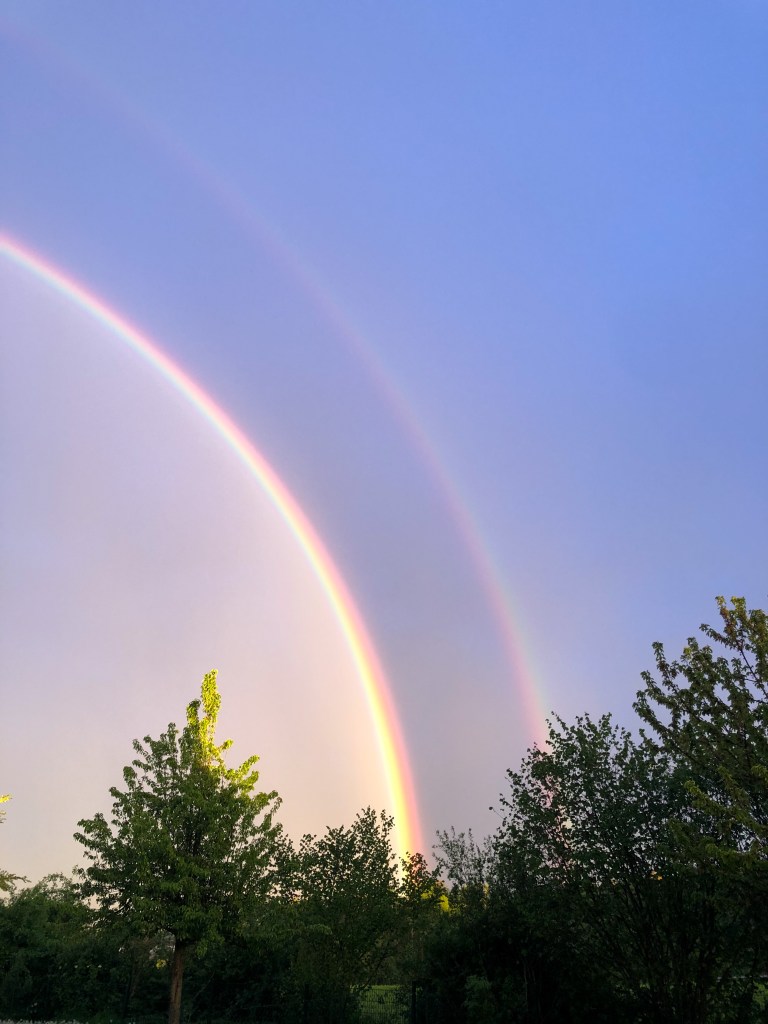
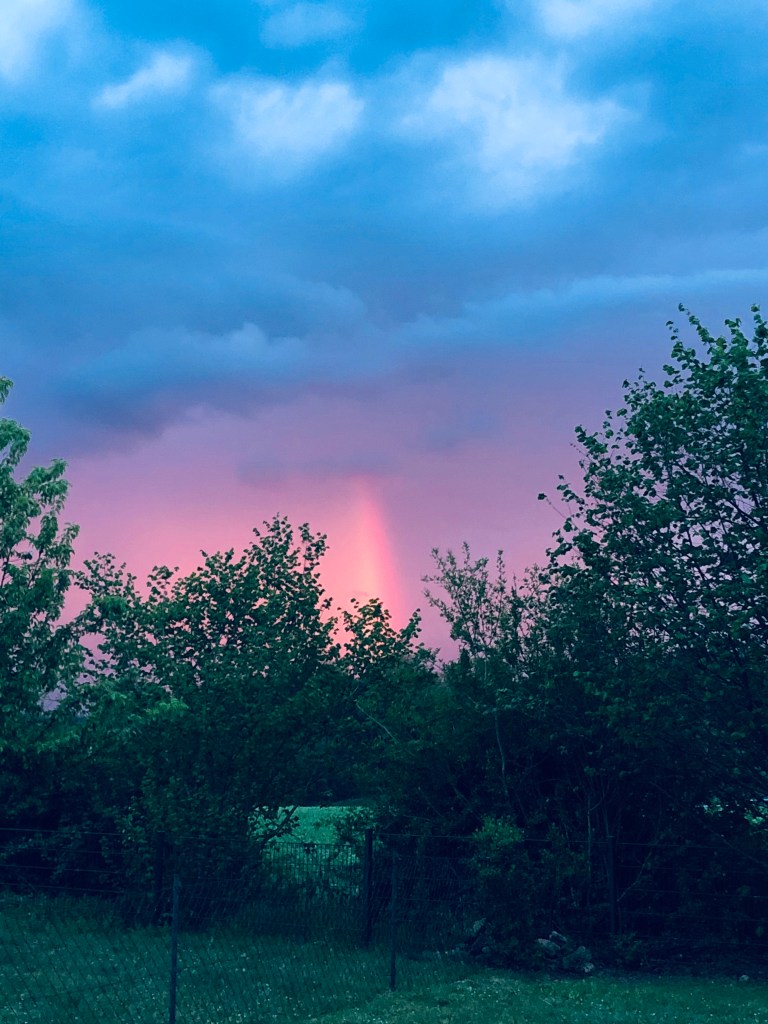
As I was thinking about all of this (I am a notorious over thinker), we experienced one of those things where you can’t help but take it as a “sign” of something. We experienced the most incredible rainbows over the span of a few days, and one night included a double rainbow.

It was one of those moments where the sky is still storming, but the rainbow just breaks through and BAM it just strikes you as an incredible moment. A true feat. I just knew it was a sign. Maybe not necessarily relating to my internal conversations, but a sign of something. 

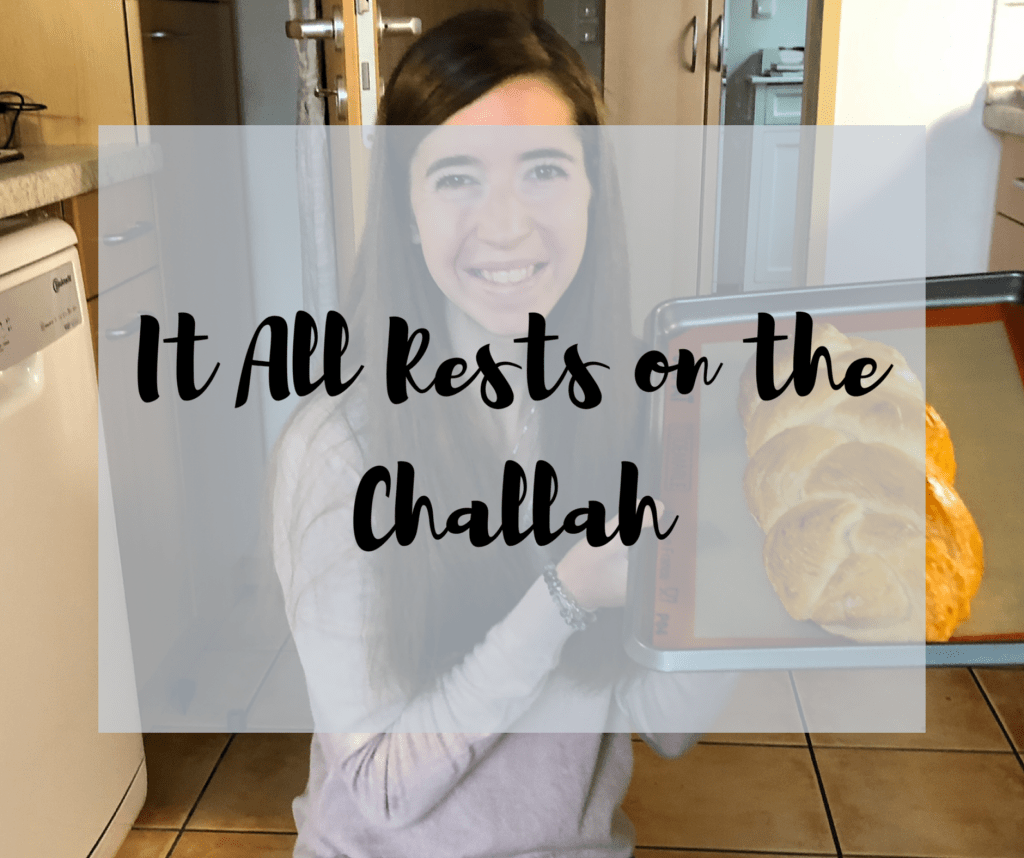
So, in comes my Challah test. 

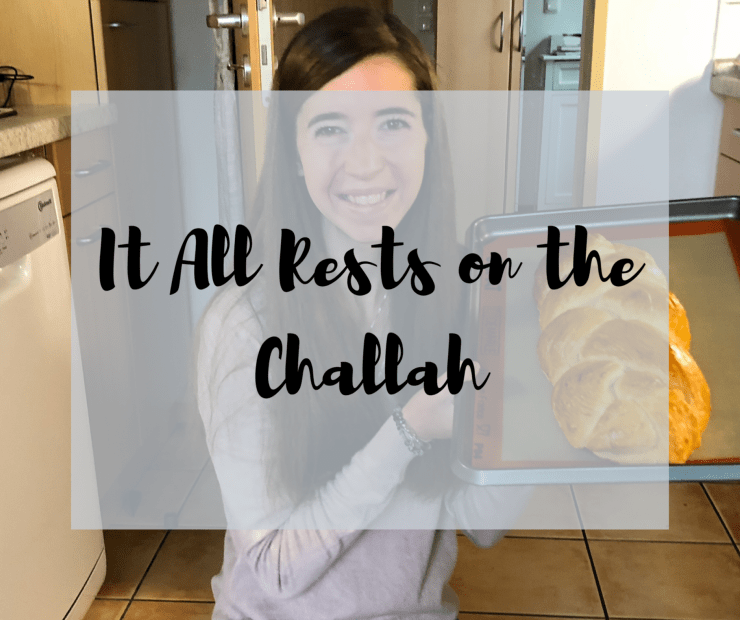
One of my favorite things about the Jewish Culture is the food and the meals that are had centering around the food. I LOVED every high holiday as we would gather with friends and family and feast over wonderful hand-crafted meals (until Passover that is). It was just such a warm time and full of fuzzy feelings. Now, I’m a bread lover and one of my favorite additions to the Jewish Meal is Challah. This sweet eggy bread is just…chef’s kiss and when I realized that making this bread was much easier than I originally thought I knew that I had to try and make it. 

My wonderful, irrational, mind turned my making Challah attempt from just a fun thing to try to a high stakes turning point of my internal debate. In my irrational mind, if this worked then that would seal the deal with my faith, heritage, and that part of myself. If it didn’t work, I was lost from that for good. Everything rested on my ability to make this Challah and make it right (aka exactly as I remembered it from my childhood). Really rational, huh?

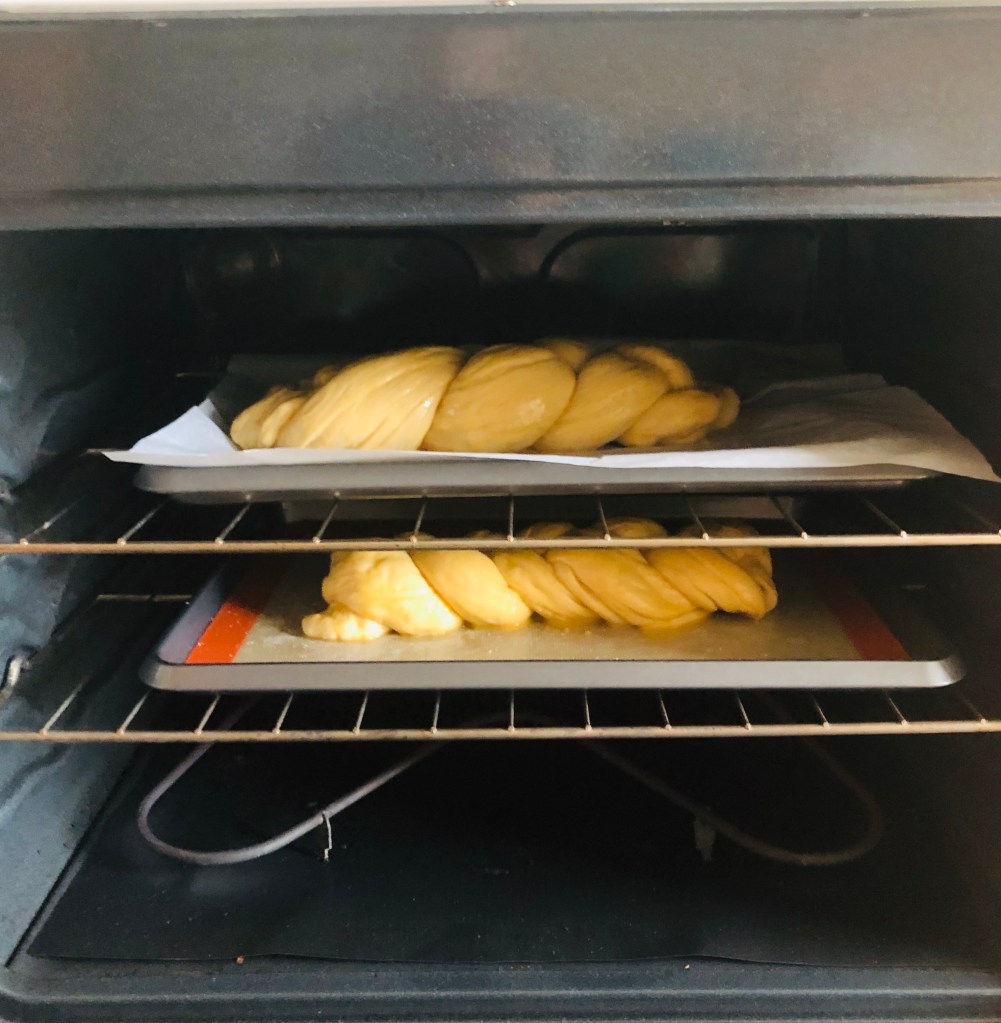
I gave myself two attempts (because the first attempt was garbage – I had gotten everything but the consistency right – and I didn’t want to “fail myself” based on just that) and it was my second attempt that sealed it. 

*Warning- I’m going to toot my own horn now*

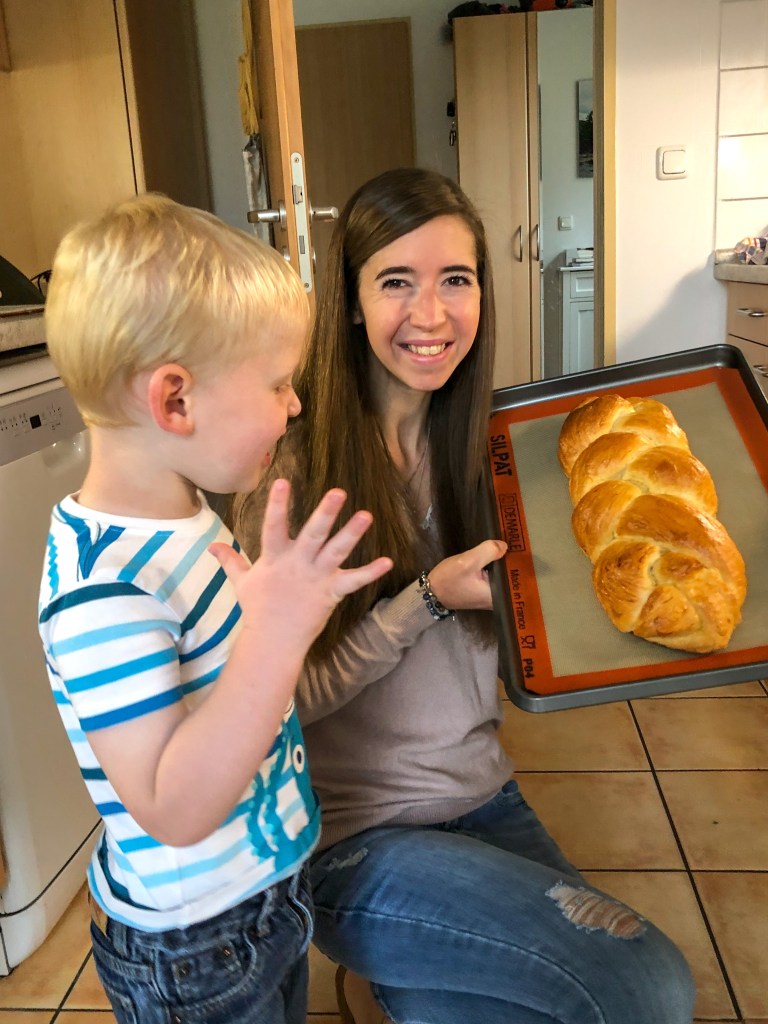
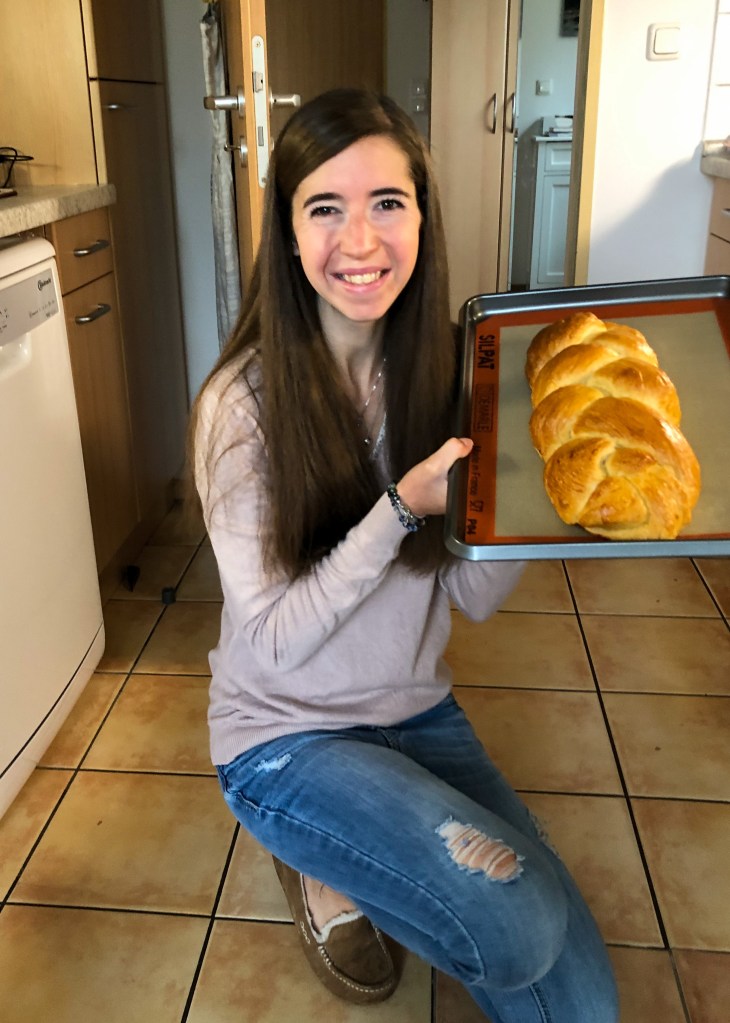
My second attempt at Challah was…incredible. Chef’s Kiss. Beautifully golden, hand crafted with love (and it shows) and tastes exactly like it should. It tasted like something that I had long forgotten, and I felt so…complete in making it. And I knew, that while I wouldn’t be running off to Synagogue tomorrow, that Judaism is still a massive part of who I am. 

Now, I know this all sounds kind of hokey and like I’m walking this fine line of lunacy, BUT I feel like sometimes we fall into that. Sometimes life just brings all of these different, random, moments together to remind us of parts of who we are. And being Jewish is a part of who I am.