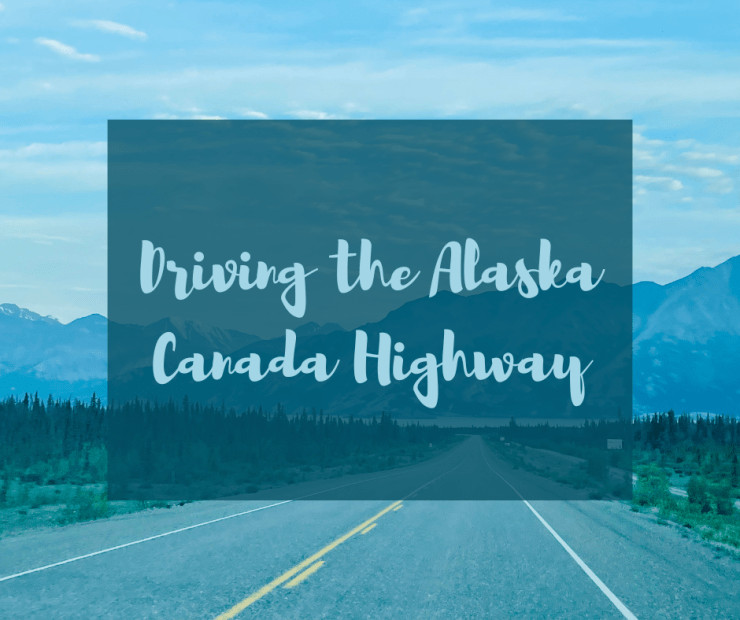
Driving the Alaska Canada Highway

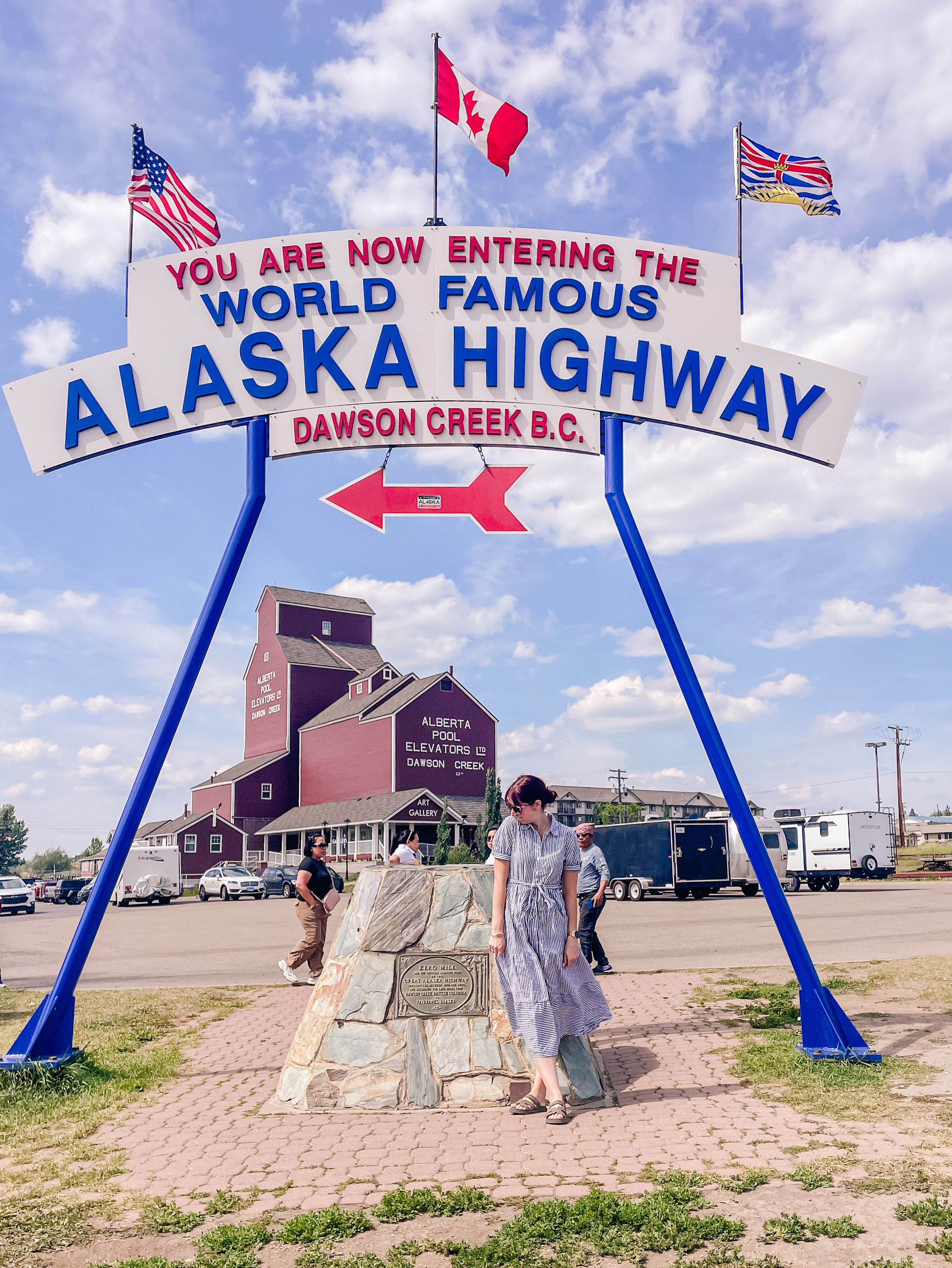
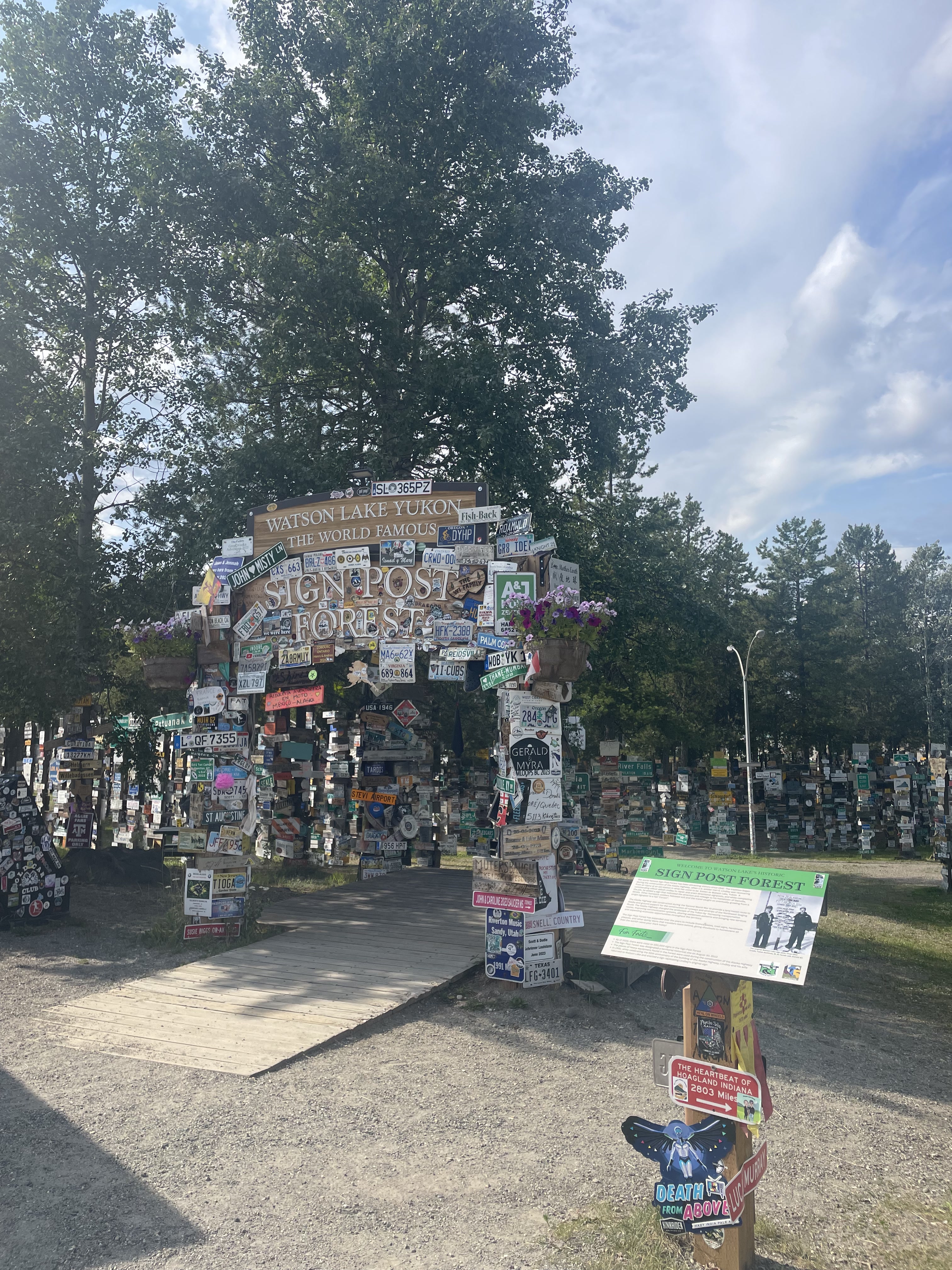
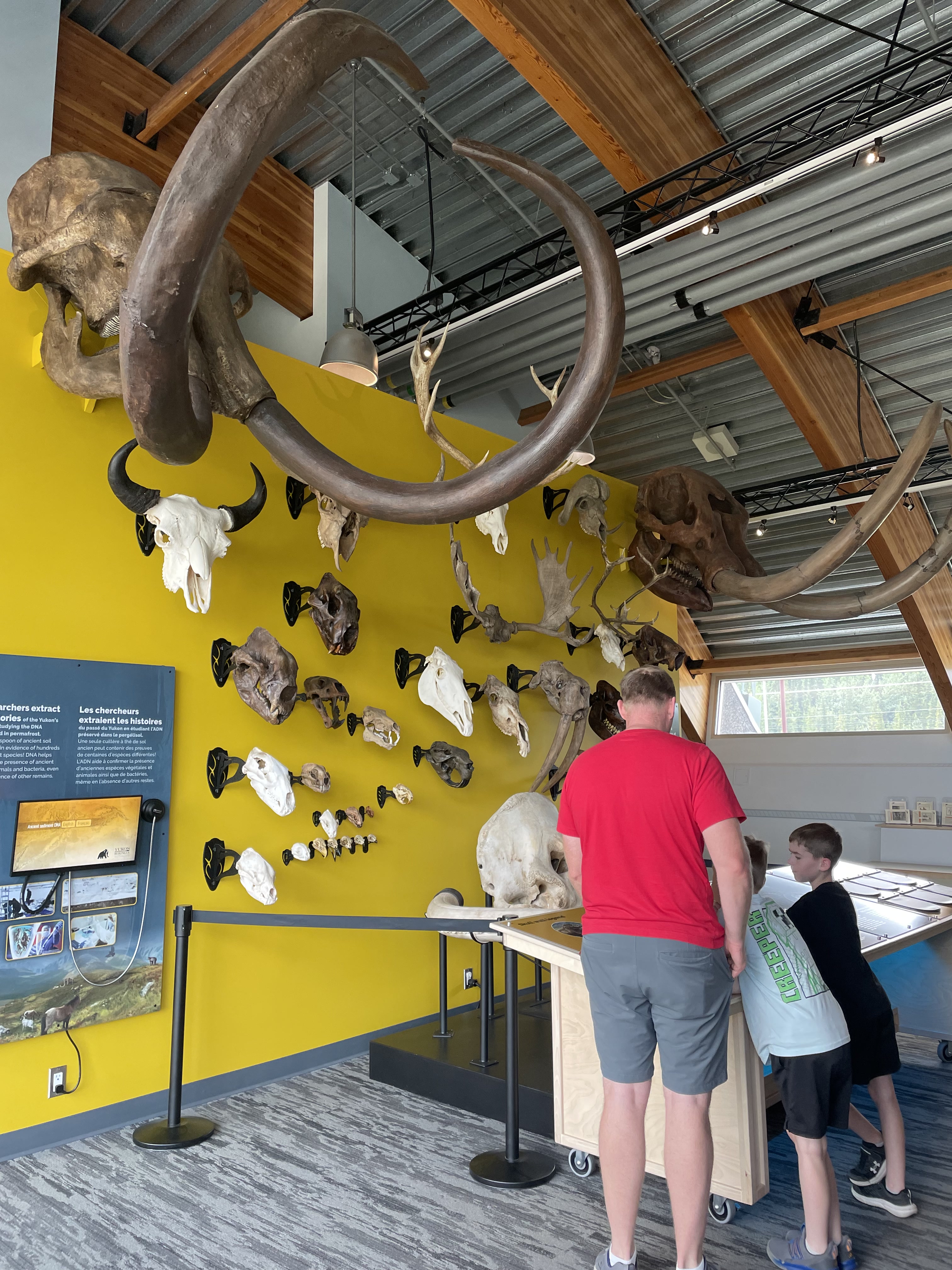
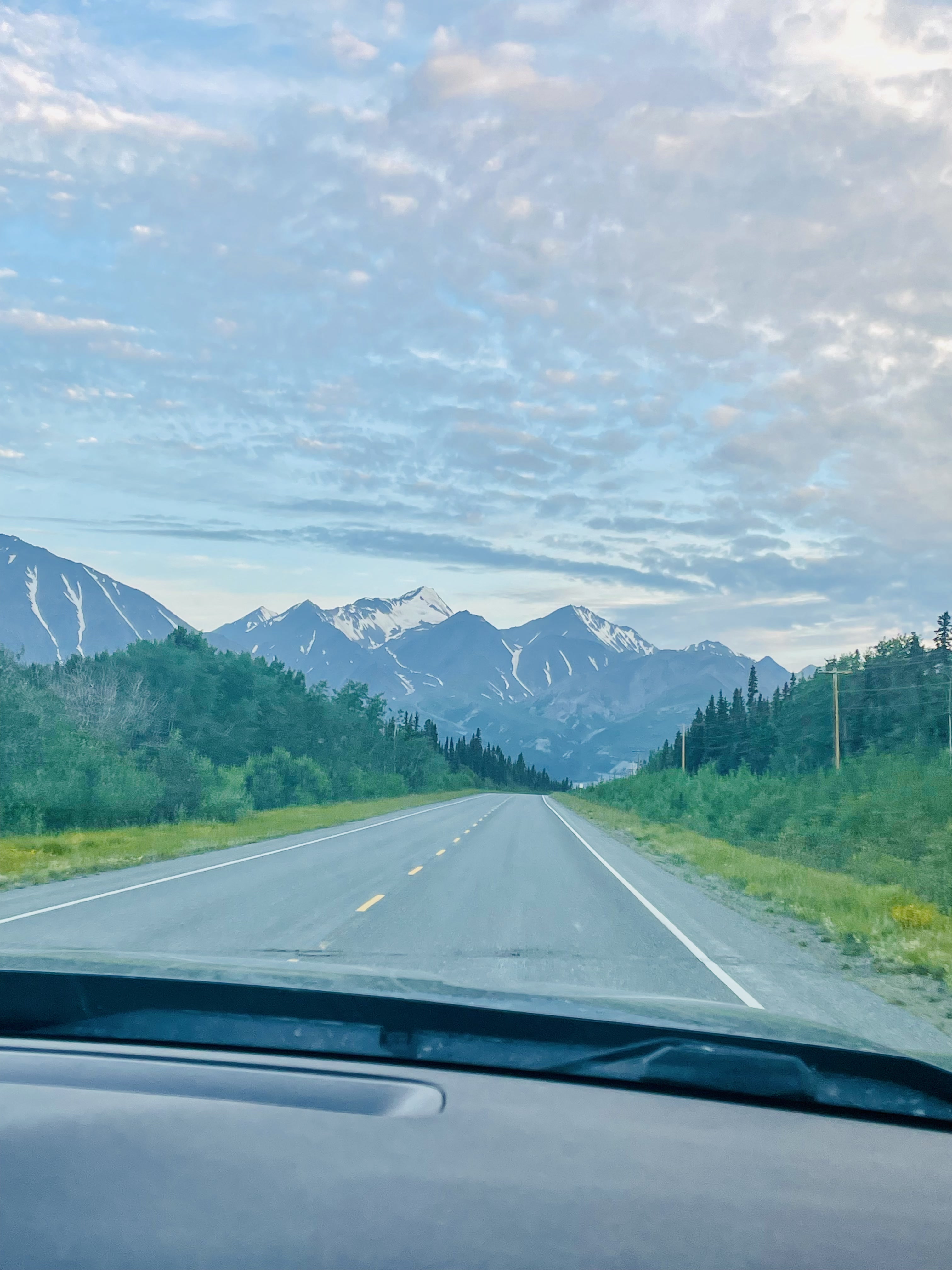
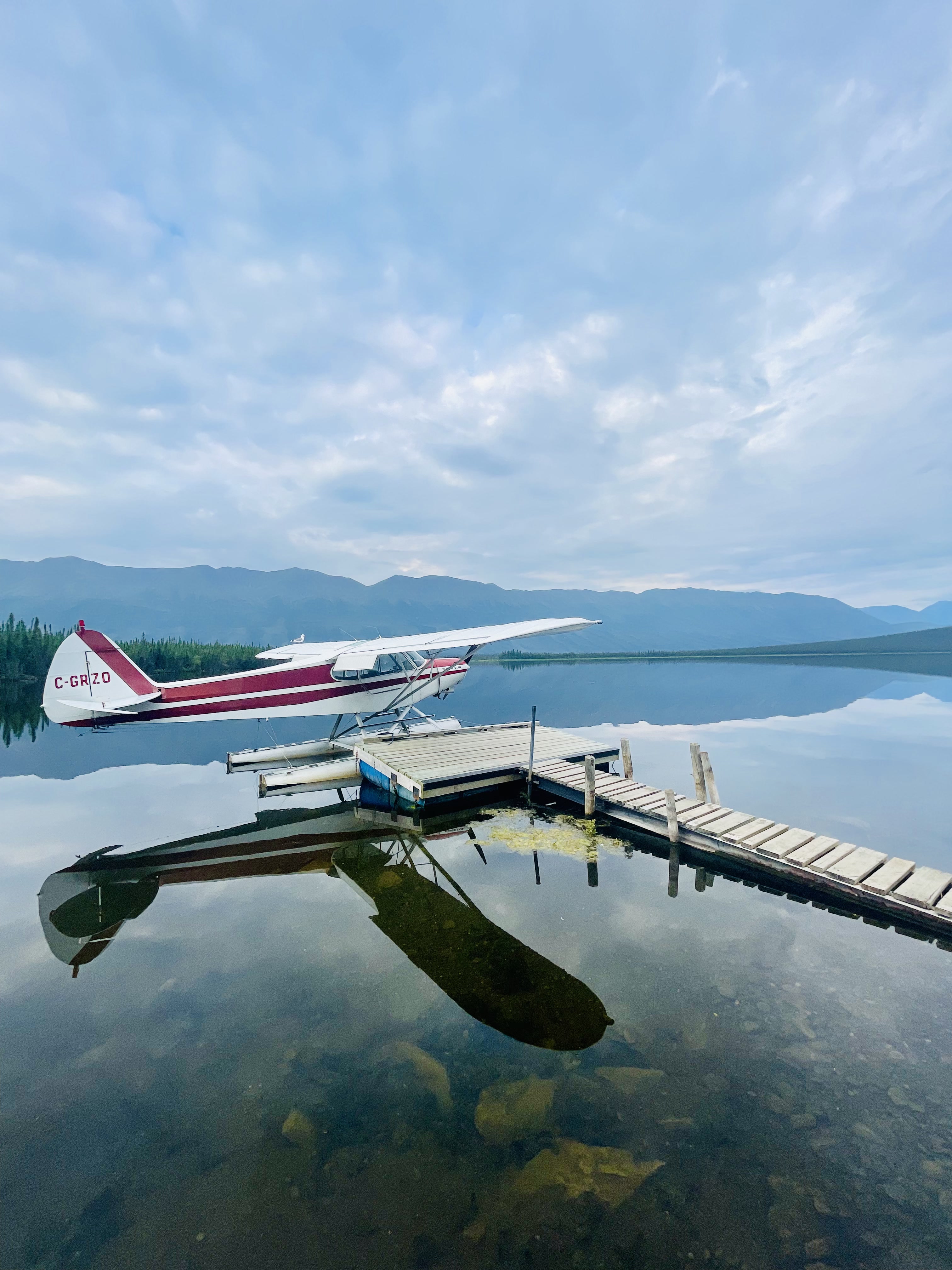
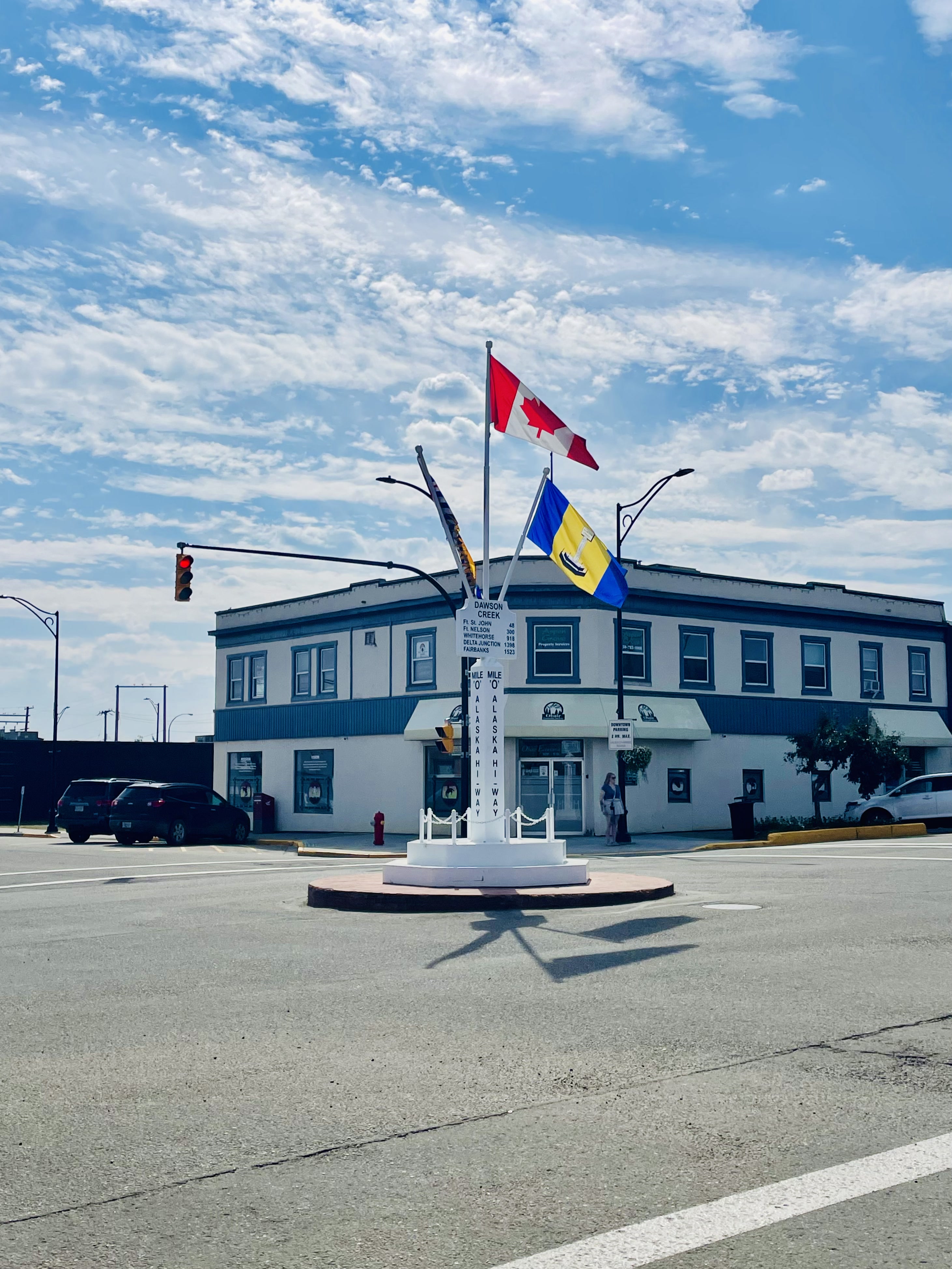
When we moved to Interior Alaska from Texas, we drove. Boy it was a long drive, but the best part of the drive was when we entered the Alaska Canada Highway. It had the prettiest views, the most remote locations on our entire route (and seriously no cell phone service ANYWHERE). This is the only way to drive to Alaska that does not include taking the ferry- which was not an option for us (and not something we were really interested in). 

Originally constructed during WW2, the Alaska Canada Highway was a dream first mentioned in the 1920’s. The idea of connecting the Northern United States to Alaska via Canada was novel (and unwanted for a long time by Canada). However, when Japan attacked Pearl Harbor a lot of concern was voiced regarding Alaska and then the further interior of both Canada and the United States. In February of 1942 both countries (Canada and the United States) came to an agreement to fund and build the road. It detailed that the USA would bear the full cost and most of the construction during the war, once the war was over the US would hand the Canadian portions back to Canada. 

Construction was started in March of 1942 with a total of 10,000 soldiers from the Army Corp of Engineers responsible for seeing this dream to fruition. It was initially marked as a supply route (though it was never actually used for this). They went about building the road using four main pushes and worked from one end to the other. While building, they left quite the mess around causing the road to be nicknamed “oil can highway” and ended up decimating an indigenous village and most of its residents. Six months after construction began crews met in the “middle” of the route and the route was completed in October of 1942 (shocking what a world war will do for construction). 

The road was initially completed simply for army vehicles to use. Standard vehicles were not able to drive the route until 1943 due to steep grades, no guard rails, and switchbacks (to name a few problems). In fact, in the spring/summer of 1943 a large portion of the route was unusable due to permafrost thawing causing the road to be destroyed. 

In April of 1946 the United States signed the land back over to Canada, along with all of the maintenance needed for the road. While this handover took place in 1946, the roads did not start changing/improving and being paved until the late 1950’s and 1960’s. Paving was done in spurts and there are still sections today where it is gravel. 

The Alaska Canada Highway has changed routes ever so slightly providing a safer route, shorter route, and improvement for driving conditions. This means that some of the mile markers are not correct (specifically once you reach Alaska) and that some of the older roads have been surpassed and are simply neighborhood roads (can you imagine?!). 

We spent a total of 4-5 days on the Alaska Canada Highway, and it is simply the most gorgeous route there is. The roads are really good and well maintained- until the last stretch of road, which does have the permafrost heaves and quite a lot of the gravel sections. A couple of important notes if you choose (or are made to) travel the Alaska Canada Highway-

  1. Grab the Milepost book. This was first published in 1949 (at only 72 pages) and has grown into the definitive mile by mile guidebook. It not only covers the route, but places to stay, things to do, gas stations, and other fun things. It is the biggest help from planning the trip to actually being on the road. There were a couple spots we stopped at because we read about them in the Milepost. It is almost 800 pages of information on every single aspect of the route and region. The Milepost can be purchased online or when you get to the route, but you can also grab free guidebooks at the entry point, and these are valuable as well! They tend to be a bit more condensed down but are still great to have. I referenced both throughout the trip. 
  2. Remember that you will not have any phone service (unless you have a starlink). The route is fairly straightforward (especially if you have the Milepost), but there is no phone service if you get stranded. When we head out of Alaska (if we do), I do think we will put our Starlink into some sort of travel mode just so that we have that in case of emergencies. Thankfully we didn’t need to worry about it too much and each hotel we stayed at had internet service so we could do what we needed. 
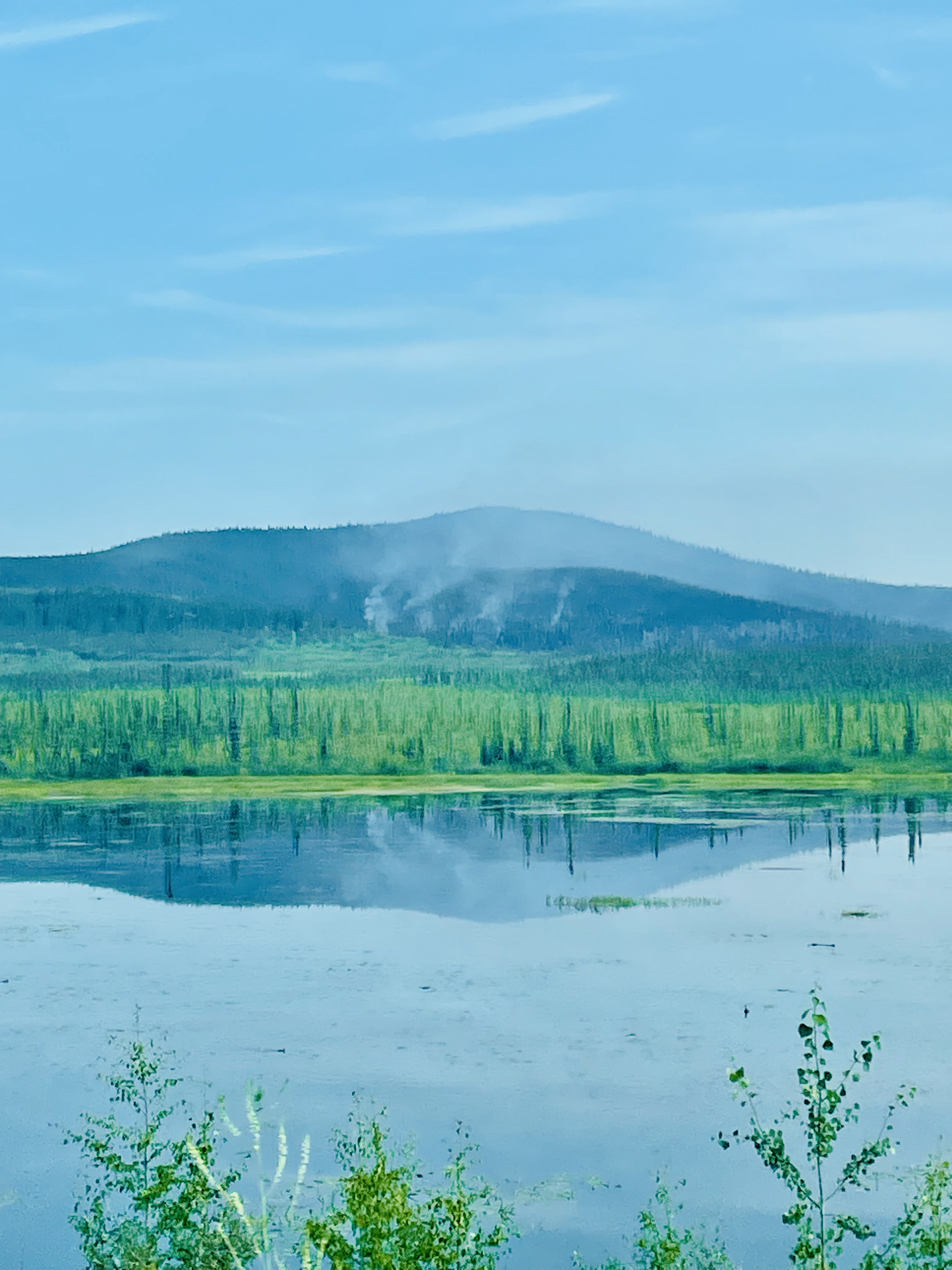
  3. The road itself is decent until the last stretch and the last stretch will either be great or terrible. I wanted to touch on this because the road varies from day to day. When we went through (mid-July), it wasn’t terrible. We think we were past the leveling efforts (they do this every year after thawing), the holes had been patched for the most part, and we didn’t have much traffic. However, that does not always dictate the condition of the road- it can vary wildly with traffic and weather. The road can also close due to accidents, wildfires, or damage. Another note- there are typically not “shoulders” to pull off to. You get as close to the side as you can (out of traffic), but then you are at the mercy of other vehicles to be able to move enough in order for you to do what you needed to do (was never more grateful for a blown tire early in the morning with only one other car on the road). 
  4. Stop, stop, stop! Make all the stops- enjoy the food, enjoy the scenery, and stop everywhere you even have the slightest desire too. I wish we had done a smidge more hiking, but we didn’t really have the travel days built in to do that. We did stop at the Liard Hot Springs, and it was the best little break (and the best priced hot springs). We stopped at a service/rv area for some bison burgers and a commemorative coin. We would pull over on the side of the road (for kids’ potty breaks really) and just admire the general beauty of the area. Untouched wilderness is something special. 
  5. If you are going to drive the Alaska Canada Highway, your final and most up to date resource is the Driving the AlCan group on Facebook. This is run and maintained by locals to the route, has a plethora of resources and files to cover everything you might need for the trip, and provides up to date information on any closures. Seriously this group is amazing.

Our travel from TX to AK was honestly pretty incredible and full of such beautiful site (even if it was loooooonnnnnnngggggggg). 

Hello from Alaska

Hello! I’m not even going to begin this post with a sorry or an explanation or anything of the sort. Life got hectic and as I’ve said, as much as I love the blog, it’s the first to go. 

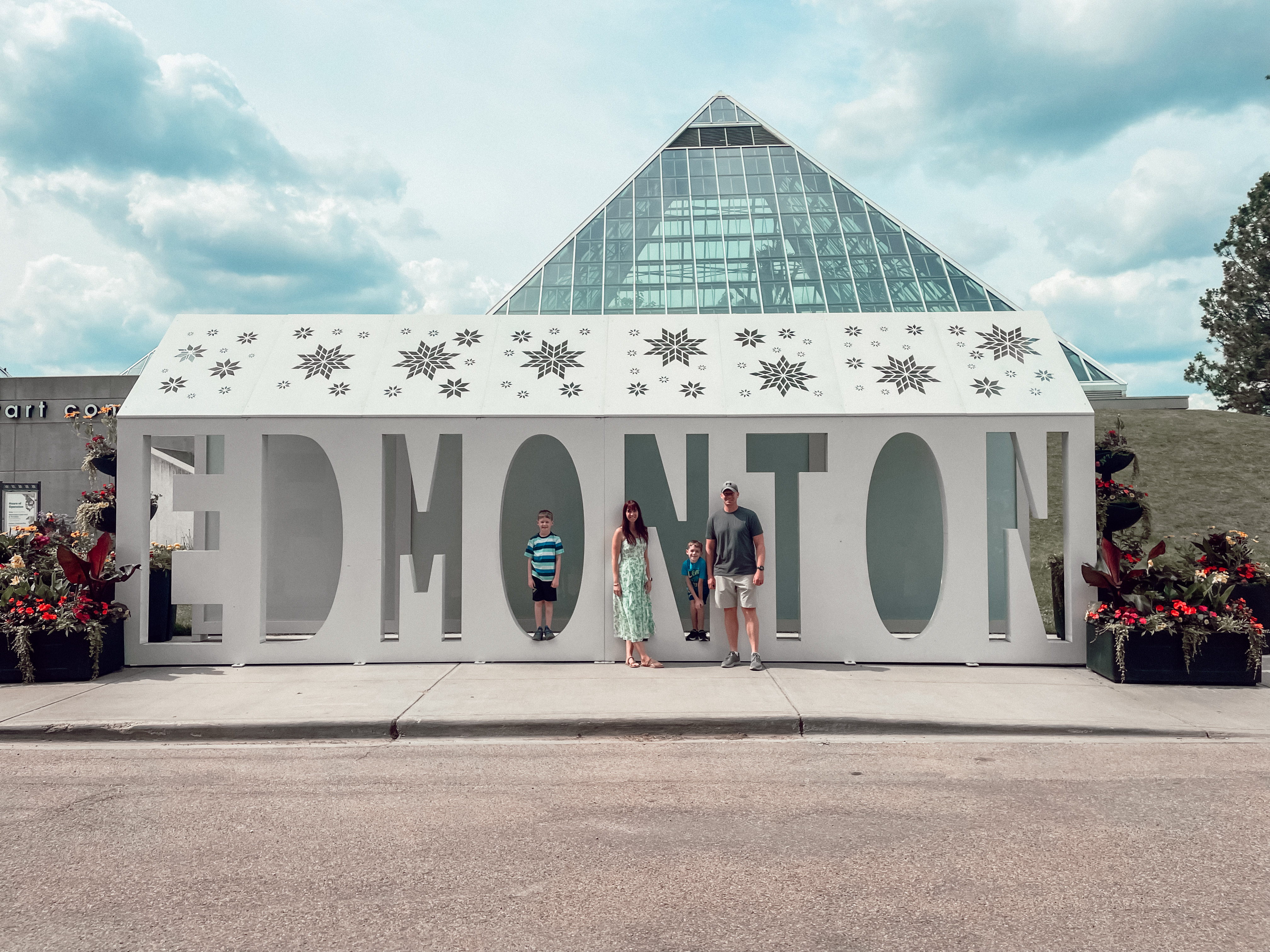
Some updates- we now live in Alaska! We made the drive from El Paso, TX to Fairbanks, AK over 11 days in July. It was a long, beautiful drive that we are very happy to have behind us. I’ll throw some pictures up here so you can see some of what we saw and enjoyed about the drive. (If you’re interested in a whole post of our trip and our itinerary, I’d be happy to do that- just let me know! The below pictures or only a fraction of what we have)

We are in our new house, though living minimally while we are still waiting for our things to be delivered (though hopefully once you’re reading this, we will be in the thick of boxes and figuring things out). I can’t wait to share some of our spaces- I’ve got big plans for this home!

We’re slowly starting to settle into our new community- I’m taking a role within our local spouse’s club, have already dropped in to the USO, and have the next school PTO meeting on my calendar. I do plan on joining the workforce in some capacity during our time here, but finding the right fit will be key as my husband will be back in his normal job world and things will ramp up on his end once again. 

As far as upcoming posts, I actually have a surprising amount of travel posts from the past year to still write up and post- so those will be going up. A lot of travel, some home/lifestyle, and then once our home is set up, I’ll be sharing some bits from there (the library of course). Next week I’ll have my reading update from both June and July. 

We’re really looking forward to this chapter- Alaska already feels so much like home for us. 

A Little Life Lately

Boy oh boy May has really struck. I know by now we all know the comparison of May to December, but I would hazard that May is almost busier/worse than December. Not only are the events FULL with the end of the year, sports, and such, BUT we also contend with the fact that we are looking right at summer often with our eyes half closed because we are so tired from all the things happening in May. It’s already warming up (well maybe- depending on where you are, it sure is here) and often times we are looking at some sort of something over the summer. For us, it’s a move, others it may just be kids at home all day every day. 

Somehow, I thought that by not doing sports for this one year, May would be kinder to us. I was wrong. Sure, we didn’t have to shuffle to sports after school, but my days have been cram packed full of things- from doctor appointments to physical therapy, to USO, to school bookfair and other school meetings. It seems like it hasn’t come to an end, until here we are at the end of May and my “I won’t be able to write for the first two weeks of May have turned into a whole month. Where did it go? (Yes, I am having a mini crisis over the fact that the month has seemingly ended by the time you are reading this and the day that I am writing this is one month away from our leave this state date.)

So, I thought what we could do today is have a little catch-up moment. A lot has happened this month (and last) that I’ve been semi sharing, but not really. 

First up, I injured my back mid-April. It’s been something that’s been coming for a long time (apparently my x-rays and MRI’s share quite the story) and it finally happened. What I wasn’t entirely prepared for was the sheer length of time healing is, what healing looks like, and how much a back injury truly affects you. I was in excruciating pain (I’m talking labor and worse levels) for several weeks while we tried to figure out what/where the problem was (and during this time I had some…practitioner issues as well) and then we’re still in the stage of figuring out medication. The pain has died down from the immediacy of the nerve pain, but I’m dealing with numbness. Physical Therapy is a joy (said with sarcasm), but we’re doing the thing, and a nerve test is imminent. 

The thing with your back is that it really just…handles all the things. So, when you injure it in any capacity (and I have before, but never to this level) it takes you out. It also takes a lot longer to heal. Being sidelined is not something I am good at. And honestly, I hit some really low moments, lowest I’ve had since I was post-partum with my first. I had some really big reality checks, still continue to have them, and I’m trying to stay positive and work my way through it. 

While that was ongoing, we had all the school things- the book fair, end of year planning for the PTA, end of school year meetings AND my older son had a truly terrifying event that the school wildly mishandled. I will not be going into details on that but know that my mama bear went wild and the level of stress that was going down over one situation for both me and my child was…a lot. It’s been handled at this point, and I’ve had several phone and in person meetings to ensure steps are taken so it doesn’t happen to any other children. 

And then, because we are just full of things, as I mentioned at the start, we are moving! We are moving out of El Paso and Texas, and we are headed off to ALASKA! Couldn’t get any further if we tried haha. We are incredibly excited for this next adventure (we picked it after all) and are very ready to head up north. There’s a lot I’m already planning for being up there and a lot to look forward to. 

While I can’t say that this has been our favorite place we’ve ever been (in fact the complete opposite), I do feel like we’ve made the best of it and accomplished a lot. We traveled through Arizona, Texas, and parts of New Mexico. I took on new opportunities both within our school PTA and through the USO. Our kids learned what “hot” truly is and how to handle tough situations. I’ve made so many good friendships here with women- I truly feel like I have experienced that “sisterhood” feeling that extends beyond my own small group of friends. I’m leaving here not a different person, but with more tools, information, and experiences under my belt. 

And so, content will resume. I have so many things that I have posted about, all the nature we’ve experienced/hikes we’ve done, some of our recent travels haven’t made it to the blog yet, and of course all the books I’ve been reading (I’m AHEAD of my goal!!). More to come- more to come 

A Cuppa Cosy Travels – Tucson, AZ

This year for Spring Break we decided to work our way through parts of Arizona. It’s not too far that we couldn’t drive and yet it was far enough that we felt we were in a completely different area (which…to be honest we needed). We started off in Tucson and headed all the way up to Williams and The Grand Canyon before dropping back down to home. It was such a nice trip and it had me wondering if Arizona is a secret oasis that none of us are talking about…or if I was just enamored with the different scenery, the multiple seasons we experienced (in just one week), and the incredible might of Mother Nature’s presence in Arizona. Who knows really. 

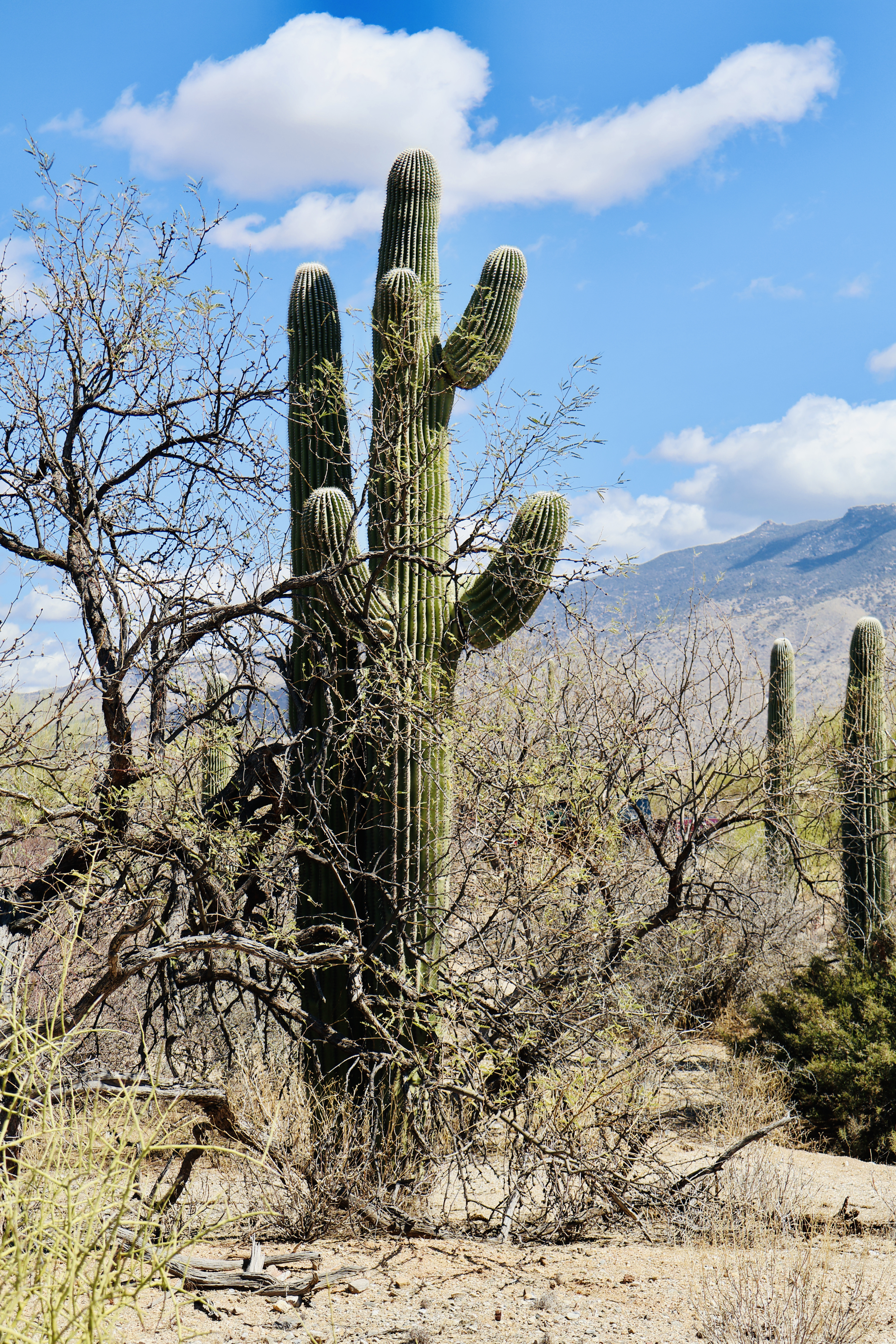
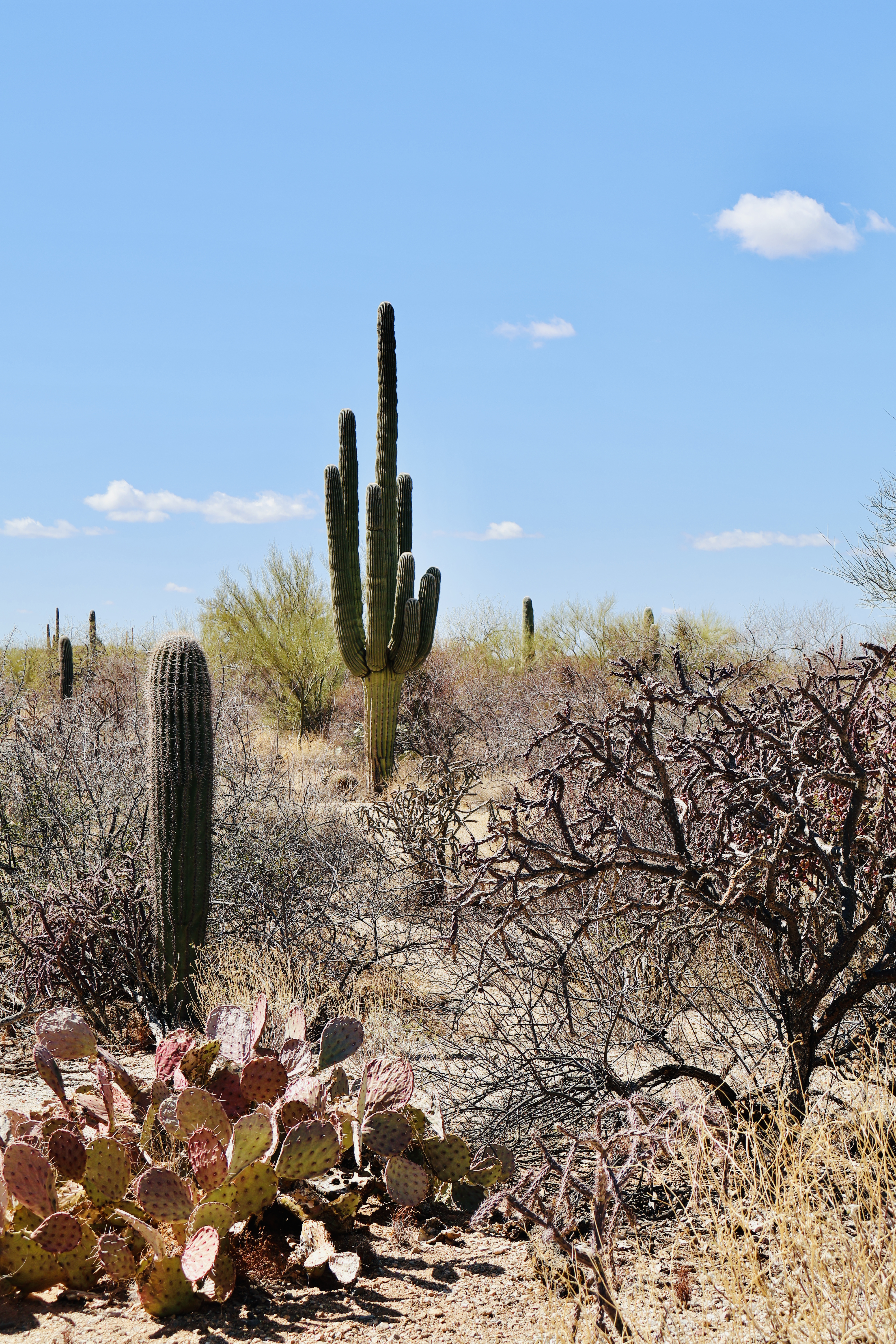
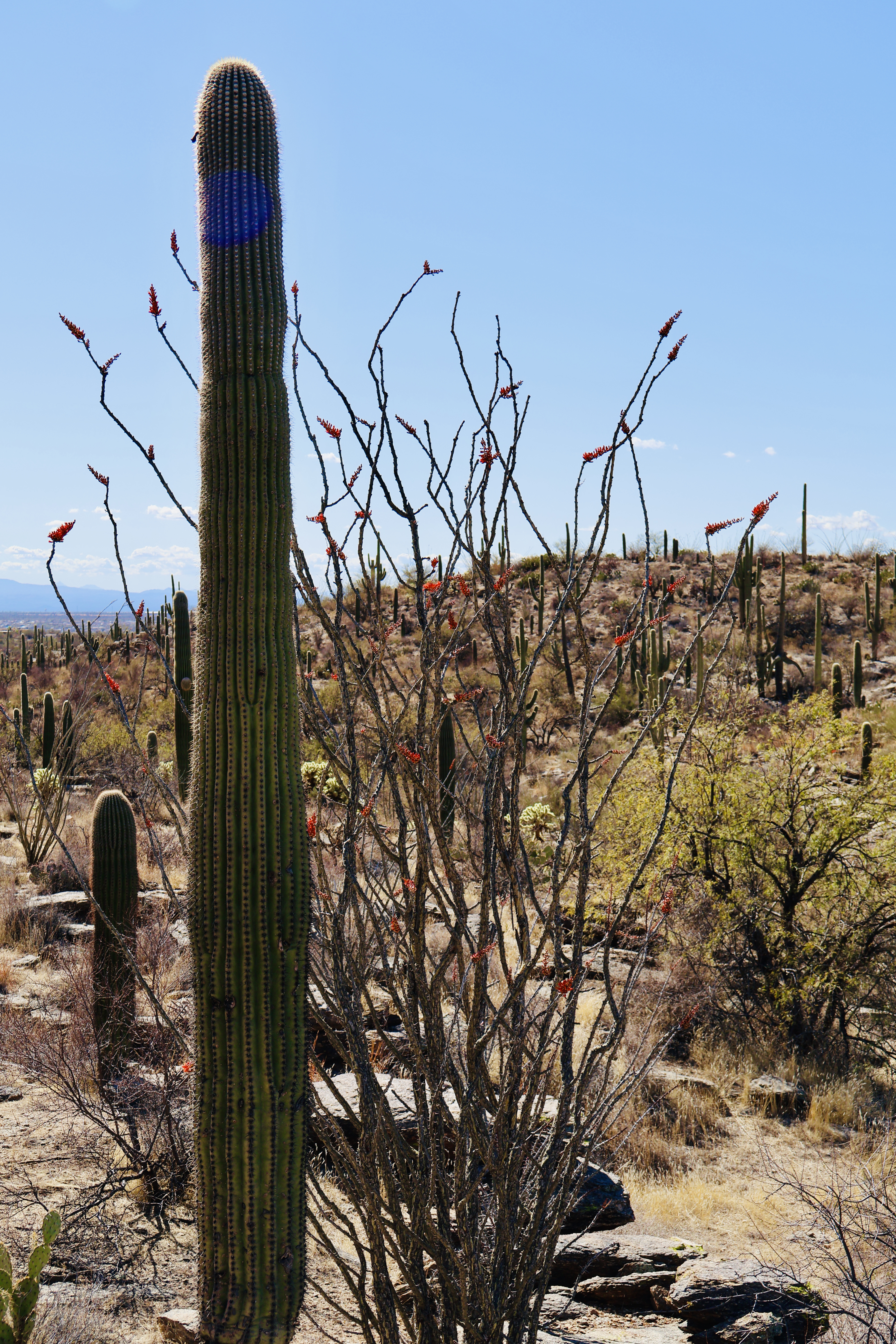
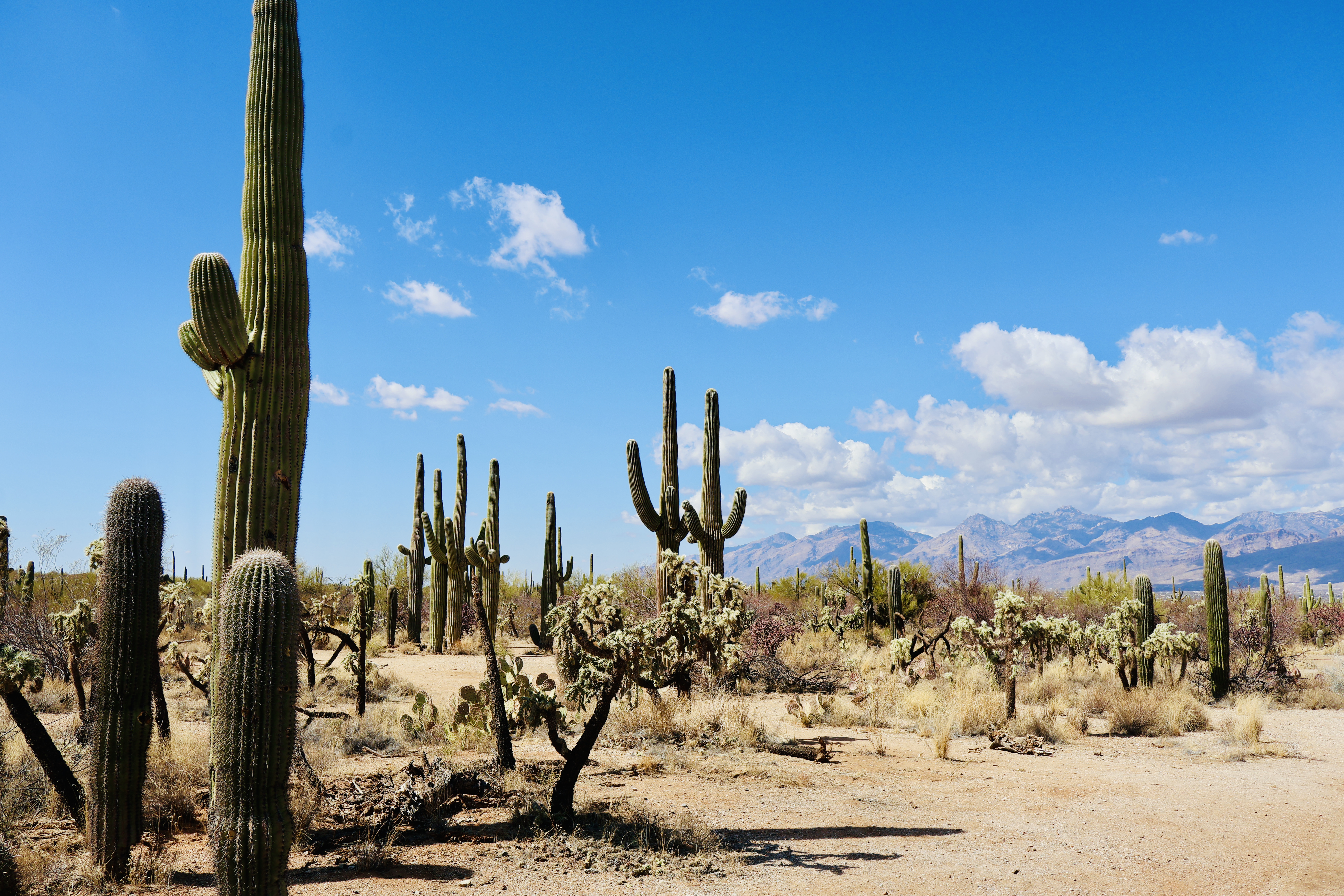
So, to start with we headed to Saguaro National Park. The Saguaro is the cactus we all think of when we think of cactus. They stand tall, they have arms, and the give the desert vibe that you picture with Arizona/Desert (it is not typically found in the California region of the desert). The Saguaro really only grows in certain locations (all below 3,000 ft) and the Sonoran Desert of Arizona is one of those locations. These absolute monsters of cacti can grow over 40 feet tall and live for a very long time (well over 150 years). They are slow growers, taking almost a decade to even grow to ½ a foot tall. The “arms” do not always grow, however if they do, they don’t tend to start to grow until 70-100 years old and they are grown to increase the fertility of the plant. The cactus itself grows both flowers and fruits and can store and incredibly large amount of water. Considered a keystone species, the actually growing location and process, as well as the impact on the wildlife around it is fascinating (no seriously- I found the way mother nature works and how everything ends up working together absolutely fascinating). 
The inside of the Saguaro is akin to a rib cage- though the ribs are similar to hardwood in the composition. They do have a prickly thorn outer covering- the spine. These can grow up to 3 inches long and do some damage. The flowers produced on a Saguaro are white and typically open after sunset and the fruit is a red, is typically ripe in June, and requires a pole to harvest due to how high up it tends to be. 

Within the Saguaro National Park, you drive to various stopping locations where you are able to get out and hike trails and see the variety of both Saguaro Cactus and many other variations of desert plants. We spent a good couple hours driving and walking through. There is almost 2 million Saguaro’s within the park, not to mention the wide wide variety of other cactus and plant life. Be careful of wildlife (though we didn’t see any while we were there). It’s truly incredible to see (which is a common theme for this trip overall). 
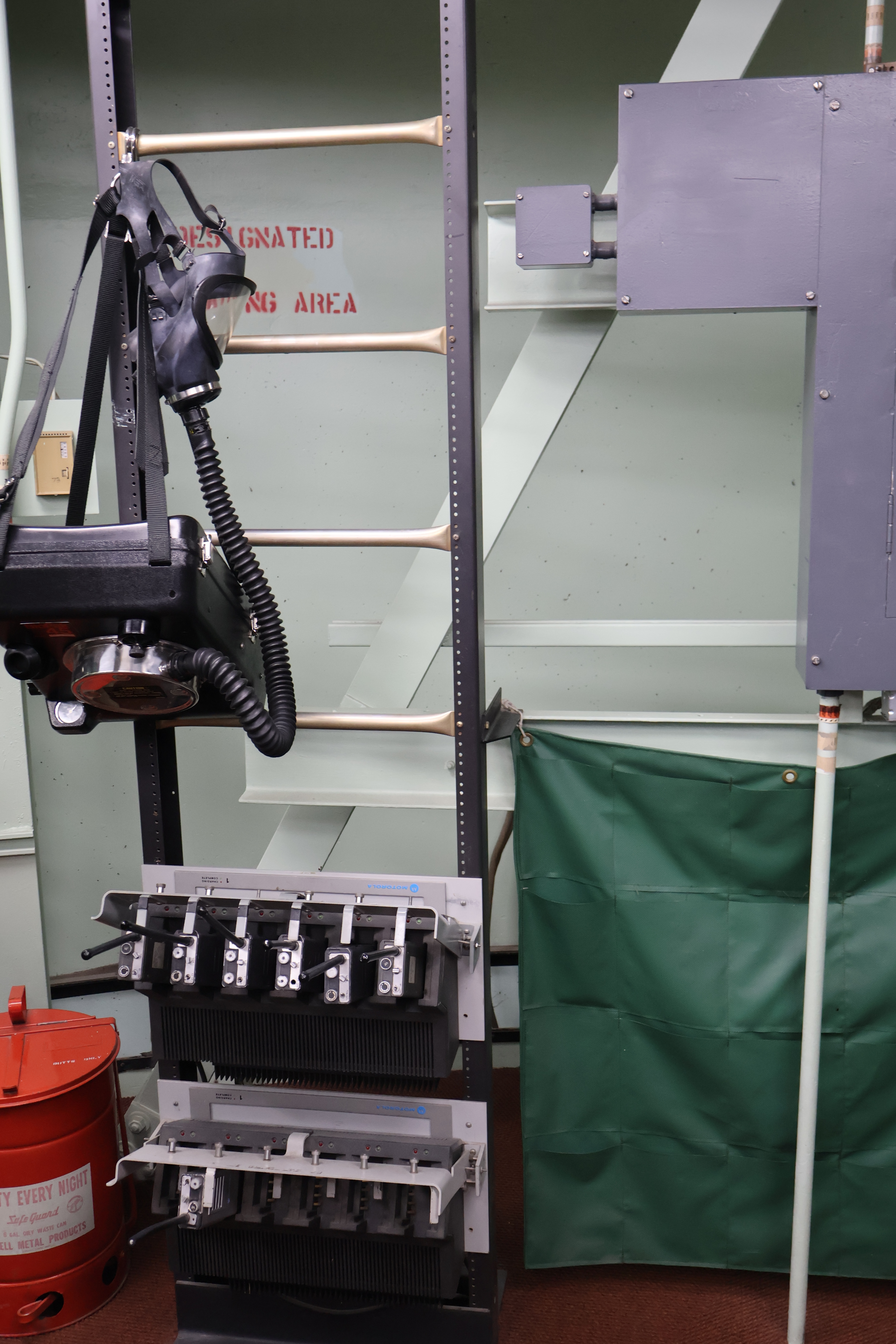
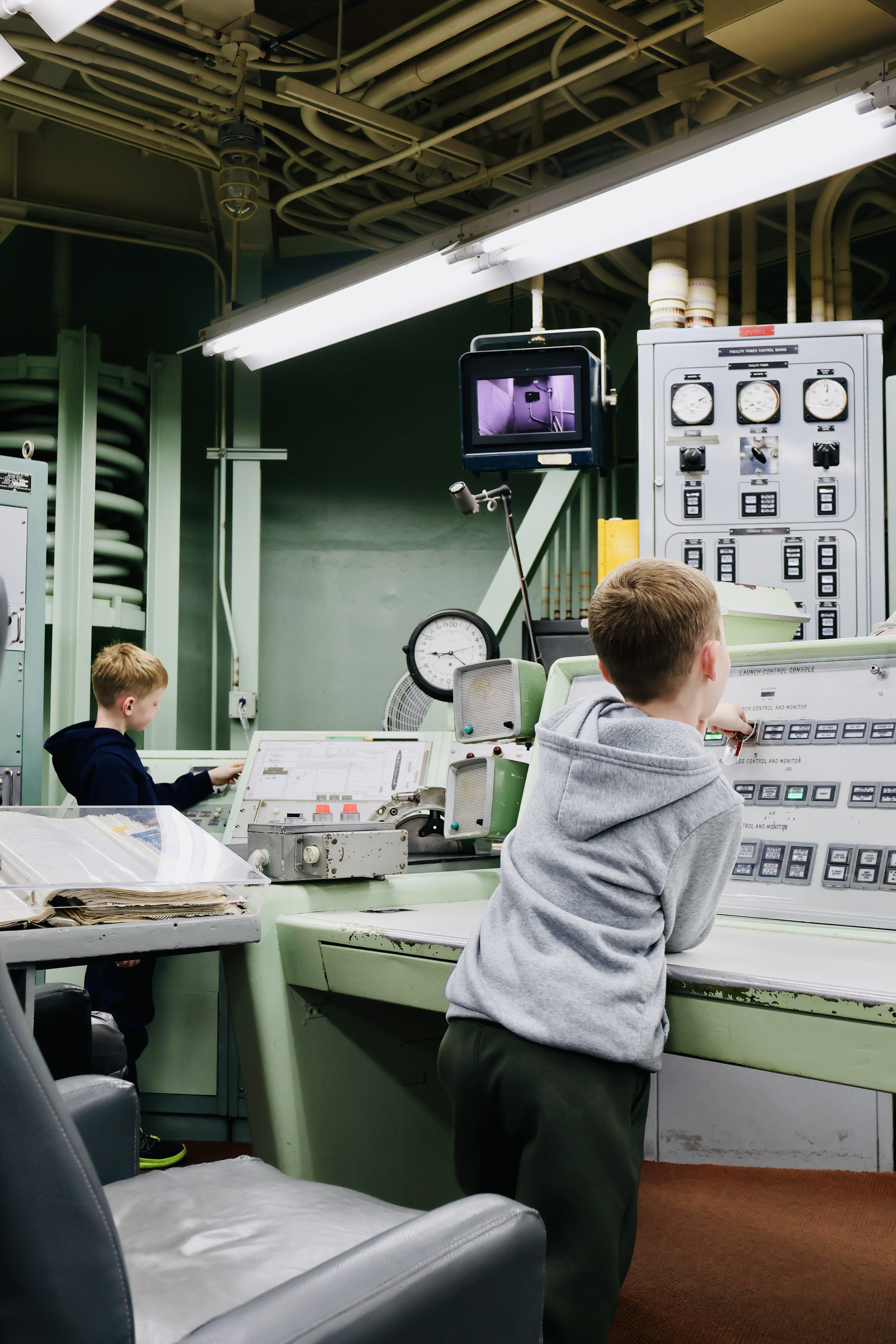
Our second day in the Tucson area was full of history- from completely different timelines. We started the day at The Titan Missile Museum – the only site of the three sites of the Intercontinental Ballistic Missile program still in existence and open to the public to tour.  And that tour is both for the work site and an entirely preserved Intercontinental Ballistic Museum (which we will now call ICBM because typing that out every time…whew). There are actually only two preserved launch sites in the world from the Cold War- the one in Arizona we visited and one in Russia. This was designed by the treaty. Both sites have dummy missiles and other measures to ensure that they are non-operational (and those measures are checked regularly by satellite). 

The Titan II was the largest ICBM ever in existence by the U.S. Air Force. It was massive- an absolute weapon of true destruction. Located at 3 separate sites (all spaced out by a certain number of miles and each with its own dedicated Silo and base), these missiles were operational for a total of 24 years. The big innovation of the Titan II was storable propellant, which allowed a faster launch time. 

First activated in 1963, the silo sight (Titan II Launch Complex 571-7) was manned 24 hours a day, 7 days a week. The whole idea of this was not only for safety purposes, but also as a deterrent. Both sides had these weapons during the Cold War, and if both sides were continually at the ready to deploy them, then both sides wouldn’t…in theory. We booked the tour that was able to take us down into the silo to see both the bottom side (well more like middle- its massive) of the missile, as well as into the office where the soldiers would sit on shift and deploy the missile if the worst should happen. Please note- this tour they do an example deployment and it’s…something. We learned the measures that would be taken when a new crew came on shift- from the four phone calls that had to be made, the evasion tactics should the soldiers be attacked or followed. No soldier was allowed to be alone within the site due to the potential of spies. It truly was a secure site. We also (as I stated) were able to do a “launch” of a missile, seeing all the steps from start to finish, to see what lights on the various control panels would light up (they are all exactly as they were/would have been while active), and then hear the sounds. It was very enlightening. 

Once the silo stood down in 1982, work was started to try and turn it into a museum. This took a lot of work as the missile belonged to the Air Force, but if it was run as a museum, it would be local jurisdiction, not to even begin to mention the treaty between countries and the complicated relationships there. A lot of work was done to the missile in order to make it inoperable and provide assurances that it could not easily (or ever) be repaired and fired. The museum itself opened in 1986. 

I will be honest- I was a bit hesitant about heading to this museum- I just didn’t know much. I came away with a whole new level of respect and understanding and awe. I highly recommend visiting it as it’s one of those unique spots that pays homage to a very important part of our recent history. 

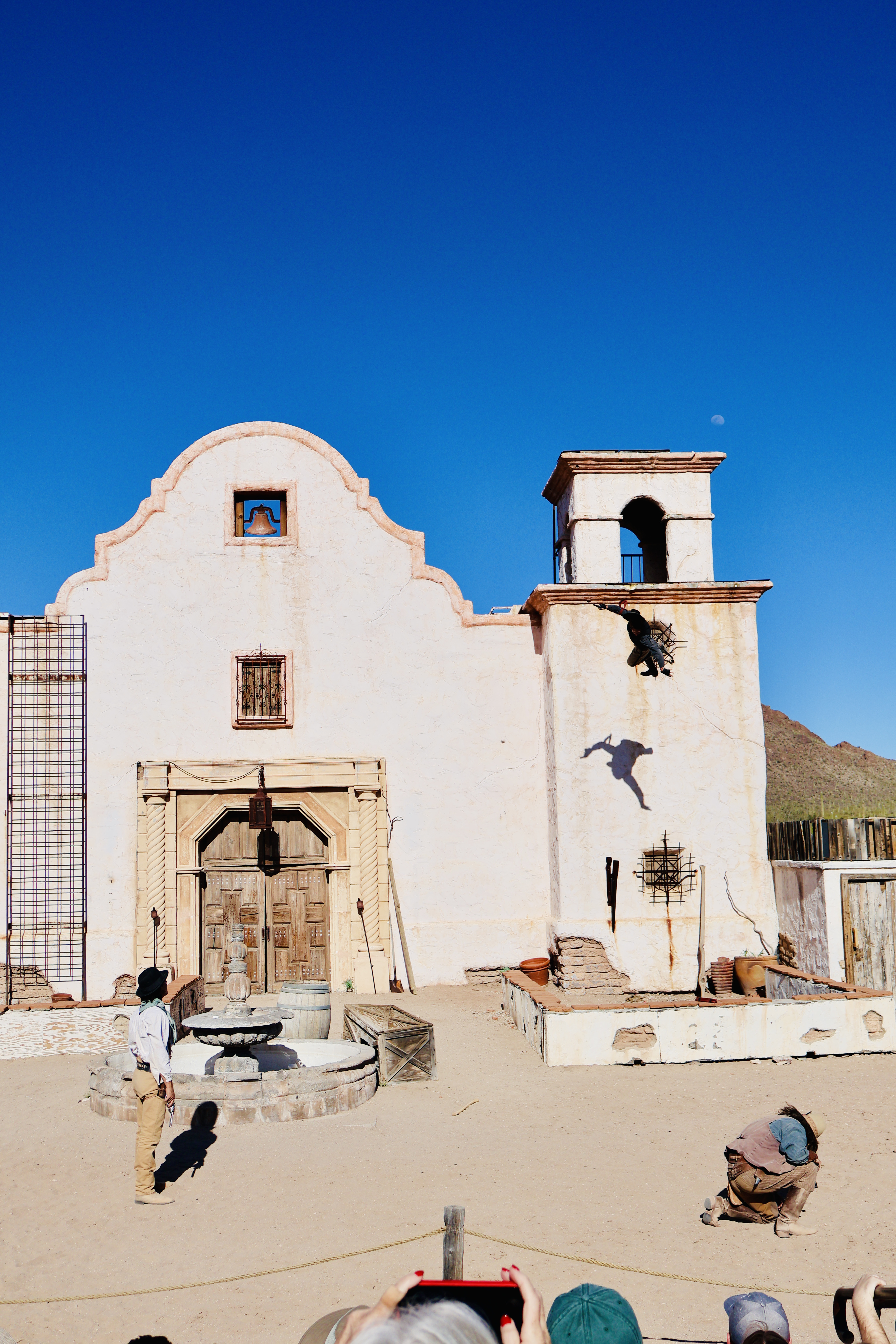
From the Cold War era, we headed even further back and visited Old Tucson. Let me say- this is an amusement park. It does have some historical value and it is often used as a movie set (there is a building dedicated to shows and movies that were shot there, several of which we all know of); I would actually say it is similar to Tombstone, except it doesn’t have the significance of the history, this is more movie than historical. I don’t know if that makes sense or not. Fun fact- Jersey Shore filmed at Old Tucson- the gender reveal wild west show for Mike Sorrentino’s newest child. Which the actors at Old Tucson talk about. 

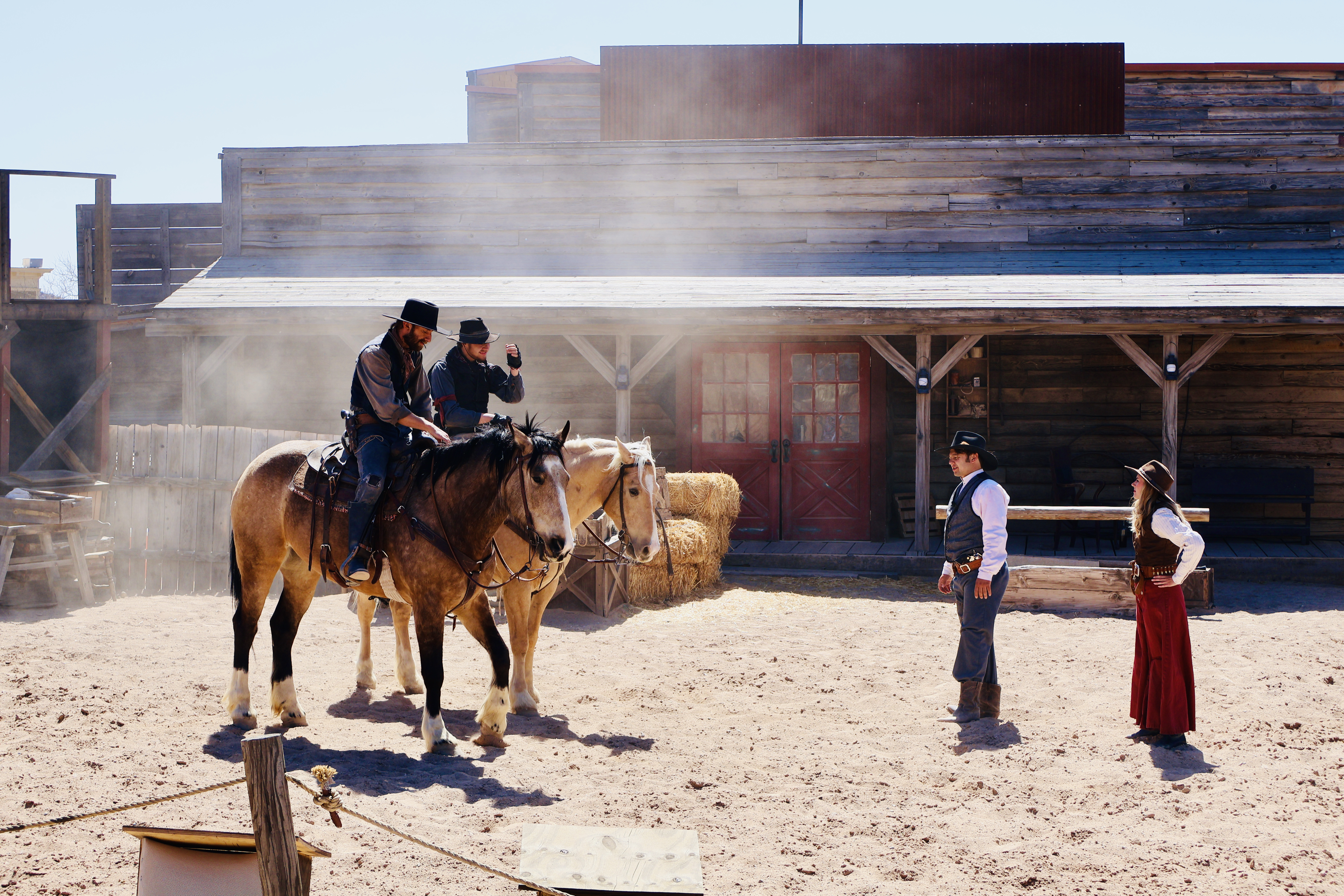
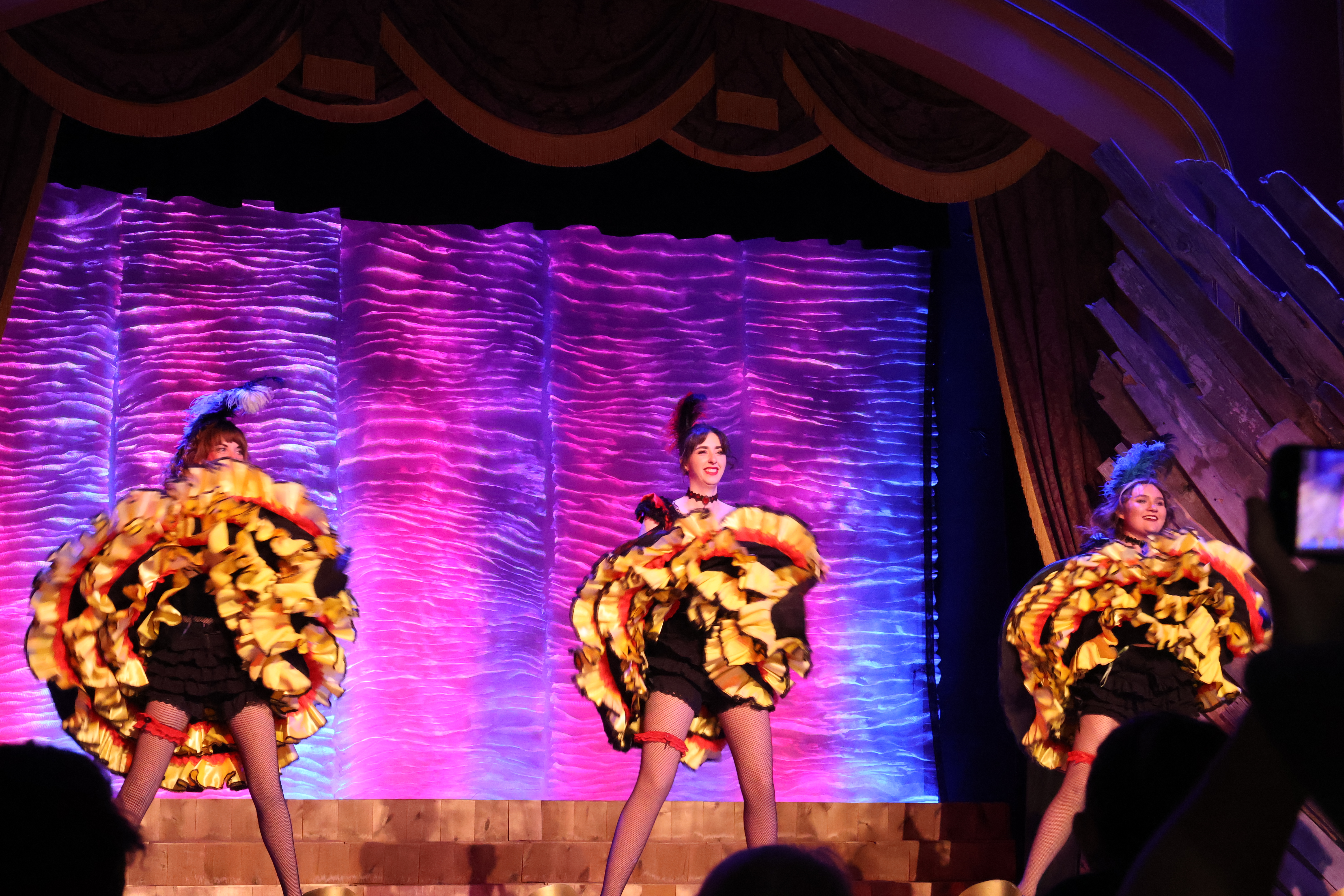
Anyways, we spent an entire afternoon at the park, catching a gunfight show, a can-can girl dance show, a stagecoach ride, train ride, and more. We literally wandered through the entire park doing EVERYTHING (minus the carnival games). This felt a bit more relaxed than Tombstone- in that you’ll be sure to see a gunfight and the actors, but it isn’t a constant overwhelming event. We also attended the stunts show at the end of the day that the actors put on to teach how they pull of the stunts in the different shows and movies. Easily my favorite as the actors have a lot of fun with audience interaction. Highly recommend! 

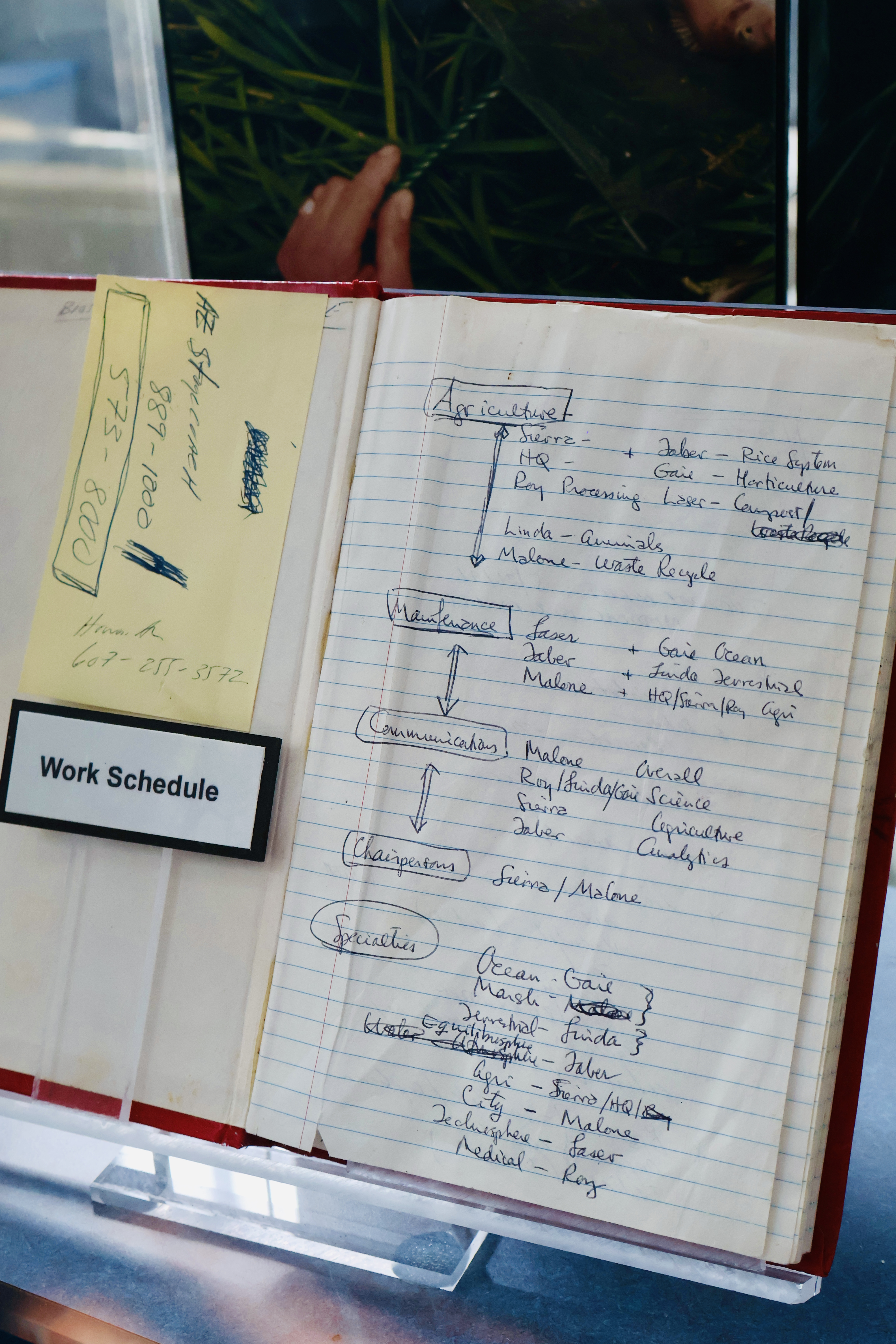
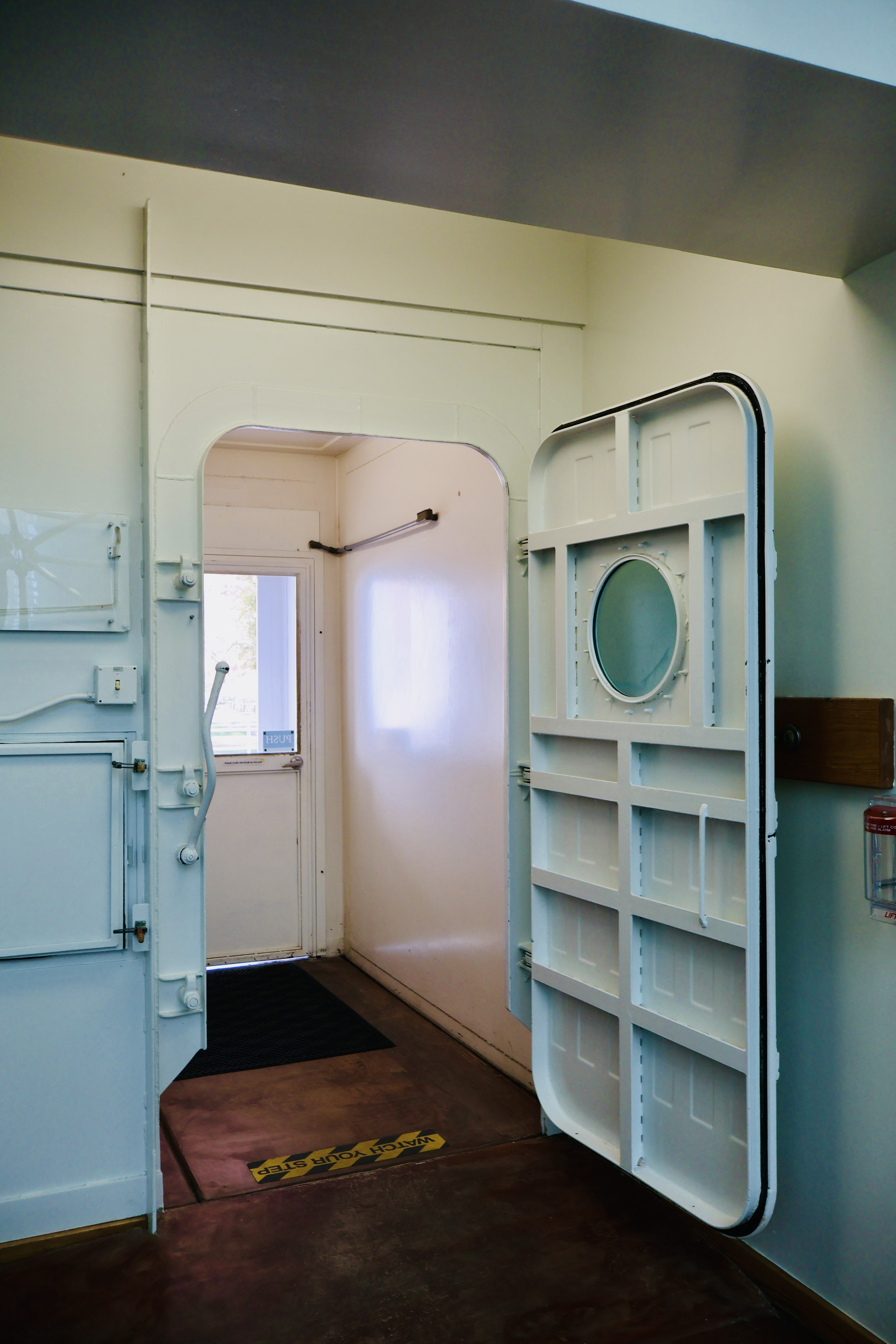
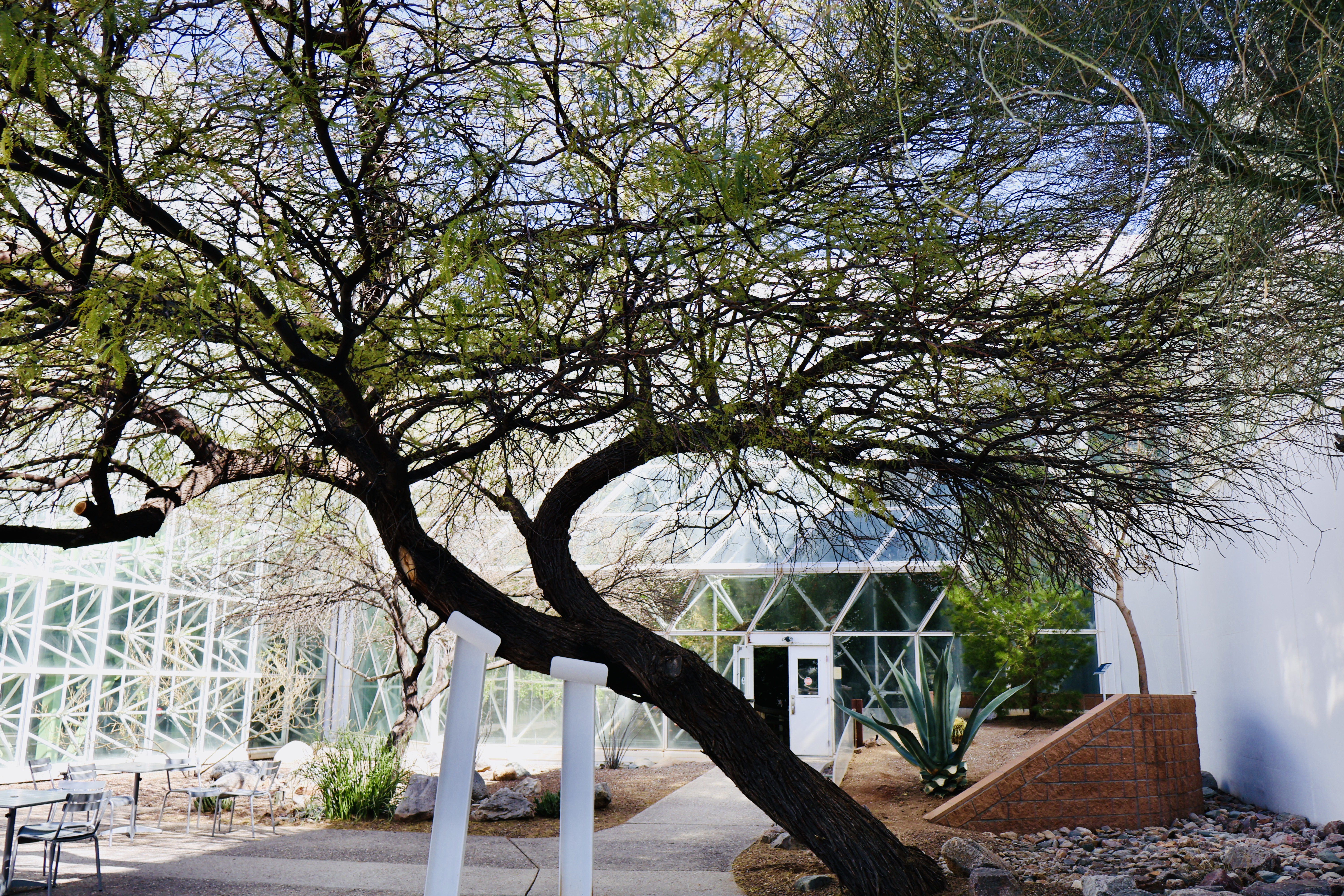
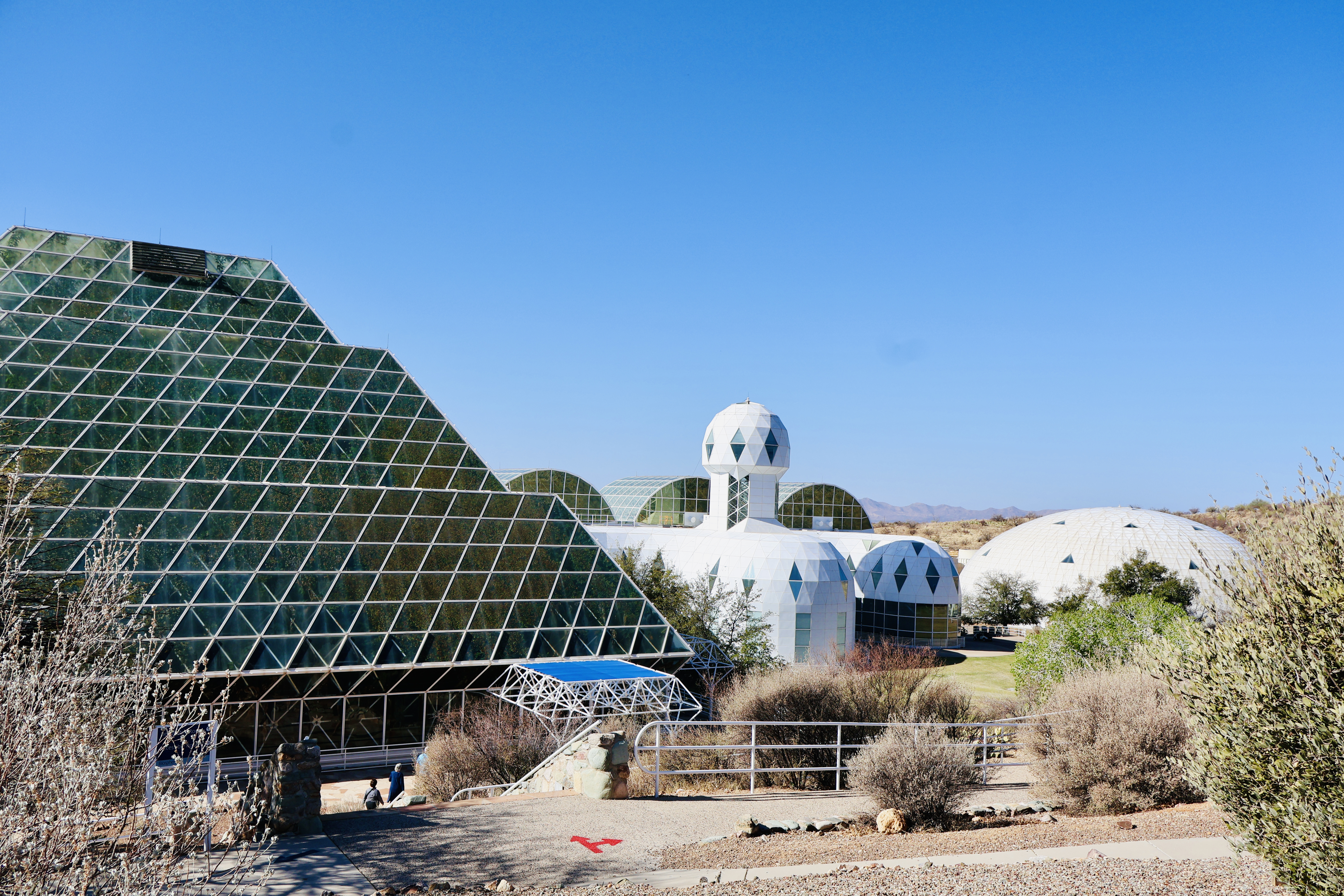
Finally, on our way out the final morning we stopped into Biosphere 2. Biosphere 2 was built to demonstrate that closed ecological systems could work and thus move the concept of human life in outer space forward. It was built in the late 1980’s, and inhabited in 1991 for 2 years (as a closed environment with no outside involvement), and then a second time for 6 months. During it’s time, it was the subject of A LOT of discussion and controversy. I don’t quite know how to get into all of the nitty gritty as there is SO MUCH and I have a lot of feelings on it (some fascination, some hesitation, some upset). The organization that initially brought about Biosphere 2 ran into a lot of problems, some of which never were acknowledged, and it has now become a location of environmental research, rather than closed environment. Amidst the drama, it became a research facility, transferred to its current home run by the University of Arizona and turned into both a research facility and a museum. 

We really enjoyed our morning wandering through the different biospheres, learning not only of their purpose during the closed environment experiment, but also the purpose they serve now, and the research being conducted. I highly recommend stopping by this really unique piece of history and science research. 

That wrapped up our time in Tucson- a truly great stop for us! 

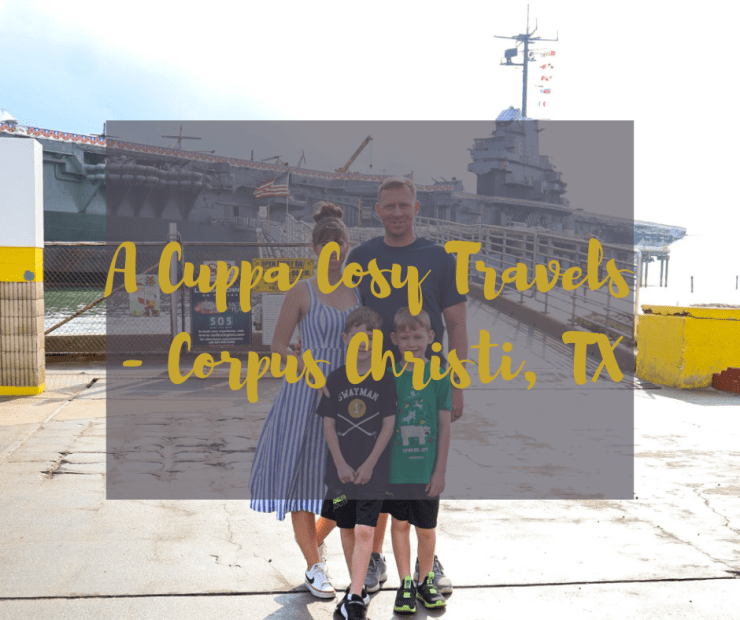
A Cuppa Cosy Travels – Corpus Christi, TX

I don’t know if I should really write this post or not- we really went down to Corpus Christi to see my Sister-In-Law who lives there with her family. It was a lot of family time and not as much seeing all the things (which is what we wanted and what we loved). It was also a time for us to see a couple of friends from prior duty locations, we had one living in the area and the other (my best friend from NY) who was in town visiting her own family. It meant a great reuniting for the kids and adults alike. So, I’ll share the couple things we did and the history we learned, but it won’t’ be as long as my normal travel posts are (and maybe that’s a good thing!). 

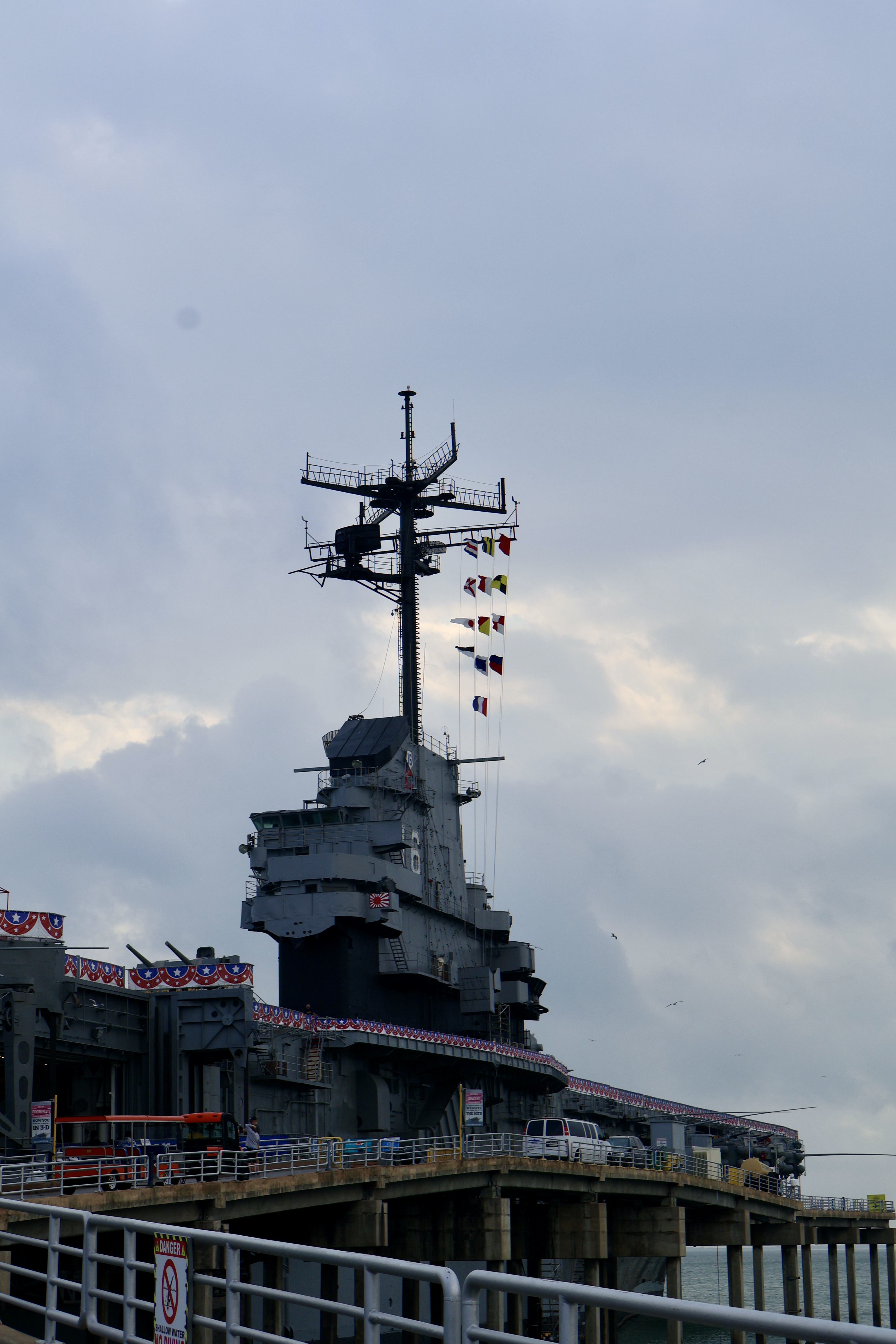
The main tourist attraction we visited in Corpus Christi was the USS Lexington. Where do I begin?

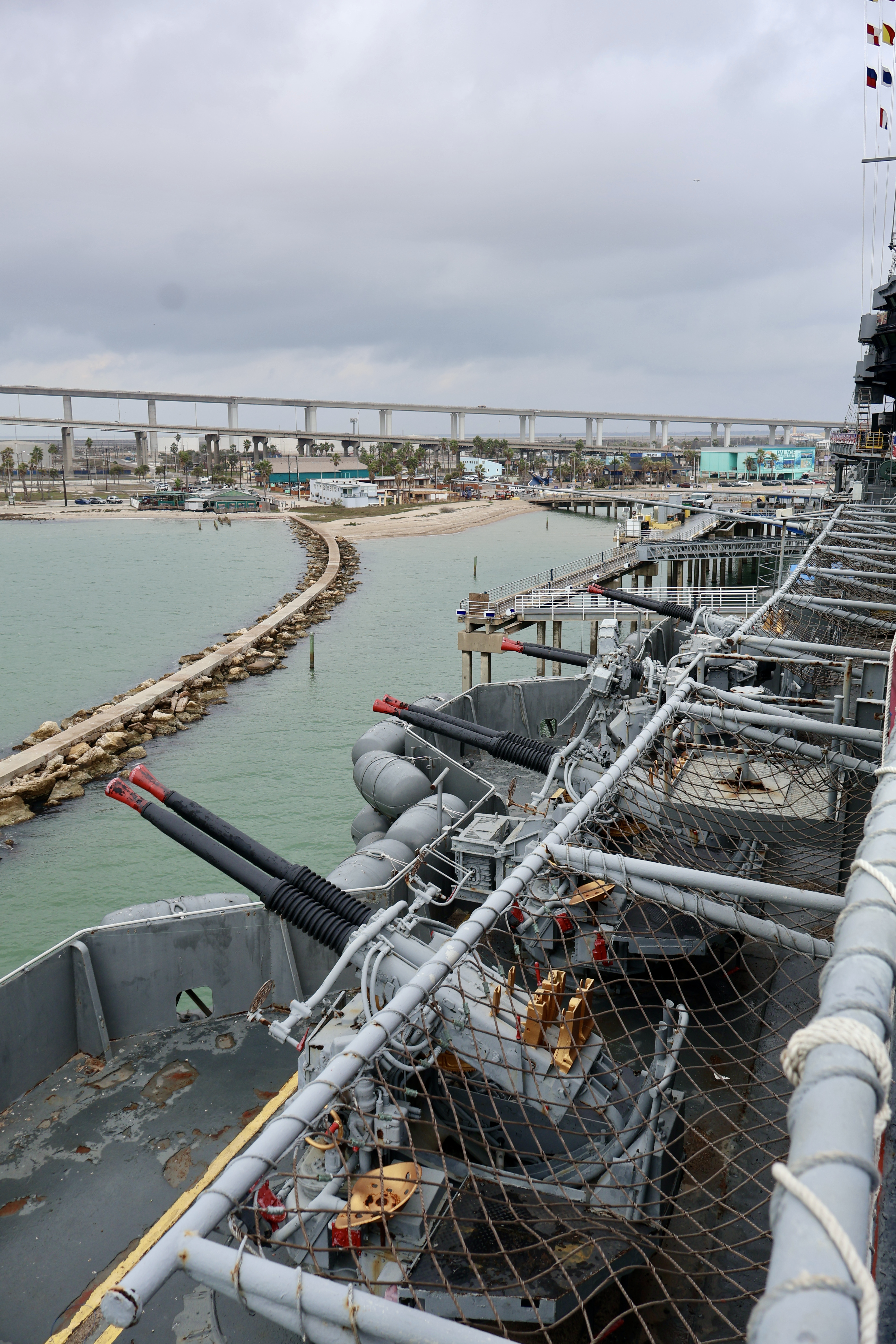
The USS Lexington is a carrier ship that was commissioned in 1943. She was the oldest working carrier when she was decommissioned in 1991. Originally named USS Cabot she was renamed upon being commissioned when the original carrier carrying the name USS Lexington was sunk. The USS Lexington joined the ships at Pearl Harbor as part of the Central Pacific Force. During World War II the Lexington served 21 months in combat, serving in every major operation in the Pacific Theater. Manned by 3,000 members during World War II (1550 Men and Women regularly), they destroyed 372 airborne enemy aircraft, 475 grounded aircraft, destroyed 300,000 tons of enemy cargo, and damaged 600,000 tons more AND downed 15 planes. During World War II she earned the nickname “The Blue Ghost” as she continued to return to the fight after being reported sunk. After World War II the Lexington was decommissioned, then reactivated to San Diego to assist with the tensions with Cuba, Laos, and Formosa. She then sailed to Pensacola and was designated a Naby Training Carrier. The USS Lexington is now permanently housed at Corpus Christi and is open for tours and various events. 

Some fun facts for you about the carrier. The USS Lexington was the first aircraft carrier to allow women to serve onboard. The Lexington served as a filming location for Midway in 1975, AND for the 2001 movie Pearl Harbor where she was altered to play a Japanese Carrier and the USS Hornet (which they do have a display for). Ghost Hunters filmed an episode aboard the Lexington, as did Ghost Lab. 

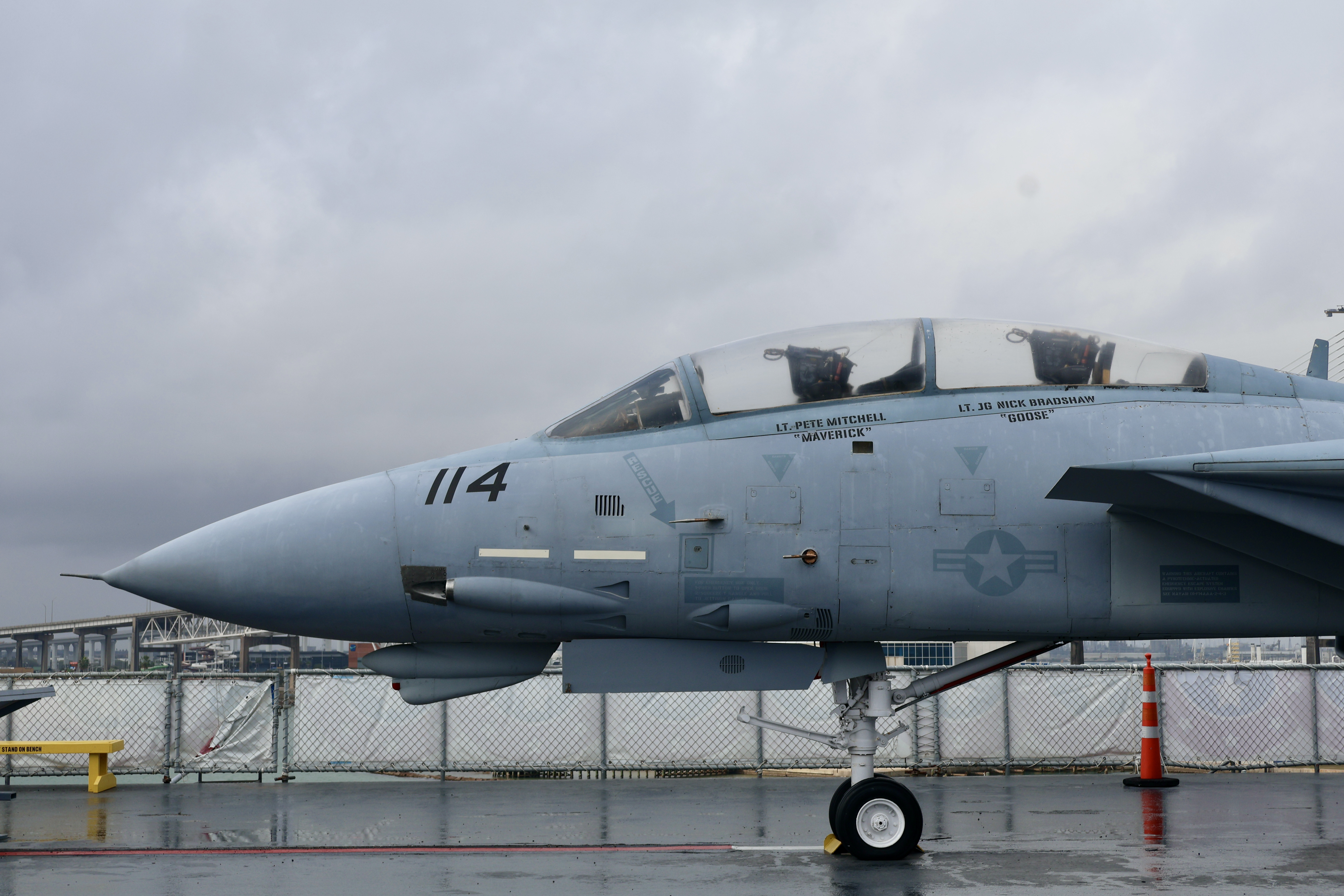
It was a really fun way to spend a morning- we were able to climb into several spots, see a lot of the ship (I was surprised at how much access we had), and the collection of planes and helicopters was really cool. All in all, I would recommend at least visiting one or two of the Naval Ship Museums. They are really cool and give a good insight into what life would be like on the ship. 

The other thing we did while in Corpus Christi was head down to the beach for a long walk along the water. The beaches in Corpus are really nice and easily accessible and you are able to see a high amount of wildlife. While in Corpus we were able to see the normal hermit crabs and jellyfish (keep a wide birth- even on shore), but we also got to see dolphins (a mom teaching her baby!), and sea turtles. 

That was really it for tourist-y things we did! The majority of our time was spent soaking up some much needed family time. 

A Cuppa Cosy Travels – San Antonio, TX

In December we did a holiday trip where we traveled to San Antonio, Corpus Christi, and Houston TX. Since we are currently living in the western part (very western part) of Texas, we figured we could head into the state to see some sights. We don’t plan on being back in the state, so we wanted to see some highlights (for us at least). 

***I also want to note that we did a much slower trip this time, we didn’t cram a bunch in, and we didn’t see as much as we could have. However, this trip was exactly what we needed it to be.***

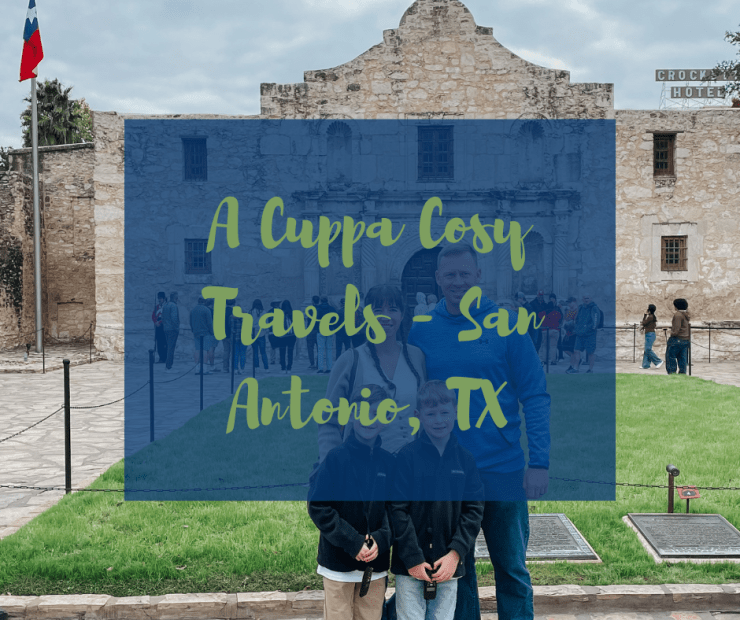
So, we started our trip in San Antonio, TX. San Antonio is a city that has so much history but feels incredibly modern. The main historical attraction (aside from the Missions), is The Alamo, which is located right tin the center of the city. You’ve got an incredibly preserved Mission, with hotels, restaurants, and stadiums right around it. I will say, this makes it harder to connect to the history and life at the time, especially for the kids. We enjoyed our time there and learned a lot, but it is something to note. 

We started our time in San Antonio with the Alamo. If you don’t know the history of The Alamo, I’ll try and give a rough rundown, but you will definitely know the words “Remember the Alamo”. The Alamo was initially a religious outpost (a Mission) for the Spanish Empire. During this time, it was the Mission San Antonio de Valero dating back to 1724. In 1793 the Catholics relinquished the Mission to become a Pueblo. During this time there were larger regional threats and battles being fought. This led to the Pueblo becoming a defensive fortress in 1803 occupied by the Spanish Army. In the background of these local transitions, Mexico was trying to become independent, Texas was finding its’ own identity, and there was broader conflict with French Louisiana and America. All of this creates a violent, turbulent backdrop for the San Antonio (and broader) region. 

Now on to the actual Battle of the Alamo in 1836. The Battle of the Alamo was a part of the Texas Revolution where Texas became free of Mexico, transformed into Texas (at the time a Self-Governing Republic). Prior to the battle Texas was under Mexican control and while Mexico struggled, all seemed well until 1833. Antonio Lopez de Santa Anna was elected President, and he was a…turbulent leader to say the least. He abolished the constitution (which gave way to a Civil War), changed immigrant laws, and the autonomy that Texas had to rule their own. 

Now, San Antonio was important as it was located on the main roads leading into Texas for supply lines and communications. Who holds this spot, holds all the keys in essence. 

The first battle of the Texas Revolution was actually the Battle of Gonzalez, which takes place in October 1835, when the Mexican Army was sent to recover a cannon. They were not successful in this task; in fact, the Mexican Army was very much outnumbered and retreated after being fired upon by the Texas Army. At this time, the Alamo and San Antonio is being held by the Mexican Army and they are taking refuge there (without said cannon). 

The Texan Army decided to follow the Mexican Army on their retreat and met up with an army of Texan Volunteers (this is where James Bowie, David Crockett and co come into play) to lay siege to San Antonio. There were several skirmishes of the October and November month, all with a Texas Army victory. The Mexican Army was finally defeated, and the Texas Army took control of The Alamo. They immediately began to fortify the mission and the city. 

Now the retreating Mexican Army soldiers met up with Santa Anna’s Army in February and they laid siege to the Alamo. Initially they tried to parlay, but after no progress, a full siege was laid and Santa Anna declared that “no quarter would be given” (so if they fell, they would all fall). While the Texas Army at The Alamo were incredibly outnumbered, they did not give up. They wrote letters and managed to bring in more men to fight for The Alamo. During the siege on March 2, 1836, Texas declared its independence from Mexico.

The actual Battle of the Alamo occurred shortly after that declaration on March 6 (the 13th day of the siege). The battle only lasted 90 minutes and there were no survivors. After the battle all of the bodies were burned. 

The Texas Revolution ended April 22, 1836, after the Battle of San Jacinto and the famous “Remember the Alamo” battle cry. 

So much for a brief overview of history, right?!

When visiting The Alamo, you have several options. You can go into it and just tour the grounds and mission. However, I would actually recommend doing the audio tour (bring plug in earbuds to avoid holding the thing up to your ear constantly). It gives a little more insight and history as you are walking through and allows you to get the information. There aren’t really any of the “this location” history signs in the grounds, so if you want to get the information, the audio tour is the way to go. We spent a little over half the day wandering through the grounds and museum (make sure when purchasing tickets, it includes the artifact museum). 

While The Alamo was one of the main reasons we went to San Antonio, we did do a couple other things that I can share about. 

First up (because I don’t have much to say on it), we hit up the Legoland Discovery Center. This is located in a massive mall that houses Legoland Center, a Sea Aquarium, and a ropes course. An easy relaxing day that would be great for the kids in your family. While we only did the Legoland Discovery Center, we did go take a look at the other options, and they were great as well. We spent half the day (no joke) at the Legoland Discovery Center. They have two rides, though one was down while we were there, a massive city center Lego build, a climbing/play place, a full creative space with different build and experiment options, and of course a Lego store. We all had so much fun exploring, building, and playing (and shopping).  It was a great option for the kids to get a little break on the trip. 

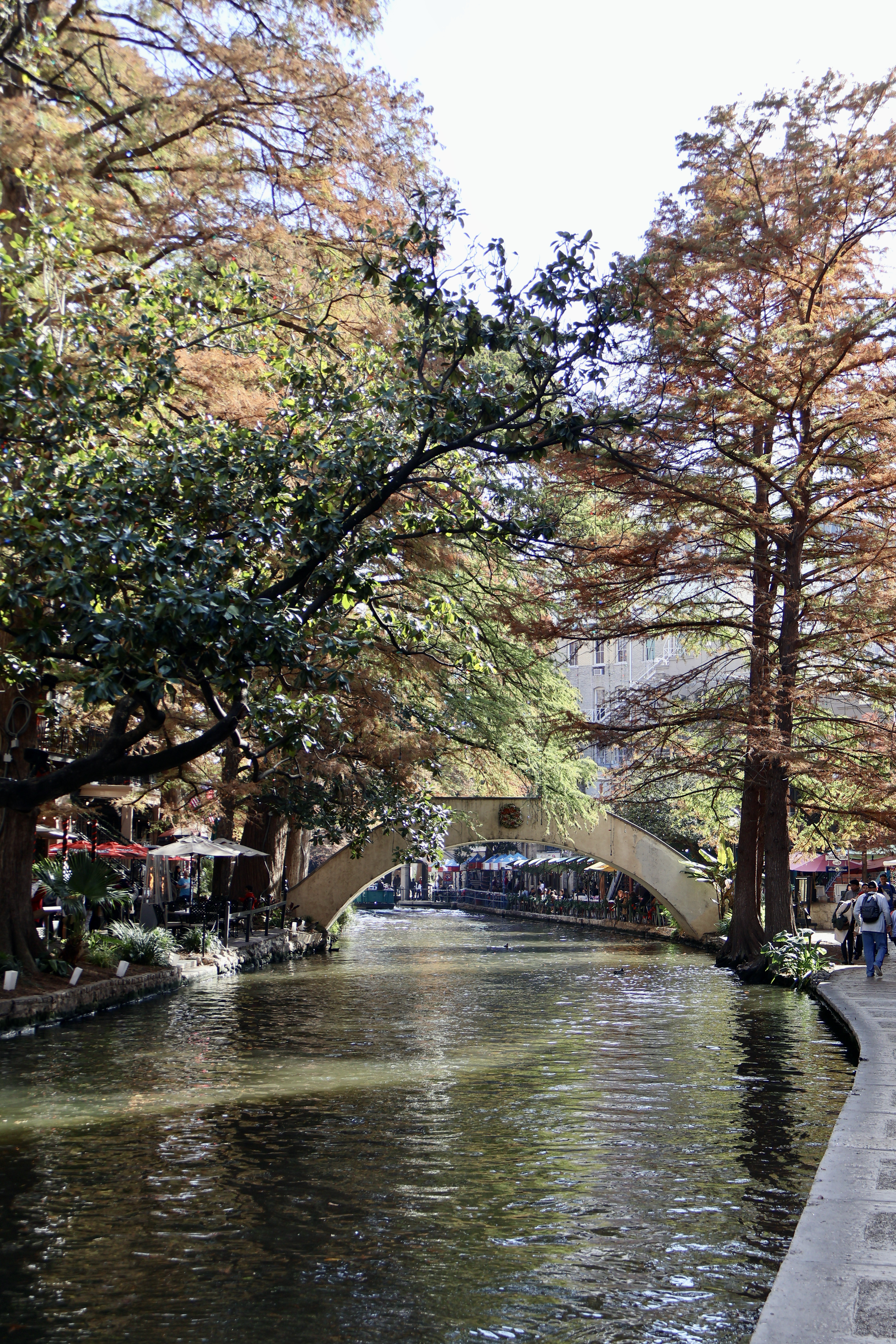
Secondly, we both walked along the riverwalk and went on a riverboat tour. When it comes to San Antonio, the River Walk is probably just as known as The Alamo. Both are top attractions; both are steeped in history. The first battle of the Texas Revolution was fought over the San Antonio River at the Mission Concepcion (2 miles South of Downtown San Antonio). Originally recorded in 1535 by Álvar Núñez Cabeza de Vaca. Originally named Yanaguana, it was renamed San Antonio de Padua by the first governor of Spanish Texas in honor of Saint Anthony’s Day. The river itself is home to 5 18th century Spanish Missions. The riverwalk now is known as one of the most popular tourists stops in San Antonio- featuring not only the walkway but lined with shops and restaurants. I highly recommend spending a half day just walking the river- preferably in the morning or midday for a bite to eat. Would not recommend heading there in the evening to late night hours as it is PACKED at dinnertime. 

By walking along the River Walk you are able to see bits of San Antonio history- such as Rosita’s Bridge, La Villita (which is a small artists village), and use it as a jumping off point for other downtown attractions (like the churches and government buildings that are stunning). 

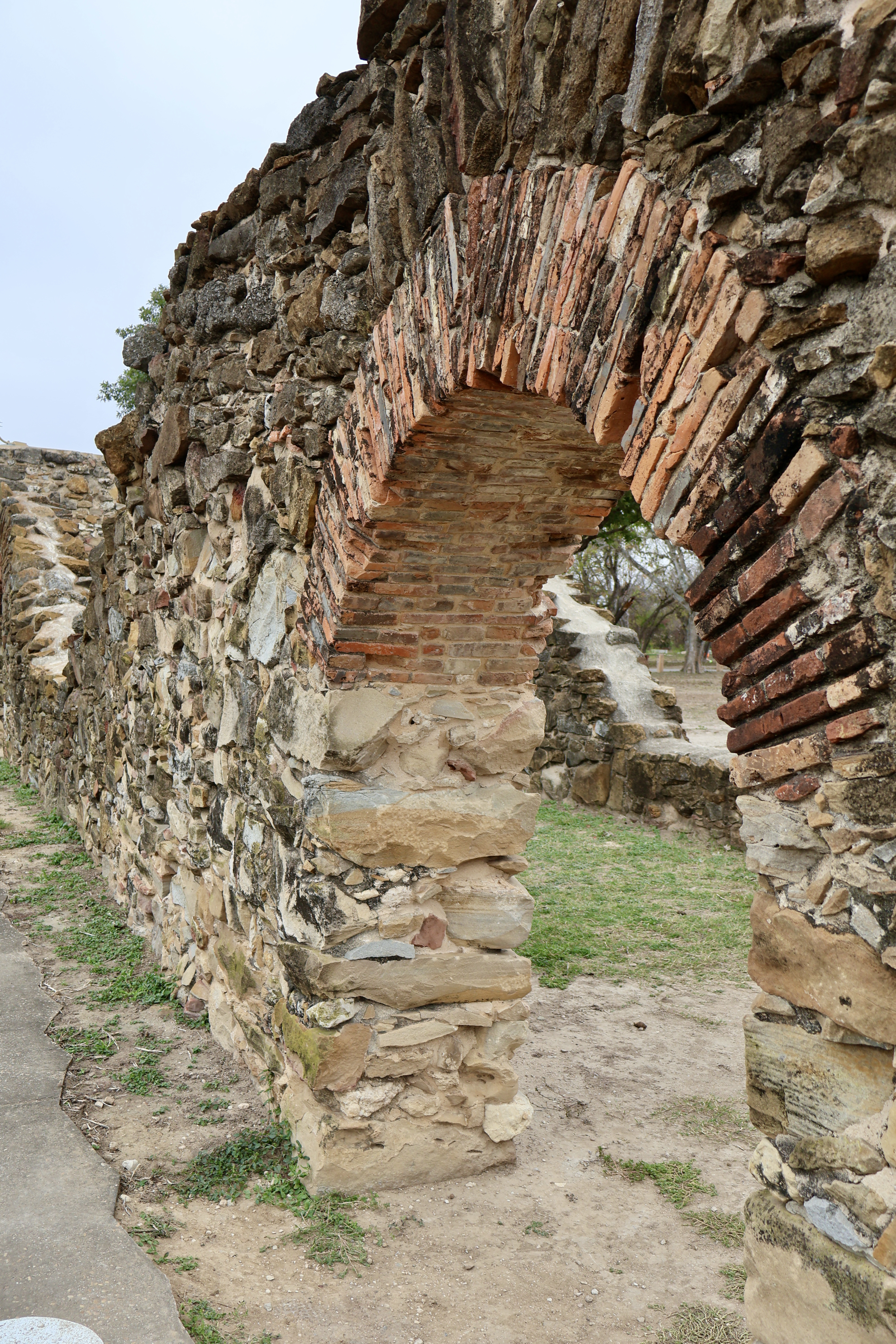
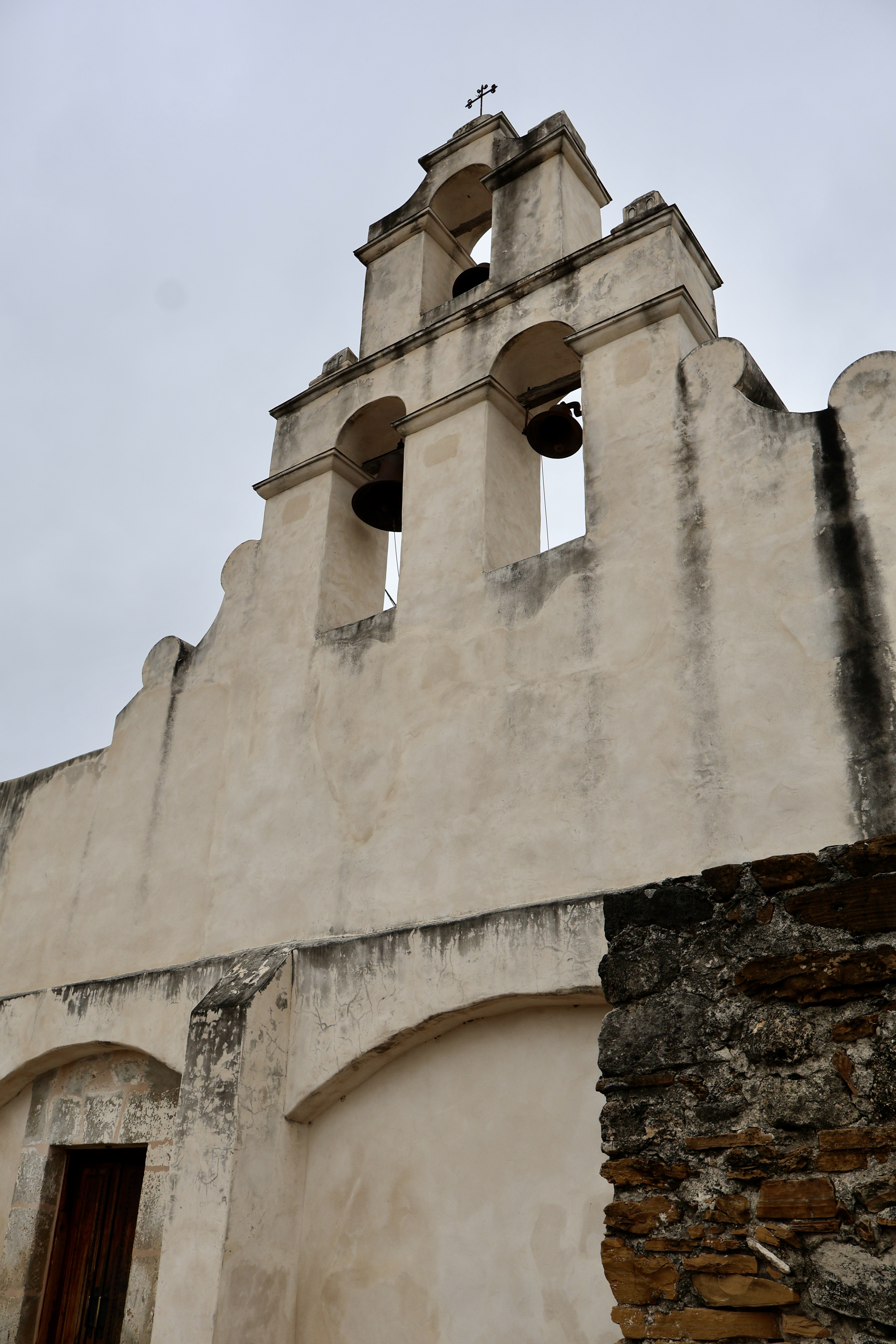
Finally, we did visit several of the 18th Century Missions that are still standing and open for visiting. We didn’t get to go inside any of them as we left San Antonio on Christmas Eve and President Biden declared it a federal holiday (so everything was closed), but we did get to walk the grounds of several of them. We did consider stopping on our way back through, but it didn’t work out with our timeline. The Missions were initially created to recruit and convert the local Indigenous groups.


We walked the grounds of San Juan and Mission Espada, while mission San Jose is the larger one that was closed due to the holiday. Mission Espada (my personal favorite) was founded in 1690 as San Francisco de los Tejas in Weches, TX and it was the first mission in Texas. It was moved and renamed in 1731 becoming the mission we see today. Mission San Juan was originally founded in 1716 near Cushing, TX as Mission San Jose de los Nazonis and then relocated in 1731 and renamed as Mission San Juan Capistrano. It represents the most dramatic of the change as the mission that the Indigenous people undertook in their becoming citizens of Spain. At this mission in particular, you are able to walk a loop that takes you to the original stretch of the San Antonio River as well as see the historic farm fields (still in use) and the irrigation ditches. Mission San Jose is the largest of all the missions and the one that is restored, fully open and features guided Ranger walks and souvenirs. Mission San Jose was founded in 1720 and moved twice before the location we see it at today. 

Beyond that, I have two food recommendations and that is breakfast at Voodoo Doughnuts and dinner at Iron Cactus. We loved both of these spots and would have gone back multiple times. 

That wraps up our time in San Antonio! A short stop to hit the highlights and give some fun memories for the kids. Our next stop was Corpus Christi, but that was to visit family and we didn’t do many tourist-y things. I might write about it, but it’ll be a shorter post than this one. 

Where do I even begin?

I don’t want to come on here and go- oh look I’m back (again)! Because I feel like that’s fake…that’s wrong…I’ve done that so many times before. The truth is, when life picks up this tends to be the first thing that falls off. It’s not intentional, just a fact of life at this point unfortunately. 

And then I always find myself wanting to find a balance- I want to share all the things, but I don’t want to talk about things or have them go the wrong way. Which is funny because in “the real world” I tend to have some pretty vocal opinions and thoughts. But the internet is such a fickle place- you can’t read intention, you can’t read facial expressions, you can’t read my tone, you just read my words and interpret them through your own lens of life. 

And then the new year came. And with this new year we will be moving, and life will be in a bit of an upheaval for a time. And I also haven’t been feeling very “new year hoorah” this new year. Maybe it’s because much of 2024 and 2025 are transient (and I don’t mean that in the strictest sense, more so in the sense that a lot of it is up in the air and we’re just rolling with life). 

And then I read all of that back and I just think…why? What’s the point of that? It all sounds so melodramatic and unnecessary. The life of an overthinker, over analyzer. 

Oh, and I’m doing all of this while trying to backup all my tens of thousands of photos on my computer so I can add more thousands of photos so I can clear up space and catch up on life on here… The little photo app keeps popping up errors of duplicates and I keep pressing ok and trying to type while the boys run amok on the last two days of Holiday Break…I mean if this doesn’t describe my life at the present- well the massive run on sentence of this paragraph sure will. 

So, what am I actually saying? What is actually going through my head? That’s a good question. 

I want to come back- slowly, tentatively, intentionally. I want to start sharing more of my “real world” thoughts and opinions. I want to share more of what I am doing (as it’s been a lot). I want to share more of what I’m seeing, what my thoughts are on that, where I fall in the status quo. 

Ultimately, I want to start laying the online groundwork of what I’ve been doing in the “real world”. I don’t really know why, but I feel like I can do MORE a lot of times and I want to do MORE and so I’m going to try. I want to share fluff, talk nonsense, talk pop culture, but I also want to talk about real issues, about ****hides**** political issues ****she said it****, about issues military families can face, about issues that occur in other countries. I want to talk books, I want to talk travel, I want to talk LIFE. 

I want to talk about my favorite reads of the month or year, about putting together a galantines basket, hosting a book club, hosting an event, and also about what I experience volunteering with the USO, what I see for struggles in our community, about how oppression occurs throughout the world (and isn’t limited to the groups we loudly talk about), about how hypocritical politics has become. All the facets of LIFE. 

So, here I am going to go- dipping my toe in. Please bear with me as I figure out blogging and posting again. And- as always, if you want to see day to day or real time or other fun things, you can follow me on IG, TikTok (for now), Facebook, Goodreads (I’m on some other book apps if you’d like to follow me there I can share those too), and I’m sure I’ll join whatever will replace TikTok if the inevitable does in fact happen. 

Oh look- my photos from 2016 have exported to my portable hard drive (yes that’s how long it’s been). Off I go back to the photo world. 

The Wild Wild West – 2024

We went West- to the Wild Wild West. It was exactly as expected- gunfights in the street, saloons and drinks galore, and an experience to be had! Over Labor Day Weekend we went to Tombstone, AZ and spent the weekend reveling in the 1800’s. We saw 6 gunfights, ate at 2 saloons, and wandered back in time for 48 hours. 

***Quick note- if you do visit Arizona, please remember that they do not do Daylight Savings Time, so your hours will shift no matter where you travel from. We completely forgot about this! ***

We started our weekend in Bisbee- at the Copper Queen Mine. We initially tried to get lunch at Bisbee Breakfast Café (which looks absolutely delicious), but they were packed, and the wait was a little too long for us to make our tour time. It was a definite bummer as all the food options look delicious. It did give us a chance to wander up and down the main street of what was once upon a time Lowell, AZ. A street very much stopped in history- old cars, antique stores, and beyond. 

From there, we just grabbed a snack and headed to Copper Queen Mine for a tour. Copper was initially discovered in Bisbee in the 1820’s by a Lt. Dunn, however production at the mines didn’t begin until 1880. Copper Queen Consolidated Mining Company was a subsidiary of Phelps Dodge Corporation and became the dominant force in the mining of the area. Mining operations continued until 1975 when the mines closed, leading the mayor of Bisbee (Chuck Eads) to develop the idea of the mine tours. The Mine Tour opened to the public in February 1976.

On the tour, you get a vest, hard hat, and light before heading on the train down into the mine. You are walked through the history of mining in the region, the day to day of a miner, the different tools they would use, and finally you are able to see what they are actually looking for (i.e., what Copper looks like in rocks). It was really fun and educational for the boys. We walked away learning something new (this was our second mine tour). 

From there we headed to Tombstone, checking in to our AirBNB, and then headed to Allen St (which is like Main St of Tombstone) with the intention of getting dinner. Now, our AirBNB hosts gave us a heads up, but everything short of food closes at around 5PM. So, if you’re needing anything, wanting to check out any venues, or want to do a little shopping, you’ll need to do it before 5. Not a bad thing, just a warning. I think the only place that stays open “late” is Bird Cage Theatre as they do Ghost Tours a bit later on. 

We stopped for dinner at our first Saloon, Big Nose Kate’s Saloon. This is the exact vibe you’re going for in Tombstone. Everyone is in full costume, they’ve got a performer on stage, an old Wild West vibe to the décor and the ambiance and the food was good! A little history of the saloon and people (because everywhere has history)- Big Nose Kate was potentially the first prostitute in Tombstone AND Doc Holliday’s girlfriend. Prostitution was very much a thing (I think we all know that?!) and it happened to be one of the best ways for “single” women to make a living as “suitable” positions did not pay enough. Now, this saloon was once the location of the Grand Hotel. The Grand Hotel was THE place to be and has a long-storied history. While it was the Grand Hotel, there was an individual called “The Swamper”. Officially he was the janitor and handyman of the hotel, but he also had a penchant for siler and tunneled from his basement room to the entrance of a mine shaft to collect silver. 

After dinner we wandered up and down the street to get our bearings, then headed back to our cabin for the night. 

The next morning, we were up early and ready for a day in the Wild Wild West- and boy it was. After grabbing a quick breakfast at “O.K. Café” which was delicious, and then we headed back to Allen St. Our first stop of the day was getting tickets for the show at the O.K. Corral. You have to purchase tickets day of for one of the three showtimes, you cannot purchase in advance. The first showing was at 11, so after we got tickets at 9 AM, we decided to head over to the Saloon Theatre for their gunfight show. They reenact Billy the Kid’s first shoot out, a shoot-out with Frank Leslie, and then an Earp shoot out. This is an inside show, with very real guns, and they do give hearing protection. We enjoyed this one- it made those western shows feel a bit real-er to everyone. 

From there we went over to the O.K. Corral to watch the “Shootout at the O.K. Corral”- which, the shootout actually occurred behind the corral in an empty lot, but what is history after all. So, this shootout (if you didn’t know the history) is between the Earps/Doc Holliday and the McLaury’s/Clanton’s. The Cowboys (Mclaury’s and Clanton’s) were creating all sorts of trouble- drinking a lot, gambling a lot, shooting off guns where they shouldn’t have been, and the newly deputized Earp Family were not interested in that continuing. There were threats, rivalries, stealing of wives, and it all led to a (very short) shootout between the two rivals. In 30 seconds, 30 shots flew and three died. Tom McLaury, Frank McLaury, and Billy Clanton are all buried in Boothill Cemetery (more on that later). 

Fun fact- the gunfight occurred outside the office of THE photographer of Tombstone (C.S. Fly), however there were no photos as he was busy when the unplanned shootout occurred. 

This was a really fun one to attend- the actors were great, they play off the audience well, and once it is over you can wander through the entire property, which allows you to go through a couple different buildings to picture life in that time. Your ticket also includes a chance to watch the Historama (which we did- I would say if you’re interested then attend, but it isn’t necessary) and tickets to the Epitaph- which was the newspaper of Tombstone (we did this as well- it’s very small and it will take about 10 minutes to see everything within). 

Now we attended during Labor Day Weekend, which meant that they were going all out and there were two performing troupes that were performing gun fights in the streets throughout the weekend, as well as the casket/hanging booth. We watched several gunfights from Arizona Gunfighters, and all four of us were “hung” in the streets of Tombstone. It was an experience, that is for sure. 

We wandered down to the Tombstone Courthouse for a quick walk through. The courthouse was original built in 1882 and was once the offices of the sheriff, recorder, treasurer, courtrooms, jailhouse, and board of supervisors. It was a very active busy building! Now, as you walk through the rooms, you are treated to a history lesson of just about anything you could think of relating to the Wild Wild West- from cattle ranching to gun fights, to Mexican/American skirmishes and more. While this maybe doesn’t have the same amount of sensationalist history as some other locations, it’s still a really neat spot to stop at.  

We did two more things in Tombstone, the first was to visit the history Old Bird Cage Theatre. This was the most famous spot of its time- known as the “wildest, wickedest night spot” in the west.  The name pays homage to the Bird Cage crib compartments that overhang the gambling and dancing areas. These compartments were where the prostitutes would try to solicit the men below (think she’s a bird in a gilded cage)- and they are still in the theatre. In fact, this is the ONLY building in Tombstone that is as it was. This includes bullet holes, gambling tables (the one where the longest poker game in history occurred), the original curtain and painted stage, as well as the piano. When it was open, it was open, never shutting its’ doors, seeing 16 gunfights for a total of 140 bullet holes within the building. It is full of history, and it is basically locked in time. It closed in 1889, and then was boarded up for almost 50 years. Then in 1934 it became A Historic Landmark of the American West and was opened to the public to visit. 

This is a MUST SEE in my opinion, not only because of the history, but also because it is the ONLY historic landmark in its original state. It is a self-guided visit, though you are able to do a family tour, and if haunting/ghost things are your thing, you are able to do a ghost tour (as this is one of the most haunted buildings in the country). 

The final stop we made on our way out of town (ironically enough) was Boothill Graveyard. Originally “The Tombstone Cemetery”, this burial plot dates back to 1878 and was used until 1884. It holds the graves of the cowboys from the shootout (McLaury’s and Clanton’s), the men that were hung after the Bisbee Massacre as well as the man lynched from the same event, two marshals, and Lester Moore (of the no les, no more rhyme if you know it). There are many many more (a total of 265 graves), all for a variety of reasons. When you enter, they will give you a pamphlet that breaks down every grave as well as a reason for death if known. 

And that really tops off our time in Tombstone! We had a really fun time, and the kids were obsessed (and they have shockingly good reflexes). 

Initial Thoughts on Texas

We’ve been in Texas now for a little over a month and it’s…surprised us. I figured I’d round up some of our initial…thoughts as well as some of the things we’ve done. We are only here (maybe) for a year, so we’re in a “hit the ground running” headspace, but also trying to make sure we don’t burn out with everything else going on. 

Initial Thought #1: The Heat

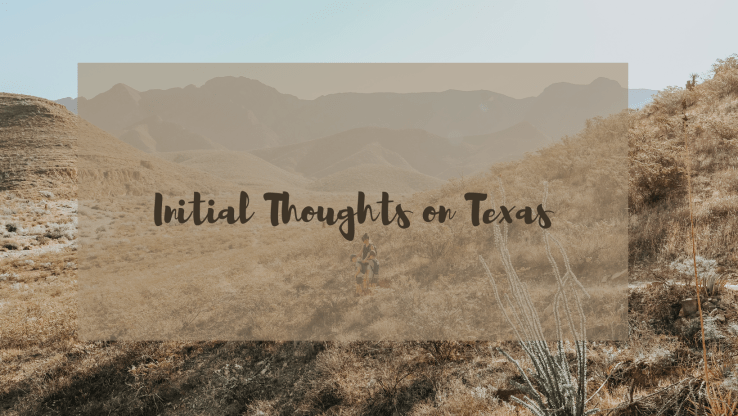
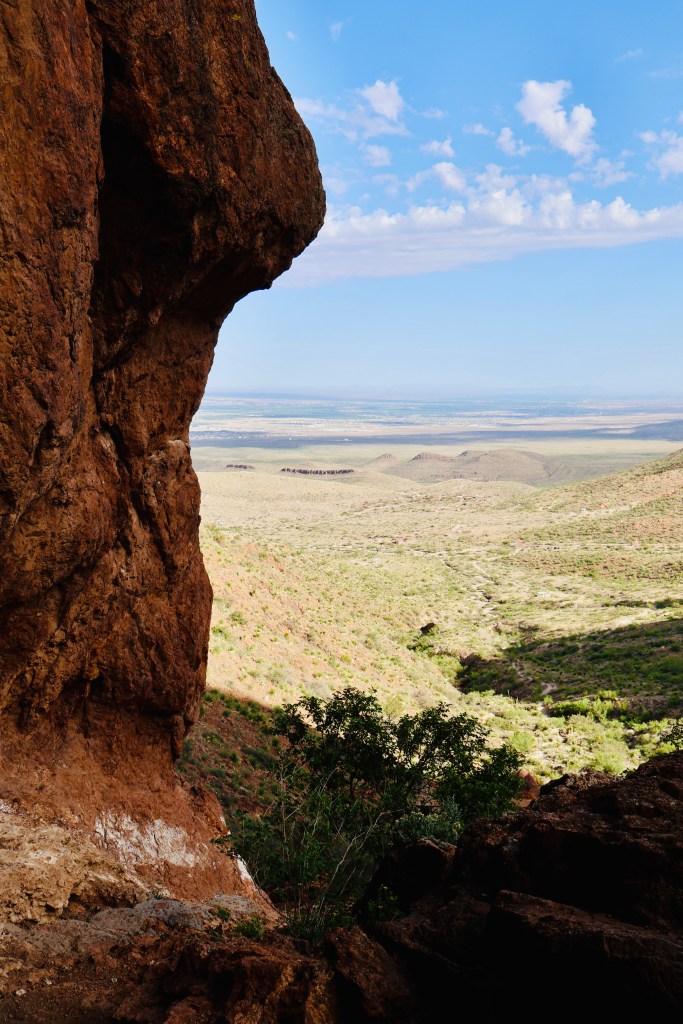
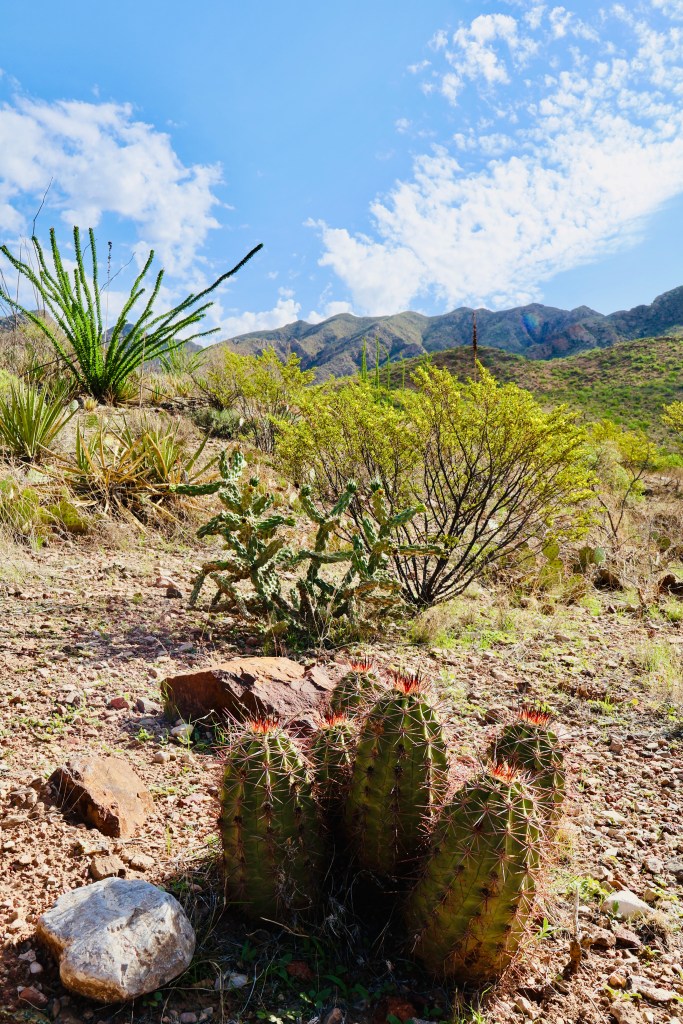
We are in the very southwest edge of Texas, which basically means we are in the desert, and yes, it is very hot here. And yes, it can definitely be miserable (that afternoon walk to pick the boys up from school is BRUTAL), but it’s also not as bad as we thought it would be. Since it’s the desert it’s a dry heat, aka no humidity, which means that you’re baking, but you’re not in a sauna. You don’t feel all the wetness and stickiness in the air combined with your own sweat. The good news is I’m making great use of all the sundresses! They’re one of the few things that are bearable to wear in the heat- loose & flowy & breezy.

Now, while the heat isn’t that bad, the bigger problem is that bright orange ball in the sky that provides the heat. There is very little in the form of cloud cover here. In fact, on the way home we take the route with the most tree shade- just for the half a second relief it provides. There is very little relief from the sun, and while there can be a breeze it’s very much a come and go situation. It’s enough to tease you but leave you and remind you just how hot it can be. 

Initial Thought #2: Things to Do

We’ve found no shortage of things to do here- from hiking, to shopping, to dining, and more! Not to mention, it’s not too far for us to travel (we’ve already got a trip planned and booked out, with a second in the works). I’m starting to possibly find my little community here; between a book club and a couple social clubs it’s keeping me busy and I’m hoping to start volunteering within our community soon! Um, also (not quite in the things to do category, but still) the people here are so nice?! I don’t think I’ve ever gotten so many compliments in such a short period of time before (and no…ahem I’m trying to not let it go to my head haha). 

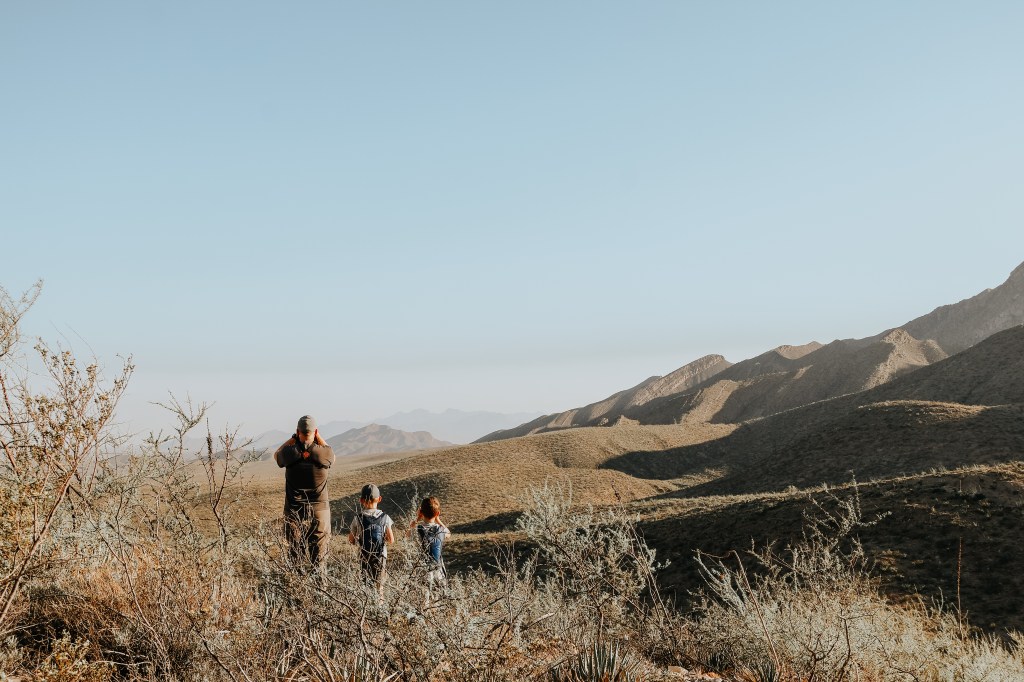
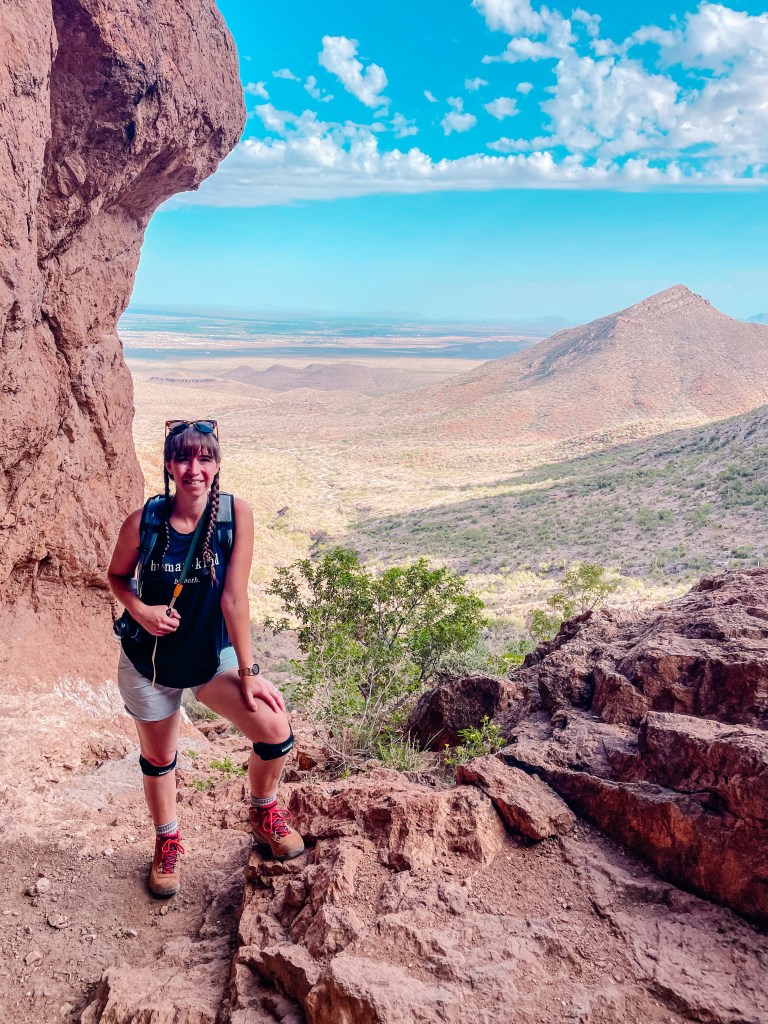
We’ve already done two hikes here (and another walk), attended a baseball game (we’ve got Triple A Baseball here), as well as driven around quite a bit. We’ve had true hole in the wall Mexican food (which was what I was looking forward to) and have so many plans at this point it’s going to be fun pinpointing what we do next! Our own personal activity levels for the whole family have already increased just to walking to/from school (riding the bike for my husband) several times a day. That and the fact that the location makes it easy to do hikes and bike rides (other than having to get up before the sun to beat the heat). 

Overall Thoughts: 

I’ve always approached every move trying to find the positive, the good things about each spot. I find that it helps make the daunting task of moving so frequently be a little easier. I’m not going to lie, while I was never truly dreading this move, I was always a little apprehensive. I was worried about the heat, the length of time we would be here, the schools, etc. But what I’ve found has truly surprised me and my husband. The fact that we’ve already really enjoyed our time here says a lot (not to mention our personal fitness and health will be trending very positively here haha). I’m truly looking forward to what the next 10-11 months will bring us, rather than wondering what will come next after we leave here. 

A Cuppa Cosy Summer Holiday 2023 – Halifax, Nova Scotia

I know I said that we really loved everywhere that we stopped on this year’s Summer Holiday, but I feel like Halifax might…just might have topped the list? I don’t know, so many good stops, but this one was just…stuck with me. Maybe it’s because of timing and what we did, maybe it’s the vibe of where we were, maybe it’s just a magical thing that Halifax has. Regardless, I am so excited to talk about the few days we spent in Halifax. 

We arrived in Halifax on Canada Day. And everyone has asked (especially with our timelines of summer travel), what Canada Day is like in Canada. Is it similar to America’s Independence Day? Is it wildly different? What is it like?

And I am here to say- it’s by and large probably about the same. You have some people who are loudly pro Canada and choose Canada Day to proclaim it, but honestly, for the most part people…calmly celebrated? I don’t know how to explain it. For us in Halifax, everyone was wearing red/white, there was a massive block party on the pier, but it was also just chill. Some of that was possibly due to weather- it was overcast day with low hanging clouds (so no plane show or fireworks), but I do also wonder if this is just the way the people of Canada celebrate. 

So, we had a delightful first afternoon/evening in Halifax. After checking in, we headed over to the Halifax Citadel. But let’s talk a little history first. 

Halifax is the capital, and largest city, in Nova Scotia. Originally known as Mi ’ kma ’ ki it is the ancestral home of the Mi ‘ kmaq people- something they acknowledge and honor very well. The “Town of Halifax” was established in 1749 and marked the beginning of Father Le Loutre’s War. The establishment of Halifax the British violated their treaties with the Mi’kmaq. To bolster the town defenses, the British built the Citadel in Halifax, along with several other fortifications in neighboring areas. 

Halifax Citadel was initially fortified in 1749 intended to not only serve Halifax defensively, but also as a counterbalance to the French Louisbourg. It was small, part of a western perimeter wall and was protected by five stockaded forts. The city of Halifax was raided four times during that initial war; however, the Citadel was taken care of, and by 1761 it had deteriorated so much that the British built a new one…in 1776 (thanks to the Seven Years War). This second fort was a permanent fortification. There were redans, a blockhouse, and 72 mounted guns. This Citadel gave the Royal Navy the most secure and strategic base in North America. Halifax became known as the “Warden of the North”. It is also thought that this presence is why Nova Scotia stayed loyal to the British during the Revolutionary War. However, permanent these fortifications were intended, by 1784 they were once again in ruins and with the French Revolutionary War coming (and parts of Canada very much French), a new Citadel was designed and built. With the Third Citadel, they levelled and lowered the ground to allow for a larger fortification. We see the initial signs of the current set up, with four bastions surrounding the barracks and magazine. In 1803 the Halifax Town Clock was opened to keep time for the soldiers (this was a real issue then). This third Citadel is also where we see the system of flag communications come into play. While it didn’t fall into complete disrepair, it did need a new magazine and a slew of repairs when the War of 1812 came around. However, in 1825 they decided to scrap most of the citadel (due to disrepair) and rebuild. After 28 long years of construction, the Citadel as we see it today opened in 1856. The overall history of the military AT the Citadel has been quite varied. It’s seen a fair number of soldiers, but never an attack. The British Army pulled out in 1906, with Canada taking over. 

While the hill and fortifications were designated historic sites in 1935, there was still quite a bit of talk about tearing it down. Thankfully that was struck down, and in 1956 it opened some of its’ doors to the public. Over time it has been repaired and in the 1990’s it became fully restored to the Fourth Citadel appearance. Nowadays it is fully open to the public, with it transforming into a living history museum during the spring/summer months. There is a noon-time canon firing, a war museum, ghost tours in October, and reenactments throughout the year. We always enjoy walking through military history- especially if it’s from another country, with a different insight. And in this case, it was a defensive fort that never really got attacked. 

While in town we also wandered over to the Old Burying Ground. The cemetery was founded in 1749- with its’ first burial taking place the same year. Intended as a common burial ground it remained open for burials until 1844, when Camp Hill Cemetery was established. If you’ve read enough of my travel blog posts, you’ll know we find it interesting and cool and just a piece of history to wander through older cemeteries. In the 1980’s the site was restored by the Old Burying Ground Foundation, who now not only maintain the cemetery, but also work to restore the grave markers. This particular cemetery is said to hold 12,000 graves, to include the British Major General who burned the White House during the War of 1812. The monument at the front of the cemetery is the Welsford-Parker Monument. This is the first public monument in Nova Scotia, and the fourth oldest in all of Canada (and the only monument to the Crimean War in North America). Built after the cemetery closed, it commemorates British Victory in Crimea and serves as the last grave marker in the cemetery. 

I would say the real highlight of our entire Summer Holiday occurred on our second night in Halifax. We were able to attend the Royal Nova Scotia International Tattoo. And honestly, before I go any further, if you are ever able to make it to an International Tattoo- go. It is incredible to watch.

The Tattoo is intended to serve as a theatrical experience where military bands and display teams are able to showcase their abilities. The Halifax one has been taking place since 1979- ever year. Aside from being able to showcase a variety of military bands across the world, there is also a theme of friendship and bonds between countries in each year’s performances. The Halifax Tattoo was given the “Royal” designation from Queen Elizabeth II in 2006. This past year we were able to watch acts not just from the United Kingdom, America, and Canada, but also from Germany and South Korea- which was really cool! Germany was a hilarious performance, and the boys loved the Sweet Caroline singalong as well as the bagpipe rock n roll. My personal favorite was the Switzerland Drummers. For a little insight into the performance- check out my Instagram where I’ve posted a video. It was incredible- a real highlight. 

Our last day in Halifax we started off back at the Marina and checking out the Maritime Museum of the Atlantic. Located at the HMC Dockyard, this is the first known maritime museum in Canada and also includes a visit to the CSS Acadia.  The Museum has a large number of artifacts and photos, but also charts and rare books. You can see everything from the artifacts to replica’s that are being worked on (and the workshop where they get worked on!). You can wander through numerous exhibits, and the boys got to learn how to spell their name in Morse Code. There are actually two truly notable exhibits in the museum- one on the RMS Titanic and one on the Halifax Explosion. 

The Halifax Explosion was one of the largest artificial non-nuclear explosions (and is actually a standard of measurement for other large blasts). In December of 1917 a French Cargo Ship collided with a Norwegian Ship in the harbor. This is actually quite a tragic, but fascinating event in their history. The Mont-Blanc was carrying quite a high number of explosives (unannounced too so only those on board knew), which upon the crash caught fire and exploded. The explosion destroyed almost all the immediate radios buildings, and anything that wasn’t immediately destroyed by the explosion was then destroyed by the pressure wave and tsunami.  1600 people were killed instantly and 300 of the 9000 injured succumbed to those injuries. A good amount of the city ended up burning due to the gas stoves and lamps, and if you had been watching the fire? You surely lost your sight when the explosion blew your windows out. In fact- there is an exhibit of replacement eyeballs. 

To make matters worse- the day after a blizzard dropped 16 inches of snow on Halifax the next day. Not only stalling recovery efforts and supply deliveries, but also making it incredibly difficult for those trying to find shelter. 

While it was a horrifying event, it did lead to some good- quite a few medical advances came from the months post explosion- specifically in eye care, public sanitation, and maternity care. It also helped deepen the bond between Boston and Halifax (which dated back to the founding of Halifax). Boston was such a help that every year Halifax sends a Christmas Tree to Boston- which is the official Christmas Tree of Boston and is on the Boston Commons every year. 

The Titanic Exhibit is equally fascinating as it has the foremost collection of wooden artifacts from the Titanic (including one of those infamous deck chairs). Nova Scotia and Halifax in particular played a large part in the collection of bodies from the Titanic. As the only unfrozen port, they were dispatched to help provide assistance. I’ve already mentioned the deck chair, but they’ve also got the shoes that were used to identify the “unknown child” of Titanic, an original copy of the senate hearings/testimony from after the sinking, and so much more. We were at the museum not long after the situation with the Titan, which made it all the more real and sobering for the kids (who followed what was happening with the submersible). 

We did two more things during our time in Halifax, one being a wander through the Halifax Public Gardens. This is a Victorian-era public gardens dating back to 1867. The Public Gardens are 16 acres, landscaped in the Victorian style, with all the standard garden fare, but also three fountains, two stone bridges, three ponds and a concession stand. There is a public bandstand that allows for concerts in the summer, and we spent a lovely hour or so wandering through the gardens. 

And how did we find the gardens? Well, yes, it’s on Trip Advisor and such, but also by taking a Duck Boat tour of the city. Yep, we finally did a ride along tour of a city. The boys saw these vehicles that would drive around on land, but also head into the water and they were obsessed. Since the weather wasn’t entirely cooperative during our stay (though we still loved it), we decided why not. It was actually a really interesting time, and we enjoyed learning a little bit more about city and some little bits and pieces we probably wouldn’t have learned. And of course- the boys loved when the truck turned into a boat, and they got to ride along the harbor in the water. 

And that basically sums up our time in Halifax! In just looking at the length of this post, I think you could probably tell how much I enjoyed our time there, but in case you can’t- we really did like it. There’s only one more post coming about our Summer Holiday- I’m sad to say a farewell to it, but it was a good one.