

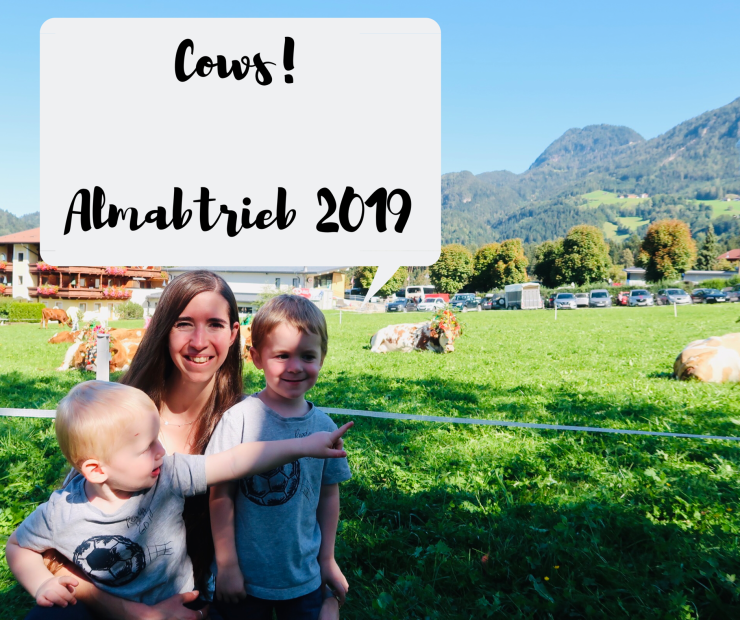
When you talk about Germany in Autumn, about moving to Germany or visiting, people usually talk about Oktoberfest, seeing the leaves turn in Bavaria, watching an Almabtrieb, or the gray, foggy, rainy days. BUT there is a festival that occurs September through November (or into December) every year that is quite the show to see…the Kurbisausstellung Ludwigsburg, or Ludwigsburg Pumpkin Festival. This was the final piece of my Autumn in Germany trifecta and I was so happy that we were able to get to make it this year.

To start with, this festival is the largest pumpkin festival in the world. It is hosted on the grounds of the Residential Palace of Ludwigsburg and boasts over 450,000 pumpkins (600 varieties). Pumpkins are used from everything to display, carving, eating, even rowing in (although due to Covid-19 this did not happen in 2020). Most of the pumpkins are grown locally in the district, however all are from within Germany.
I don’t really have a lot of history on the festival itself, but rather sharing what made this so much cooler than just going to a pumpkin patch for a day. There are basically two things that set the Ludwigsburg Pumpkin Festival apart, the food and the sculptures.
Every year there is a theme set for the festival and it sets the tone for all of the pumpkin sculptures. For the year 2020, the theme was “Music”, so we saw sculptures of famous musicians (check out the Kiss tongue and Beethoven), various musical instruments, and musicians themselves playing instruments (that DJ was MASSIVE). The sculptures are constructed using pumpkins, locally sourced wood, and locally sourced straw. That was one of the things that I really admired about the festival, the idea of locally sourcing materials- it’s a great way to boost local produce and reduce waste.


Most of the walkways are laid with wooden paths and the route to take is somewhat easily laid out. Once you walk through the entrance and the first set of gardens, which contain bred pumpkins and a few carved sculptures (don’t miss those!), you are in the main “sculpture garden”. This was where we saw most of the sculptures (although there are plenty spread throughout), various activities (except the regatta, which is held up on a higher separate end) and where a good majority of the food and shopping vendors are. You are able to not only purchase pumpkins and pumpkin related food/drinks (I’ll get into this later), but you are also able to purchase a selection of local items AND various items featuring shots of the current year sculptures.


While the pumpkin festival is the main focus of this time at the Palace, you are able to explore the full gardens and see all the little nooks and crannies, such as the fairy-tale garden. The Fairy-Tale Garden offers an adventure all its own with its historic play spots, fairytale renderings, and boat and train rides. We had a lot of fun wandering the enchanted pathways and stopping to see all the fairytales come to life (note- these are more along the line of the actual Grimm Fairytale style, not the Disney rendition).

As you walk through the garden you are led through to the castle (part of the Fairy-Tale Garden) and then led back towards the Large Bird garden. Everything loops back around, and you find yourself back in the main sculpture garden (if you choose to loop around). It’s a beautiful tour of the gardens and a nice way to spend the day.


Now, the second draw of the Pumpkin Festival…all the pumpkin food items. From pumpkin seeds to pumpkin pesto to pumpkin drinks, the festival is a foodie and/or pumpkin flavor fiends dream. I’ll be honest, I’m not the biggest fan of pumpkin flavoring, but I was game to try whatever and came away with a couple of new things.

For lunch we got the Penne with Pumpkin Pesto and the Pumpkin Spaetzle with pumpkin and cream sauce. My husband really like the Spaetzle and I LOVED the pumpkin pesto. So much so, that I picked up a jar to take home with me. We both opted to drink the sparkling pumpkin water, which was less of a hit ( I couldn’t finish mine). Too much pumpkin flavoring in that, I’m more of a hint of pumpkin kinda gal. To take home and try I picked up a black tea as well as the sparkling Pumpkin Wine, which I heard SO MANY people talk about and knew I had to try. Will report back as to whether I enjoyed both of those. ***Update- I really enjoyed the Pumpkin Wine- will be ordering a full bottle of that***
Finally, on the way out of the festival we were able to see the largest pumpkin contest. This contest is normally open to breeders all over the world, but given the pandemic, this year only included Germany and Austria. There are several categories, but the winner this year was a pumpkin weighing 745 kilograms (1645lbs!). It’s a massive pumpkin and you are able to check it out, along with second and third and other notable entries at the front of the palace.

On the whole, we loved our time at the Kurbisausstellung Ludwigsburg and I’m so glad we went. This is a must-see event that runs every year September through November (and sometimes into December weather/pumpkin/pandemic providing). Ludwigsburg also advertises another adventure farm festival at Jucker Farm to check out as well, so maybe add that to the list as well.


 A Cuppa Cosy