
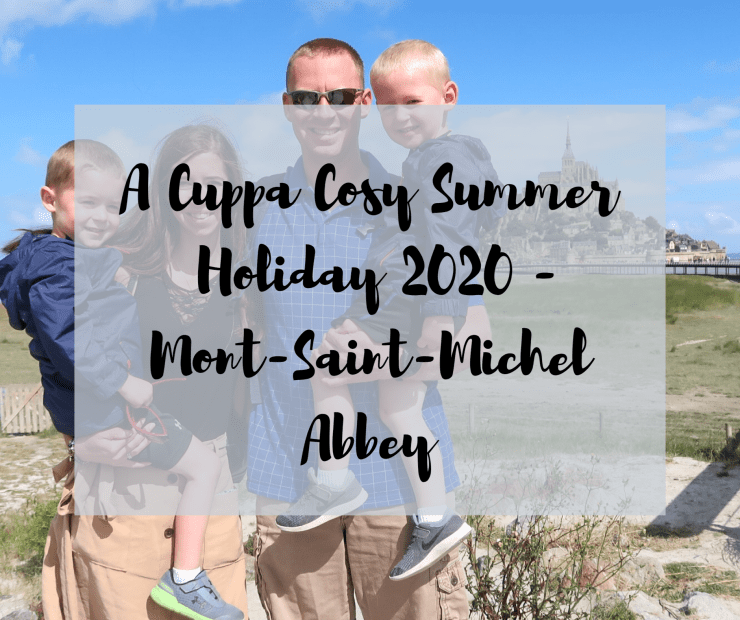
I’m going to start our time in the Normandy Region off with our visit to the Mont-Saint-Michel Abbey. It wasn’t the first thing we did, BUT it was one (in a long list) of the most incredible things we visited. Our entire time in Normandy was full of incredible places, both in happy and heartbreaking times.
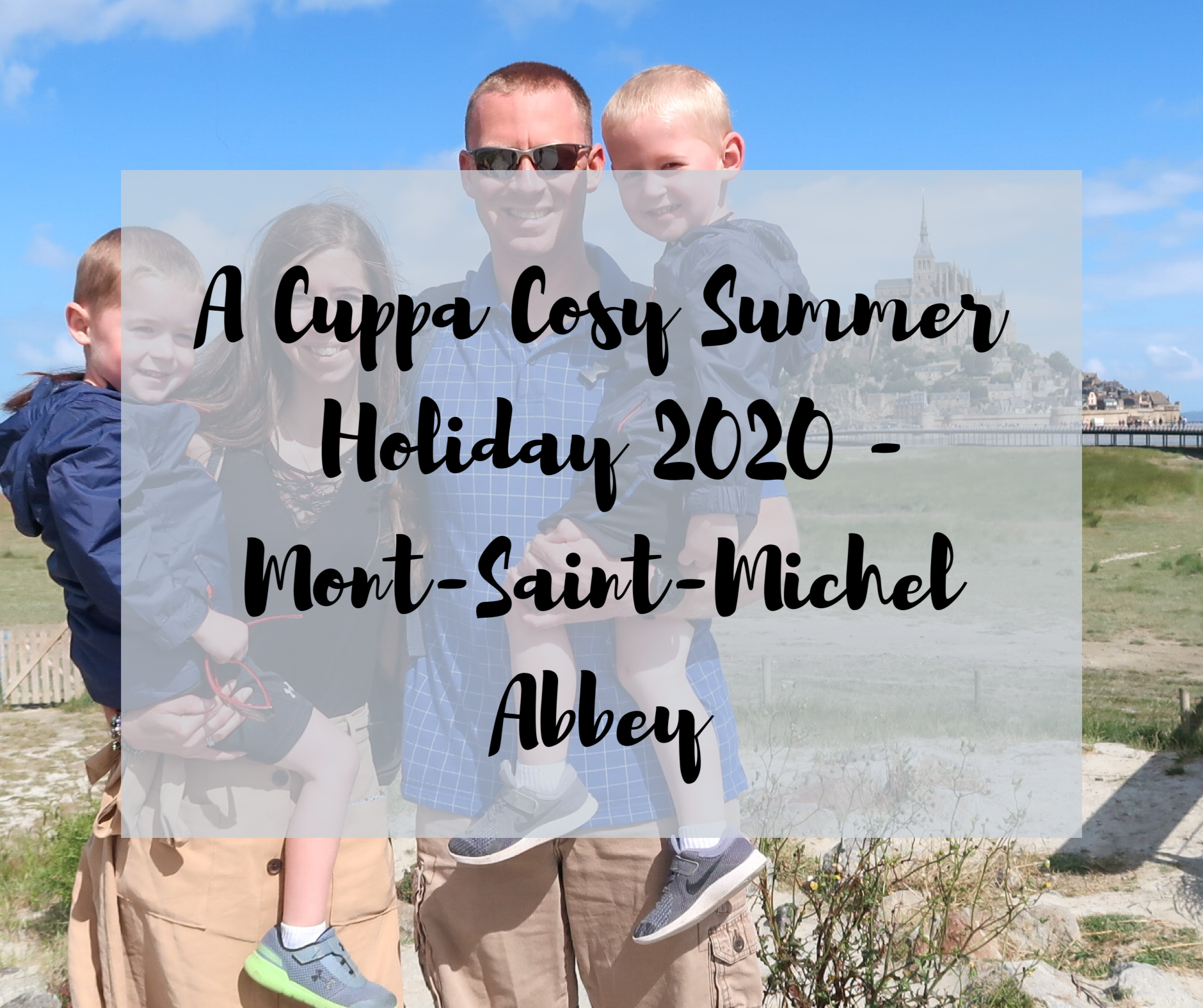
I’ll be honest- I’m going to give a brief rundown of the history of the abbey, a short breakdown of our visit, but I’m mostly going to just let the pictures speak for themselves in this post. It’s safe to say that this was hands down my favorite place we saw on our entire summer holiday. A place that I’ve heard about so many times, is featured on so many bucket lists, a place that you can only dream about, and a place that I can now say that I’ve been to and it doesn’t disappoint.
Mont-Saint-Michel dates back to the 1st century (708 to be exact) when a bishop had a sanctuary built on the Mont-Tombe. This mount soon became a sacred point of pilgrimage and in the 10th century a group of Benedictines settled in the abbey. The village outside the abbey grew larger until it reached the edges of the rock island it is located on. Of course, the abbey hasn’t only been used as a religious spot, it was also used as a prison the in the 19th century. During that time, it was known as the “Bastille of the sea”. Finally, in 1874 it was classified as a historic monument and restoration work was able to begin. Restoration work is regularly done to continue to keep the abbey in the state it would have been during the Middle Ages and in 1979 it became the first property in France to be added to the UNESCO World Heritage Site list. The abbey is still, of course, in active use today as a religious site.


An interesting note to make about the architecture (before I get into our visit) is that the concept of the abbey had to be somewhat redesigned to accommodate the pyramid nature of the rock. This makes it entirely unique; unlike any other monastery. The church stands on various crypts and a platform so that the church itself doesn’t collapse. The concept applied in order to make sure the entire abbey stood and stayed were relatively new and unheard of at the time as it met both the constraints for the monks as well as the constraints placed by the land itself. Walking through the tour you are able to see how this was done and where various platforms and load bearing spots are.


Like I’ve already mentioned, I think this was one of the spots that I was most in awe and will never forget (like most of the Normandy portion of our trip). From walking the path to the bridge to cross the water, to walking through the tight alleyways with the shops and restaurants out to get your business (it’s not nearly as sinister as it sounds- promise), climbing up the rock until it opens up to the abbey itself was a memorable experience. The view from the uppermost point is the most incredible view, you really get the sense of isolation it could have been (as – at the time – it was only accessible at low tide). The abbey itself is an incredible feat. The architecture aside, the sheer beauty of the church, the intertangling yet separation of the various spots within the abbey was really neat to see. You are also able to see one spot that is an homage to the buildings use as a prison.
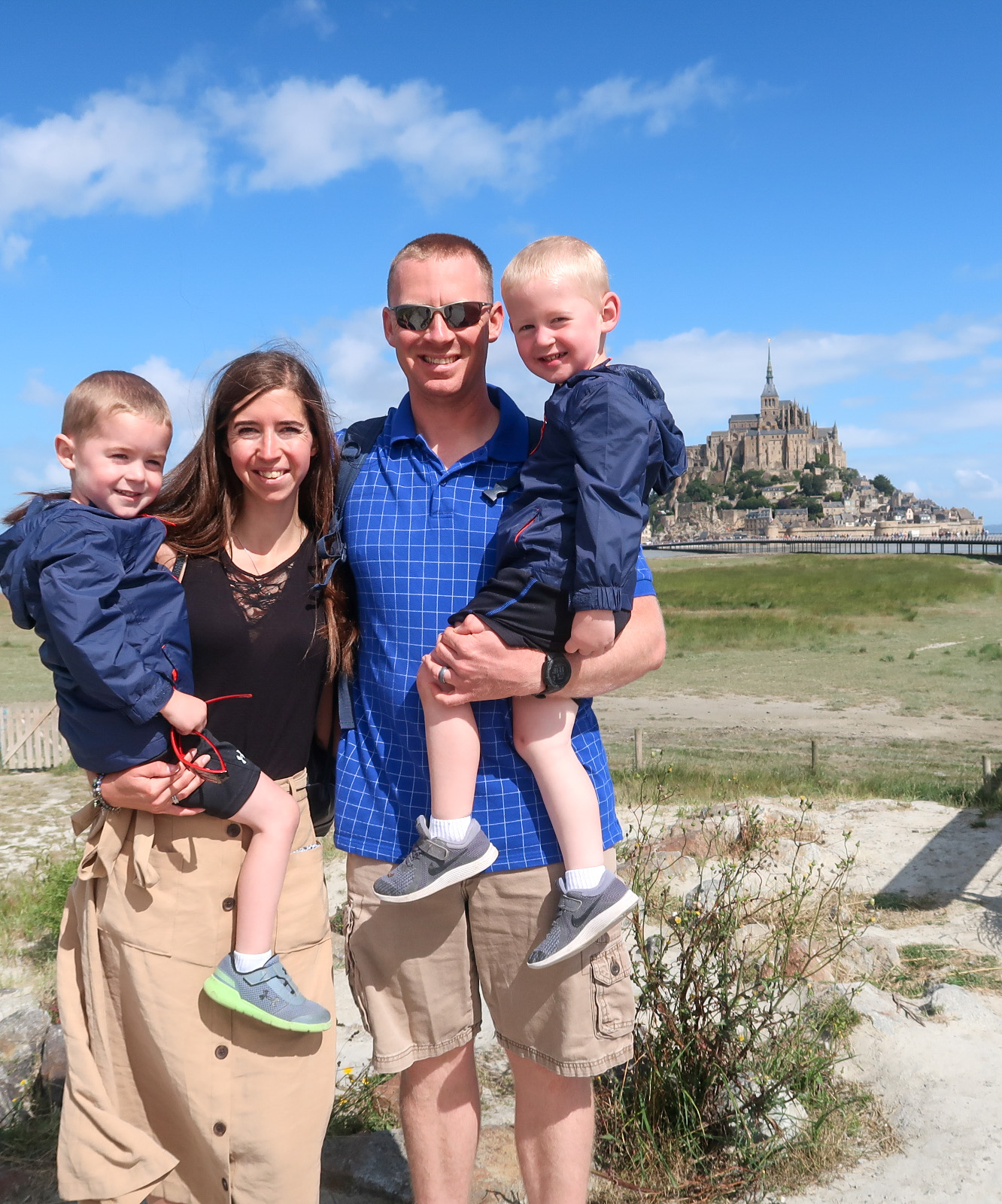
To be honest, we spent way too long contemplating if we would actually go. It was one of those situations where we would probably not ever get *this close* again, but it was just a bit too far. We didn’t know how long we would spend there and it was across the peninsula from us. The morning we decided to go it was a spur of the moment let’s just do it and have no regrets…and I’ll be honest- it was well worth it. The drive to the abbey is gorgeous, meandering through the French countryside and then along the shoreline leading up. The parking wasn’t bad at all (we did get there early thought), and the crowds were less than what I was expecting (but still more than we had seen previous). We only stayed for a couple hours at most before heading out, but those were hours very well spent.


In terms of Covid and general tips…
I would purchase your ticket online, park, and then walk the path to the Abbey rather than take the bus (take the bus after your visit). The walk isn’t long and it’s stunning to see the rocky island get larger and larger in front of you as you get closer. We went mid-morning (our tour was around 11:30-45 I believe) and it wasn’t that bad. The shops are fun to look into and walking through all the little back alleys was neat. You get a real gist of what it would have been like to live there. They do require masks at all times once you enter in the abbey and the tour is, as many others, a very strict one-way tour. There is also an option to rent a room and stay overnight on the island (which I kind of wish we had done, but it’s totally ok). If you choose to just go for a day, I would plan on spending a few hours on the actual island.



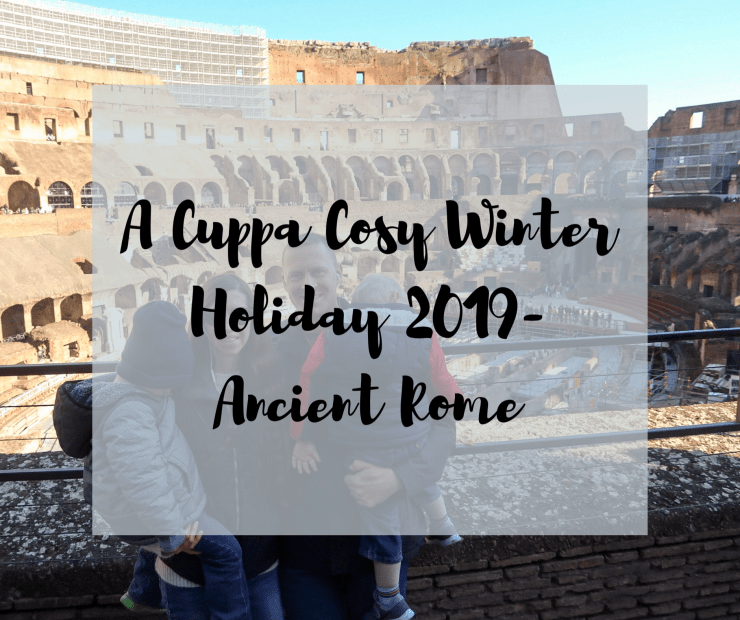
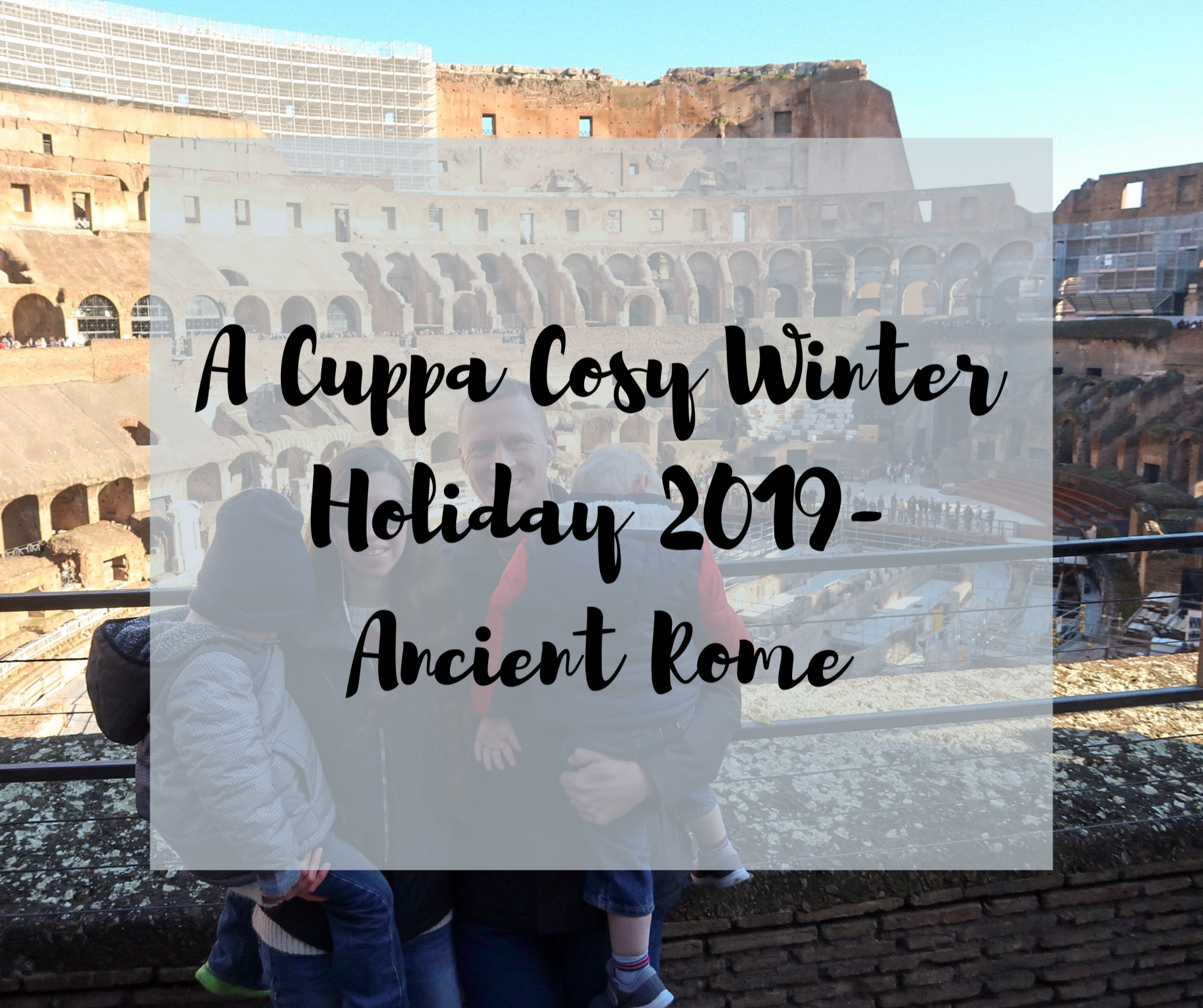


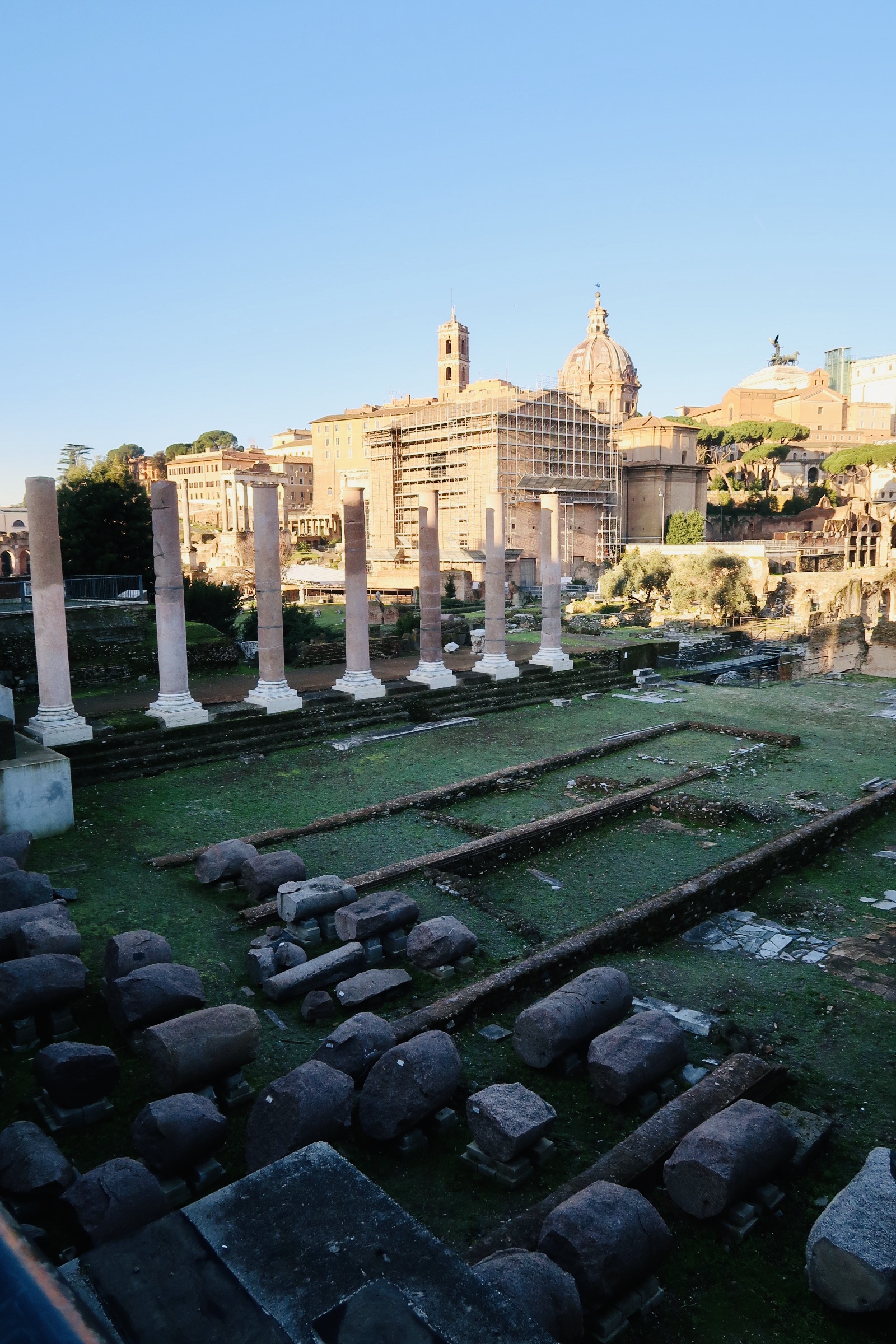 So, our tour started at the entrance of the Roman Forum. The Roman Forum was the heart of Ancient Rome, the heart of the empire, and the starting point of so much of our Western Culture/Civilization. Before I get too much into the history, let me start by saying how absolutely incredible, breathtaking, overwhelming it was to be walking these Ancient Streets. It is an experience that I am never going to forget. My history loving heart was just exploding with happiness, but it was also a bit overwhelming at times to think of just how old, how ancient these places are. It’s hard to wrap your mind around while you are standing there in the moment. To give an idea to this, many historians believe that people first starting meeting in the forum around 500 B.C., even though the “city” wasn’t founded until 753 B.B. (by Romulus and Remus). The Forum has served many uses under many rulers, from a marketplace, to a religious spot full of temples, to a circus/gladiator ring (pre-Colosseum) to a public affairs location where soldiers would march the streets after their victories. In fact, there are a few arches within the forum that were made in honor of the rulers’ military victories. When the Roman Empire started to decline, the Roman Forum went along with it and during the Middle Ages it was completely destroyed to make room for farms and animals to graze. In the very early 1800’s excavations began to uncover the Forum and are even continuing on today (the most recent excavations were “completed” about 5 years ago, I think?). Fun fact/super neat fact: Every time something would get ruined (due to the fact that the Forum was actually located in a swamp/flood area), the Romans would just build over it. So, there are actually several different “eras” to the forum.






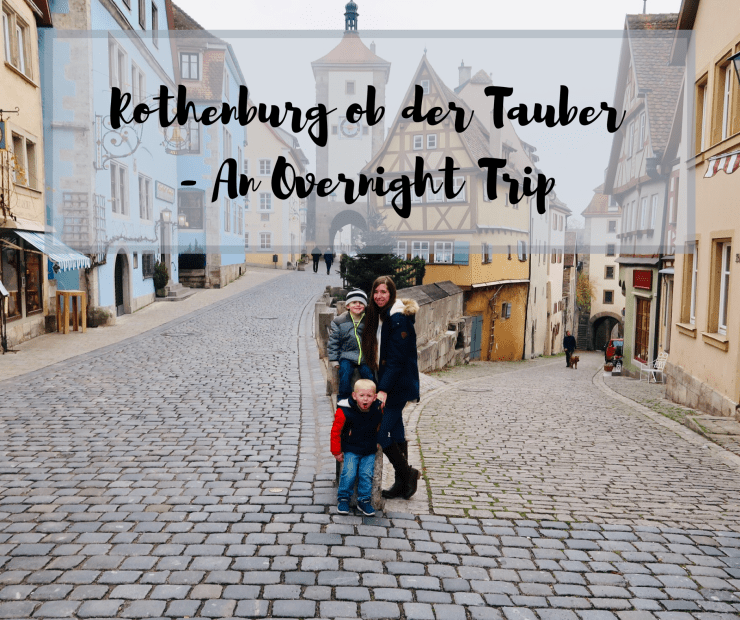



 Today I am going to talking about something that we have done and will be doing in the next month and that is planning big trips. We have taken summer vacations for three years in a row now with our little family to all different destinations (Maine, Canada/New York, United Kingdom) and are planning a Christmas/Winter getaway over the next few years too. There is a definite difference in planning between planning these bigger travel events than with planning Weekend Getaways. Not only are these usually further distances away, but they are usually intended to be to see more and do more. I have talked about long weekends (
 A Cuppa Cosy