A Cuppa Cosy Summer Holiday 2021 – Boston, MA Pt.2

It is time for the second part of our few days in Boston (you can read the first part HERE). As much as I had thought that I wouldn’t write too much about the history, I found myself getting swept away in it all. So, here we are, a second post. Todays post is going to be all about The Freedom Trail located within Boston. We split the Freedom Trail into two days, doing half each day, but it is completely feasible to do it in one day if you’d like. I always appreciate when a city puts something like this together (and trust them when they do) as they usually have the best directions to hit everything you want to see- Luxembourg City did this very well too.

The Freedom Trail is a highlight of a trip to Boston as it is a 2.5 mile red line that wanders through the city, taking you to all the important spots in Boston history. Dating back to 1950, it allows you to view museums, meeting houses, churches, and other buildings that hold a special significance to the city. Anything from churches and cemeteries (with Samuel Adams, Paul Revere, and others gravesites) to a plaque on the side of a building signifying the first book store, The Freedom Trail will give you a little bit of everything. The tour (or at least the direction we went with) starts you off in Boston Commons. 
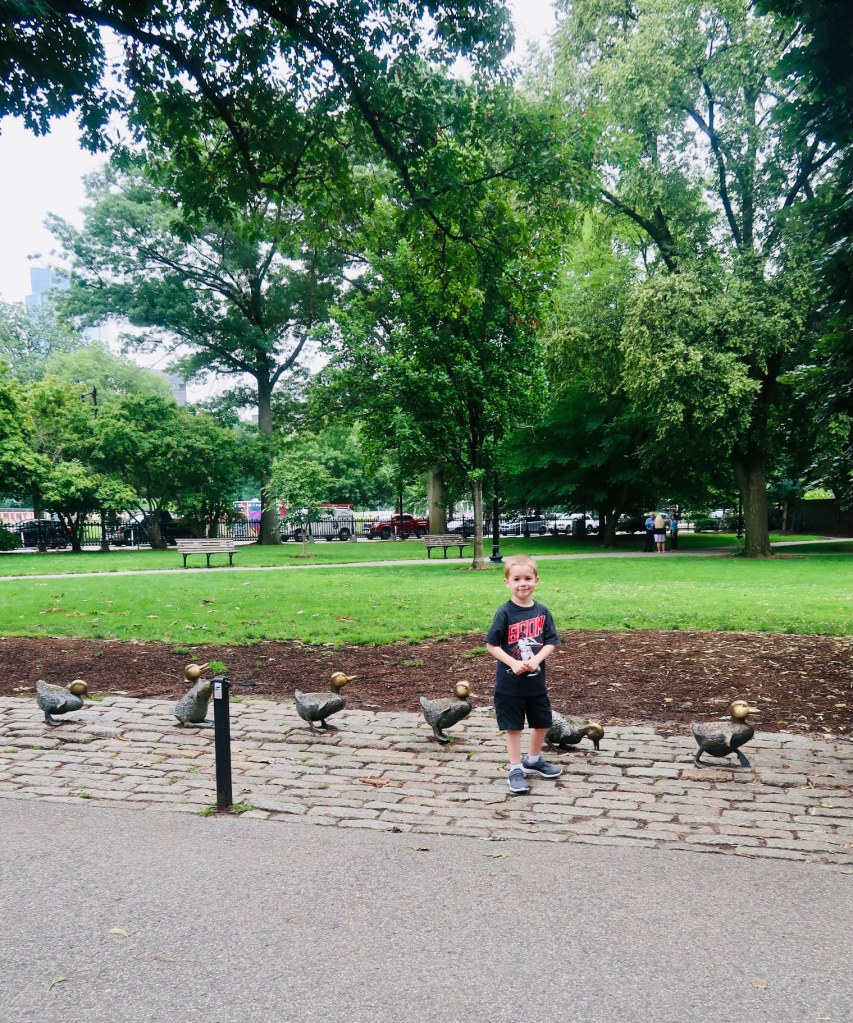
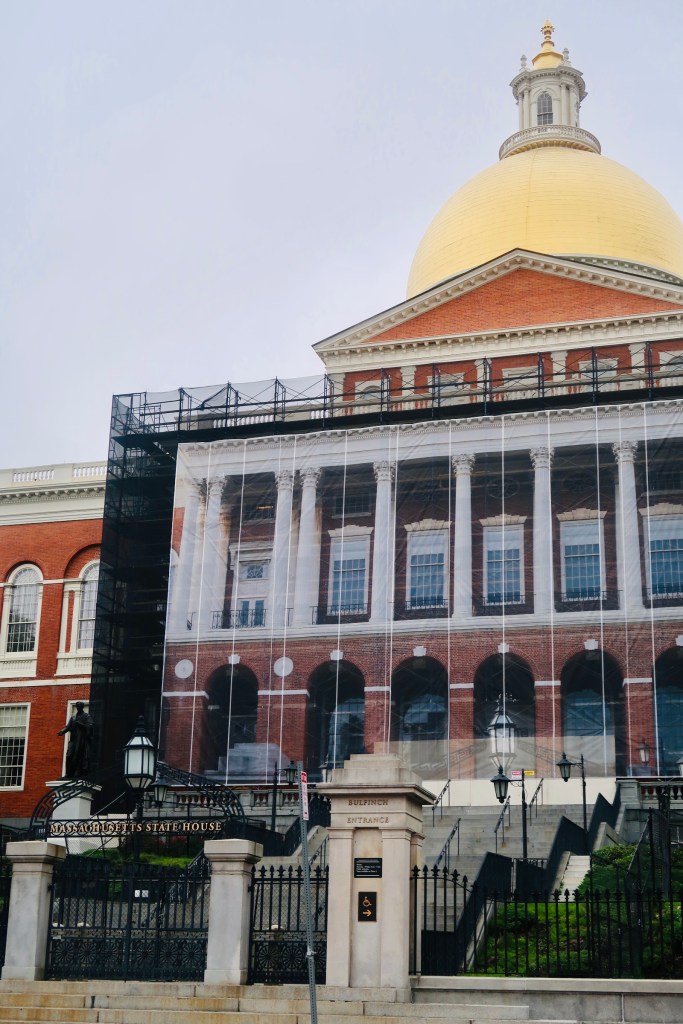
Boston Common is America’s oldest public park, dating back to 1634. The Puritans purchased the grounds from William Blackstone, it was originally used as a common grazing land for local livestock. It also became a spot for public punishments (featuring everything from stocks and pillory for theft to the hanging of witches and others). During the Revolution it served as a training and camp ground for the British. Today it serves as a public park (the smaller park across the street is where you can find the famous ducks) and a place for rallies and marches, as well as live music and festivals. Towards the end of the park there is a monument to Robert Gould Shaw and the 54th Regiment. This memorial honors and commemorates the first all-Black volunteer regiment during the Civil War. Most of them died during an assault in South Carolina, but they are forever memorialized here.** You also get a glimpse of the Massachusetts State House as you exit the Common. This has been the home of the state government since it was opened in 1798. 

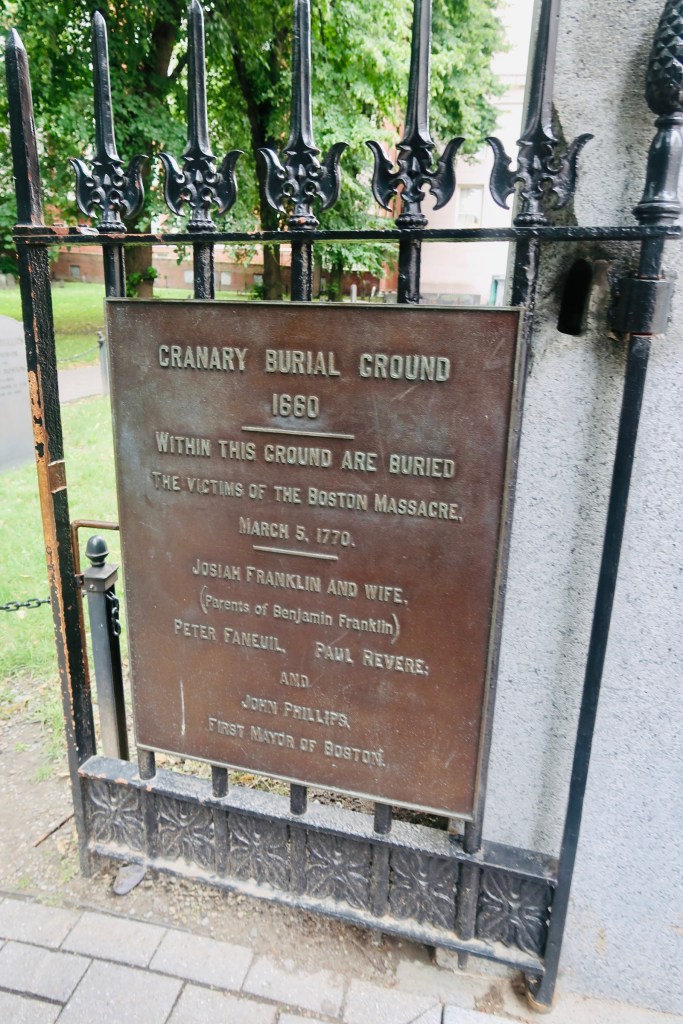
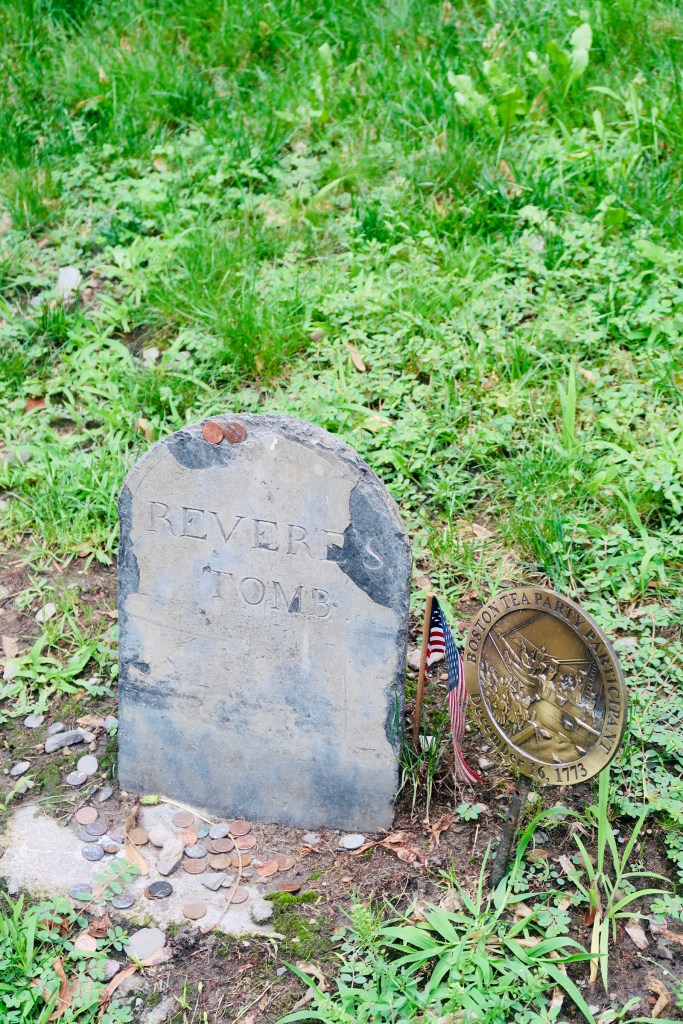
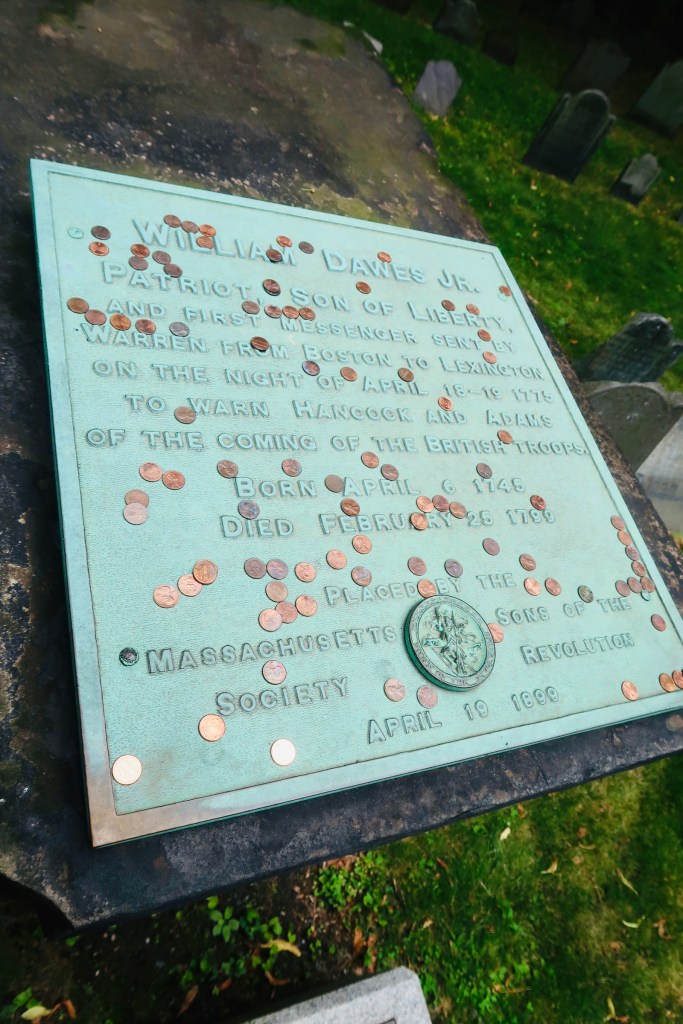
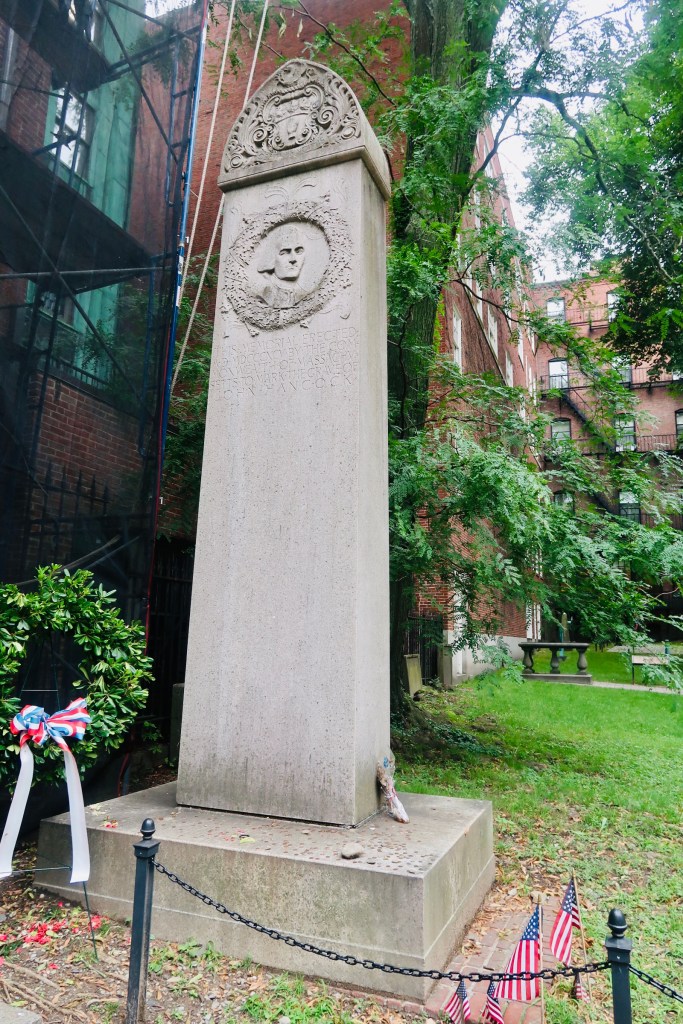
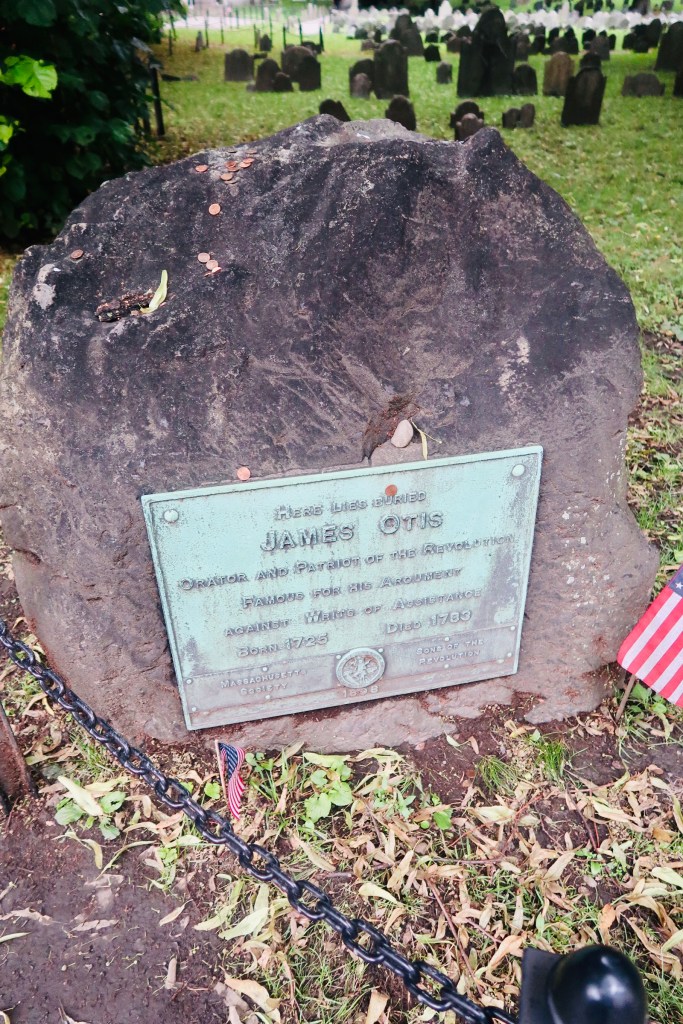
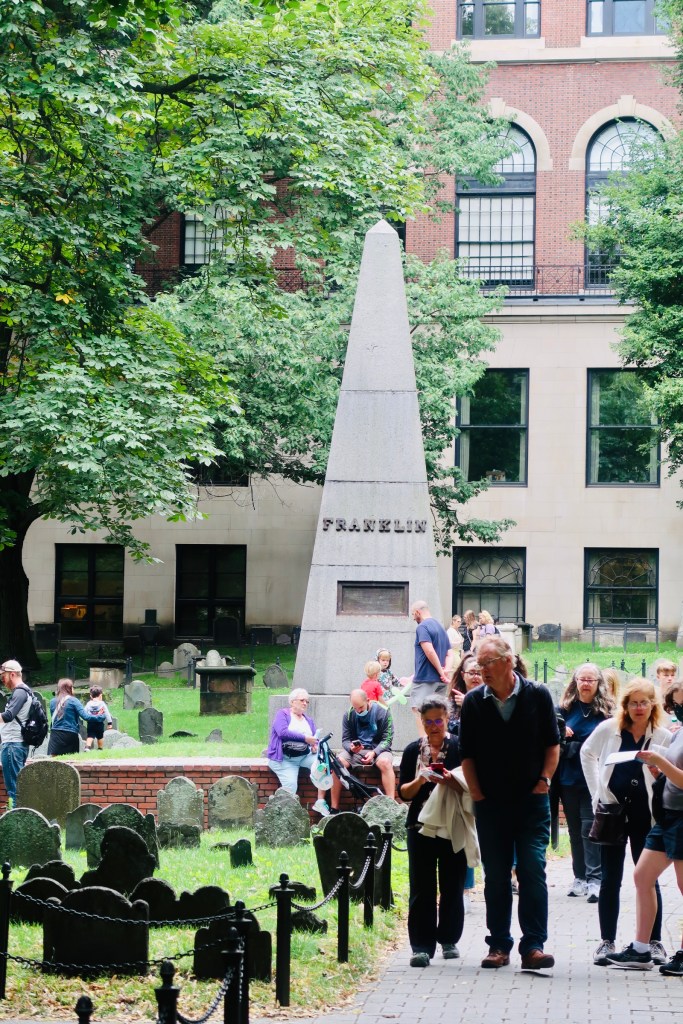
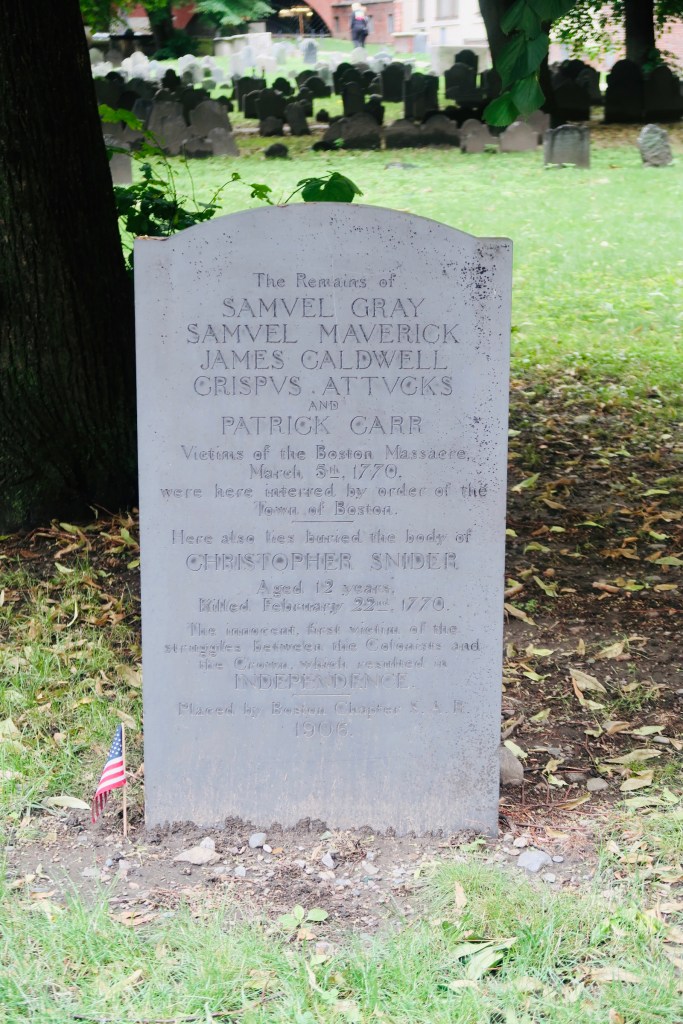
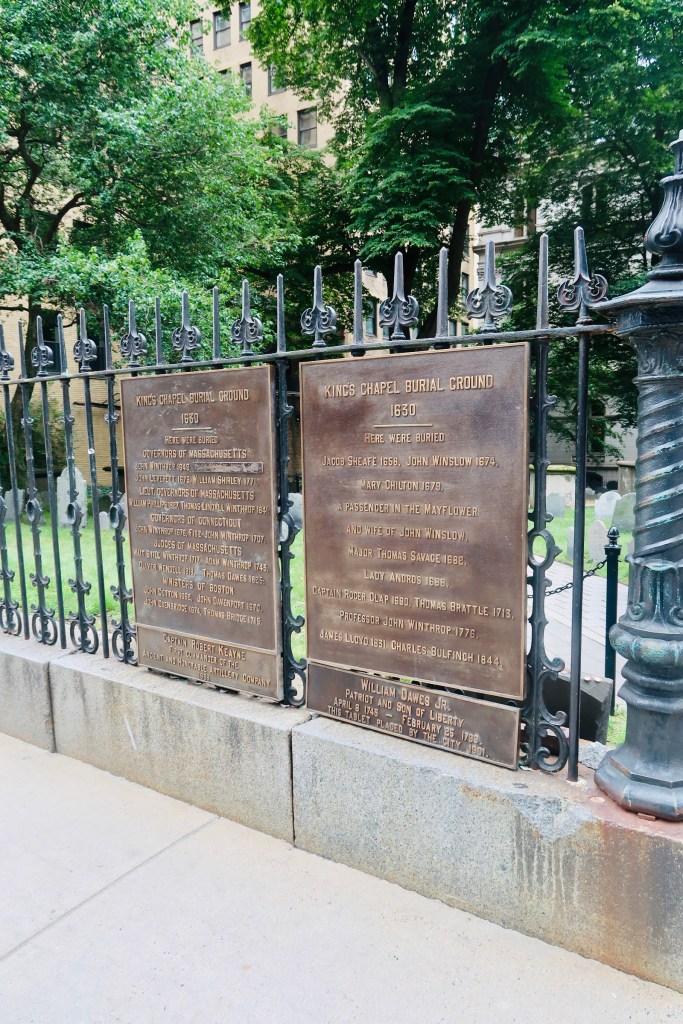
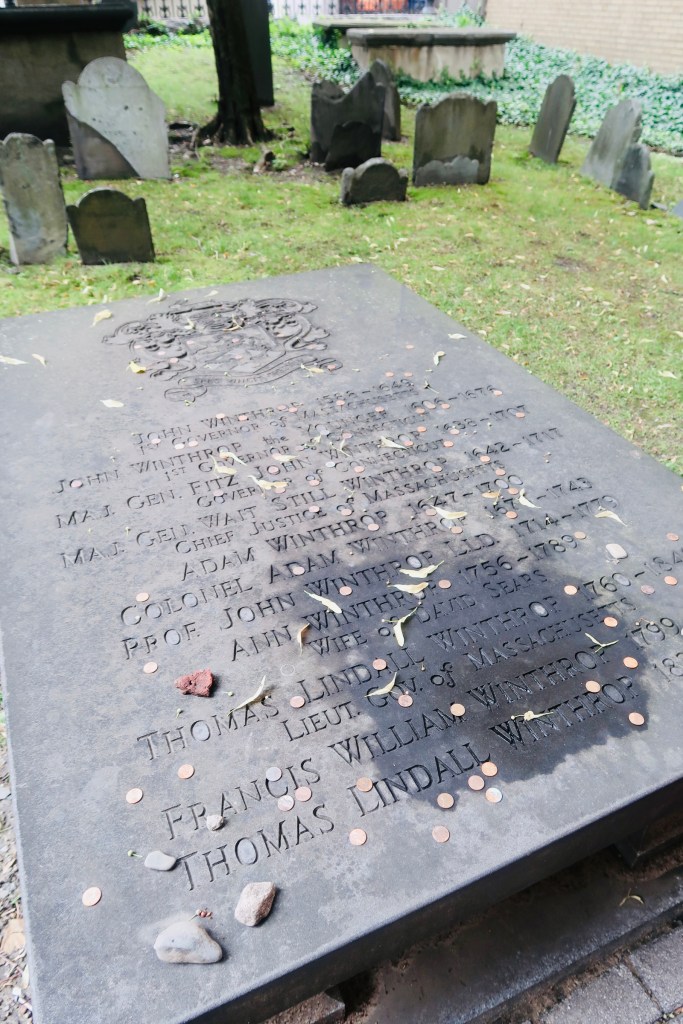
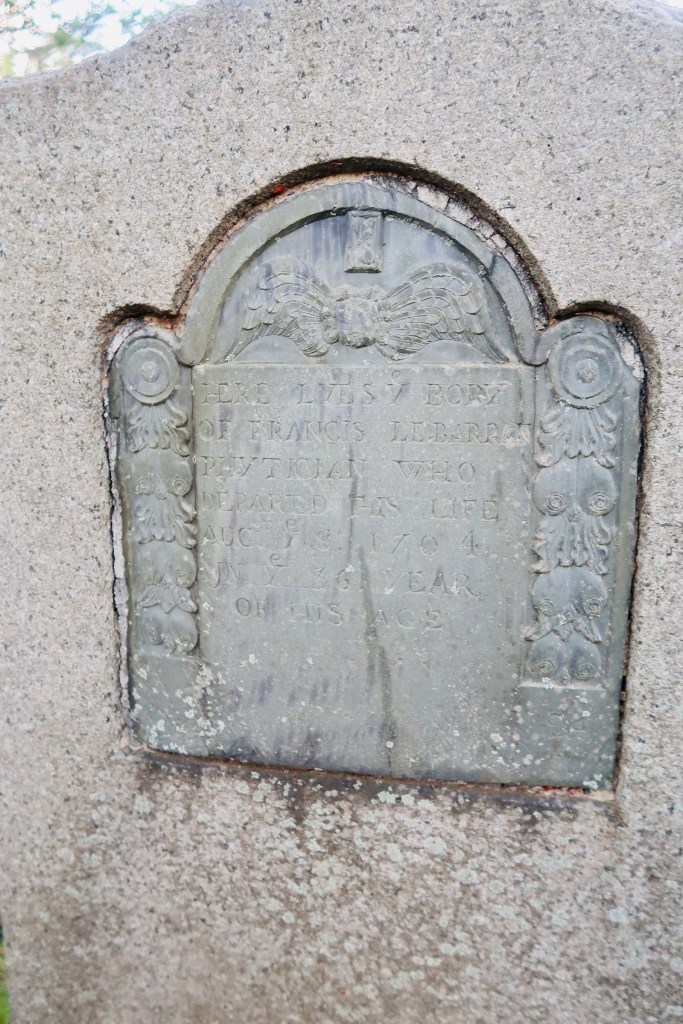
The next stop on The Freedom Trail that we made was to the Park Street Church and Granary Burying Ground. The church dates to the early 1800’s, but the burying ground is the real attraction at this stop. This cemetery is the final resting place for some of the key players of the founding and fighting for the colonies of America. This is the final resting place for around 5,000 of Boston’s own, though there are only markers and knowledge of 2,300. Notably buried here are Benjamin Franklin, Paul Revere, John Hancock, Samuel Adams, and a memorial for those massacred at the Boston Massacre. On these headstones you won’t find religious markers, rather these motifs of skulls with wings (to symbolize flying to heaven). Keep an eye out for grave markers- similar to those in Plymouth, there are metal markers signifying when the person participated in a momentous occasion, such as the Boston Tea Party. You are also able to go to another church and burying ground- the oldest in the city. We didn’t end up going in the church, but we did have a peak at the cemetery. Similar to Granary, this boasts several “big names”, the first woman off the Mayflower, Mary Chilton, William Dawes Jr, messenger sent to warn that the British were coming, as well as many others. 
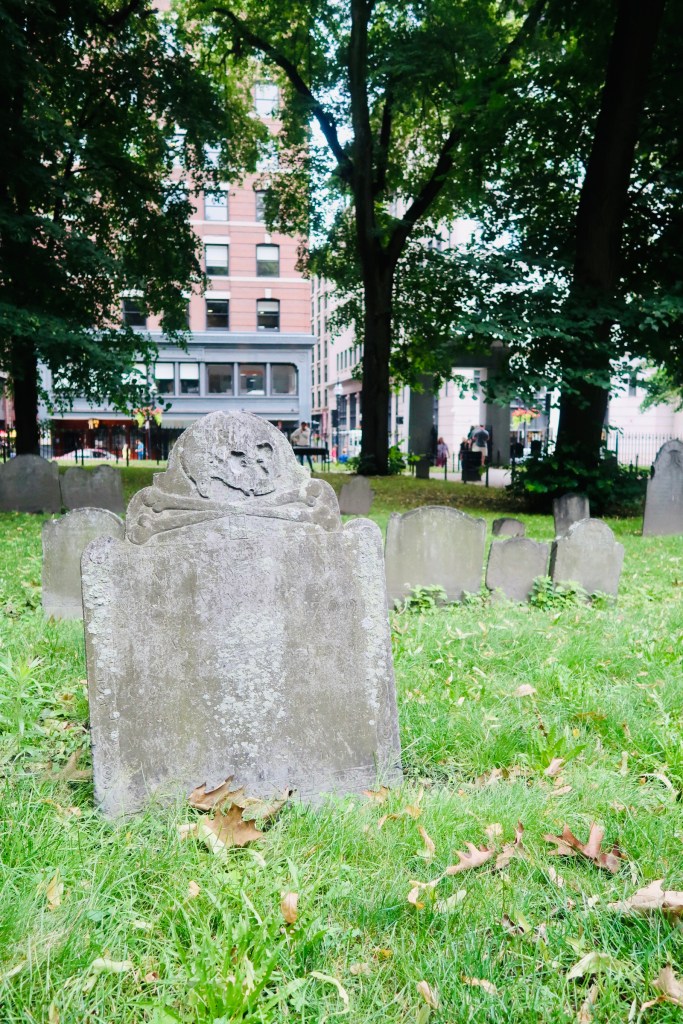
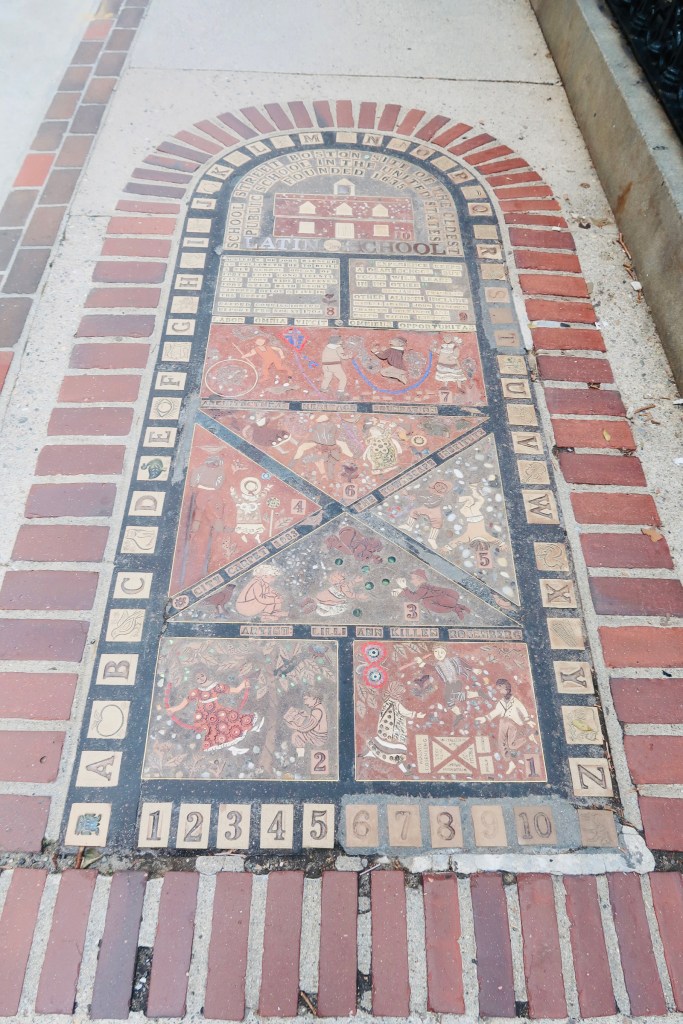
The next few stops on the trail are “bunched” together in that you have the first public school of America (which boasts educating 5 of the signers of the Declaration of Independence), a statue of Benjamin Franklin (who actually dropped out of the school just mentioned), and the Old Corner Bookstore, which is the oldest commercial building in the city (it’s now a Chipotle). 
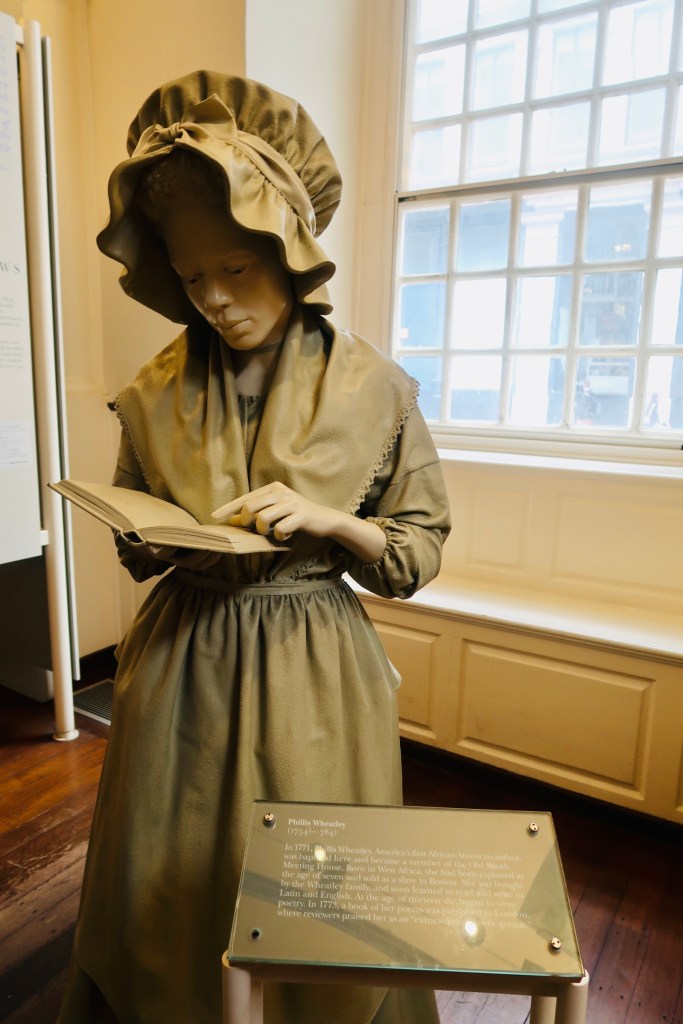
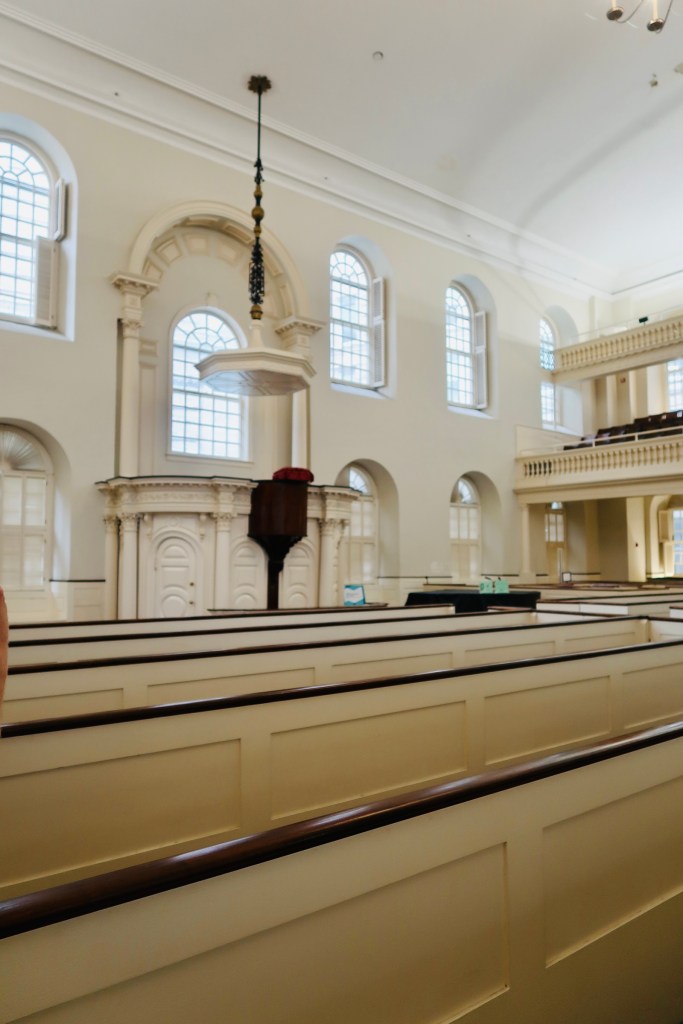
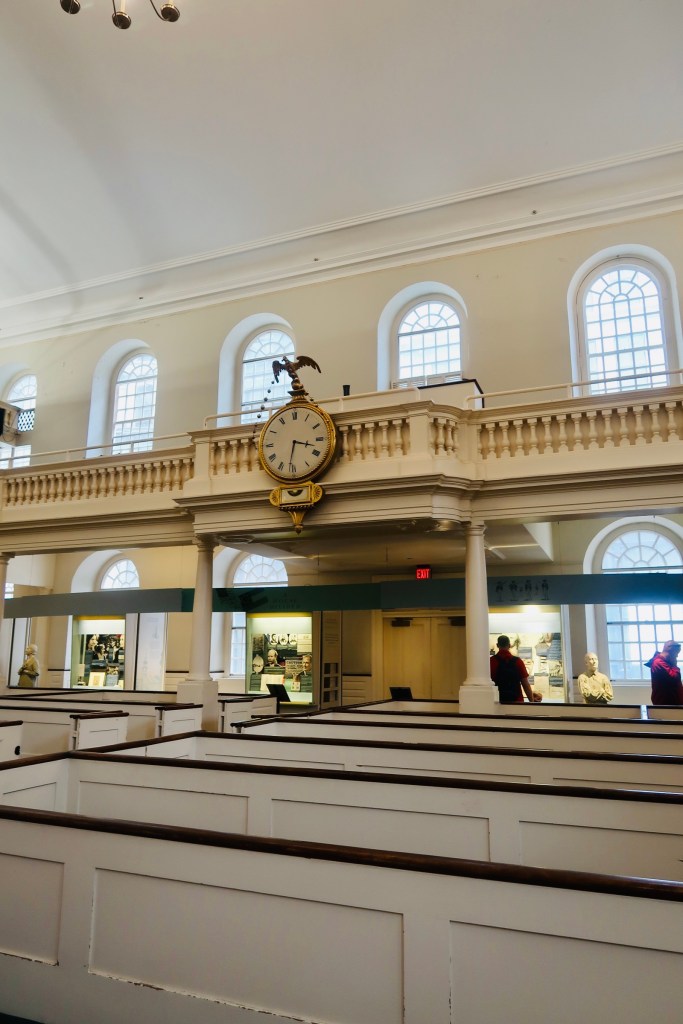
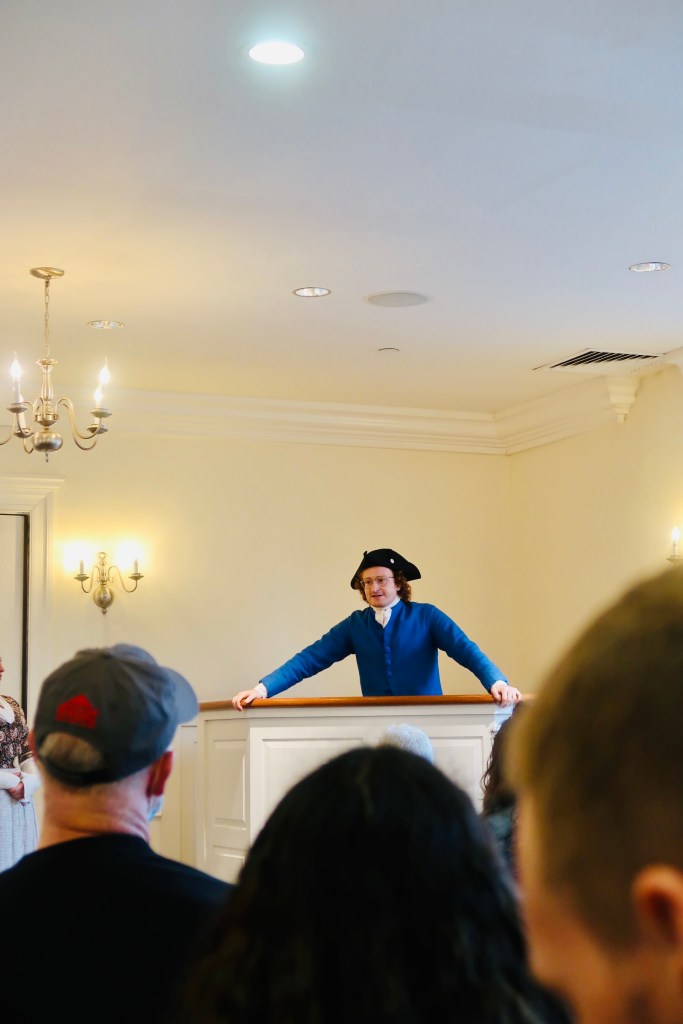
From there we headed over to the Old South Meeting House (this deviates slightly from the trail, but as I said, we split this in half so there was some deviations here and there). The Old South Meeting House is “the room where it happened”. It was the center piece to debate, to sermons, to public meetings. The largest building in colonial Boston, this was originally built as a Puritan meeting house. The congregation boasted members such as Samuel Adams, William Otis, William Dawes, Benjamin Franklin, and Phillis Wheatley, the first women and enslaved women to publish a book. The building also served as THE site, where the Boston Tea Party was decided, with 5,000 men in attendance debating the tax and what to do about it.  It now is recognized as the first in what are now regular history conservation projects. But the road was not easy, the building was actually sold in the 1870’s and it took a group of 20 women to save the building from being demolished (which also makes it the first building to be saved due to historical significance- lots of history in just one building). It has been a museum since 1877 thanks to their efforts. 

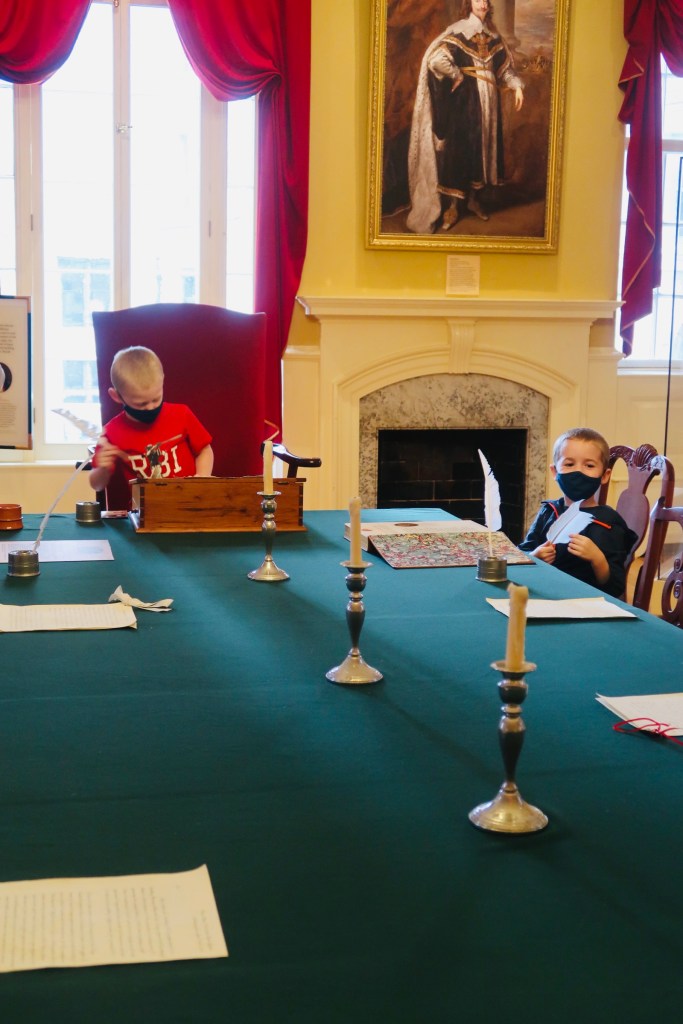
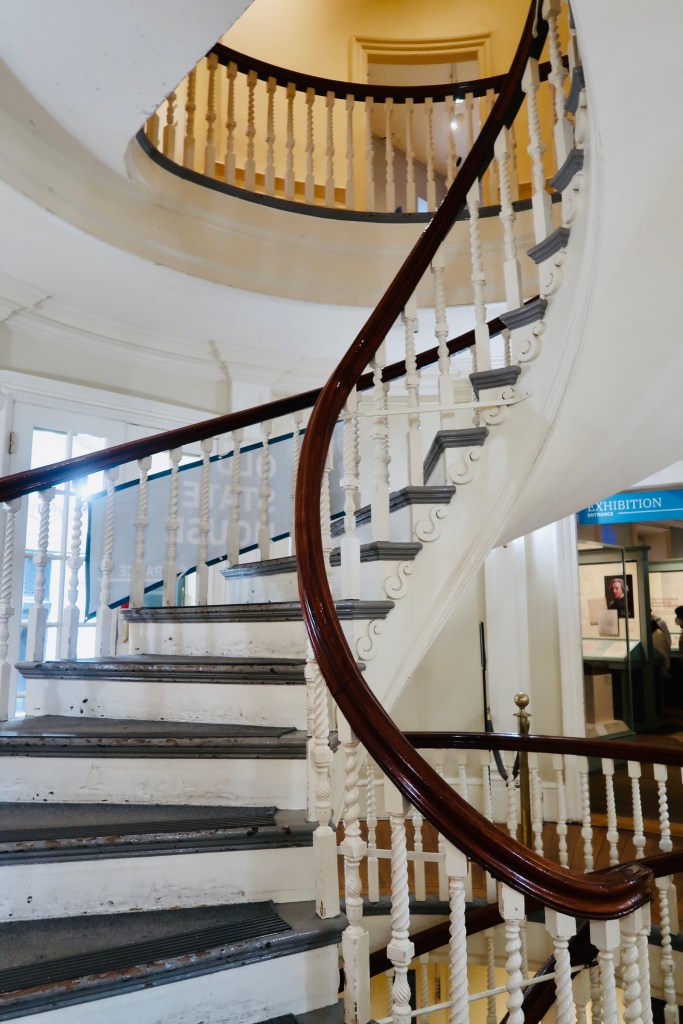
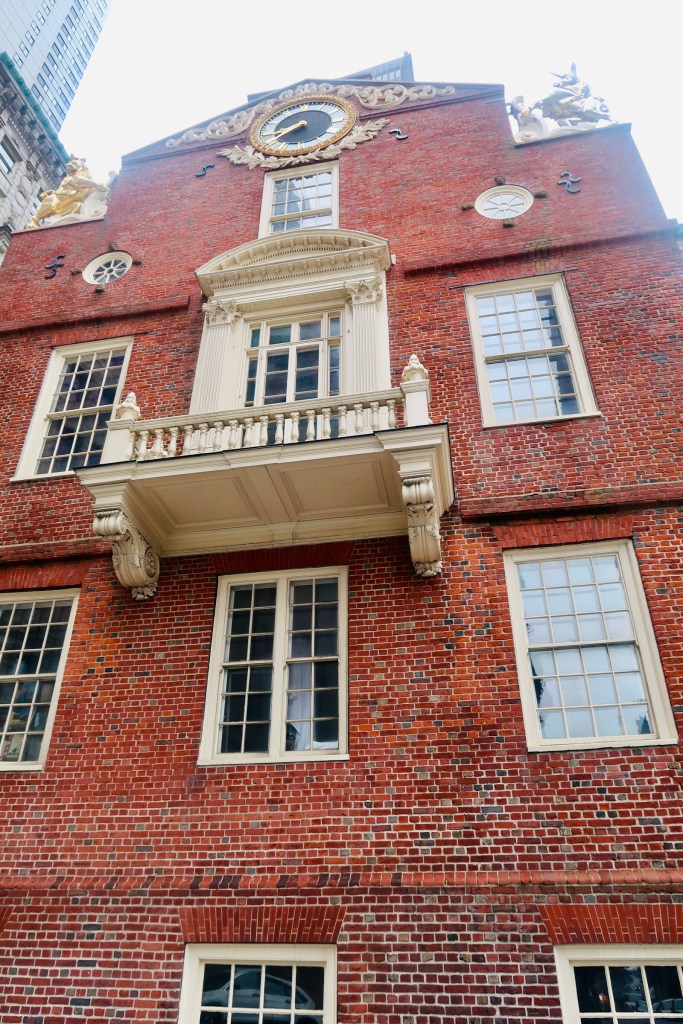
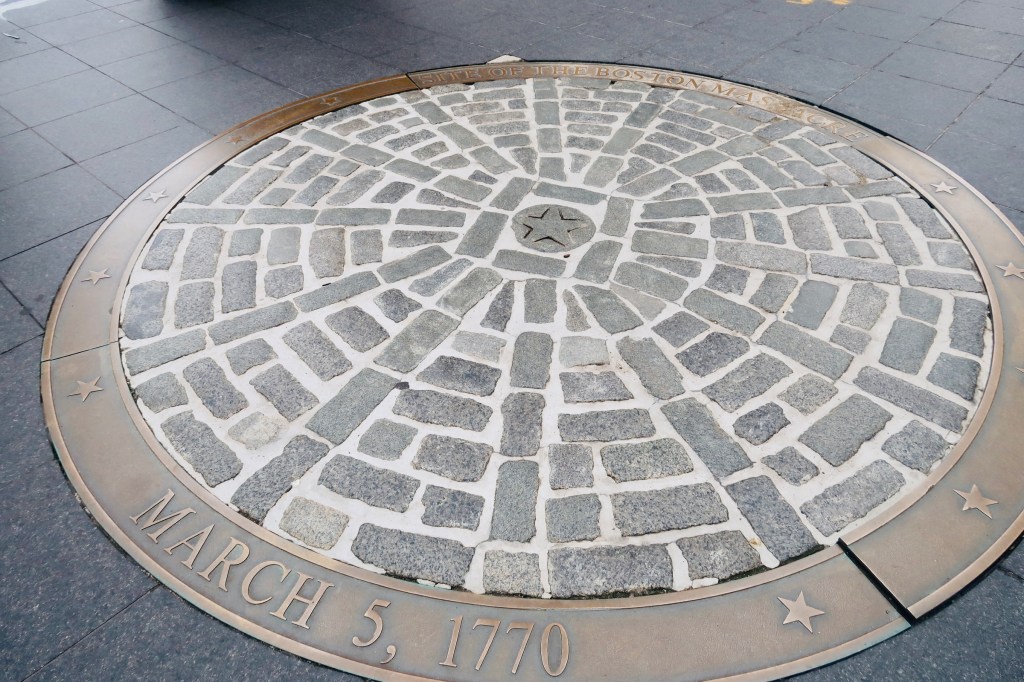
We made a last stop on our first day of the Freedom Trail over to the site of the Boston Massacre and the Old State House. The Old State House is the oldest surviving public building in the city, dating back to 1713. It now serves as a multi functional museum, documenting not only life in Boston, but the revolution, the Boston Massacre, and has a hands on second floor exhibit for kids to see what certain aspects of life were like. The boys especially loved this as they got to play “King” and “Governor” and dictate things. Right in front of the Old State House is a marker for the location of the Boston Massacre. Taking place on March 5, 1770 the Boston Massacre was a fight between the Redcoats and the people of Boston that ended with the death of 5 people. The tension between the two groups of people had finally boiled over and this tragedy became a turning point leading to the fight for independence. 

The next stops on the Freedom Trail are to Faneuil Hall/Quincy Market. I talked about Quincy Market in my previous Boston Post (HERE) and we didn’t actually get to properly go into Faneuil Hall during our time in Boston. Faneuil Hall served as a meeting place for public speech and commerce. You were able to protest, loudly, you could conduct various forms of business, you could swear an oath of allegiance. Basically it was a center of politics, conveniently located right next to the markets and commerce place. 

And that was the end of our first half of the Freedom Trail. I am noting this BECAUSE I feel like, if you want to split it into two days, that is a good place to split it. Most of the above attractions are within the same are of Boston, with convenient and easy walking distances. Then, the below would be the other half of The Freedom Trail. Again, you can do it in one day if you like (and public transport is actually decent if you need it), but this would also be a good stopping point for the day. 

**I also want to note, that there is an African American portion of The Freedom Trail. This trail takes you through the sections that the freed African Americans would have lived, their meeting house, the various monuments (including Phillis Wheatley) and other spots. You can find the trail right off of the Robert Gould Shaw Memorial at the end of the Boston Common. 

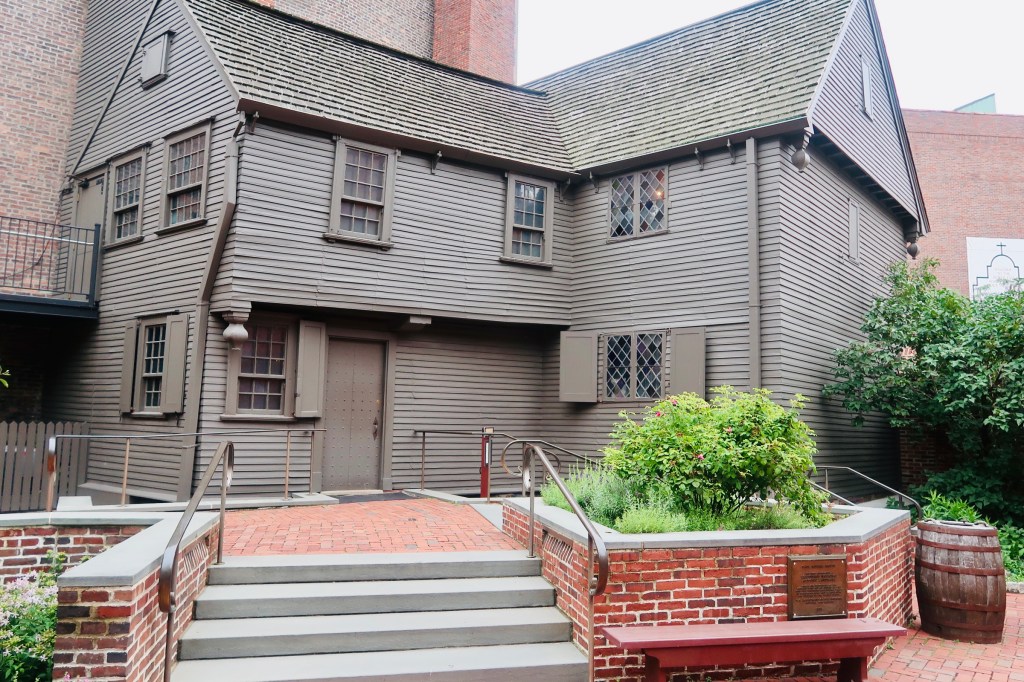
The second half of the Freedom Trail gets a little bit more into the battles of the city. Starting at Paul Revere’s home, you are able to get a good glimpse into how folks of his stature, in his time, would have lived. Built sometime near 1680, his home is the oldest remaining structure in downtown Boston. It is also the only “home” listed as part of the Freedom Trail. You are able to walk through the home, see the kitchen, the sleeping areas, AND see quite a few of the artifacts from his life. You can also see the famous Revere Bell (as we always seem to forget the Paul Revere actually was a craftsman by trade). THis is a quick but easy stop to make and a great way to start off a second day of the trail. 
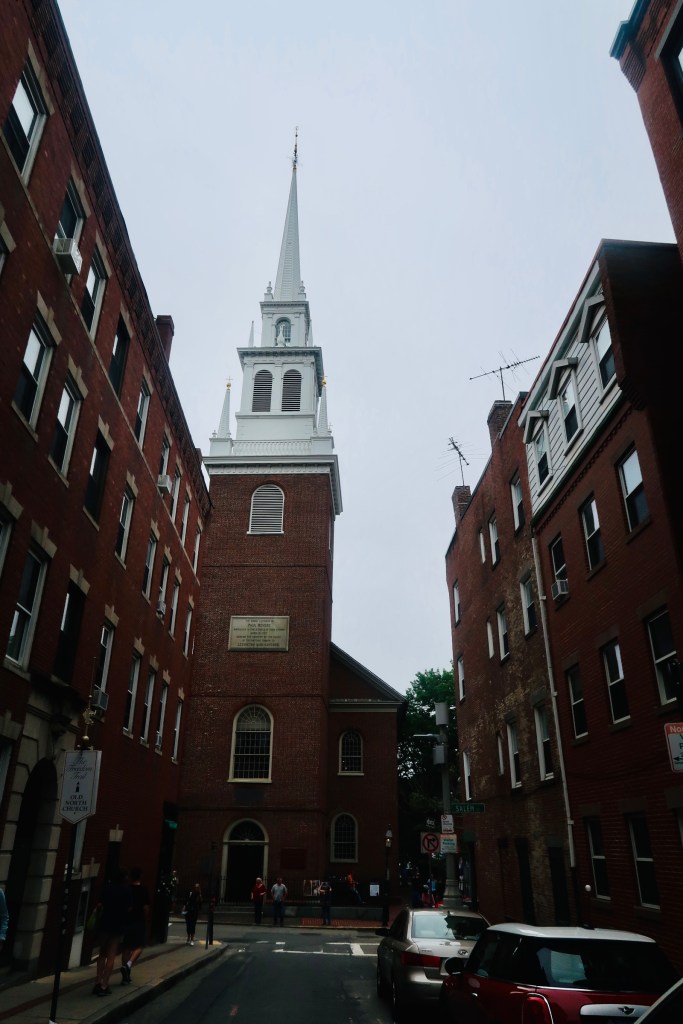
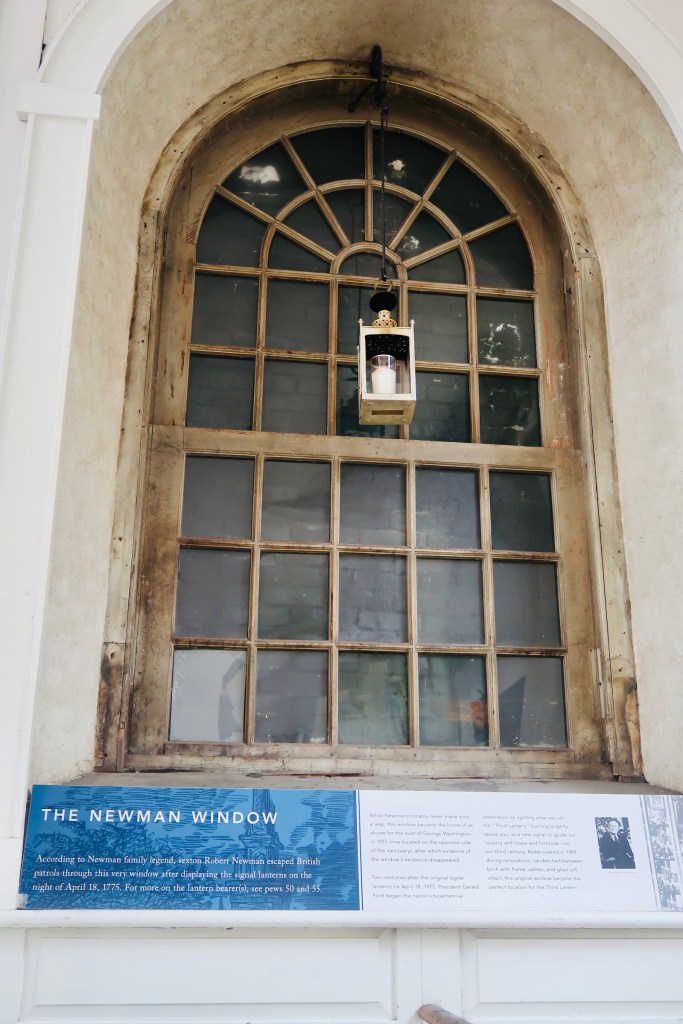
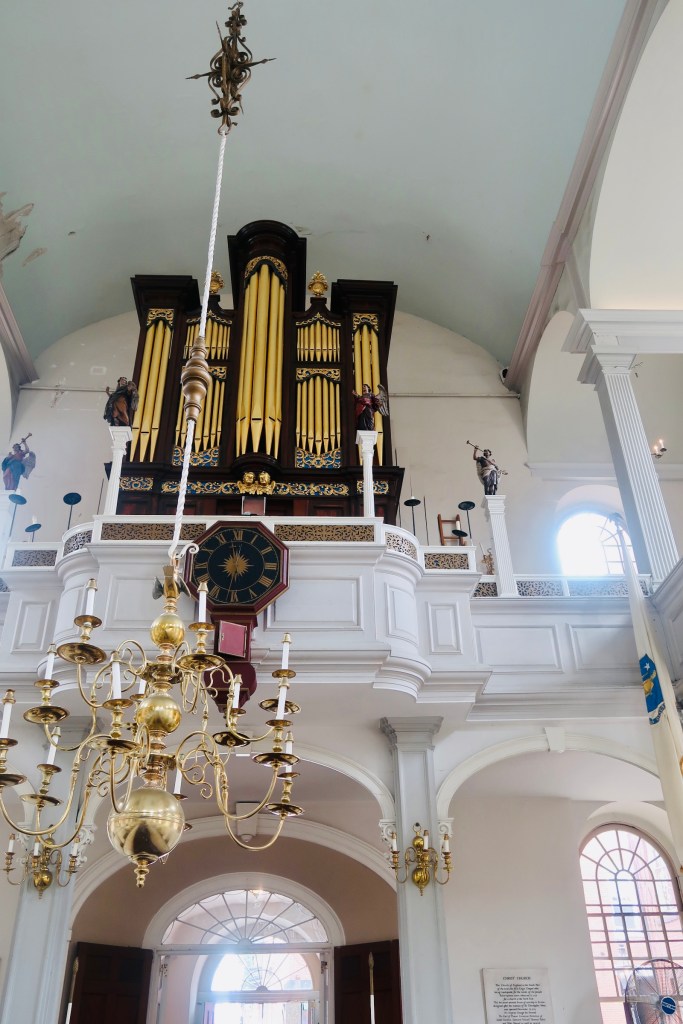
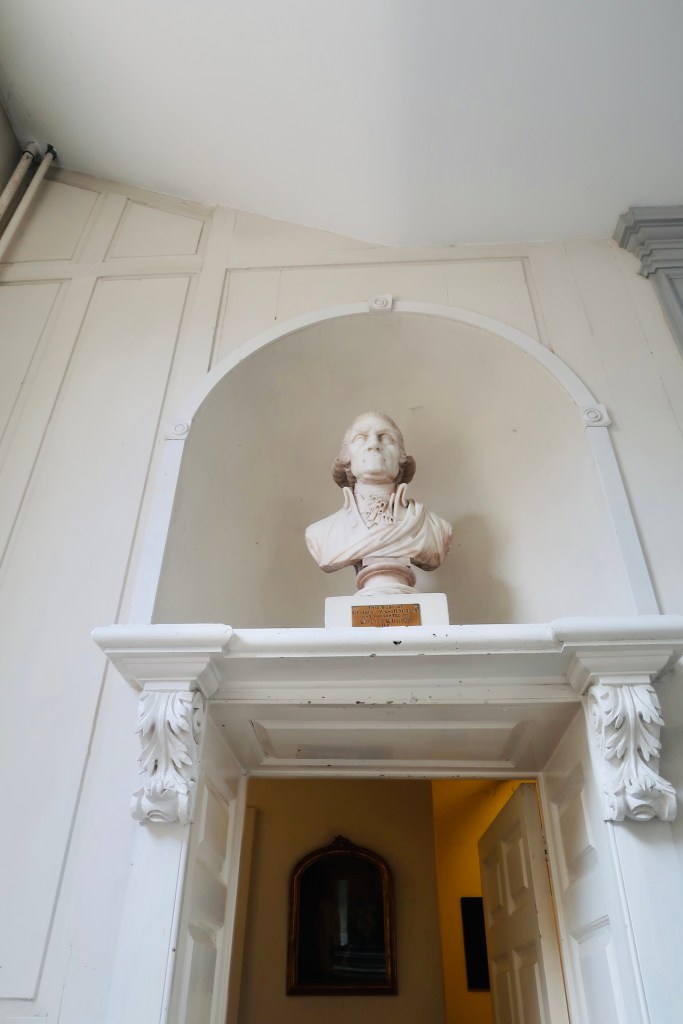
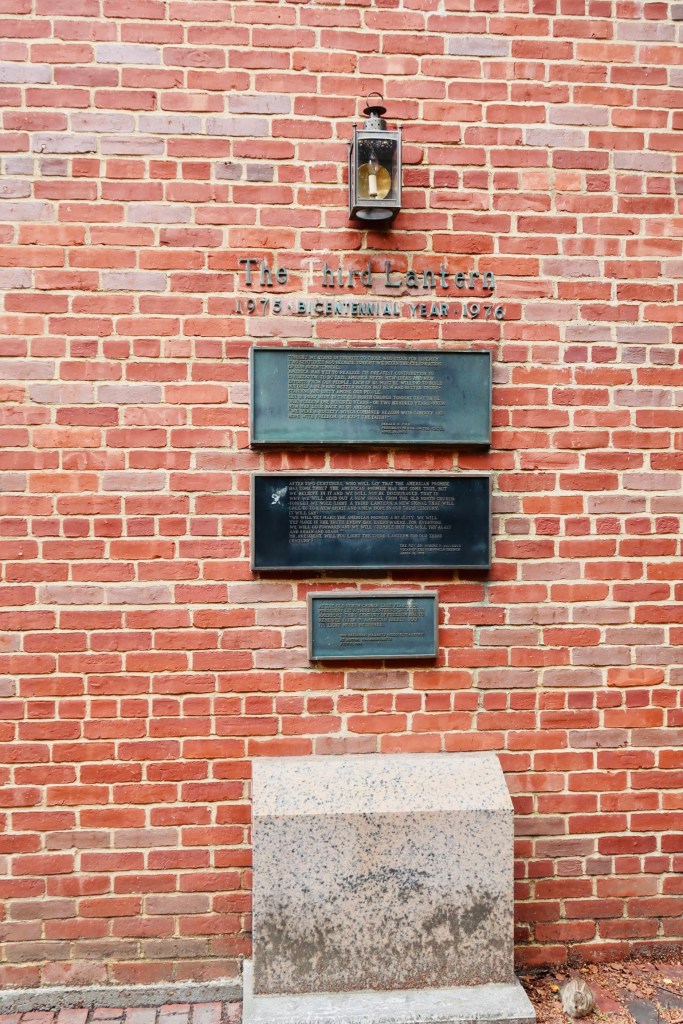
From the house, you then head over to your third and final church The North Church. This church plays an important role (maybe even more important than the other two) as it was THE church that the light was put up in to signal the midnight ride. Dating back to 1723, inside the church you are actually able to see one of the lanterns that was placed in the window for the ride. You are also able to see the bust of George Washington that Lafayette said was the best representation of him. Right around the corner from the church is Copp’s Hill Burying Ground. This was, by and large, the burying site of many of the craftsmen and merchants that lived on the North side of Boston. A couple notable people buried are two of the ministers involved in the Salem Witch Trials, the founder of the Black Freemasonry, as well as the man who hung the lanterns on the night of Pau Revere’s ride, and a builder of the USS Constitution. This particular burying ground was also a marker for the British to aim at during the Battle of Bunker Hill (which we ARE getting to, I promise). 
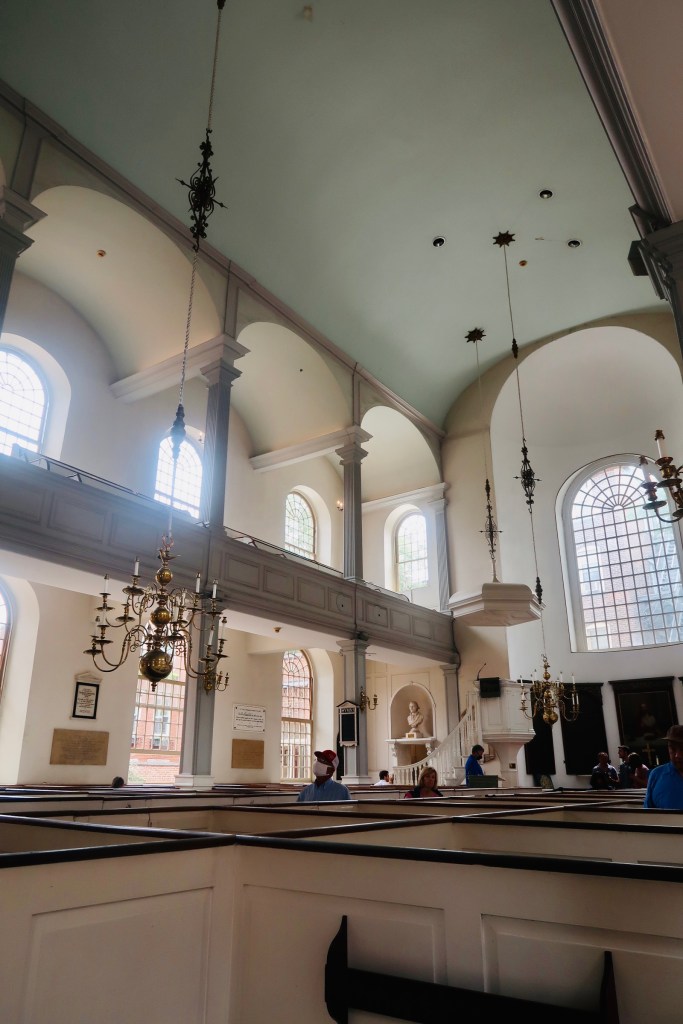
Speaking of, the next stops that you can make are entirely up to you. You can either go up to Bunker Hill at this point (which is what we did), OR you can go down to the USS Constitution. We chose to go up first, then back down, and at the end we took the Ferry back to the “main” part of Boston. It is entirely up to you how you want to walk this part. 

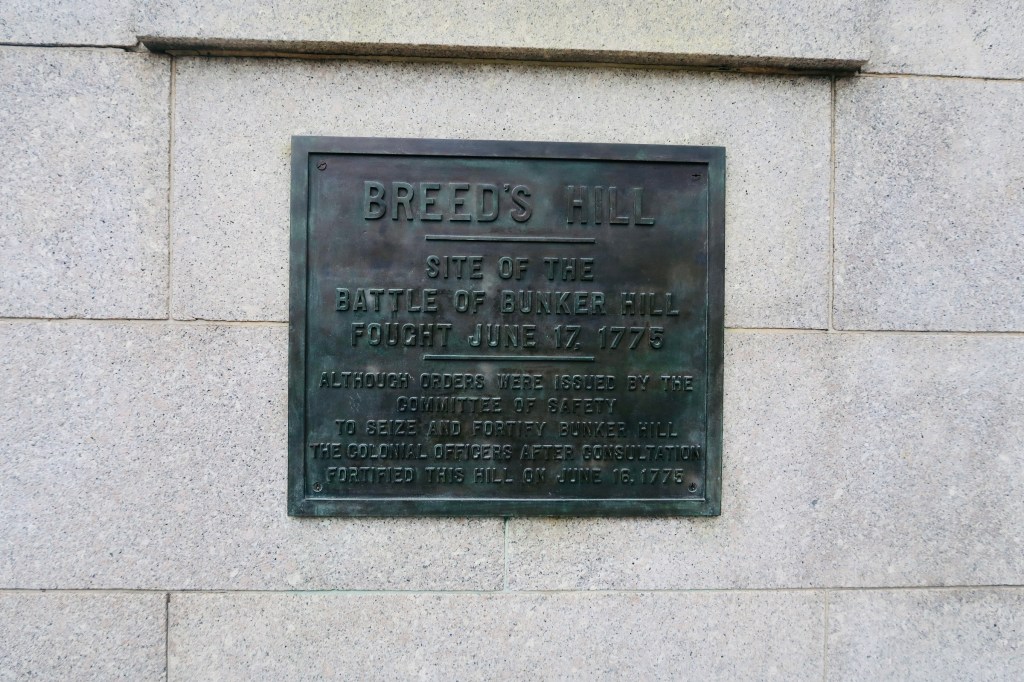
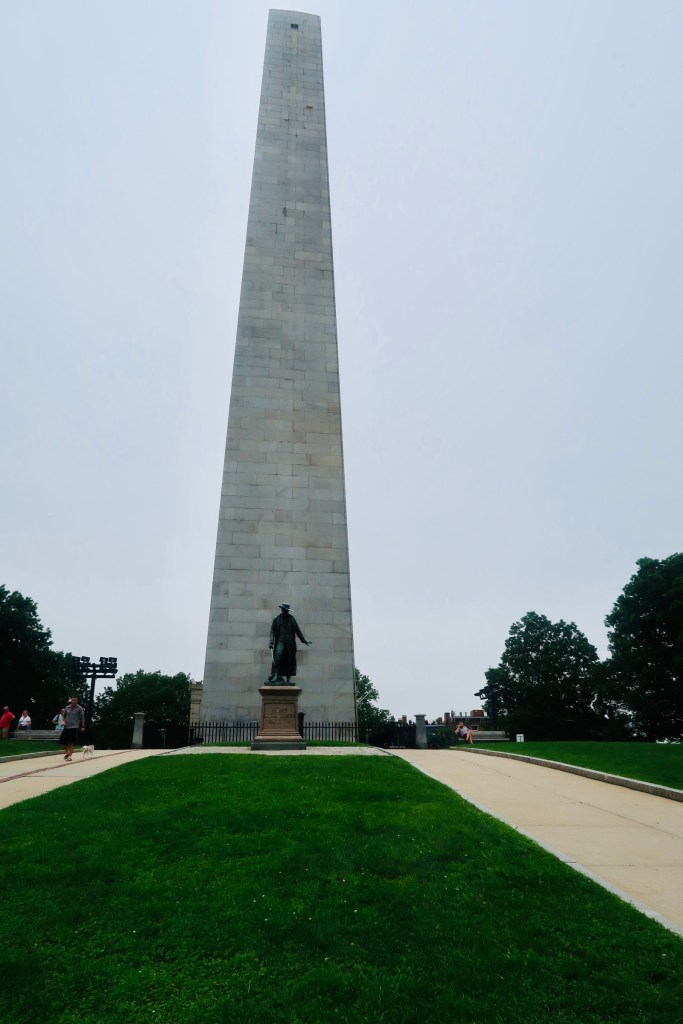
The Battle of Bunker Hill was the first battle of the Revolutions, and while the British technically won (after three assaults) it did prove that the colonists were not going to go down without a fight. The order of “Don’t fire until you see the whites of their eyes” is believed to have originated in this very battle. The monument was started with the laying of the first stone by Lafayette (excuse me, The Marquis De Lafayette) in 1825. It was completed in 1842. 
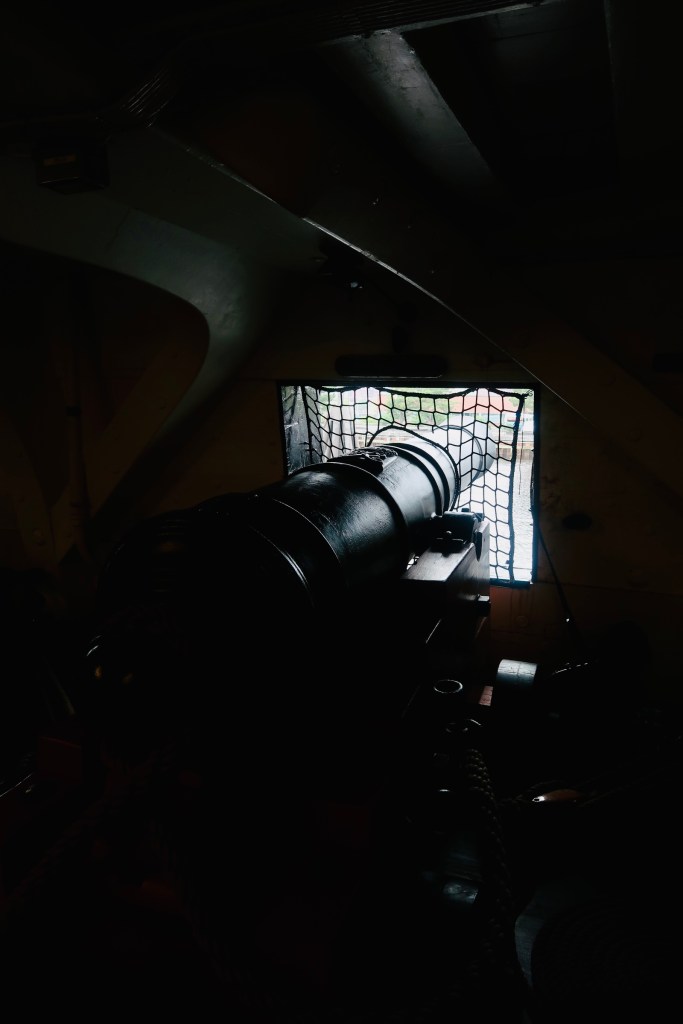
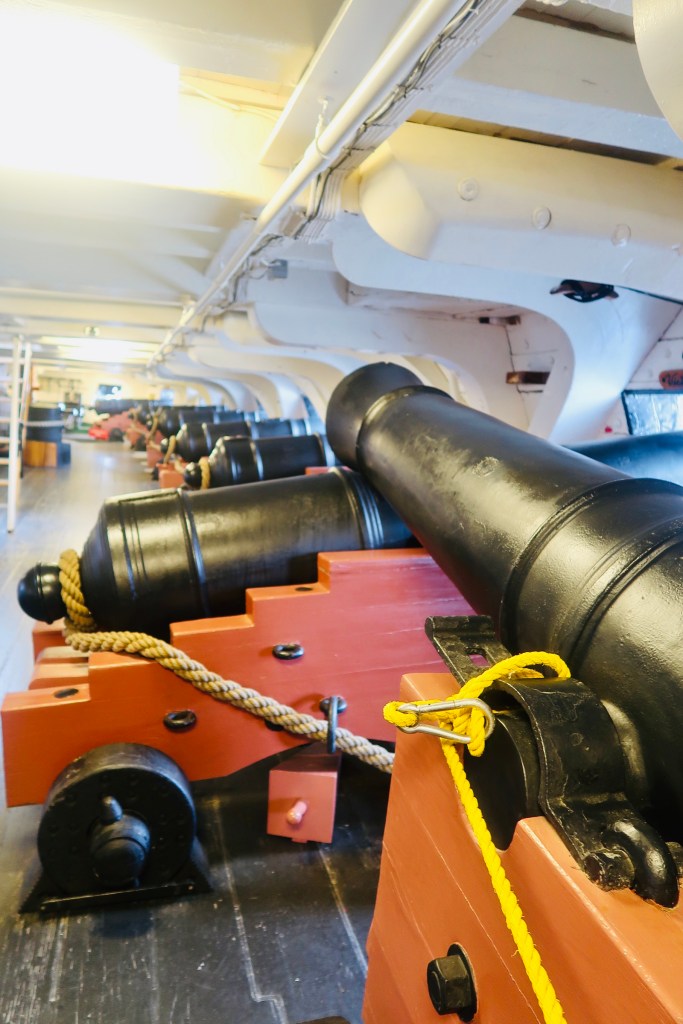
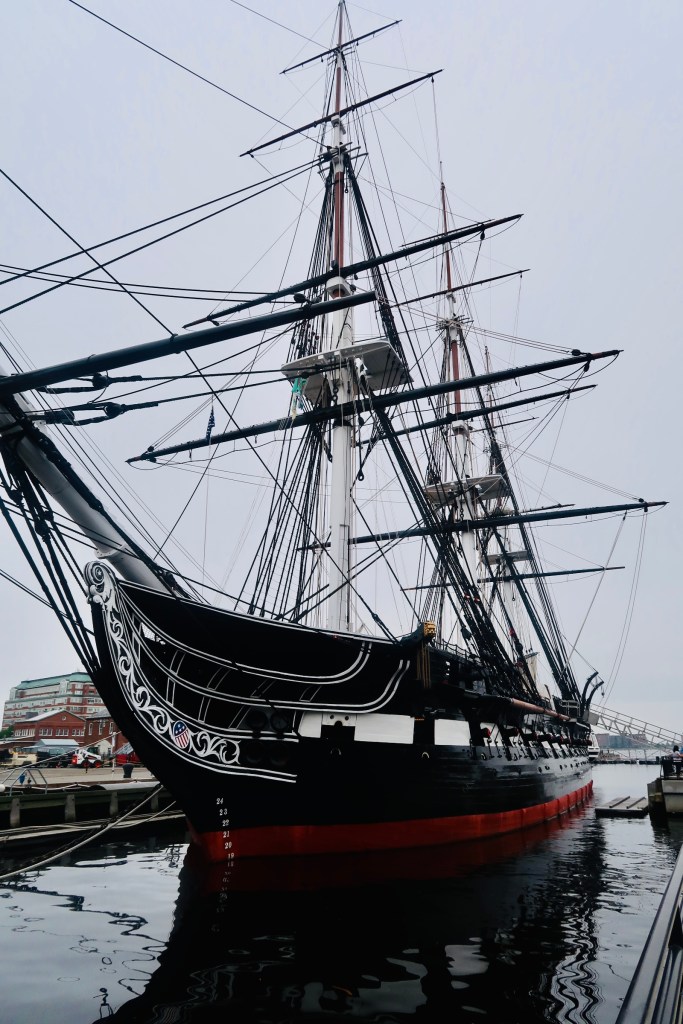
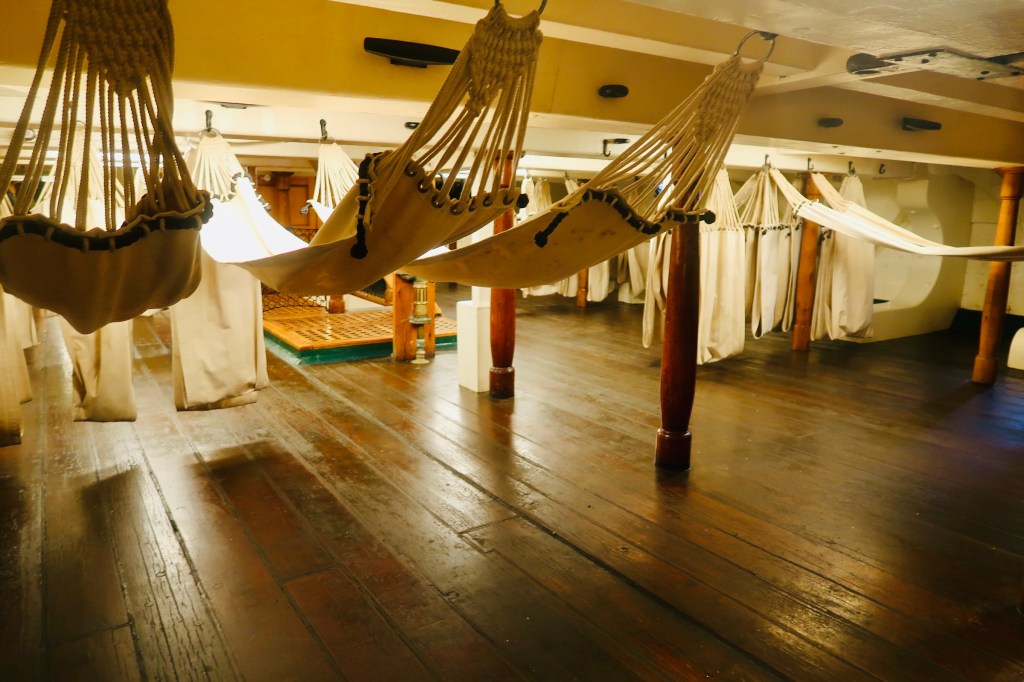
The final stop (for us) on the trail was at the USS Constitution (and then the USS Cassin Young DD 793). The USS Constitution is the oldest, still afloat, commissioned warship. It was launched in 1797 as a three-masted heavy frigate, one of six authorized by the Naval Act of 1794. The ship is known for the War of 1812 and the defeat of 5 British Warships and where the nickname of “Old Ironsides” was given. The Constitution was retired in 1881and was designated a museum ship in 1907. It is still a fully commissioned Navy ship and is manned by active duty Navy personnel on special duty assignment. 
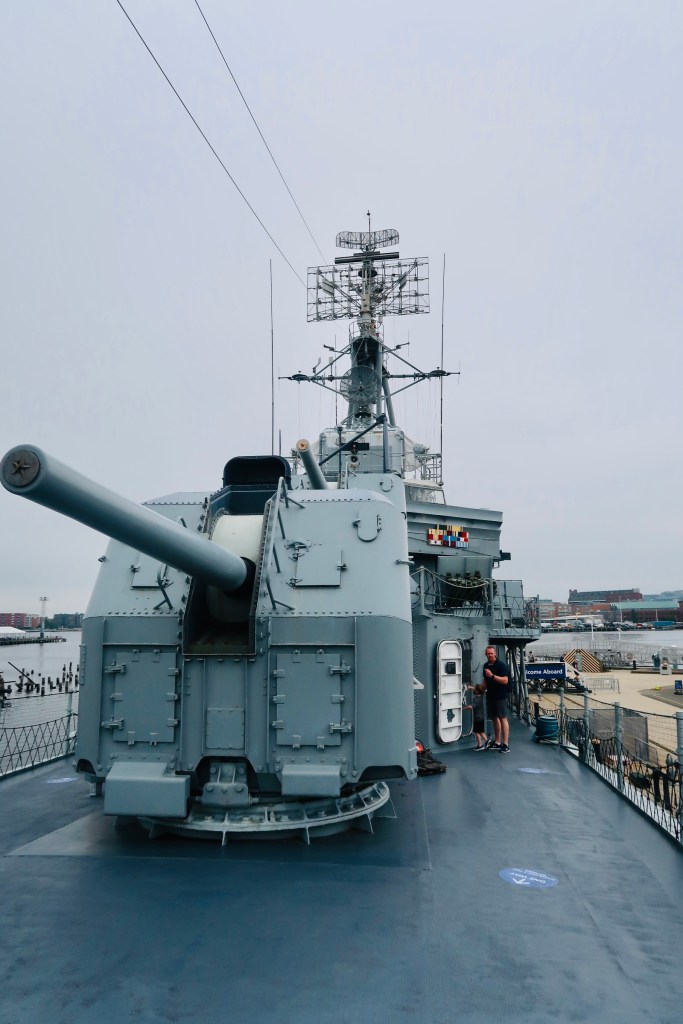
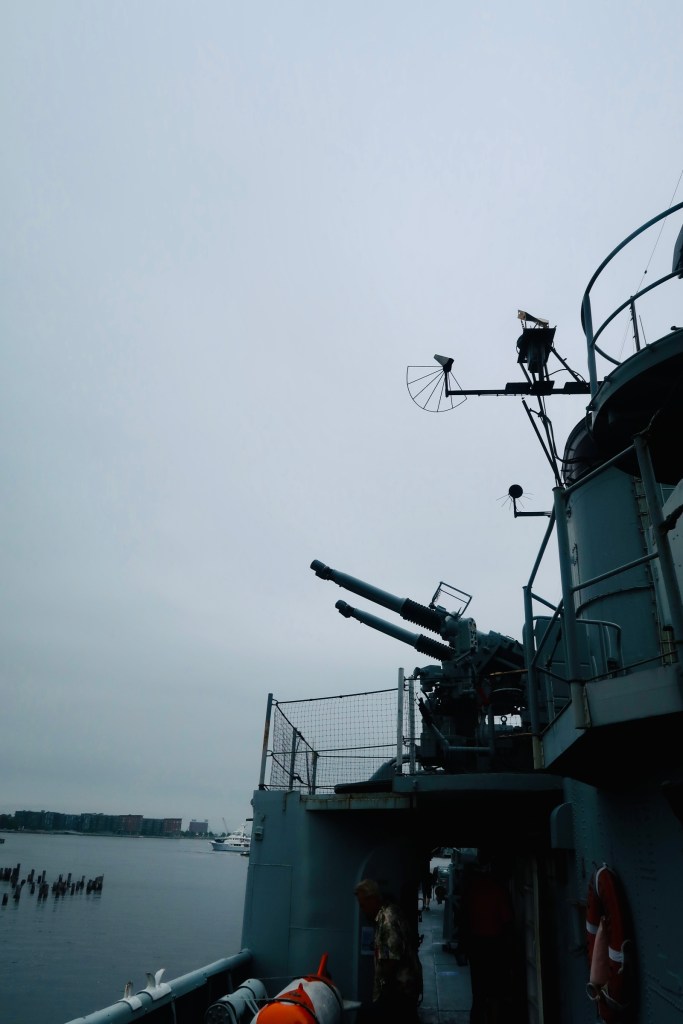
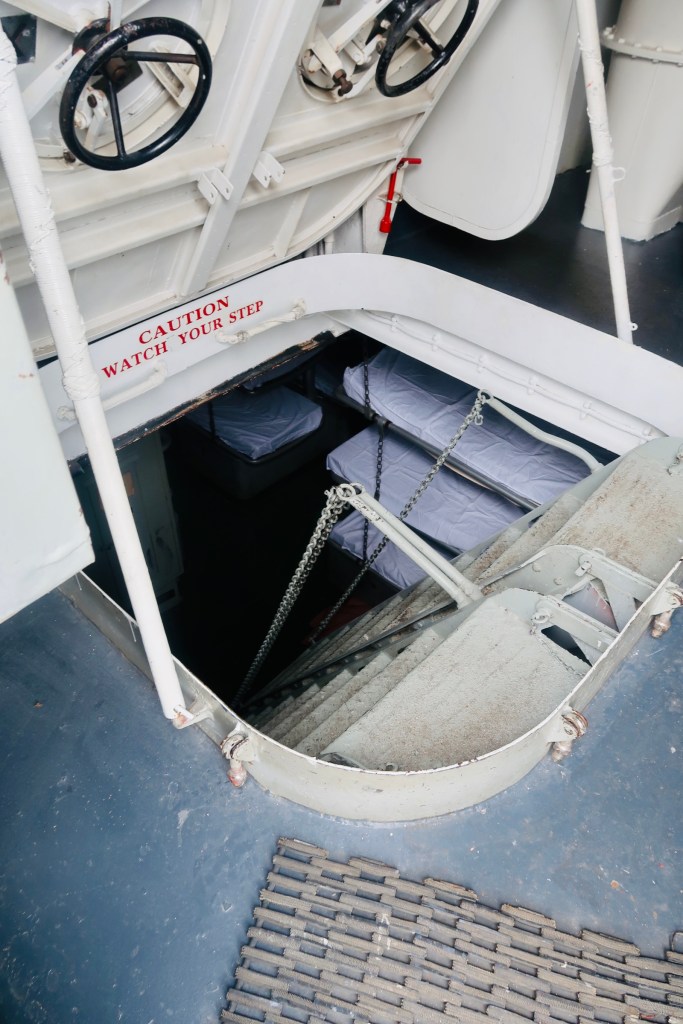
The USS Cassin Young is a destroyer from World War II. It was launched in 1943 and is only one of four of the Fletcher Class destroyers still afloat. The ship served in both World War II (where it was damaged in two kamikaze attacks) and the Korean War, being retired in 1960 and serving as a memorial ship ever since. The ship was intended to serve as an escort to the larger ships and defend them from attack. Unlike the USS Constitution, this ship has been permanently loaned to the National Park Service and it maintained and operated by them rather than The Navy. 

And that wrapped up our time in Boston! Boston was a definite highlight for our entire family. The boys loved the history, the boats, the endless exploring and my husband and I loved the pace of the city (and obviously the history). I don’t know that we’d ever be “city people” (most are just too crowded and busy for us), but Boston was such a nice surprise! 
A Cuppa Cosy Summer Holiday 2021 – Boston, MA Pt. 1

The second stop on our Summer Holiday was undoubtedly our favorite and that was Boston. I think this is going to have to be divided up into two posts just due to the amount that I will actually blabber during this post. Again, I know that a good amount of people know a good amount of American History, so I’m just going to touch on basics or little tidbits as I talk about what we did/saw, but I really just love learning about the history and interesting facts about places we visit. Boston is the center of A LOT of the United States of America’s history and it has done a really good job and transitioning through history and coming into a more modern era, without losing any of the historic sites or feel to the city. So, a post today and a post on Friday (woop- a bonus post!) to cover everything I want to share and not overwhelm or bore you.

Before we start, I also want to note that for a “big city” Boston felt quite relaxed. In a lot of the “big cities” you get that big city rush feeling, where everyone is just go, go, go as fast as you can. Boston was refreshingly relaxed (or at least from what we saw and experienced). It was something that we actually really enjoyed about our time there. I’m not sure if this was a covid specific instance or if it’s always this way. Regardless Boston has definitely become a highlight for us. 

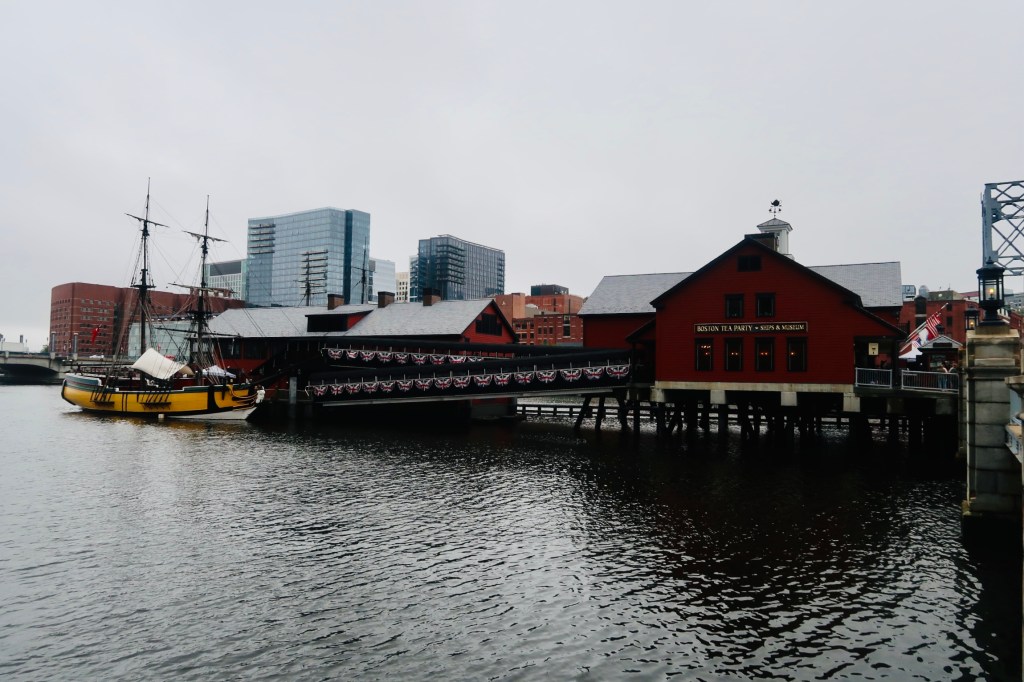
So, our time in Boston started where much of the history started (or at least the history of the start of the revolution), at the Boston Tea Party Ships & Museum. I think a good amount of us know the history of the Boston Tea Party. In December 1773, disguised men from the “Sons of Liberty”, after immense planning, quietly boarded the Beaver Dartmouth, and Eleanor with the intention of destroying the tea. They destroyed 92,000 pounds of tea (in 340 chests), but only the tea. They did not steal tea, they did not steel or even so much as touch anything else aboard the ship. The statement they wanted to make was abundantly clear, which was “we will not take your leadership any longer”. The British Tea Party was but one step in a much larger fight, which was against the crown and the ability for someone so far away to hold governance in the colonies. Of course after the destruction the “Sons of Liberty” who participated had to flee Boston, and those who stayed would go out in boats to the harbor to continue to ensure that any tea or tea chests in the harbor were not able to be rescued or used. The Boston Tea Party was an incredible success, but it created hardship for the colonists as well, sparking more and more “rebellious talk” and ultimately (after several more edicts and back and forth with the King of England) sparked the American Revolution in April of 1775.

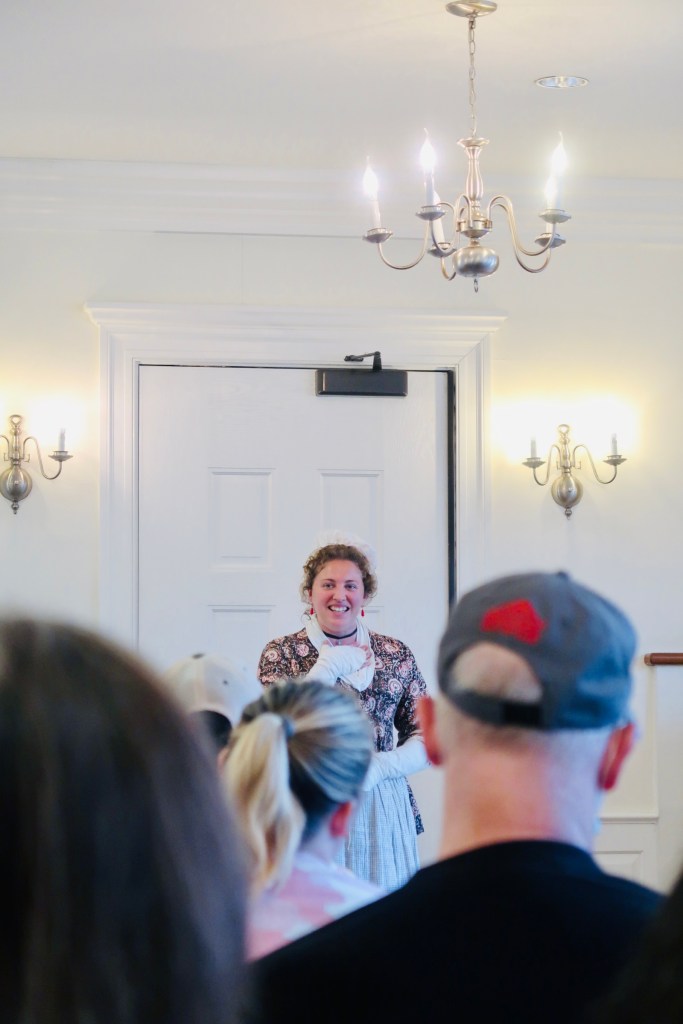
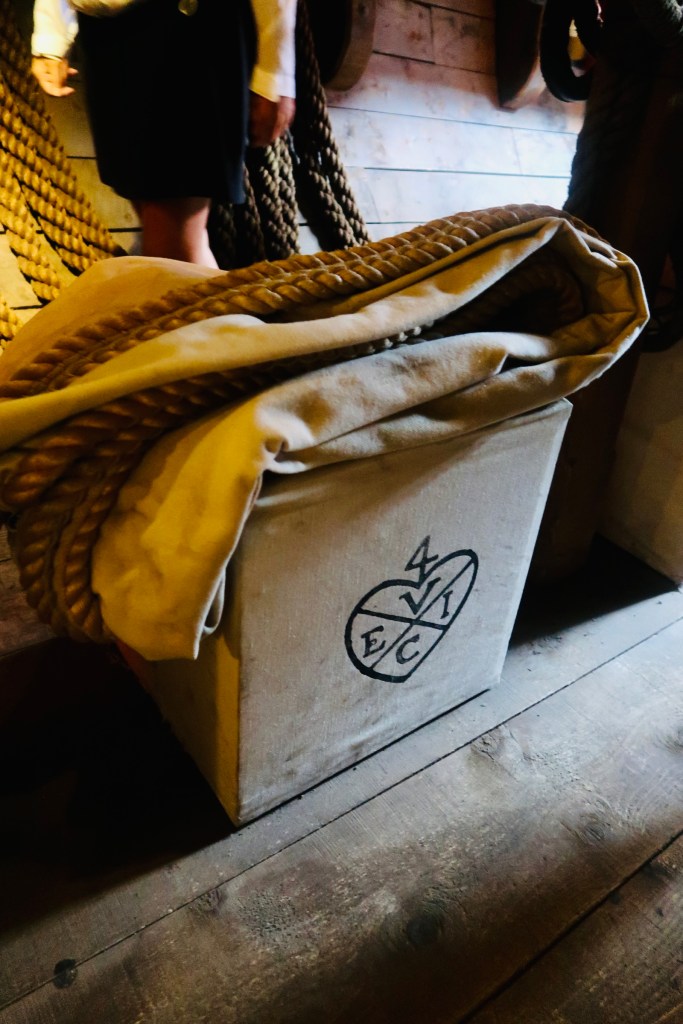
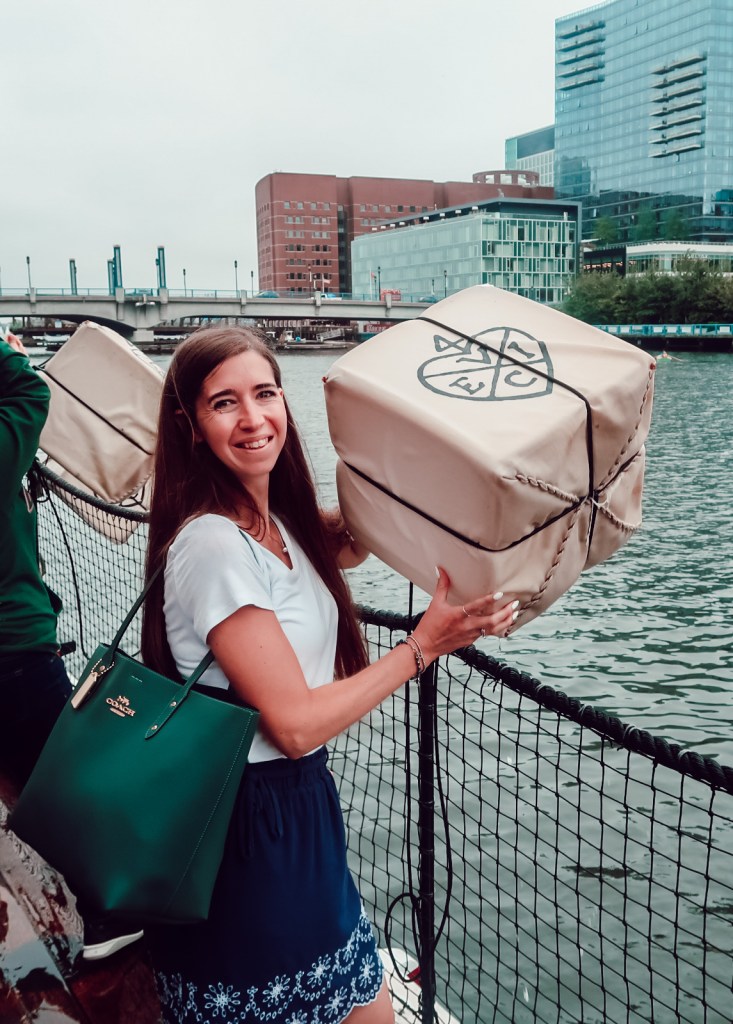
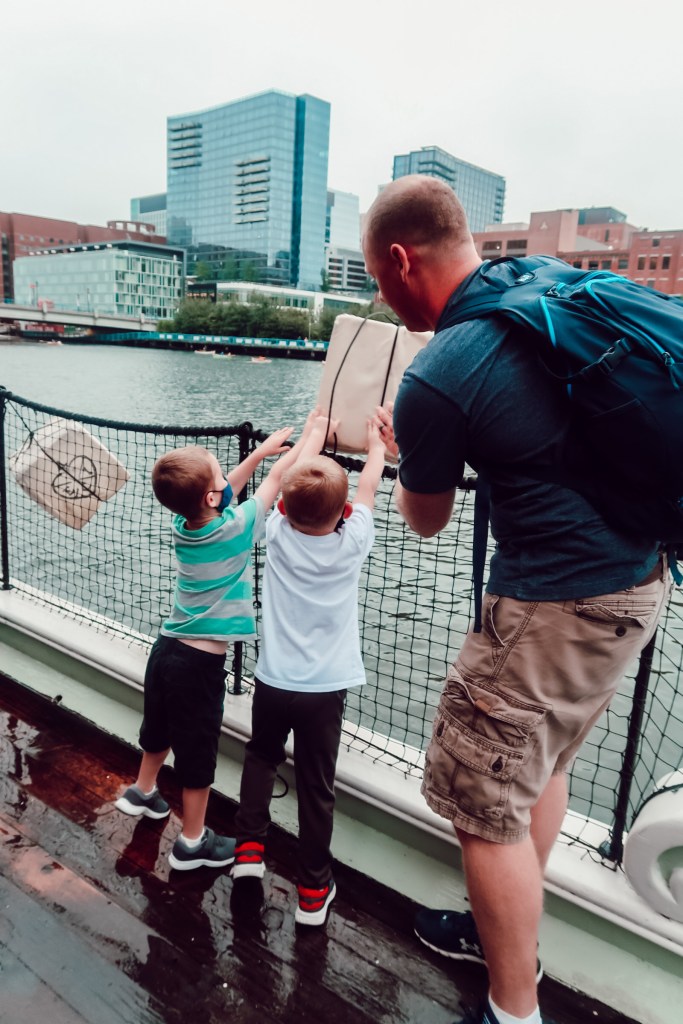
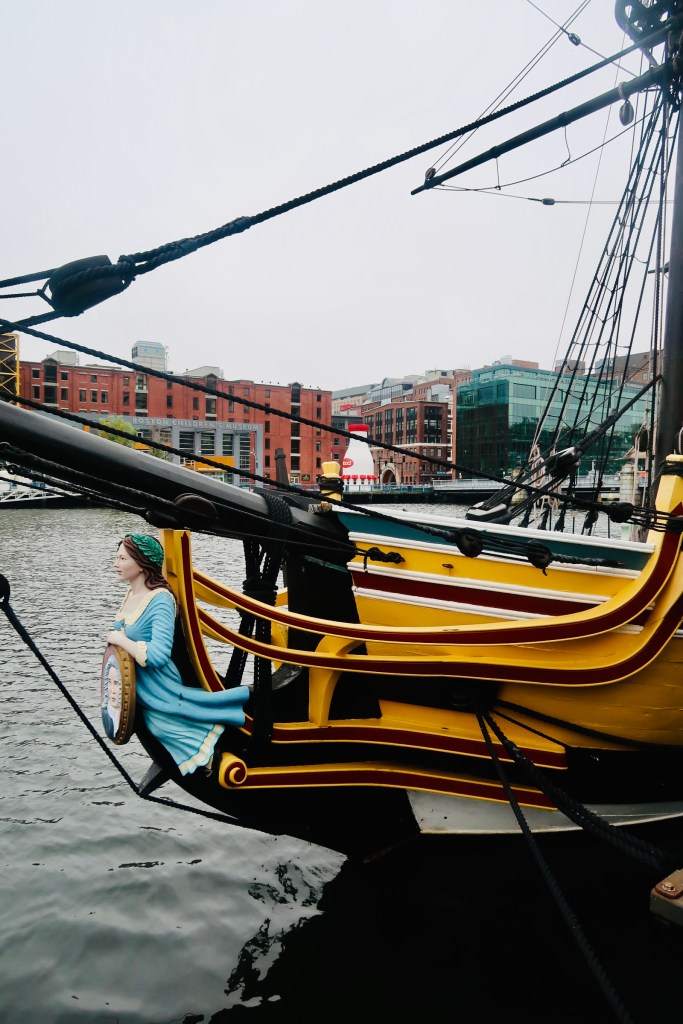
At The Boston Tea Party Ships & Museum, they do an excellent job of utilizing first person interpreters to put you right in the action of that fateful night in December. You are given character cards that tell you about a single person who lived in Boston at the time- these are then yours to keep as you continue along your tour. You start in the “state hall” with two actors taking you right up to those destructive lines uttered. Then you follow over to the boat where you can see what the Sons of Liberty would have seen, and throw your own tea overboard into the harbor. From there, you walk through the museum that talks about (with actual talking projectors and portraits) what followed the tea party. There is an original chest to see, along with a small vial of the tea that was tossed overboard (who rescued it remains a mystery). Finally, you can finish up at Abigail’s Tea Room, where you can sample the 5 tea blends that would have been on board the ship in the harbor (and subsequently enjoyed). It was the perfect start to our time in Boston and really put us in the revolutionary spirit. 

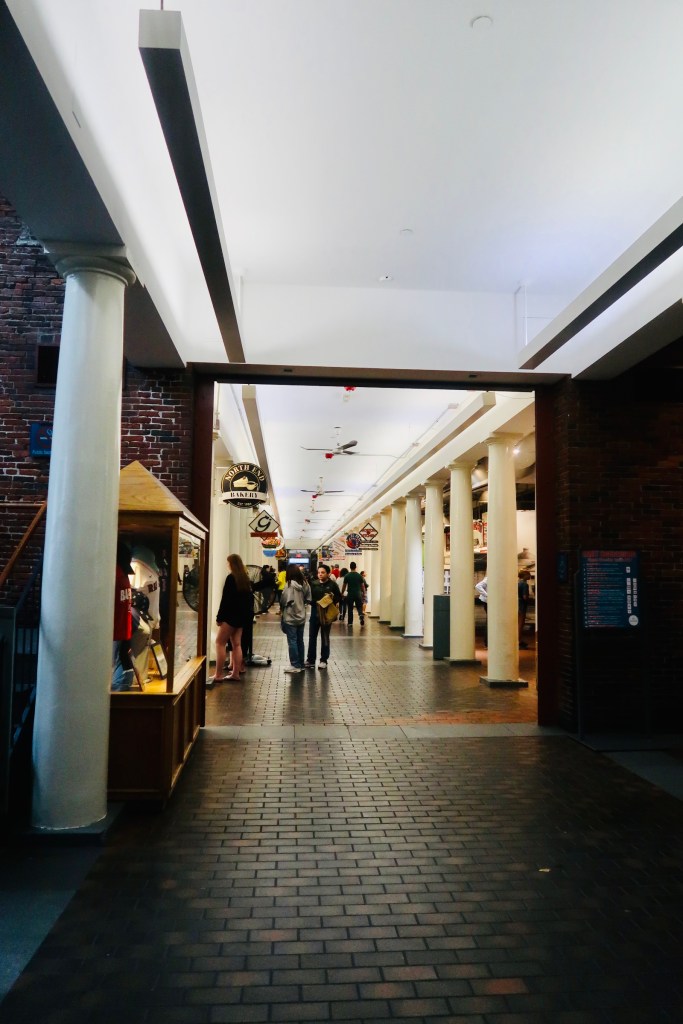
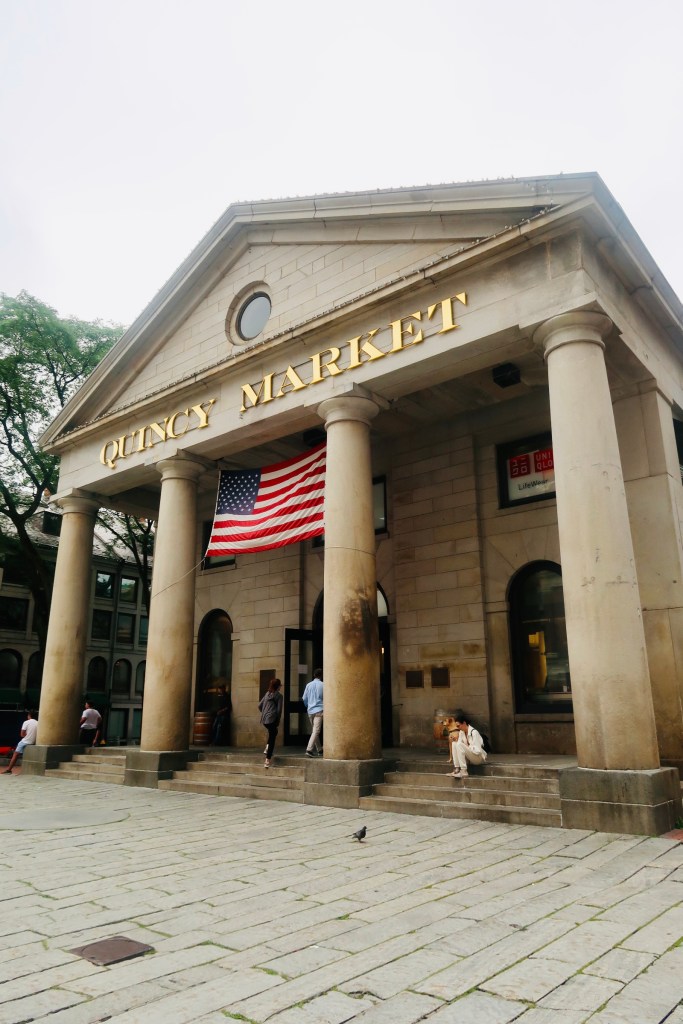
From there we mostly meandered around the area, letting the boys play at a playground (after being cooped up in a car and then on best behavior at the museum they were due to expend some energy) and trying to decide what we wanted to do. It was a bit later in the day, so we couldn’t do much more in terms of touristy bits. We ended up wandering over to Quincy Market (in a bid to see a museum which ended up being closed on that day anyways) and grabbing dinner at the food stalls located inside. I really loved Quincy Market. It reminded me of being at a farmers market of sorts and I had some of the best pizza since returning from Europe.

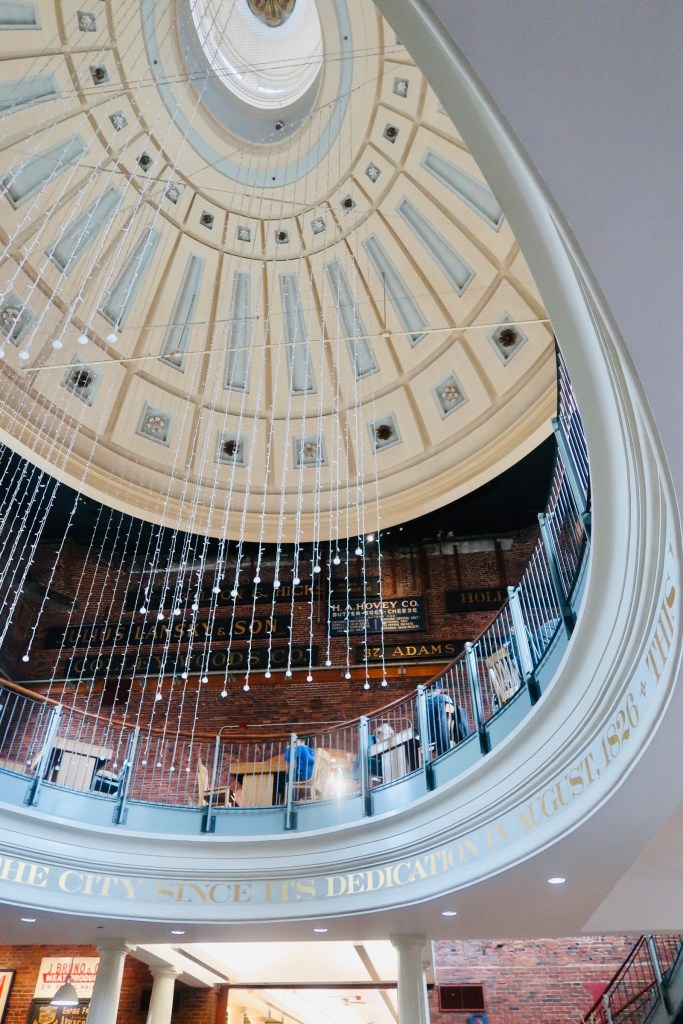
Quincy Market has quite the history. Dating back to 1826, the idea for the market came from Mayor Josiah Quincy. Shortly after being elected, Josiah realized just how much he disliked the chaotic, noisy, dirty view from his office in Faneuil Hall. This view was mostly due to the fact that the large marketplace was bursting at its’ seams. There was simply not enough space to cater the amount of stalls and sheds and the overall needs the city required. Not pleased with any ideas, he came up with his own development for a new marketplace. The only “thorn” in his side for this new market place was a landowner by the name of Nathan Spear, who refused to negotiate in regards to the property lines and deeds. No matter though, the construction went ahead with Josiah Quincy laying the first stone in April, 1825, with the market completed and opened in August of 1826. Officially named Faneuil Hall Market, it is more commonly known as Quincy Market. The market was enlarged throughout the following years (as it reached its initial capacity in 1850) and the market continued to serve the community. A restoration project was started in the 1970’s that not only including restoring parts of the market, but also additions to the rotunda and new dining areas. 

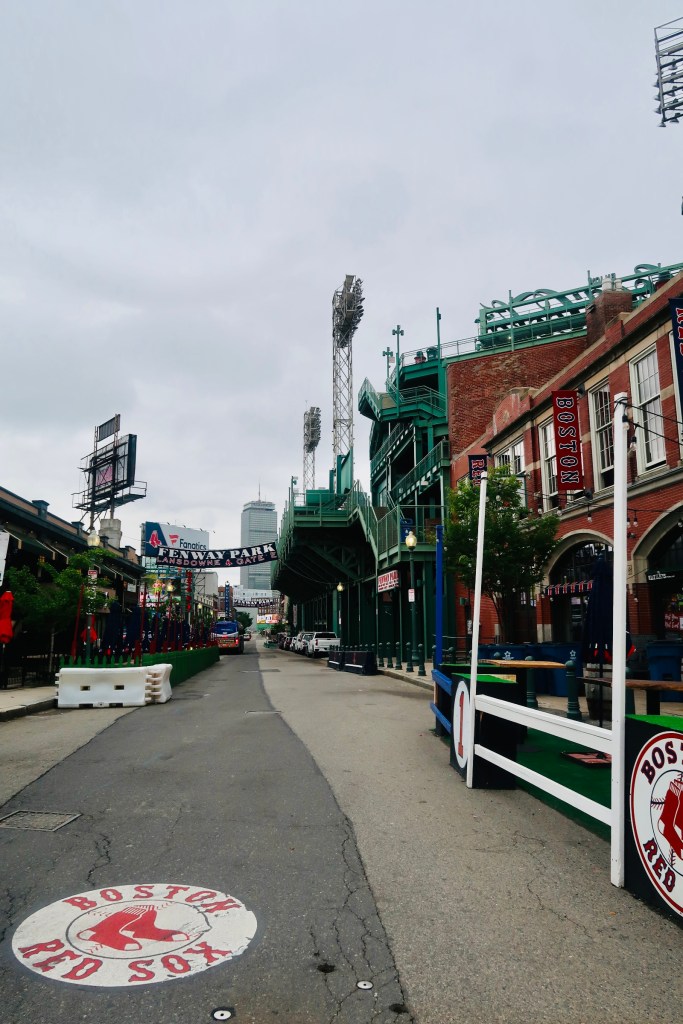
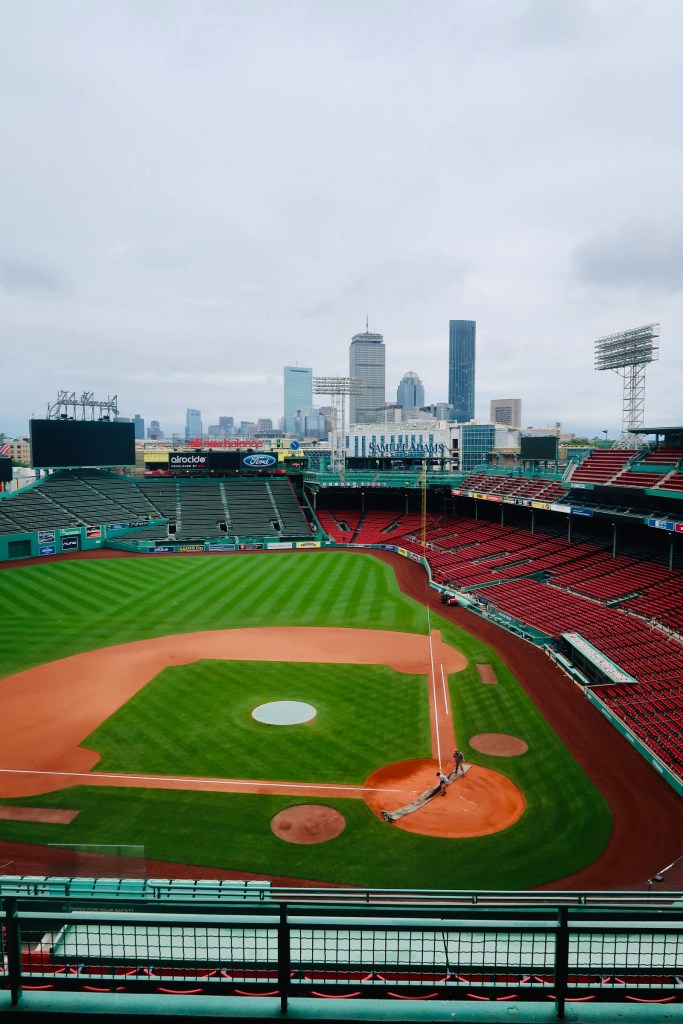
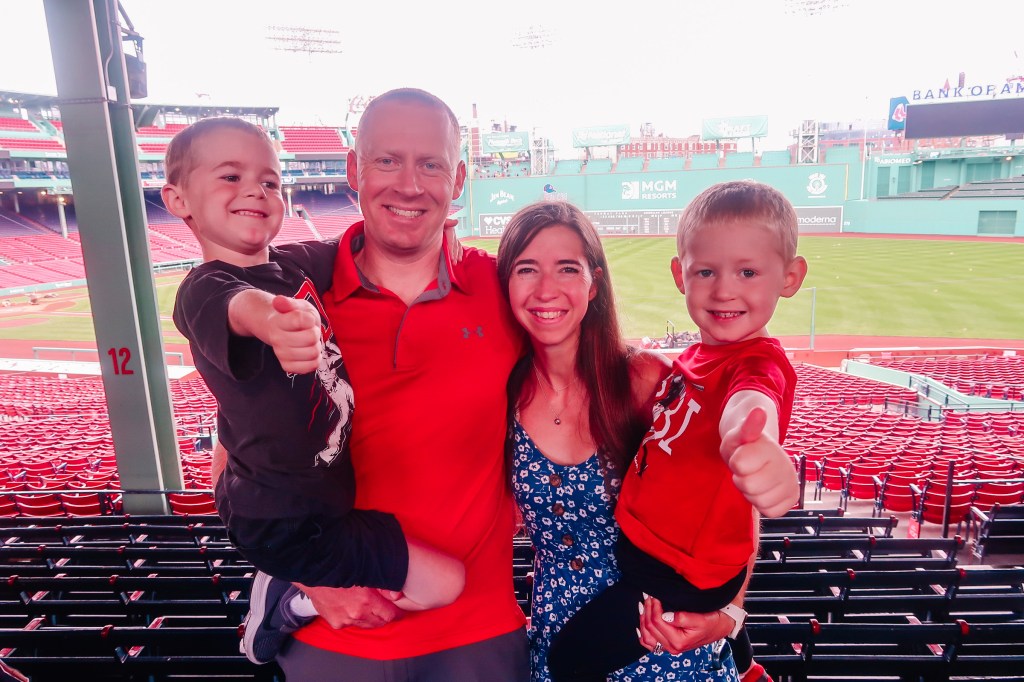
The next morning we were up bright and early to embark on one of my husbands most anticipated stops, Fenway Park (ok the kids and I were also very excited about this too). Where do I even begin with the history? I’m not going to go into the history of baseball (because oof), or of the actual Boston Red Sox (because, again oof), but rather the history of this particular ballpark. 

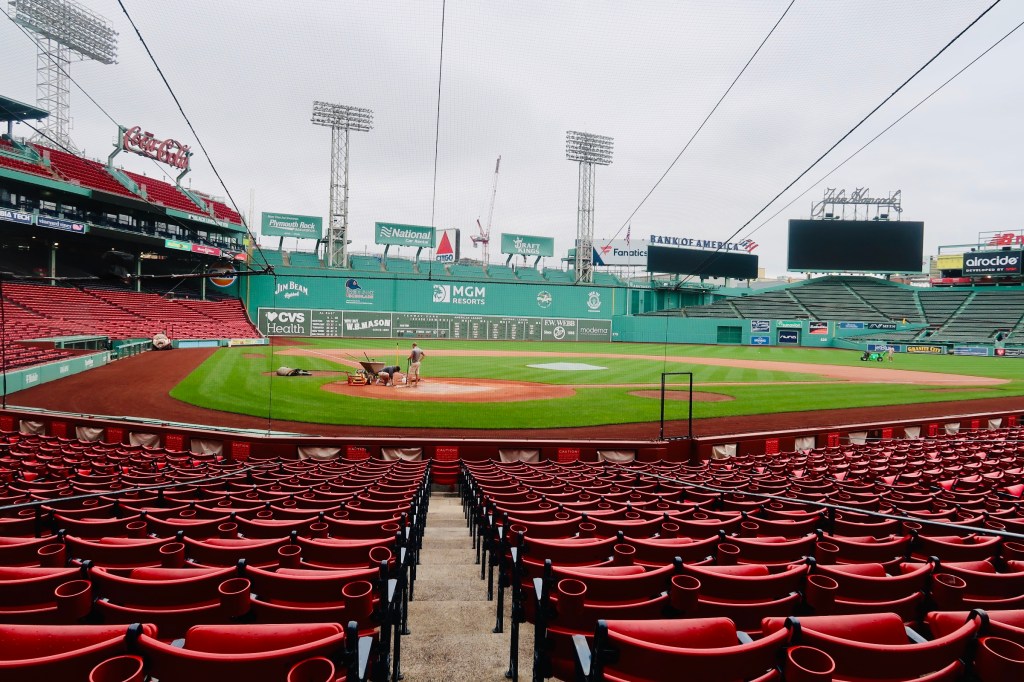
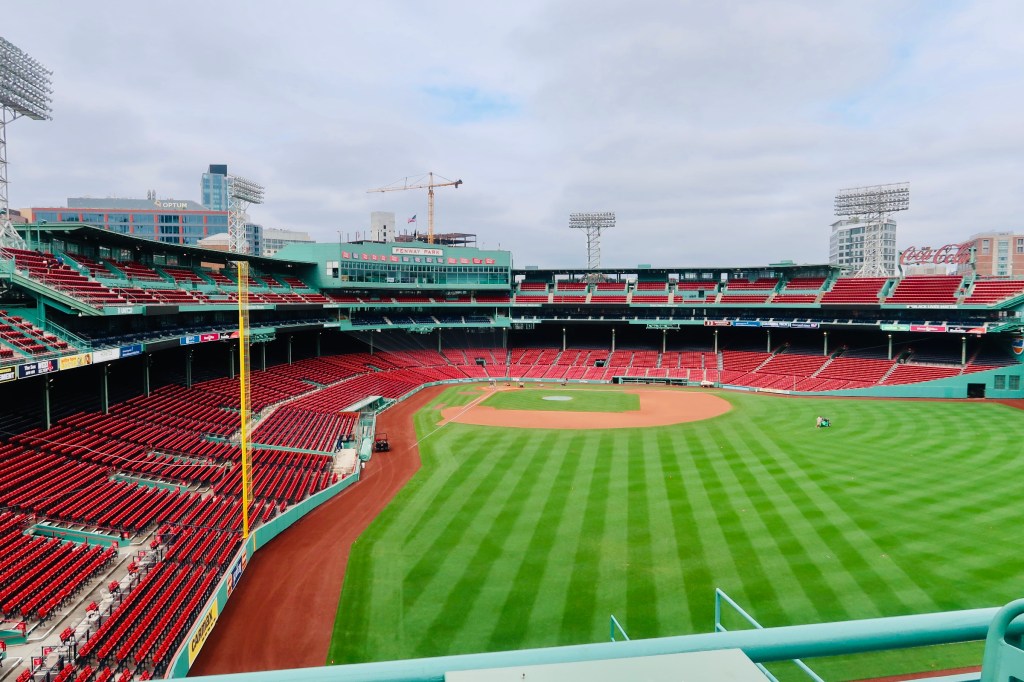
Some quick facts, Fenway Park is the oldest active ballpark in the MLB (109 years this year), it was actually rebuilt in 1934, and the location (within tight busy streets of Boston) lends itself to a unique set of features, the most popular being The Green Monster. It is the fifth smallest stadium within the MLB, only able to seat a little under 38,000. Finally, the first game ( a win for the Red Sox played in 11 innings) was actually overshadowed by the continued coverage of the tragic Titanic sinking. 

The Red Sox had been playing at the Huntington Avenue Grounds for 10 years, but Red Sox Owner John I. Taylor was looking for something different, something that would make a splash, something in Boston. He was also looking at potentially selling the team to a new owner, which played a massive role in the relocation. February of 1911 brought a group of real estate entrepreneurs together to become the “Fenway Improvement Association”. Subsequently one of the leaders, General Charles H. Taylor (yep- John’s father), acquired a large amount of land which the young John Taylor then announced his intention to use it to build a new home for the Red Sox. Ground broke for the ballpark, without the proper permits approved or assurances that they would be approved, on September 25, 1911 and by he end of the calendar year the foundations were in place, the roof framed, and plans in place to continue. Fenway Park hosted its first game April 9, 1912, with the first official game occurring 11 days later. Construction continued during Away Games, with the left and right field bleachers completed in time for the World Series. There were several renovations and additions given to the park over its long history, too many for me to actually get into and list, you can read the full history HERE, but it’s safe to say that this is a true landmark of the city and of the sport. 

The park has also been used for other sporting events, being home to matches of boxing, soccer, American football, Hurling, Gaelic Football, Hockey, Ice Skating, and Ski and Snowboard events. It also has hosted Concerts and Rallies/Public Addresses. 

There was one instance where the ballpark was in jeopardy, in 1999 the Red Sox CEO announced plans for a new Fenway Park. This, understandably, came under a lot of fire from all around, and led to a long round of talks, negotiations, and different plans. At the end of it all there was no resolution to be found and in 2005 it was announced that the Red Sox would stay at the current Fenway Park. This then led to a 10 year significant renovation of the park led by Janet Marie Smith (who is wholeheartedly credited with saving the park). 

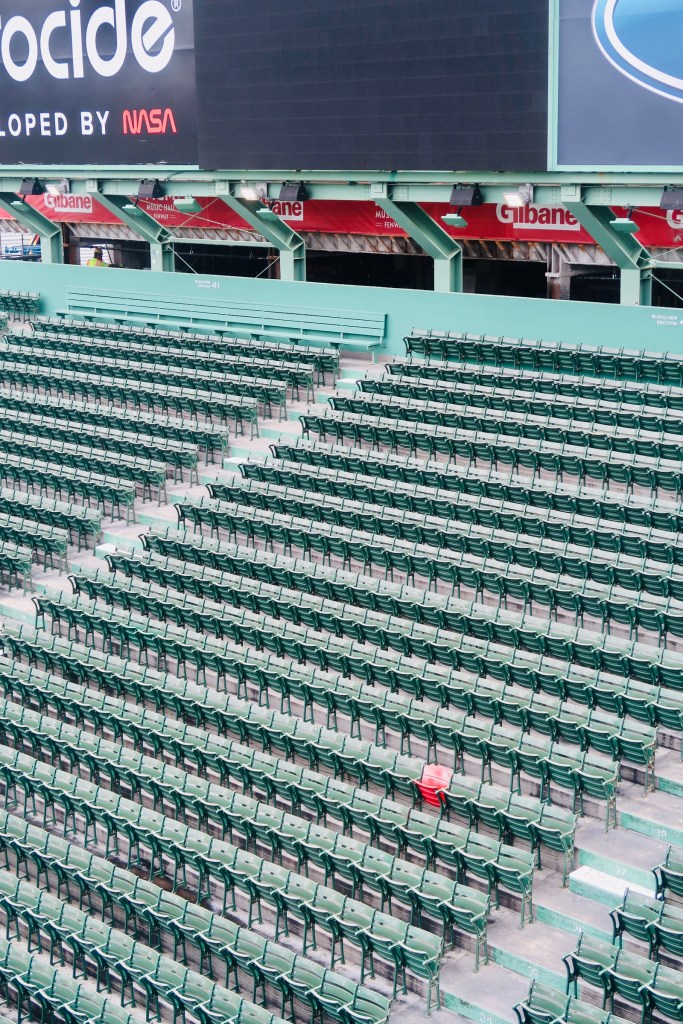
One final note, which is the lone red seat. The lone red seat signifies the spot of the longest home run ever hit at Fenway Park. Ted Williams hit a home run June 9, 1946, which hit Joseph A Boucher right in the head (through his straw hat), then bounced several rows above. If it hadn’t hit Boucher, it could have reached a length of 520-535 feet, but rather it hit 502 feet. 

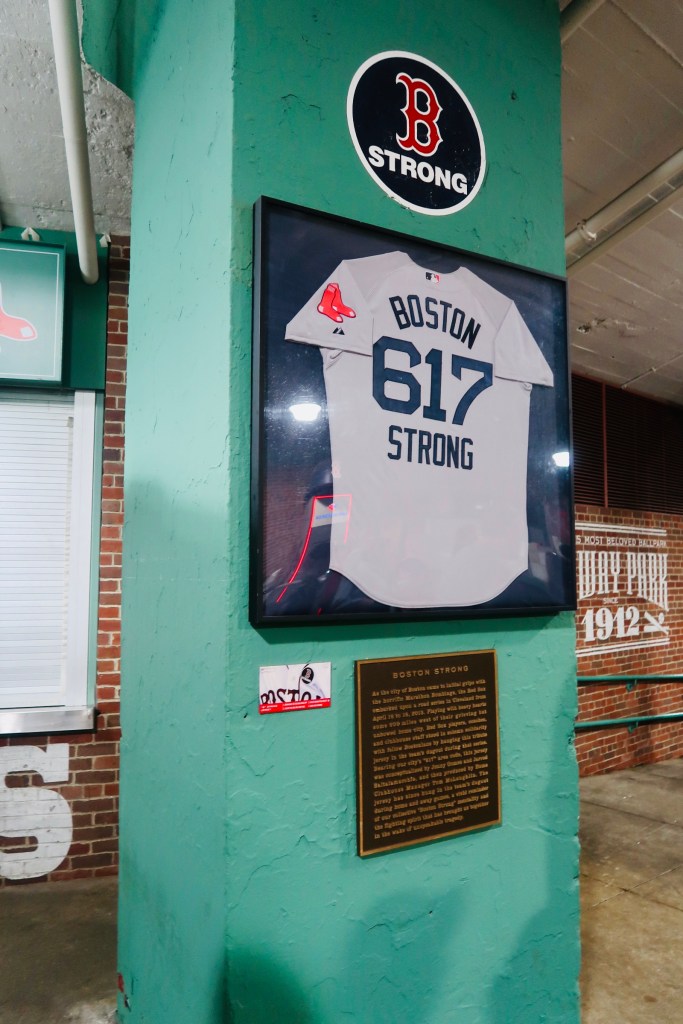
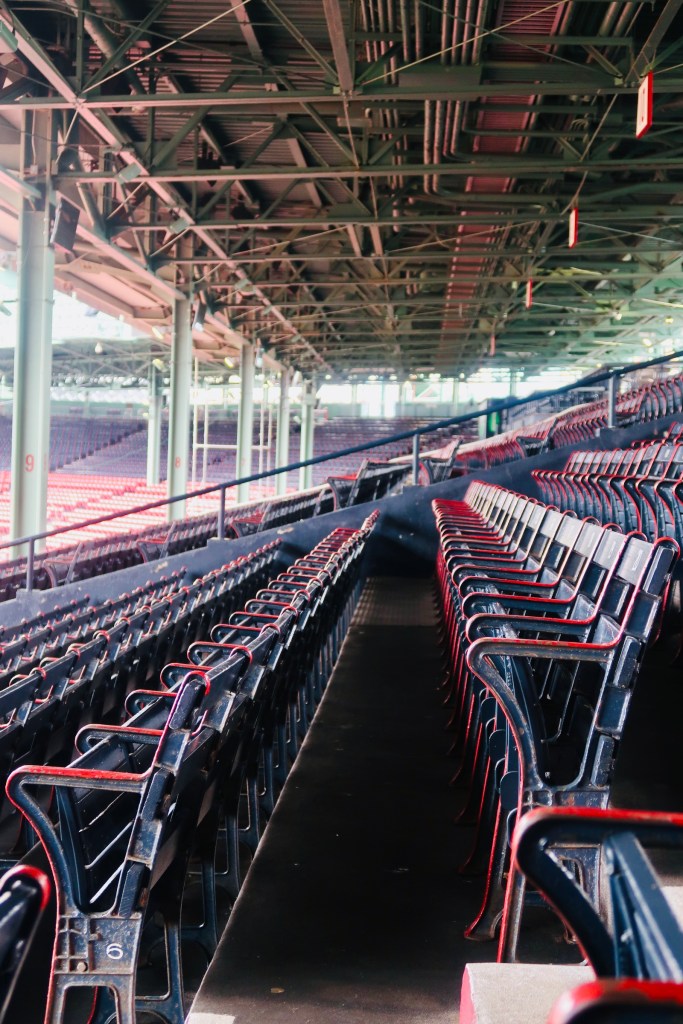
As part of the tour you are able to see the interior of the park (where two movies have been shot- including THAT scene from The Town), sit in the old wooden seats in the Grandstand section, head through the museum which contains collections of bats, balls, seating, jerseys, and more throughout the Red Sox history, head up to the top of the upper seating, go through the Press Box, and over to the Green Monster (which only added seats added to it in 2003 and they are the most expensive and contested seats in the park). All while being told the history of the stadium, a couple of dad jokes (maybe you want to hear one now? “The distance between all the bases is equal, however why does it take a runner longer to get from second to third? Because there’s a short stop” Ahahahahahaha- ok done now), and seeing some epic views from every spot in the park. It truly was an incredible tour and very well worth our time. If you are even the slightest baseball fan, this is a definite go to (but if you’re a baseball fan it’s probably already on your list to visit). 

And that wraps up this first part of my two part Boston posts. The second part (coming out this Friday!) will be focused exclusively on the Freedom Trail and the sights we saw as part of that. 

A Cuppa Cosy Summer Holiday 2021 – Plymouth MA

It is time to talk about our annual summer holiday and travels! This year we decided to do a “USA history” tour of sorts, starting in Plymouth Massachusetts, then heading up to Boston, MA, a quick stop in Salem, MA and ending in Portland ME. Honestly, the trip was overall so relaxing and enjoyable. I don’t know if it was the amount of time in each stop, or if it was just the fact that the boys are older, we are more “travel experienced”, and that we haven’t traveled (thus the excitement is greater), whatever it was, this really worked for us. A quick overview of our trip, we did two nights in Plymouth, three in Boston, two in Portland. 
We arrived mid afternoon in Plymouth on our first day, prior to the check in time at our hotel, so we decided to just head over to a first stop. We started at Plimouth Patuxet. 

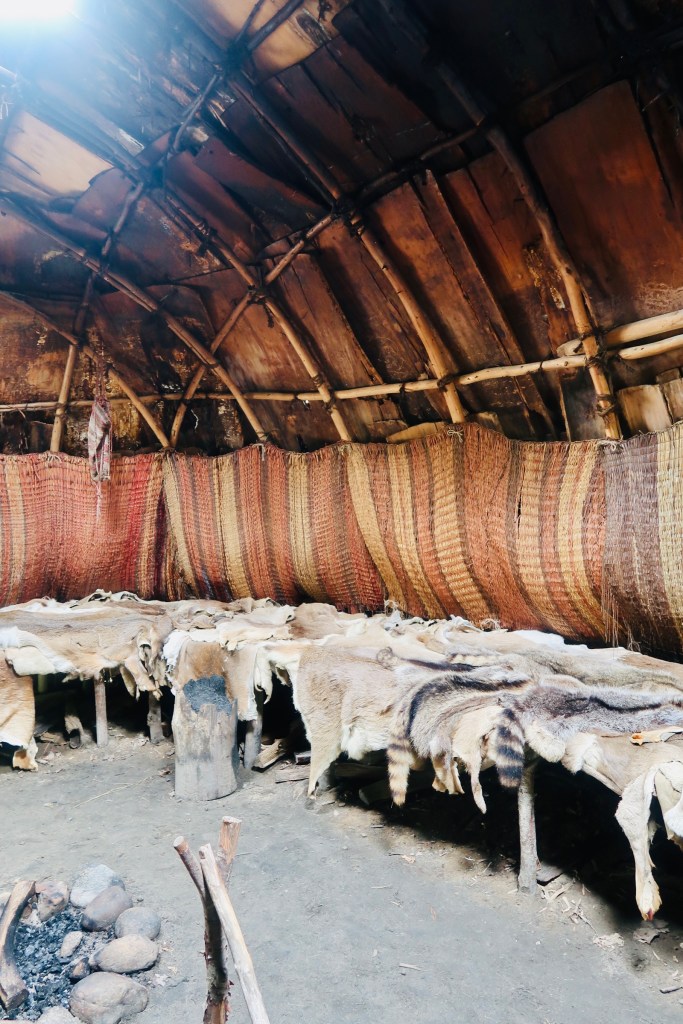
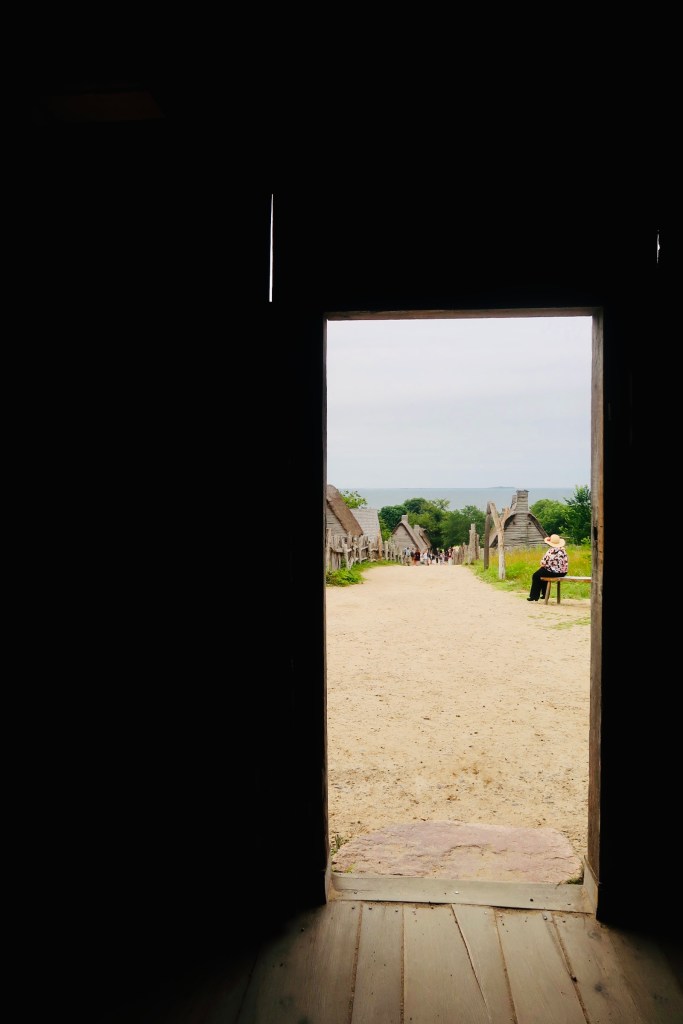
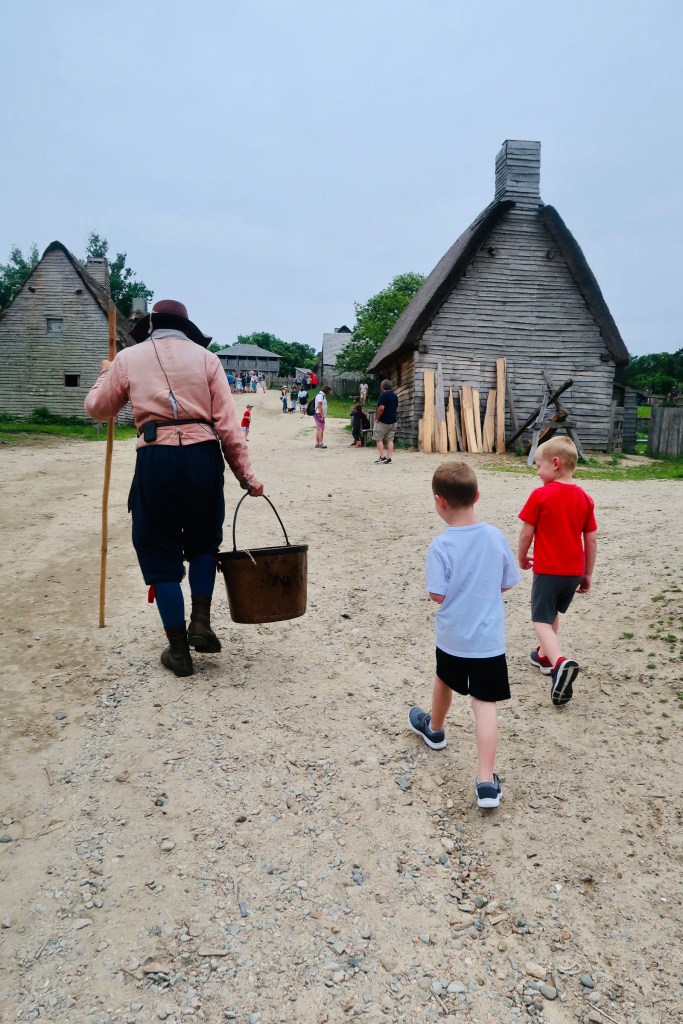
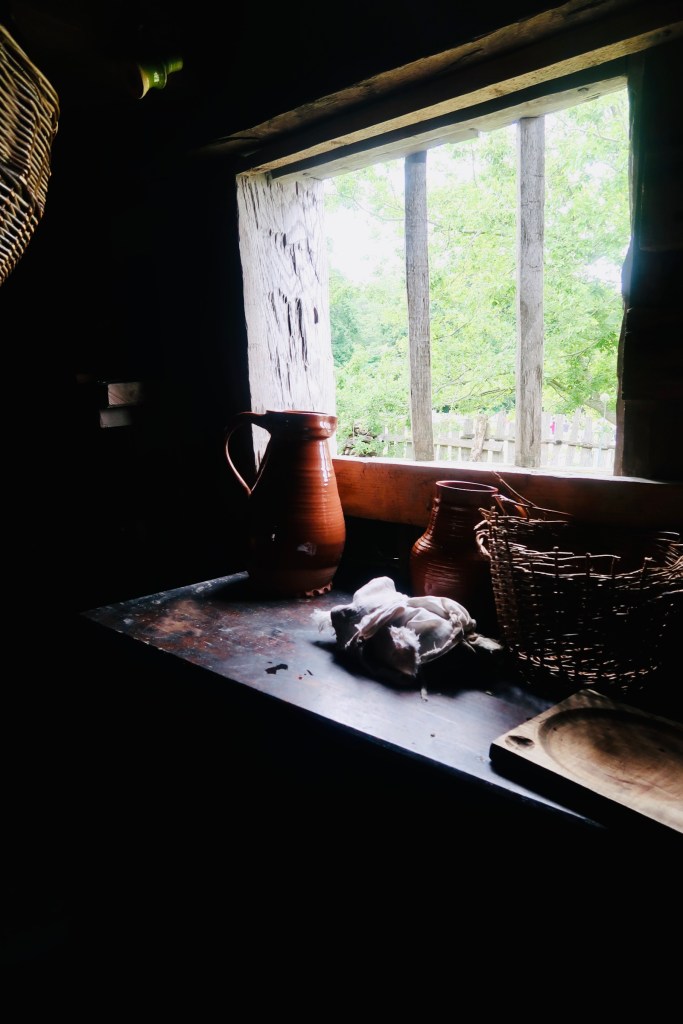
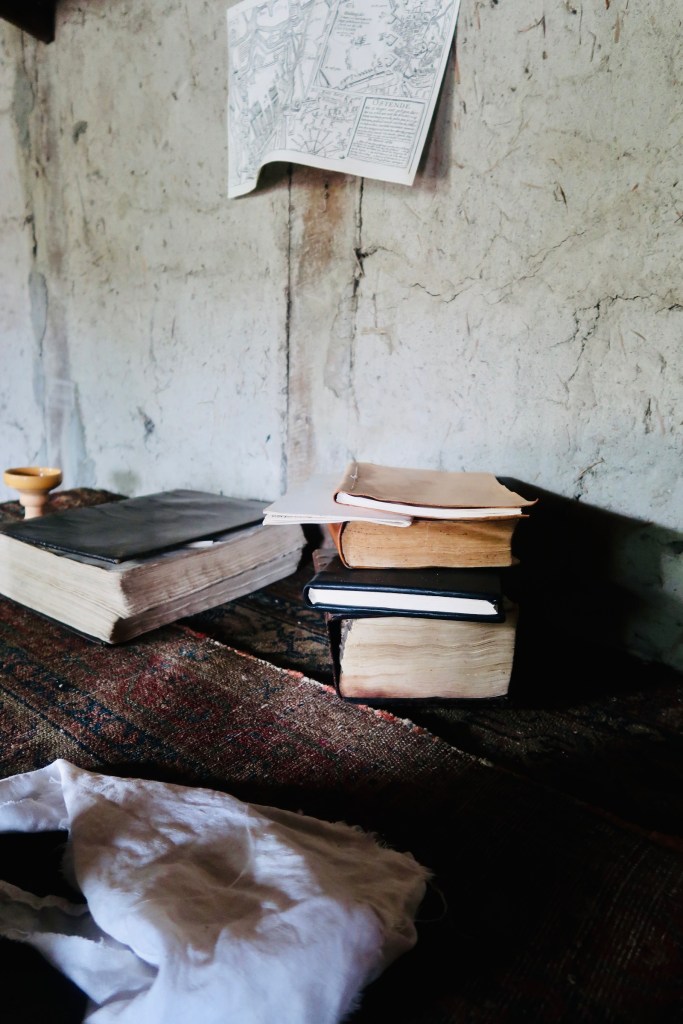
The Plimouth Patuxet or Plimouth Plantation (the original name) is what’s known as a living museum. Started in 1947 it features two central locations, plus the Mayflower II and the Grist Mill (in separate locations), one a replica of the village of Plymouth from 1627 with first person historical “actors” and the second is a replica of the Wampanoag village as it would have stood in the 17th century along with guides to help visitors understand life for them. It gives visitors an insight into not only what life would look like and be like, but a chance to learn about some of the people who would have lived in the Plymouth Colony.

Most of us know the history of America, the Colonies, etc., so I’m not going to focus too much on it, but I will say that there is a big difference between the colonies of Jamestown (the first) and Plymouth. Jamestown was founded by entrepreneurs who were seeking new land to develop, live and to expand fortunes. Plymouth was founded by a sect of Puritans (later as we all know as Pilgrims) who were fleeing religious persecution. They did not actually sale directly to the “America’s” though, they first went to The Netherlands to avoid the persecution. That didn’t end up working and they ended up making the journey towards the “America’s”. 

The Patuxet was really neat to walk through and I found it to actually be quite respectful to both the Wampanoag, the Patuxet, and the Colonists. The boys really appreciated the first person actors and being able to be involved in this living history (even though they truly couldn’t comprehend the entire grasp of it). 

We spent a couple hours at the Patuxet, then headed over to check in to our hotel. We stayed at the John Carver Inn for two reasons, one being its location right off the main street of town, and the other being the very cool pool that it offered. I will say, that while we loved the pool (which has a makeshift Plymouth rock holding the hot tub, and a slide within the “mayflower”), the hotel rooms were a bit dated. There isn’t anything wrong with that and we enjoyed our stay, just something to note. After checking in, we decided to just go venture out on the town.

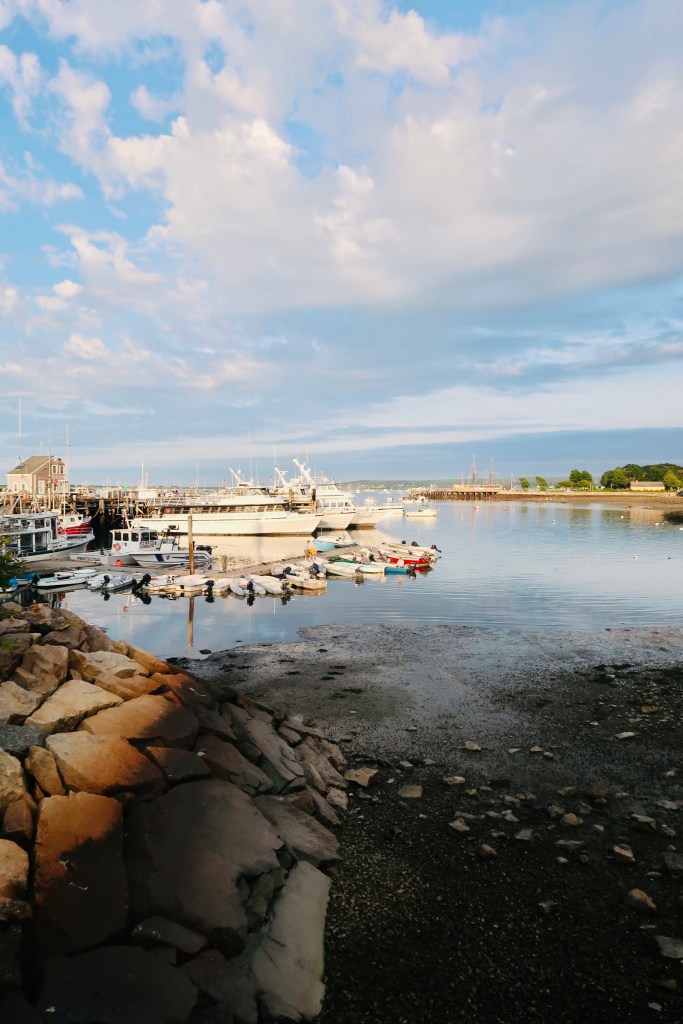
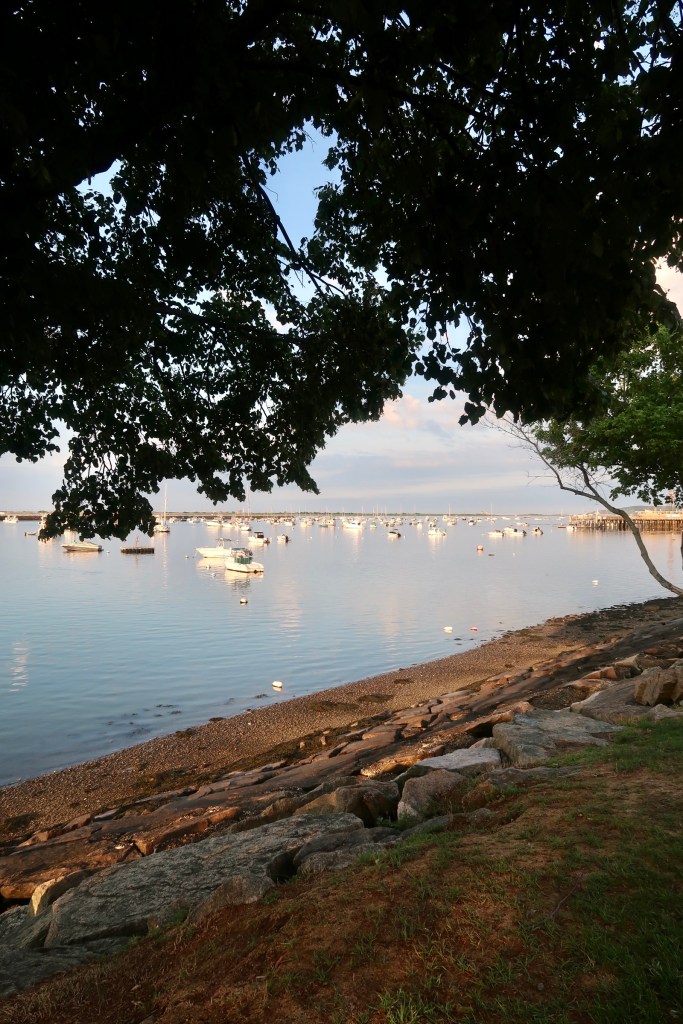
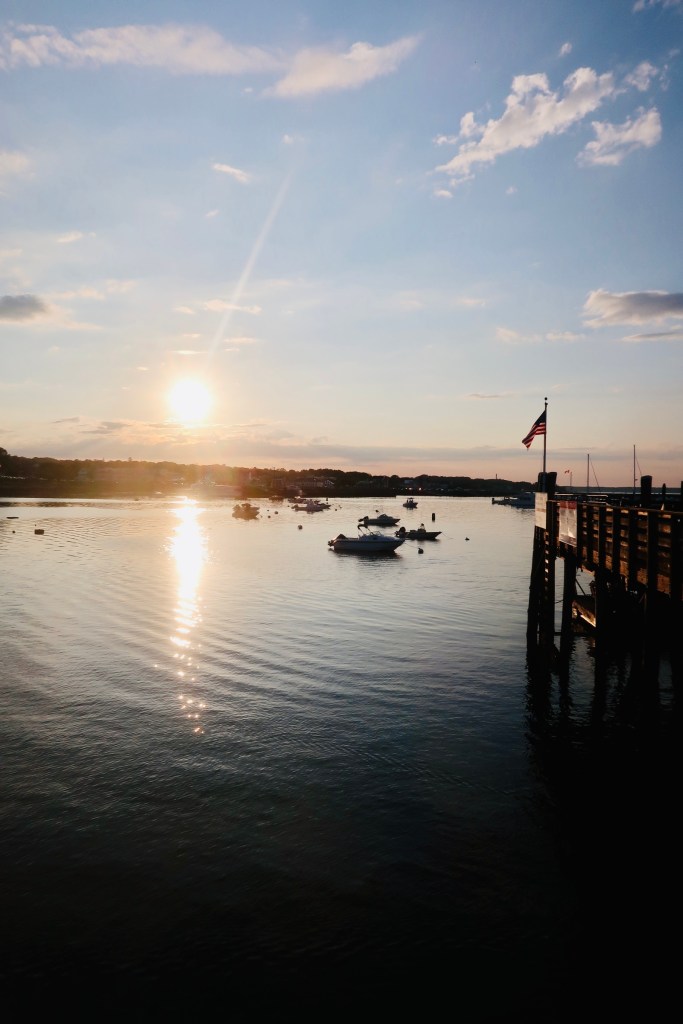
Wandering along the main streets of downtown Plymouth offered a variety of breweries, small boutiques, and tourist shops. We ended up stopping at Tavern on the Wharf for dinner that first night, watching the sun light up the water as it started to set. From dinner, we continued to walk along the bay, watching the sun set slowly over the bay. Walking along the bay puts you right at the Plymouth Rock. This is when I would recommend seeing because a) you get to see the sunset on the water, and b) it tends to not be as crowded. 

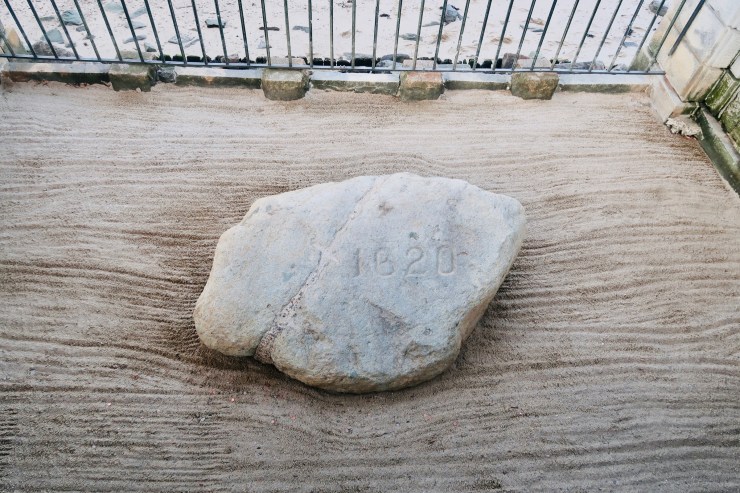
So, Plymouth Rock. I want to start with the fact that there is no writing from the Pilgrims in regards to Plymouth Rock. It wasn’t recorded until ~1715 when it was used as part of the town boundaries and was simply a “great rock” and there wasn’t even a claim to it being the landing place until 1741 (~120 years later). Second, the rock itself (as it stands today) is quite small. It is not even the full size of the “original Plymouth Rock” due to its being moved around and pieces being taken, bought, and sold. Today it stands at about 1/3 of the size that it actually was. There is also a crack in the rock where it was broken in an attempt to place it in the town square, the two portions were put back together and the date was stamped in the 1770’s. So, it’s cool to see, but also a bit anticlimactic in a way. 

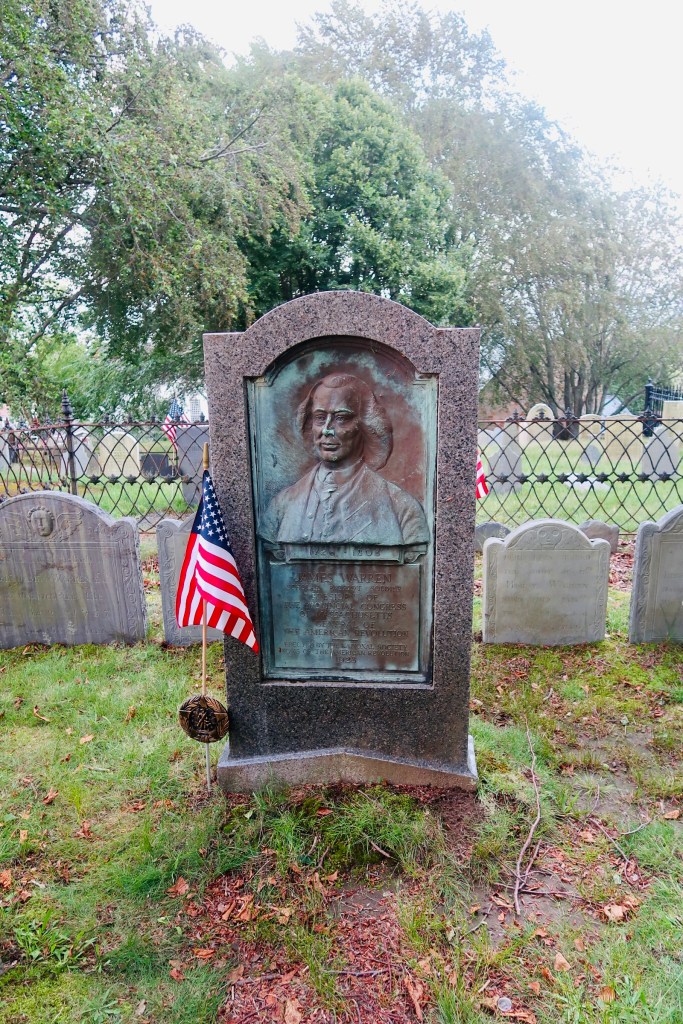
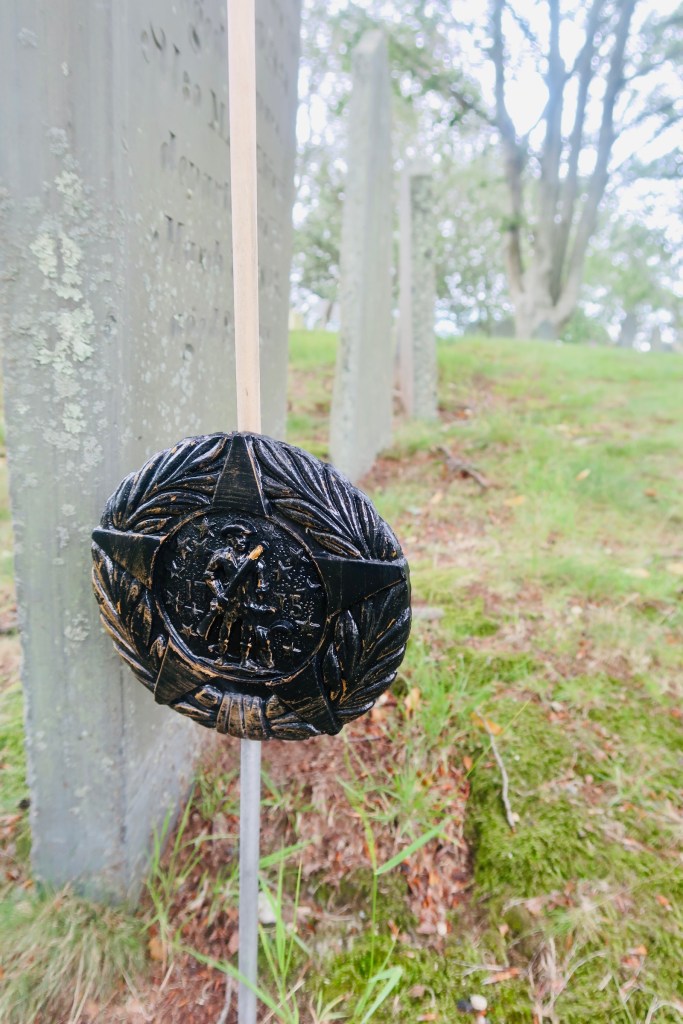
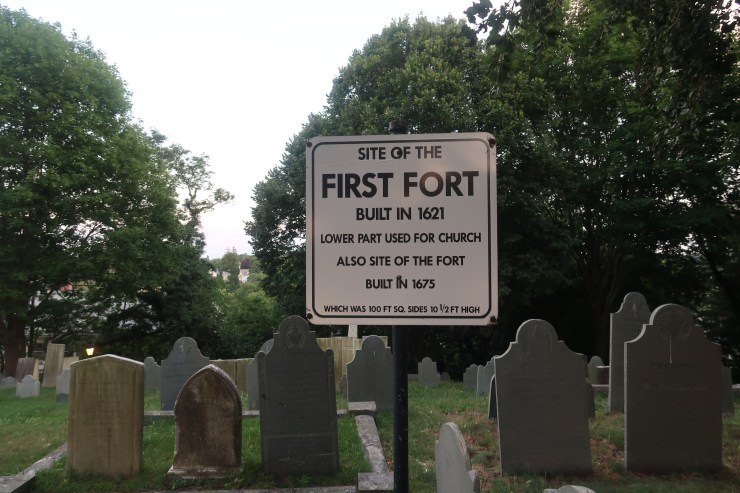
We finished out the evening with a  stop at Burial Hill, which was located right behind the John Carver Inn. Since there was still daylight (this cemetery sits much higher than the bay), we decided to take a little wander through the cemetery and see some of the oldest gravesites in our country (documented- there are much much older sites obviously from the indigenous peoples). Burial Hill was originally the site of the Pilgrims first meeting house and was first used as a burial spot in the 1620’s. There are Pilgrims and Mayflower passengers buried in the cemetery, as well as various revolutionaries and soldiers. Any person that has a history tied to a battle/war, the Mayflower, or the colonists has a medallion placed next to the grave marker (some of these still stand, some have been destroyed over time by the elements). 

The next morning we started out somewhat early, to get some breakfast from Munchies & Milkshakes. Robert had found this spot and read reviews about donuts and baked goodies, so we figured why not give it a try. I can tell you, it did not disappoint. We took our donuts to a bench overlooking the Mayflower II and the bay and had a lovely little picnic. Then it was off to tour the Mayflower II. 

As the same organization owns all three “Pilgrim”/Plymouth related attractions, you are able to purchase one ticket for all three locations, which is what we did. I can’t say that it was a cheaper option or a good bargain deal, but I can say that it was definitely easier when it came time to visit the other locations. We walked right into the Mayflower II and were able to get on the boat almost immediately. 

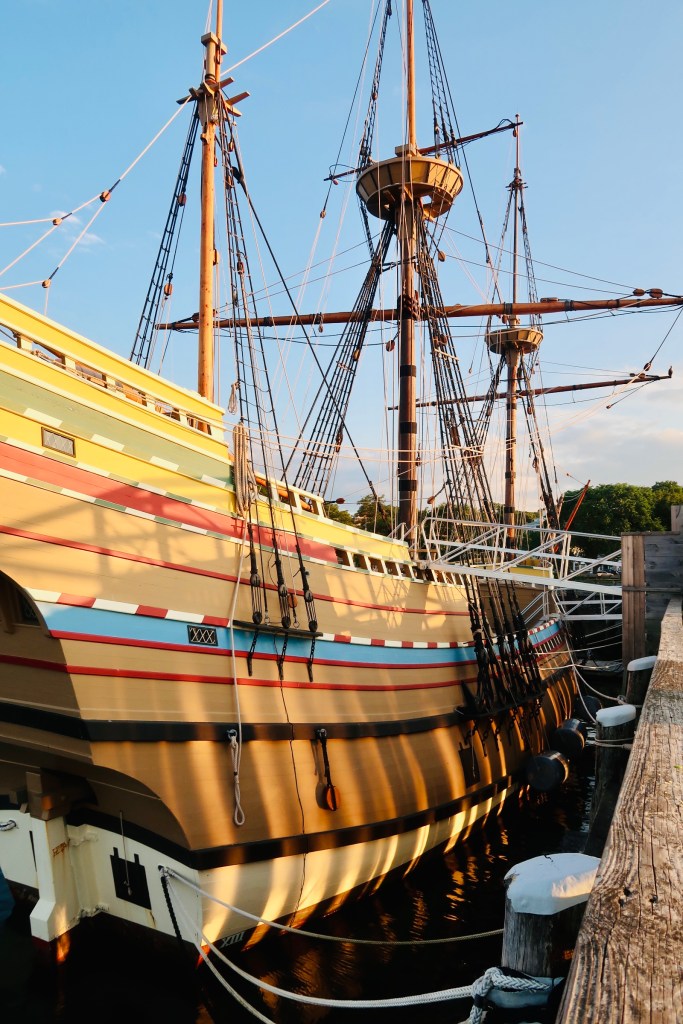
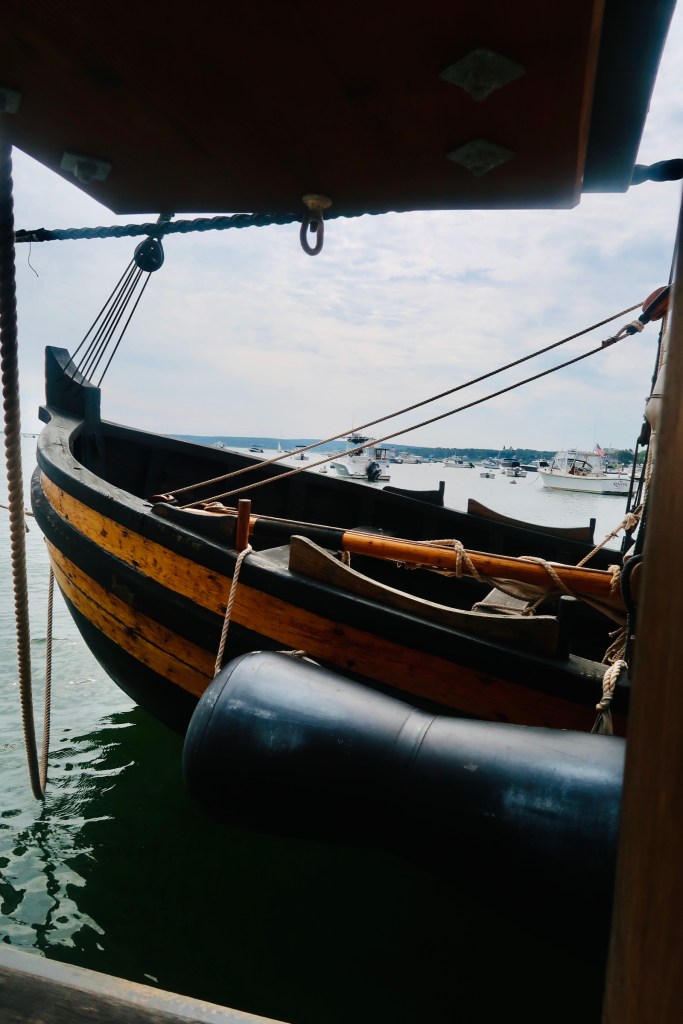
The Mayflower II is a reproduction of the original Mayflower. It was built in the 1950’s in partnership between an English builder and the Plimouth Patuxet. It was a partnership to honor the alliance between the United States and the United Kingdom during World War 2. Considered a generic reproduction with modern additions (like electric lights and a ladder) it sailed from Plymouth, Devon recreating the historical journey of the Pilgrims, landing at Plymouth Massachusetts after about 2 months. It has journeyed through various ports and cities on the East Coast both for tours and for restorations, but in 2020 it made a permanent return to Plymouth in honor of the 400th anniversary (lucky for us!). 

I do think that this is a very worthwhile attraction to see. Not only does it put the voyage in perspective and the conditions and turmoil that the Pilgrims faced during their voyage, but it also is neat to check out. The “crew” on board is a mixture of modern day guides and first person interpreters and you are able to see just about every area of the ship, including the mooring boat that they would have used to send expeditions from the ship to the mainland to find a settlement space. 

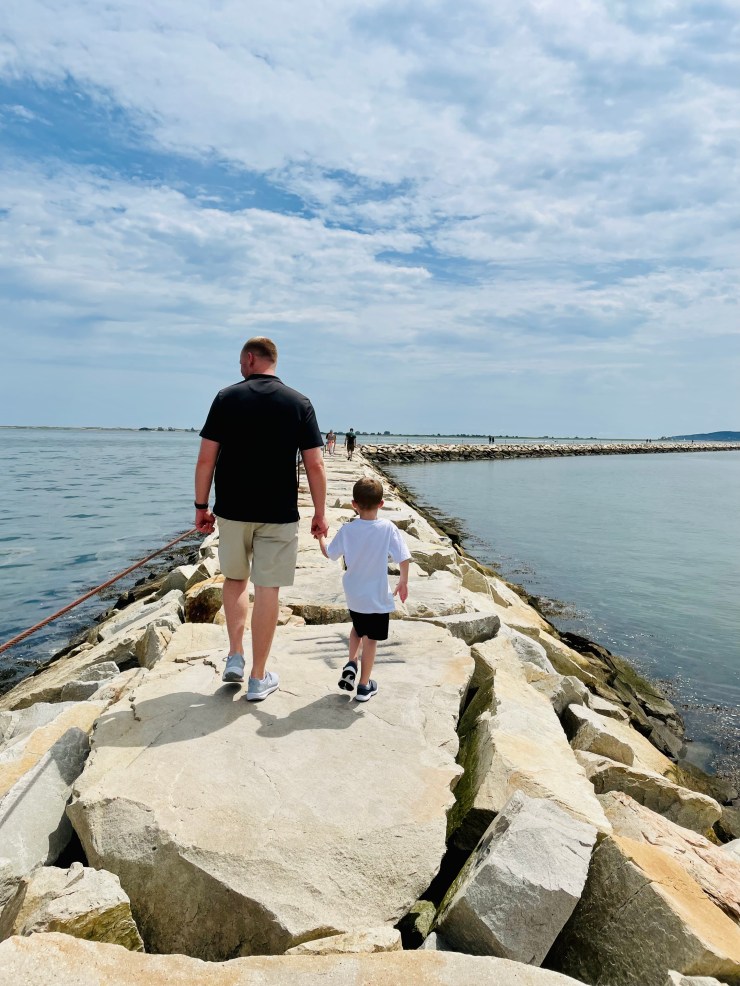
From the Mayflower II we walked the opposite direction (away from Plymouth rock and towards the shipyard area) to walk the riverfront. The town has a rocky area that you are able to walk a bit out into the bay waters and see the town from the water (in a way). Now, you are walking on rocks that have been piled up and around coming out of the water to form a walkway. It’s not a “sidewalk” or anything of that nature, just a man made path. We walked about halfway out and decided to turn back (as it’s just an outcropping to see the view). 

At that point in the day we were reaching the peak of the sun and heat, so we decided to head back to the hotel and spend a bit of time at the pool. This is something we don’t often do, but we had partly booked this hotel for the pool, so we figured we should take advantage of it. It was a lot of fun and allowed some of that sun and heat to pass over us. 

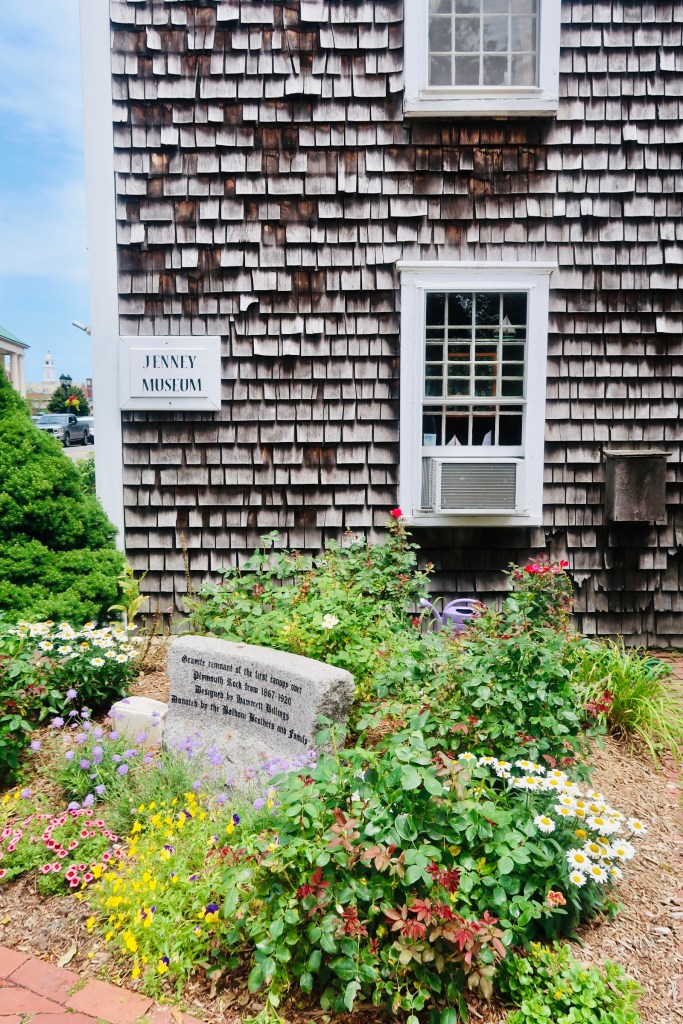
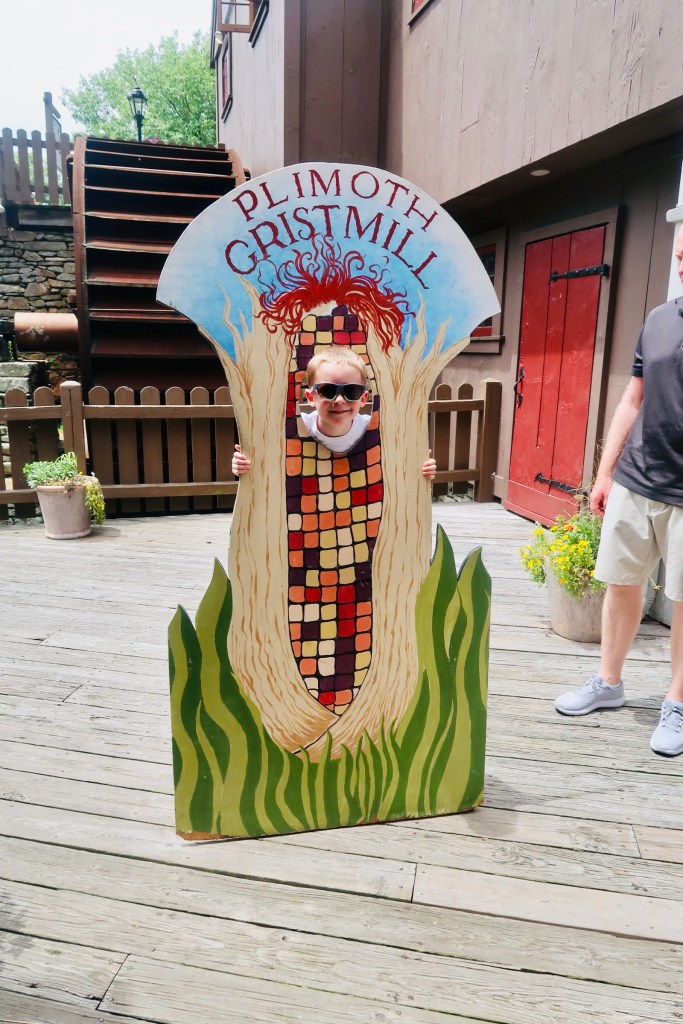
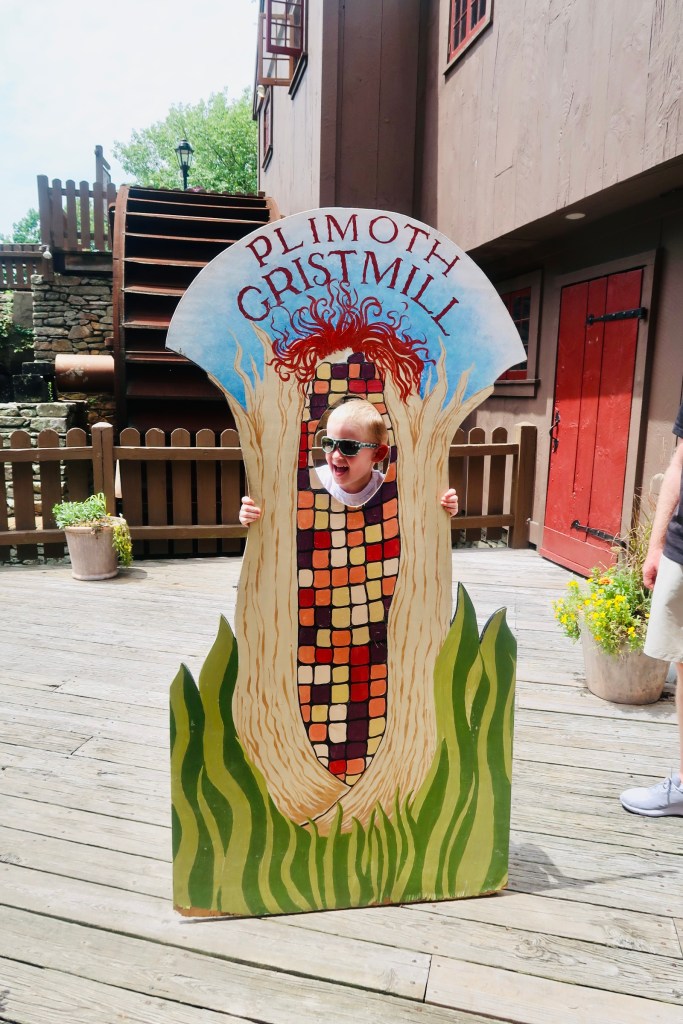
After a brief lull, we headed back out, this time to the Plymouth Grist Mill. This Grist Mill is a working mill recreated on the site (and similar to) the Jenney Grist Mill, which was one of the first operating mills from the Pilgrims in Plymouth (built and operated by John Jenney who came over on the Little James in 1623). The Mill was originally built in 1636 and remained in operation, though passing through different hands as owners passed away or sold, until it burned down in 1840’s. The property stood as it was until the town went through some re devolopment and mill was rebuilt/reproduced in 1969. It is a fully functioning mill processing what, rye, barley, and corn (which is ground on the primary millstones). You are able to watch the mill at work if it is the time of year for it to run, otherwise you are able to tour the mill and the workers will show you how everything operates. A Very kind tour guide turned on the outside portion for the boys to watch. 

I will say, this was another neat stop to make, BUT if you can’t fit it in or you are wondering which of the three attractions you don’t need to visit- this can be cut from your itinerary. It’s a short visit (which worked out really well for us), but I wouldn’t say it provided much “first hand” insight. Cool to see, but not necessary.

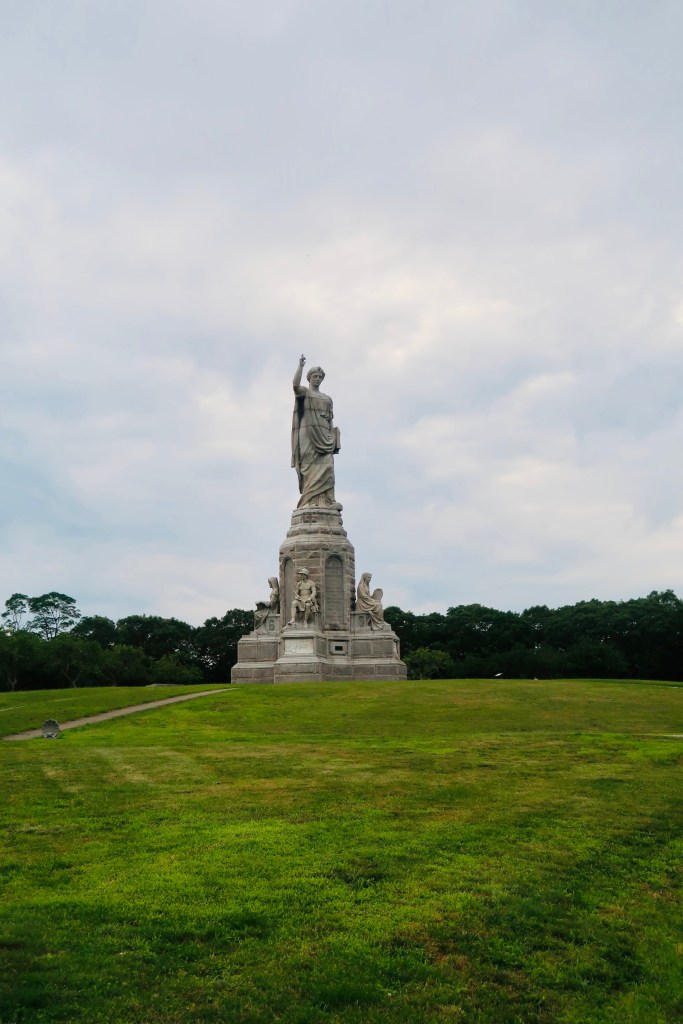
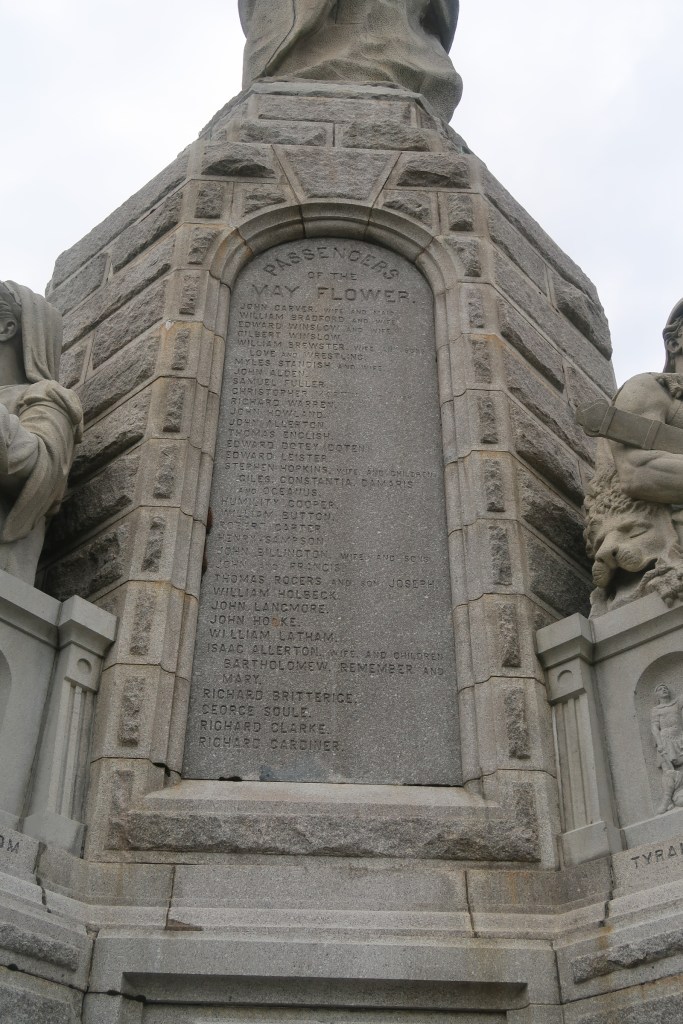
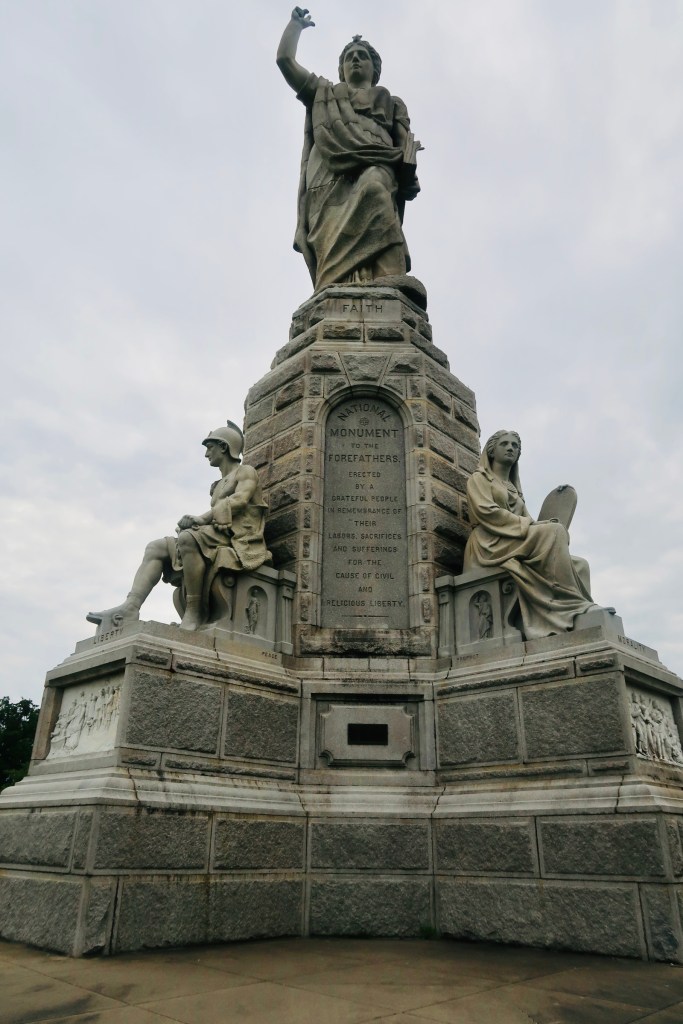
The final stop we made in Plymouth was the National Monument to the Forefathers. Originally known as the Pilgrim Monument, this is thought to be the worlds largest solid granite monument standing at 81 feet tall. It is dedicated to and commemorates the Mayflower Pilgrims and their ideals. The idea dates back to 1820, but the cornerstone was not laid until 1859 (after plans started almost 10 years earlier). It opened in 1889 and features a total of 5 figures. The top one is known as “Faith”, with the four buttresses featuring “Morality”, “Law”, “Education”, and “Liberty”. These are then broken down further on each buttress to give more ideals for each overarching concept. The front and rear panels both have quotes engraved, with the side panels containing the names of those on the original Mayflower. 

We wandered from the monument, which is tucked up on a hill back in a neighborhood, back down to the main street and stopped for dinner at the Waterfront Bar & Grill before heading back to the hotel to pack and leave the next morning. 

And that wraps up the first stop in our 2021 Summer Holiday. I will say, I’ve only ever been mildly interested in the Pilgrims tale (more so in a respectful manner of history), so while this was a cool spot and town was pretty, this wasn’t a highlight for me. It also wasn’t for the kids (minus the pool), but that’s because they much preferred the next stop on our destination…

A Cuppa Cosy Summer Holiday 2020 – Paris pt. 1

It is time for the second stop on our Summer Holiday, the much-anticipated Paris- city of love. I am going to divide our time in Paris up into two different posts (this has been determined after editing this together- it’s simply too much for one) and I am going to be splitting them by day for Paris (the rest should be fine simply by location). 

So, Paris, the city of Love. This was just a short few hours’ drive from Luxembourg City, so we looked around to see if there was anything on our route that we wanted to see. We had planned on 3 nights in Paris (giving us 2 full days, plus some, to see Paris). My husband managed to find a World War 1 battleground and memorial that he wanted to check out, so we decided to make a little lunchtime stop. 

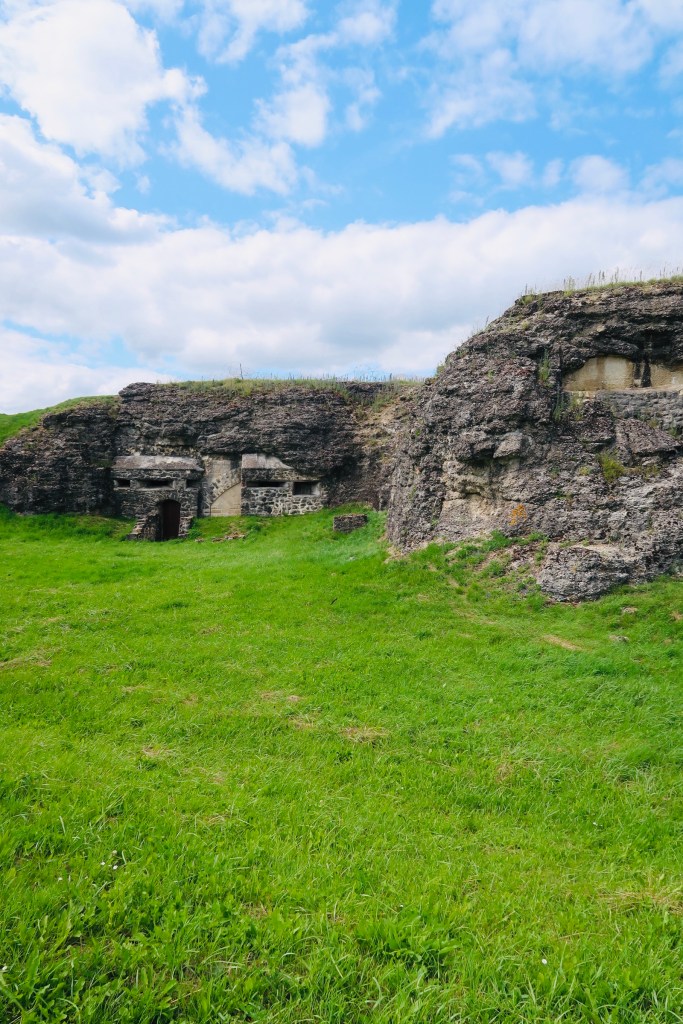
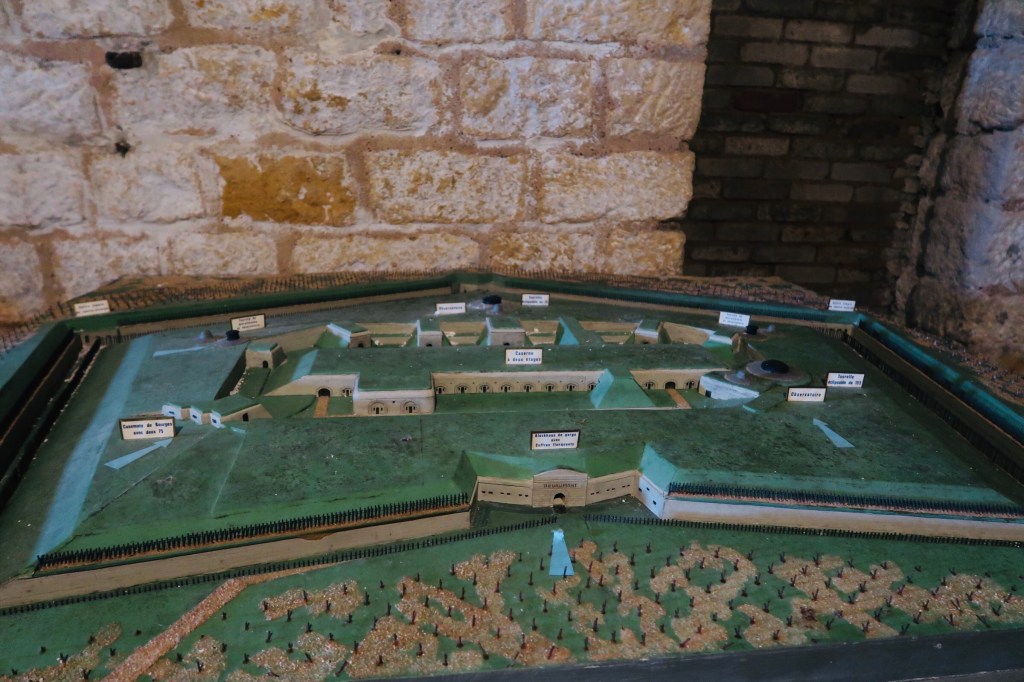
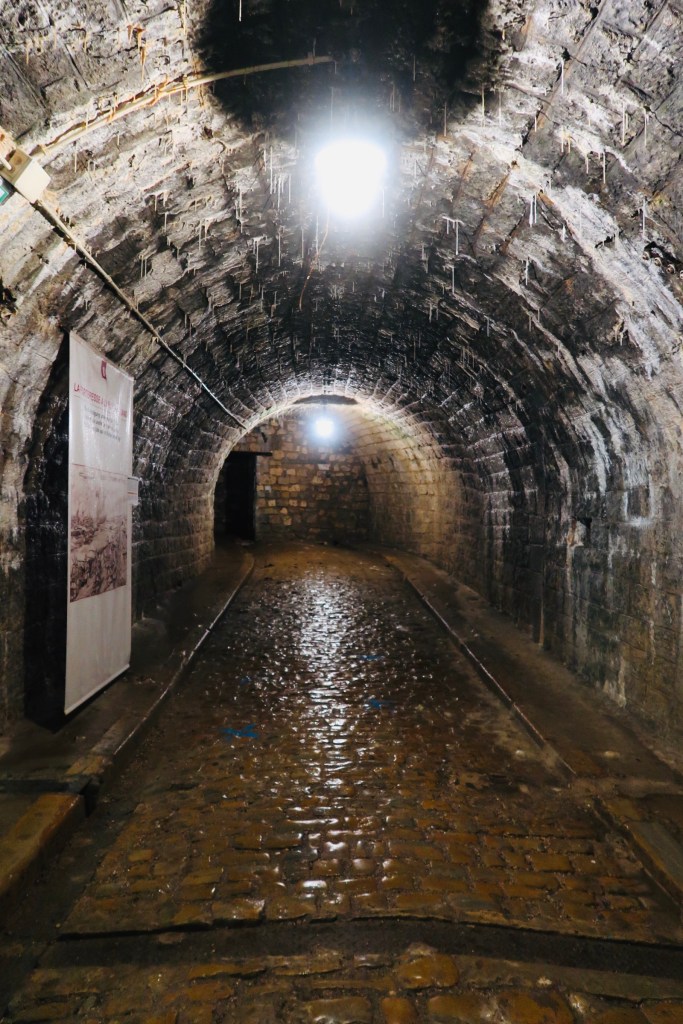
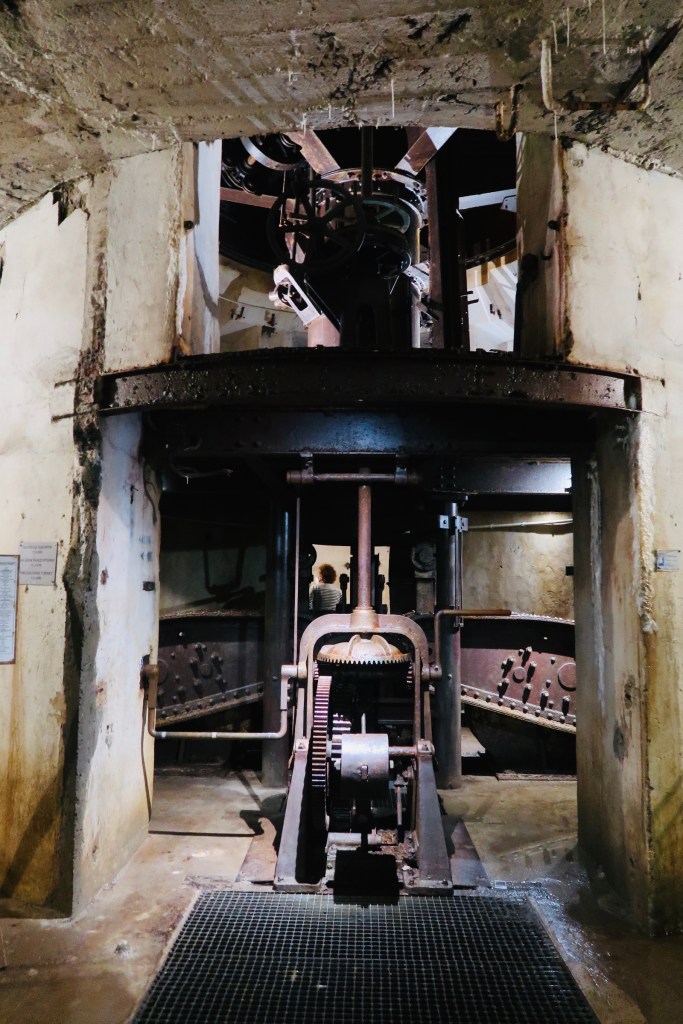
Our first stop on this section of our holiday was Fort Douaumont. This fort is the largest and highest of the ring of positions that protected Verdun France. This particular fort has quite the history of capture and re capture in 1916 after being determined ineffective. The fort itself dates back to the late 19th century and a lot of the fort is actually tunnels and an underground network. During a tour you are able to walk through the hallways and listen to the history of the fort, how it was used by both the French and the Germans, as well as see some of the actual fire power that was used at that time. You can then walk above the fort and see the ramparts and exterior gun positions. 

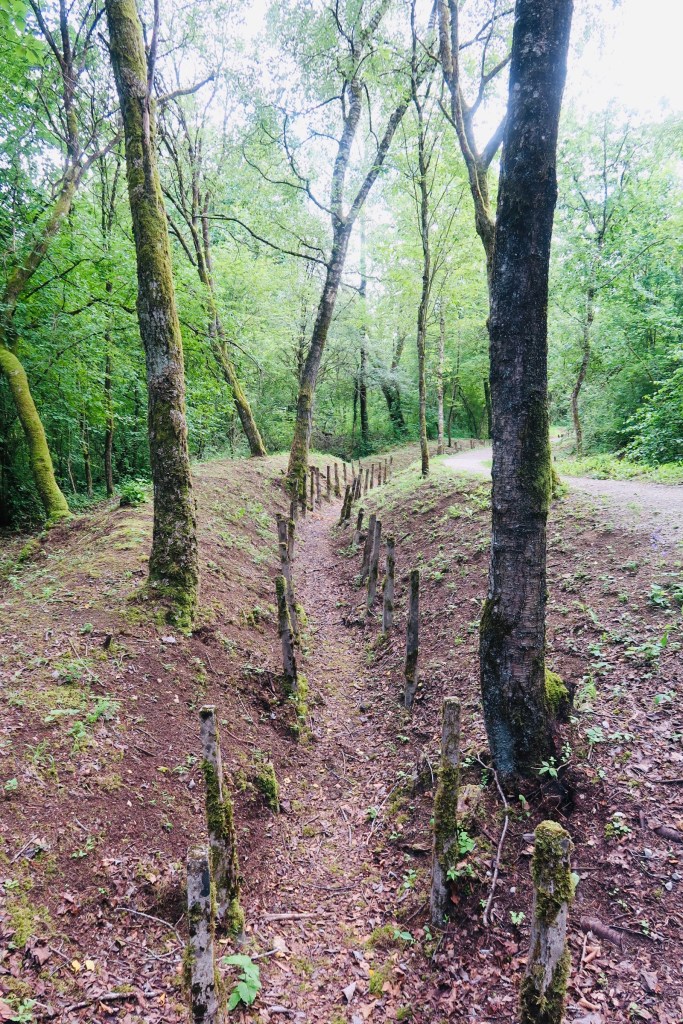
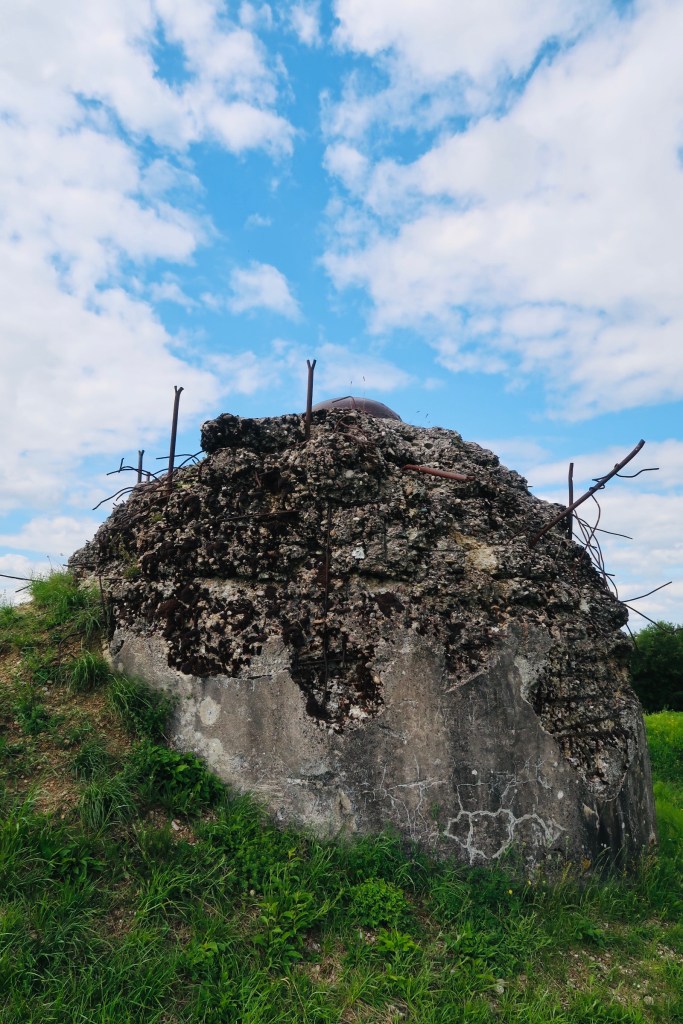
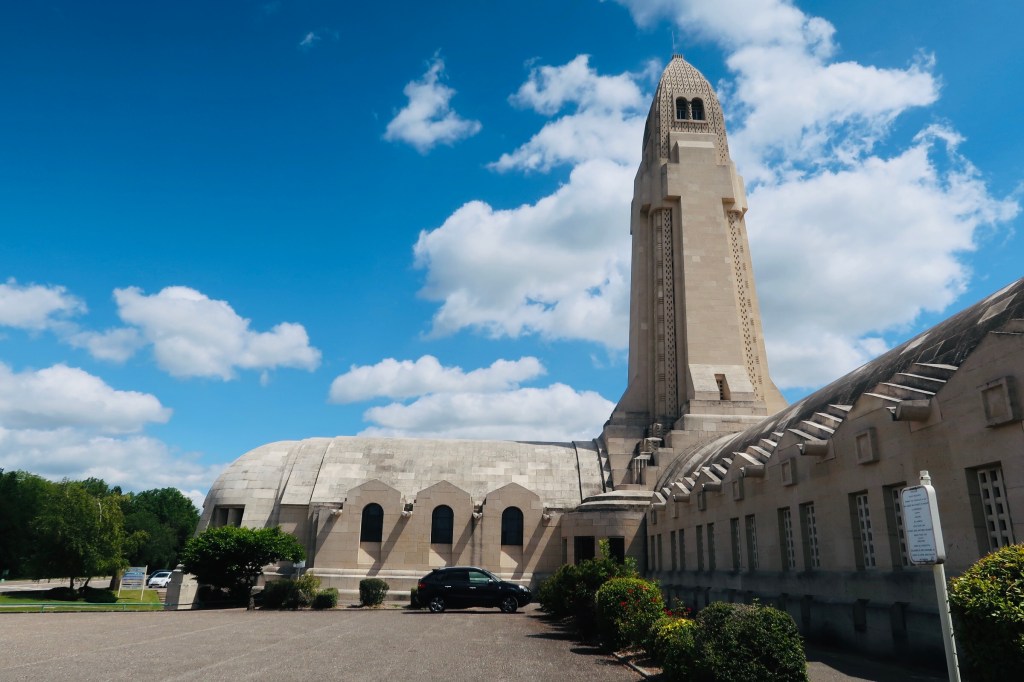
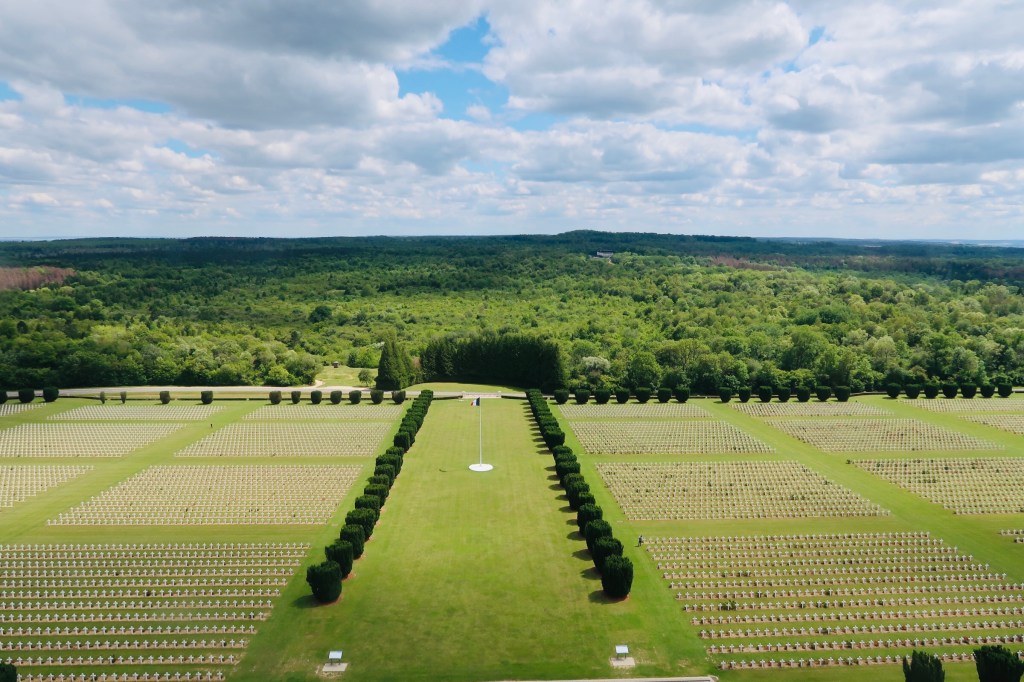
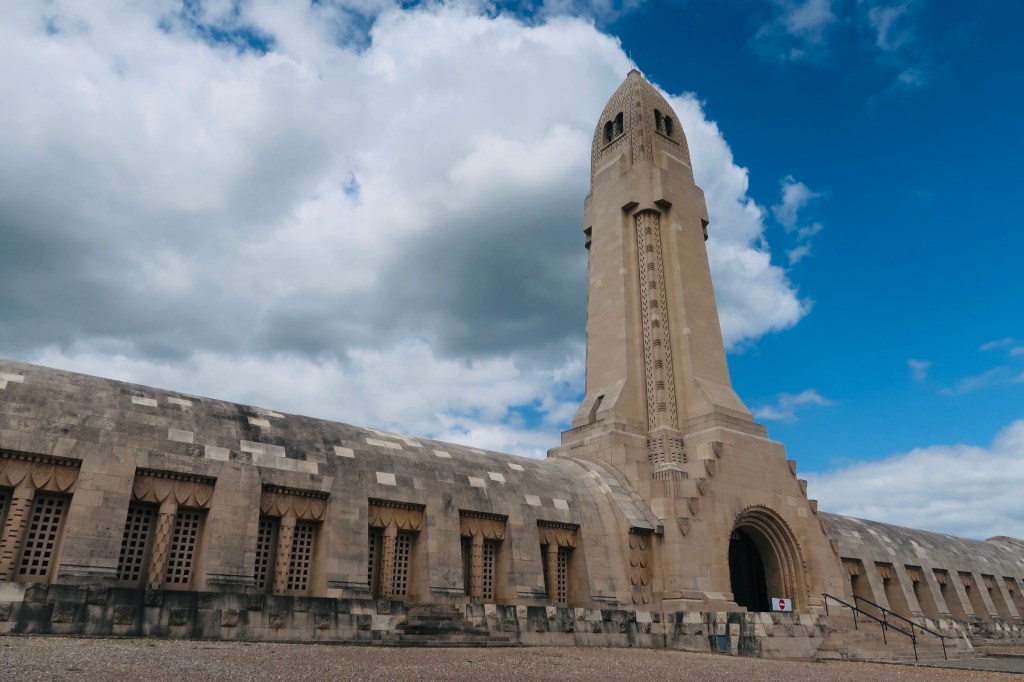
While at Fort Douaumont, you are able to do a couple other things as well, such as walk the trenches and see one of the battle positions (which now serves as a memorial). You are also a very short drive (like a couple minutes max) from the Douauomont Ossuary, which is a war memorial from the Battle of Verdun in World War 1.

A rather large monument, legend says that it was designed to appear as a sword being shoved into the ground and you are able to climb the tower and see a panoramic view of the cemetery and grounds. The small windows on the exterior contain alcoves that hold skeletons of unidentified soldiers from both sides of the war. The cemetery is the largest of the first World War in France.  

We spent several hours in the area exploring and learning before hitting the road again and heading to Paris. We did not actually make it into the city until well into the evening, so we chose to simply check in and have an easy evening in the hotel unpacking and resting. 

We divided Paris up into two different sections, with an invisible line drawn somewhere in the vicinity of the Louvre and Notre Dame Cathedral. So, that first day was full of metro rides and “exterior” sight-seeing (Covid-19). While the second day was a more walking locations that were closer to each other. 

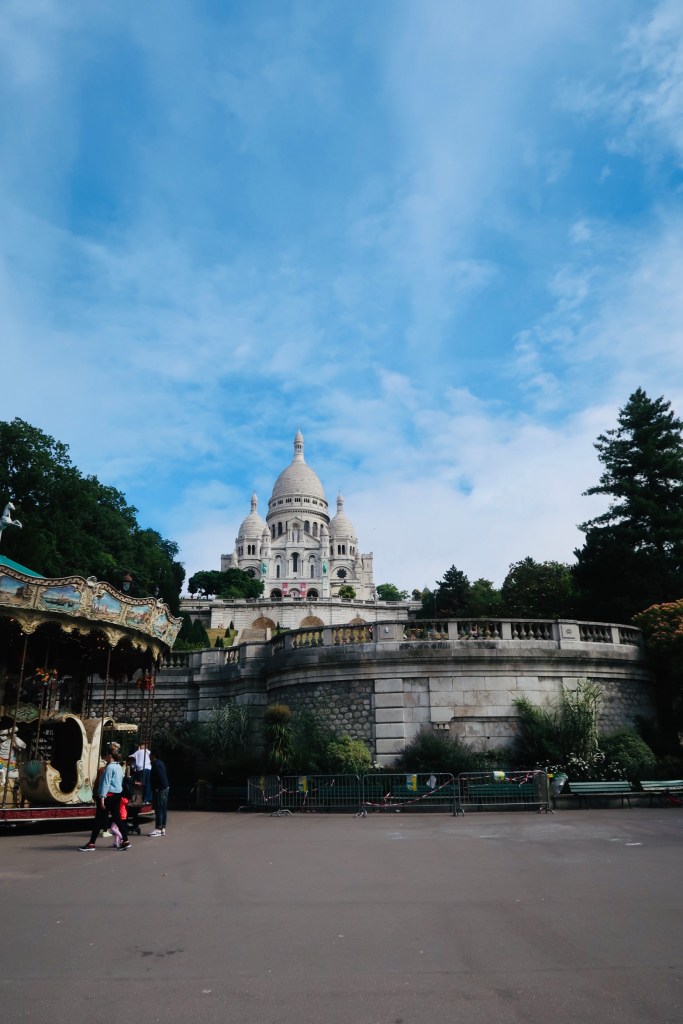
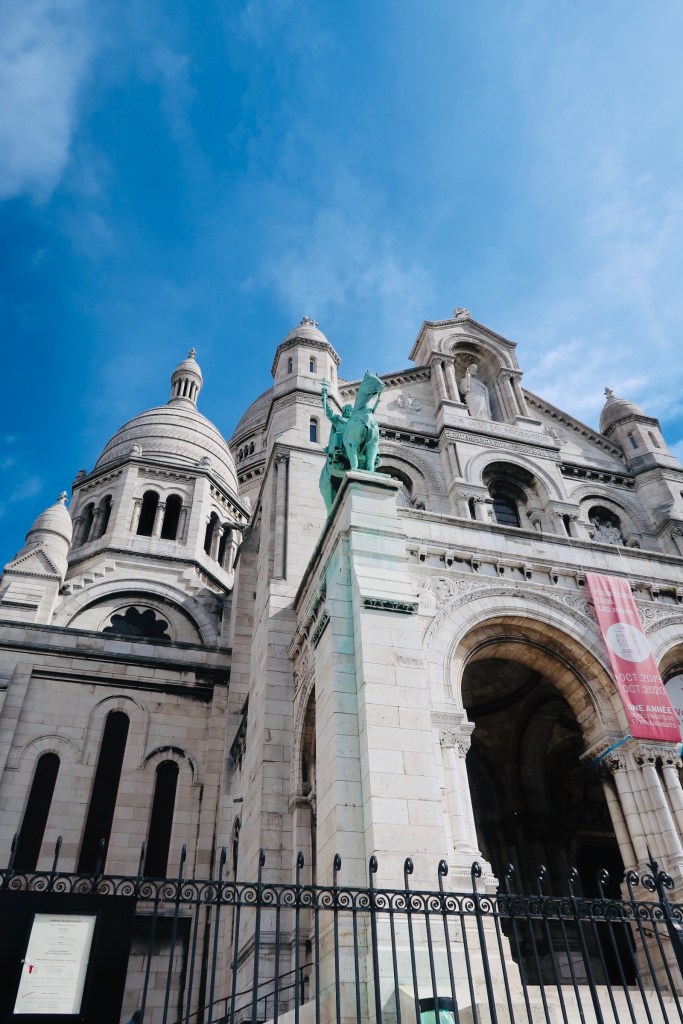
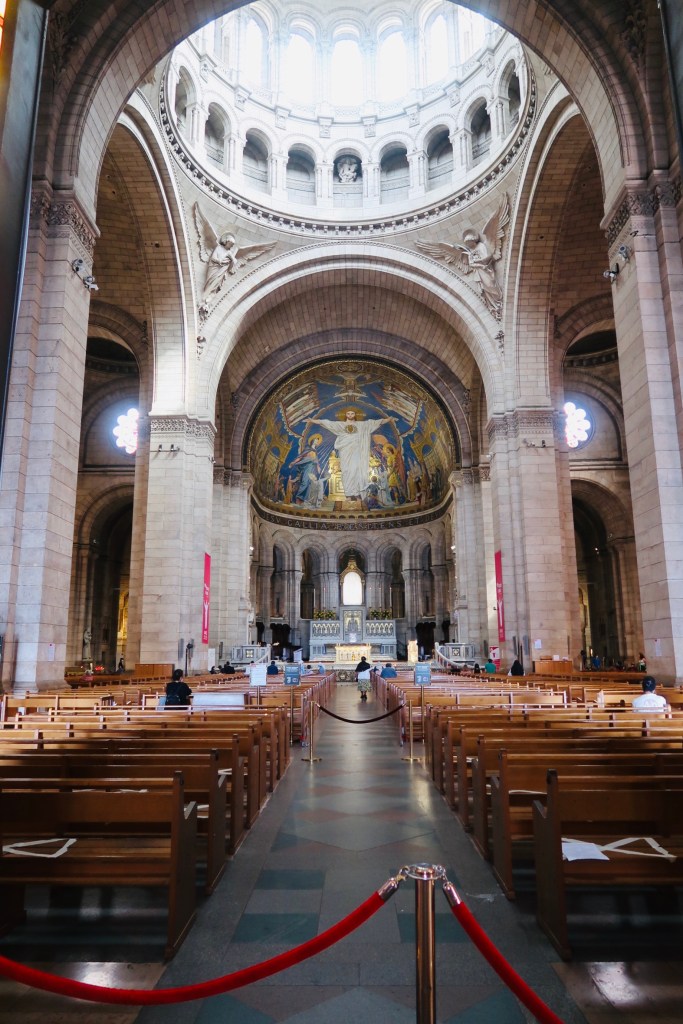
We started off at the Sacre-Coeur Basilica in the Montmartre area. This is the second most visited monument in Paris, a Roman Catholic church that stands at the summit of the highest point in the city. Built at the end of the 19th century/beginning of the 20th century with the beginning of perpetual adoration in August of 1885. It boasts a dome of 83.33 meters, a bell tower of 84 meters, and an annual visitor/pilgrimage of 11 million.

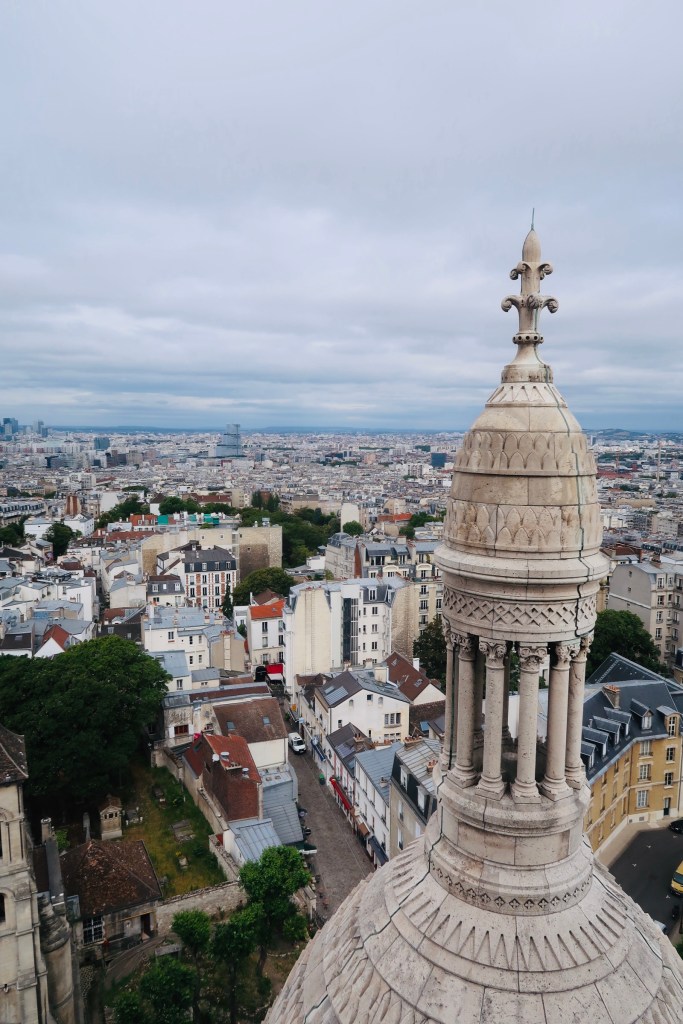
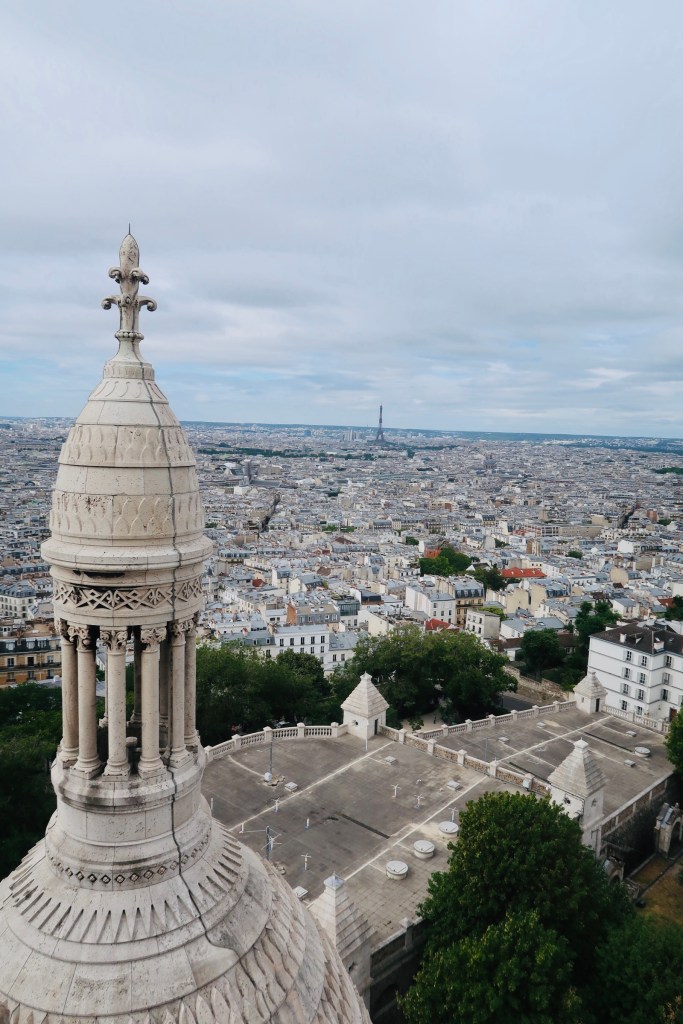
I have to say, this basilica was incredible, not just from an architectural exterior, but also its interior manages to take your breath away. Inside, there is a mosaic of Christ in Glory which is one of the largest in the world. It is truly amazing to see. We did climb the dome and were treated to an incredible view of the entire city. You are able to see everything, and it was a real treat to feel like an eagle at the top. 

From the Montmartre area we started to work our way back into the city hitting some of the hotspots that we wanted to see. I will make a note, we did not hit Moulin Rouge as it was closed due to Covid-19. We knew we were somewhat “short” on our time, so rather than hop the metro, just to hop the metro again, we decided to skim a few things. However, we did hit the Palais Garnier. 

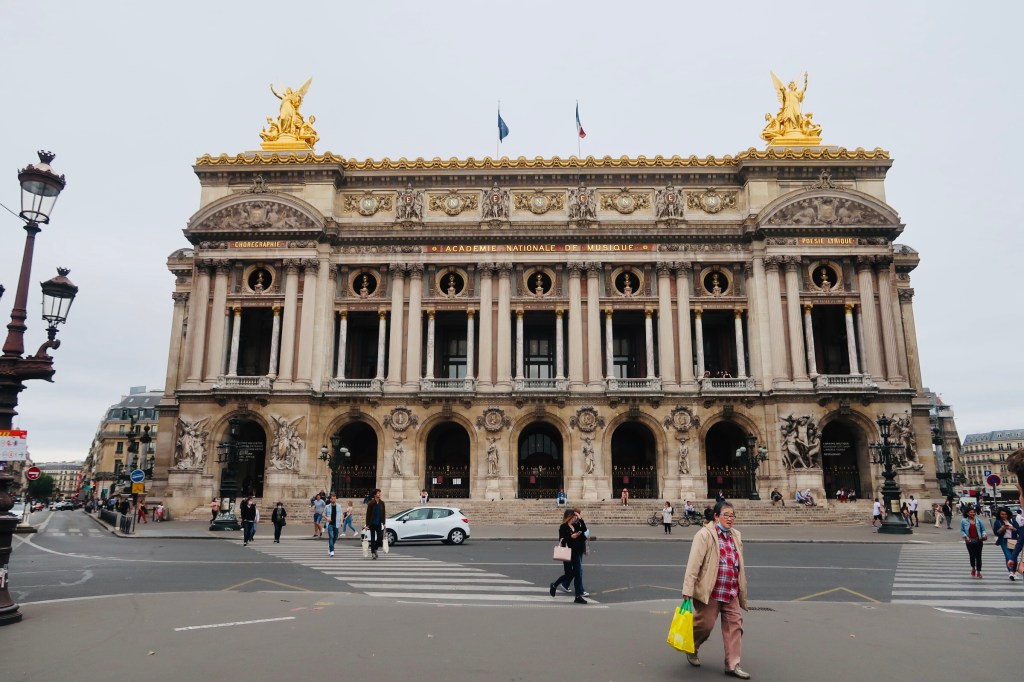
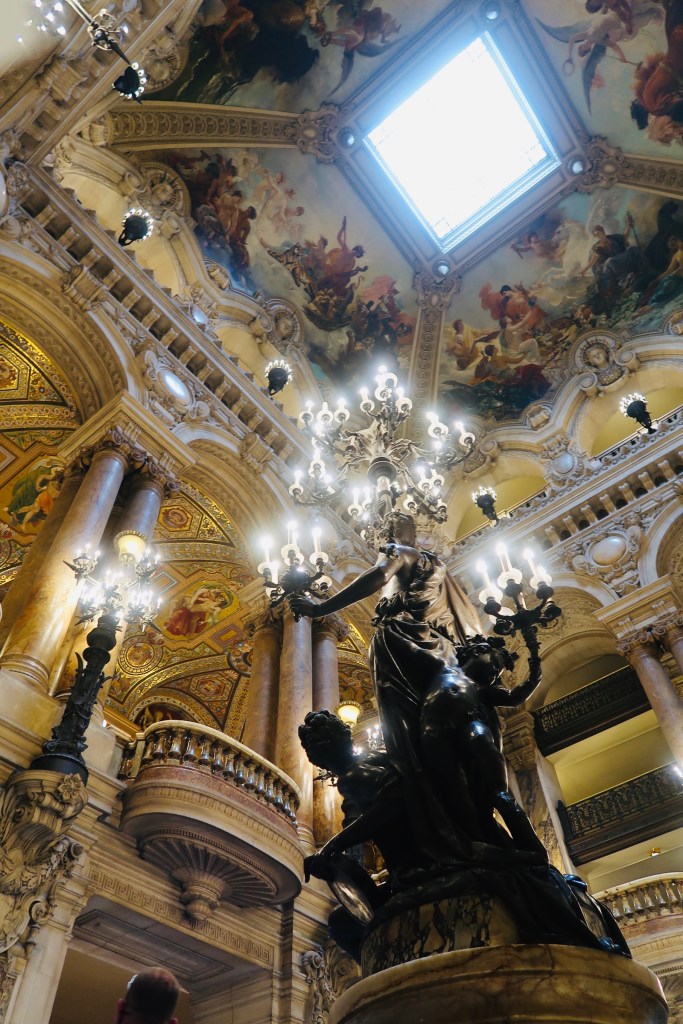
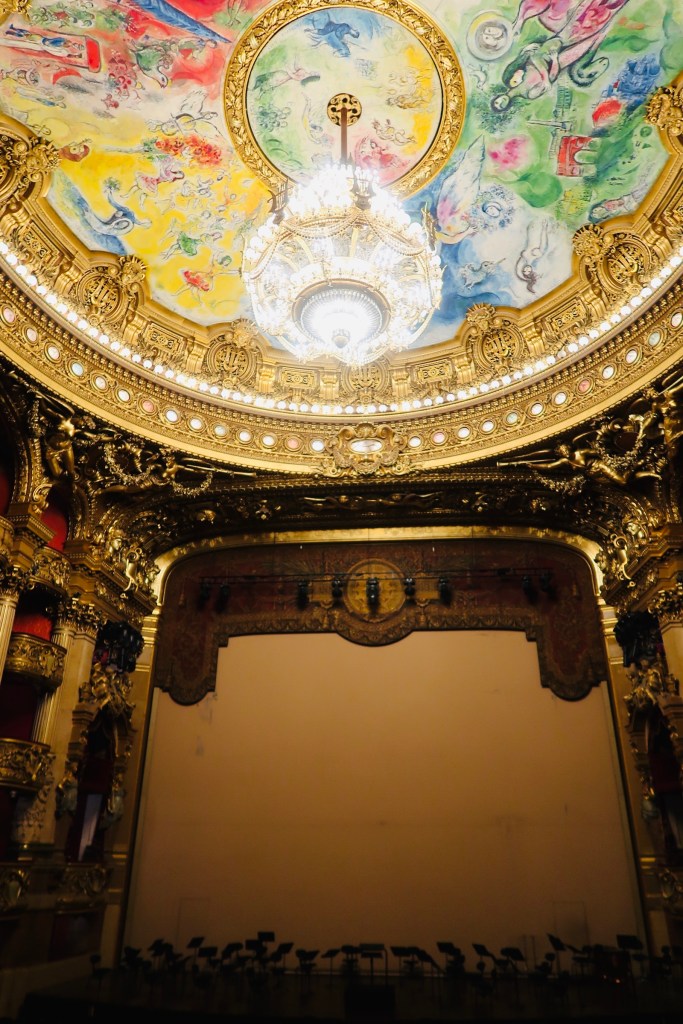
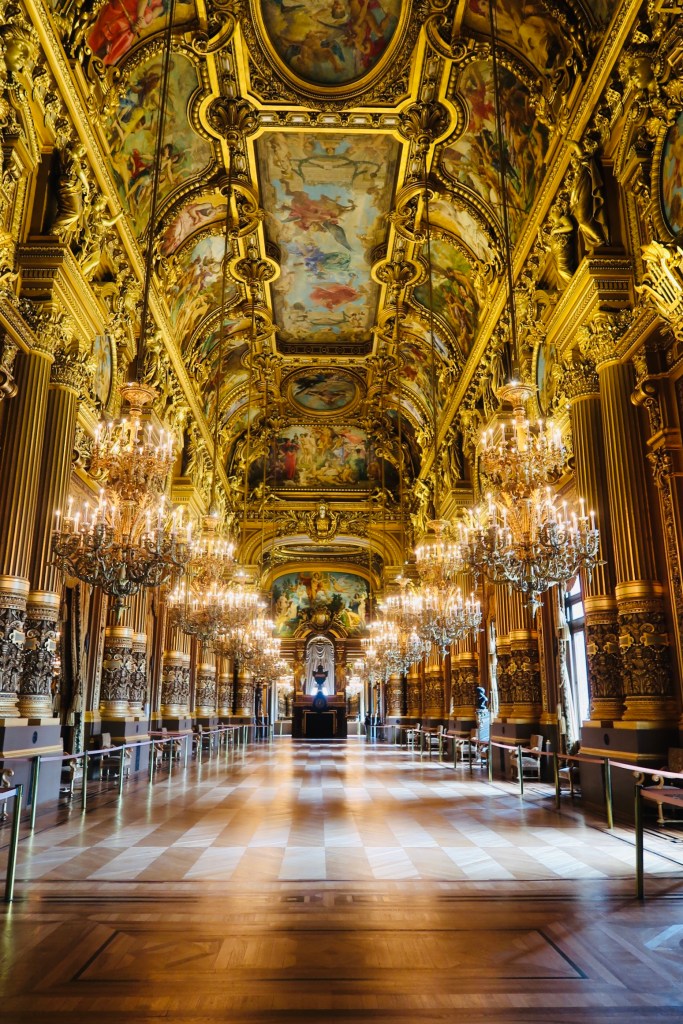
The Palais Garnier or Opera Garnier is THE Paris Opera house (think like Phantom of the Opera). Seating just under 2000 it was commissioned by Emperor Napoleon III in the late 19th century. This is one of the mast famous (if not the) Opera houses and has inspired so many other Opera Houses and buildings (including the Thomas Jefferson building at the Library of Congress!). Of the era it was the most expensive as well as a masterpiece of the time. Now, if I thought I cried/got emotional at the Globe Theatre in London, it was nothing compared to how I felt at the Opera house. The Palais Garnier is easily the most beautiful, incredible, ostentatious, singularly “French” thing I’ve ever seen. It’s just mind blowing. From the Grand Staircase of white marble and painted ceilings, to the auditorium and the bronze and crystal chandelier, to the Grand Foyer with its gold and yellow opulence, there is not a single place that doesn’t just amaze and leave one breathless. 

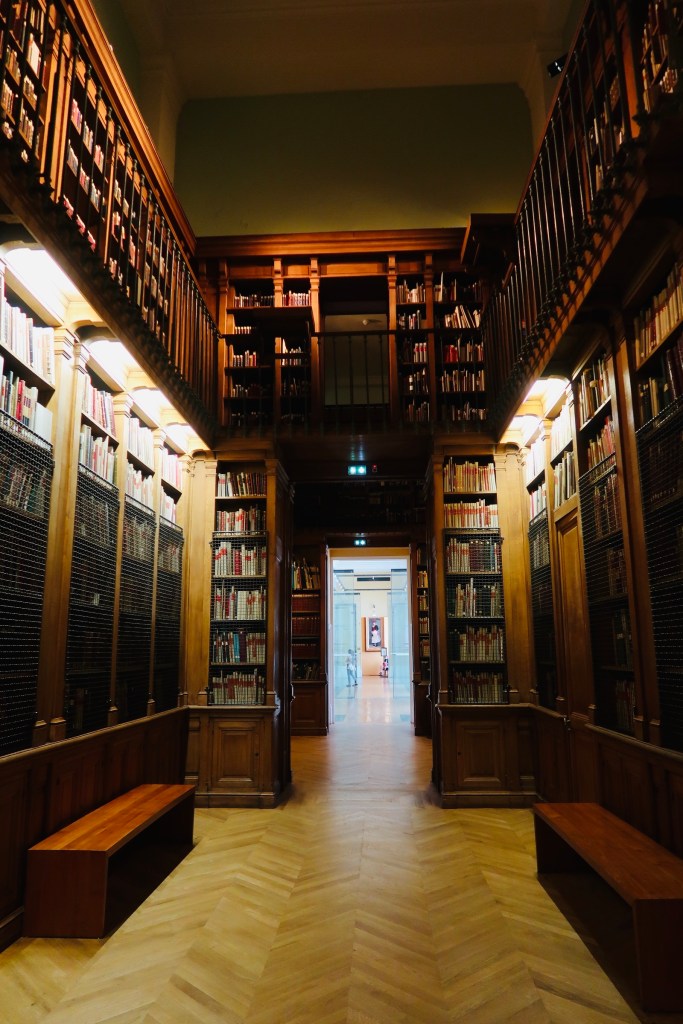
If those things weren’t enough, I wandered down a quiet corridor and came upon something even more incredible. The Paris Opera House is also home to the Bibliotheque-Musee de L’Opera de Paris, or the Paris Opera Library-Museum and oh my goodness, was it heaven to walk through the walls and walls of books. Of course, most of these items are archival items including books, music scores, autographed items, photographs, and other “paper” items (a total of 600,000 documents!). There is also a museum attached to this section that displays paintings, costumes, scenery and scale models of sets. It is incredible (and it was like a little quiet slice of heaven in heaven). 

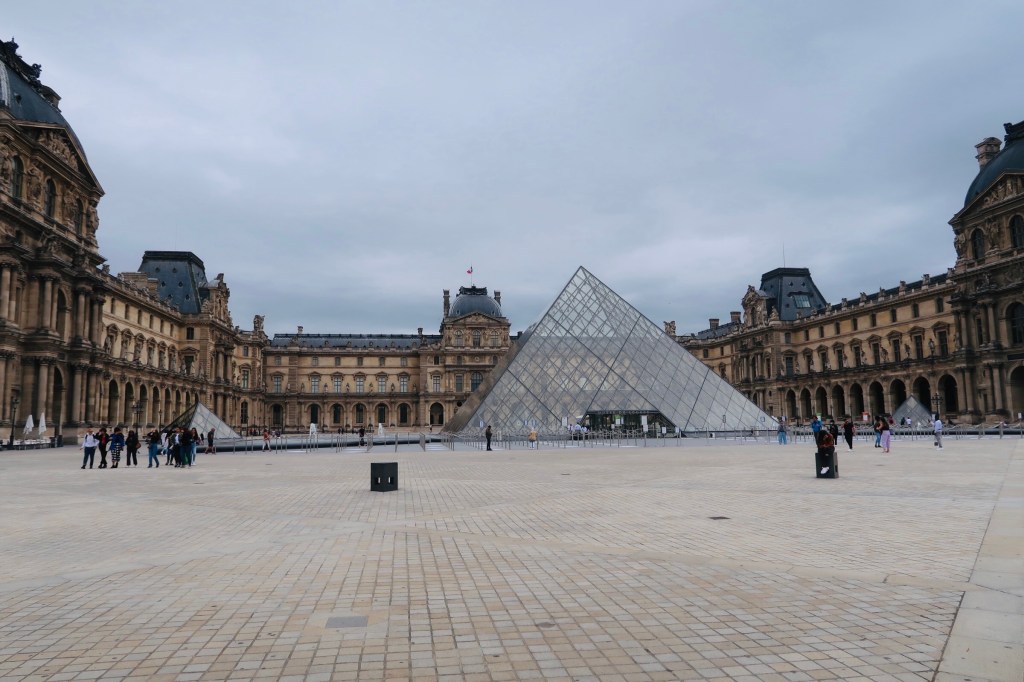
From the Opera House we took a quick metro bus over to The Louvre Museum. Now, The Louvre was not in fact open, it was scheduled to re-open (post Covid-19) the Monday that we were leaving so we didn’t get a chance to go inside. Instead we were able to see the pyramid, and the square without the crowds of people, which was pretty cool anyways.

I won’t hark on about this stop too much as we weren’t really able to visit the museum, but I will say that the controversy that surrounded building the pyramid entrance is actually quite interesting. Those who were against it had varied arguments from aesthetic reasons to being against the President at the time (along with the more important of the history of the Pyramid itself- not this glass design). Regardless, it was commissioned, and it provides a striking entrance and separates the Louvre from being “just another museum in another ‘old’ building” (besides the fact that some of the famous pieces of artwork reside there). 

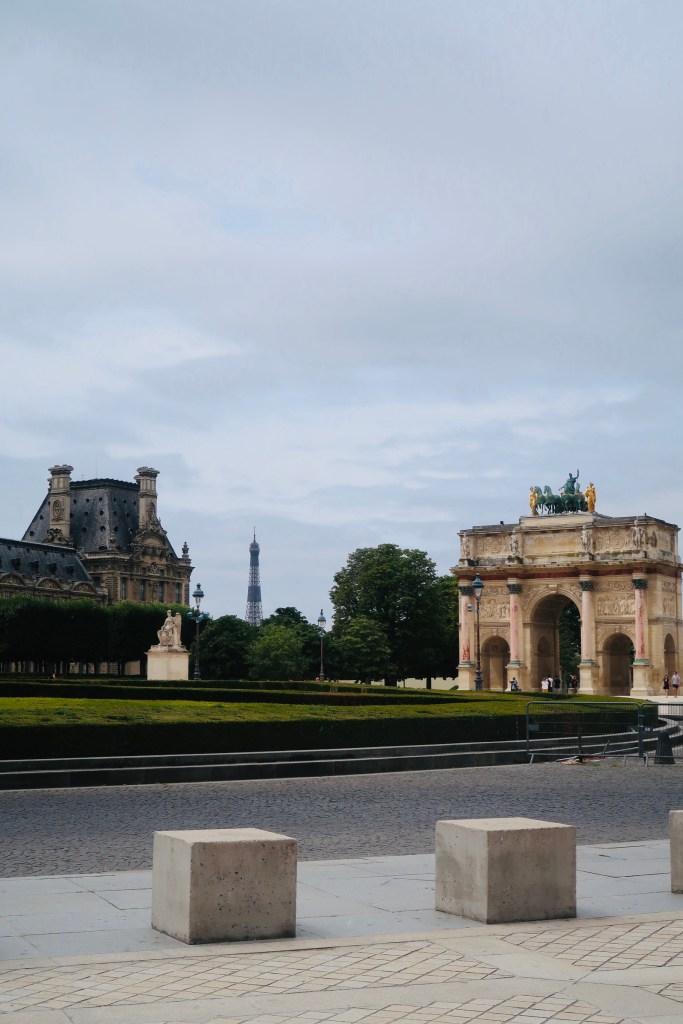
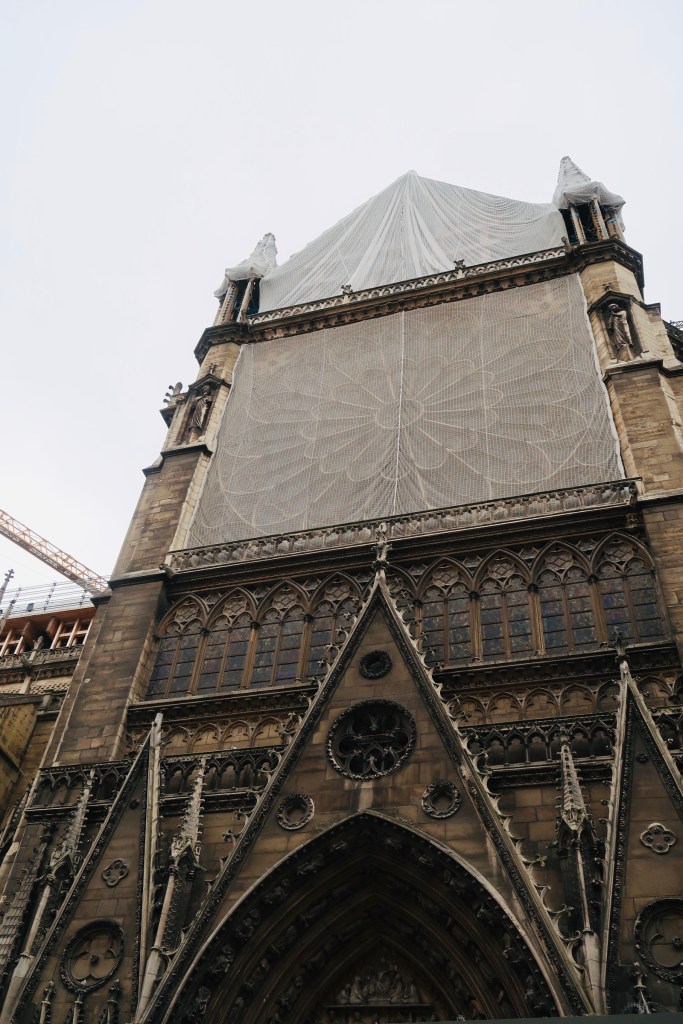
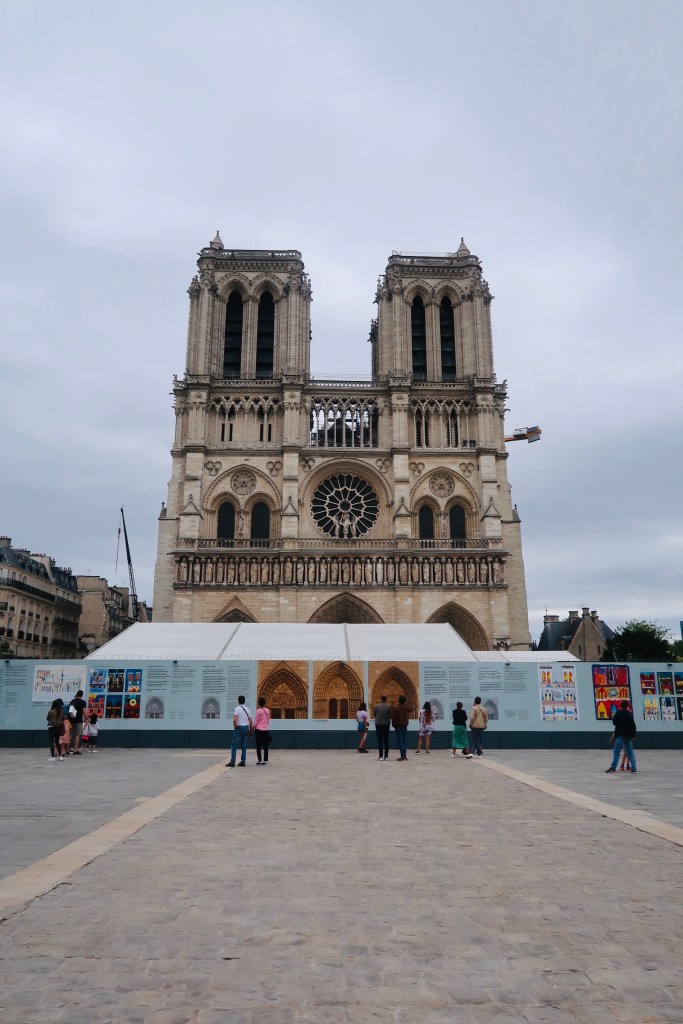
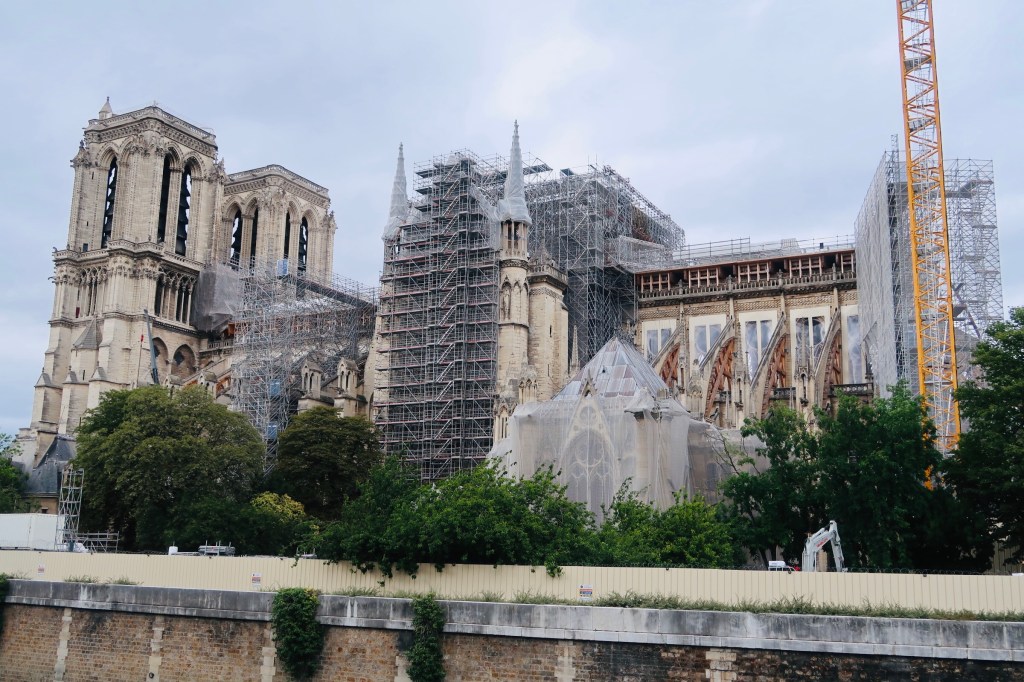
This stop also gave us another glimpse of the Eiffel Tower as well as a smaller version of the Arc de Triumph, the Arc de Triomphe du Carrousel.  From there we decided to walk over the Notre Dame. I will say, obviously, we didn’t get to go inside. However, it was still important to me to see it as this is a historic moment for the cathedral. 

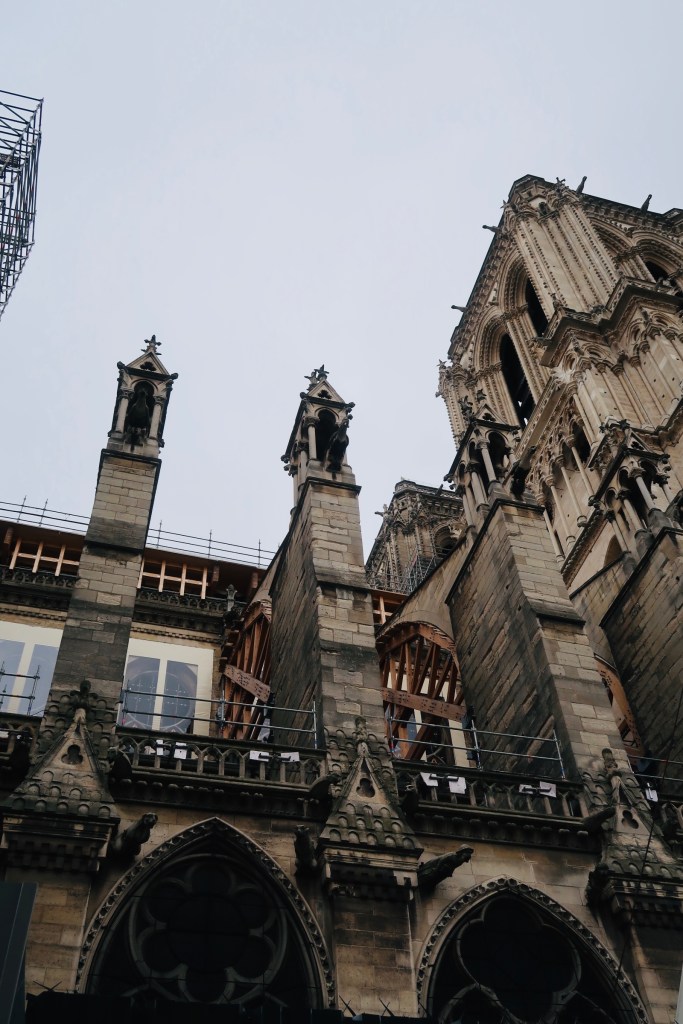
The Notre Dame de Paris is a cathedral dating back to construction in the 12th century. It has gone through quite the long and storied history, but has only been desecrated once in the 1790’s during the French Revolution. One of the early restorations projects occurred in the 1800’s shortly after the Hunchback of Notre Dame was published. It was cleaned of soot and grim from the world wars in the 1960’s and then again in the 1990’s. During the most recent restoration in 2019 the roof caught fire and burned for 15-16 hours causing major damage. The Notre Dame is the Archdiocese of Paris, has an honorary title of minor basilica, and is the most visited monument in Paris.

When we visited we could see not only where the destruction occurred, but you are also able to see quite a lot of the restoration/rebuilding part of it. It’s almost like watching a surgery in action as you can see inside a lot of the vaulting and wooden roofing. The fencing all around the Cathedral itself depicts the fire, the damage (both internal and external), plans for rebuilding and what the rebuild looks like. So, even though we weren’t able to go in and revel in the beauty, I still felt like it was incredible to see. 

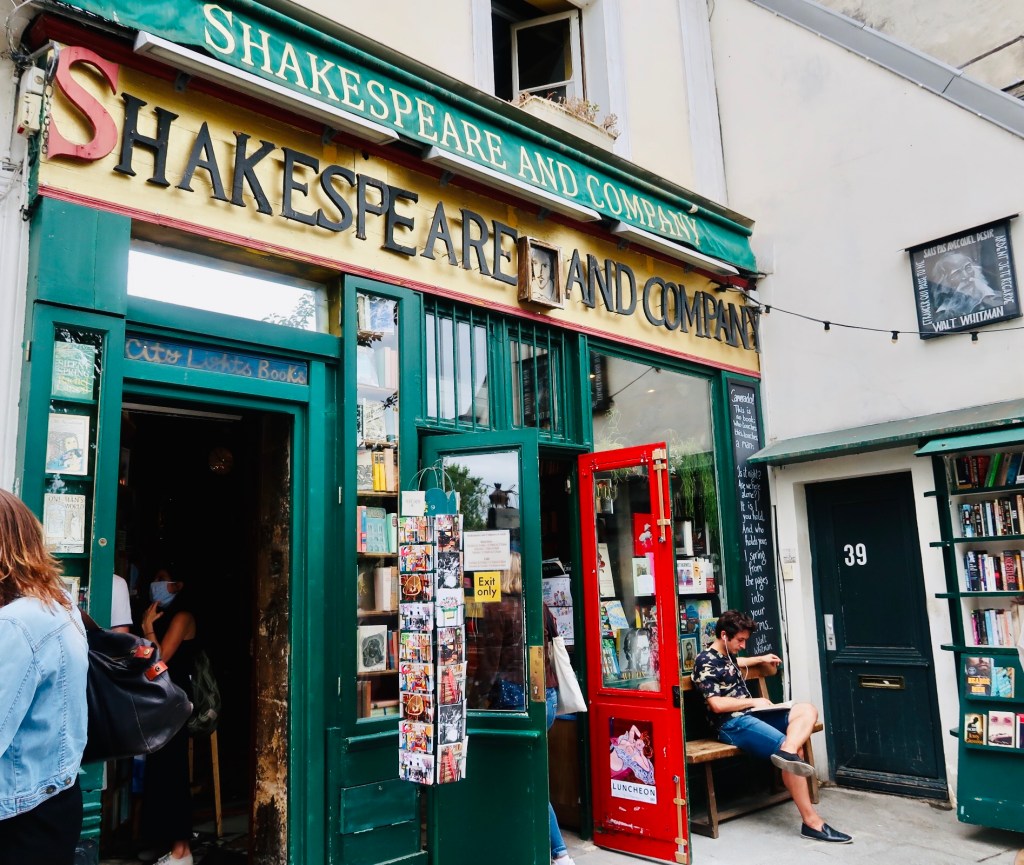
After the cathedral, we walked across the river to go to Shakespeare and Company. If you are a book lover (and a traveler) you probably have heard of Shakespeare and Company in some form.

It is an English bookstore on the Left Bank of Paris, right across from the Notre Dame. Opened in 1951 its location originally was home to a monastery. In 1964 the owner, George Whitman changed the name to Shakespeare and Company (on the 400th anniversary of Shakespeare’s birth) after another bookseller that he admired, Sylvia Beach- owner of the original Shakespeare and Company. Not only is the store and incredible independent bookstore (which you can shop online at HERE), but it is also a community. Tens of Thousands (the website quotes 30,000, but I’m sure it’s grown in size) of writers and artists have stayed in the shop and worked. Called Tumbleweeds, they are asked to do several simple things: read one book a day, help out in the shop, and write a one-page autobiography. These are collected and then placed in the shops’ archive. These days the shop has grown from its humble beginnings and hosts the Paris Literary Prize, a literary festival, as well as weekly literary events. It was a dream come true to walk through the store, admiring all of the books on the shelves (and buying a few of them…) and just take in the atmosphere. 

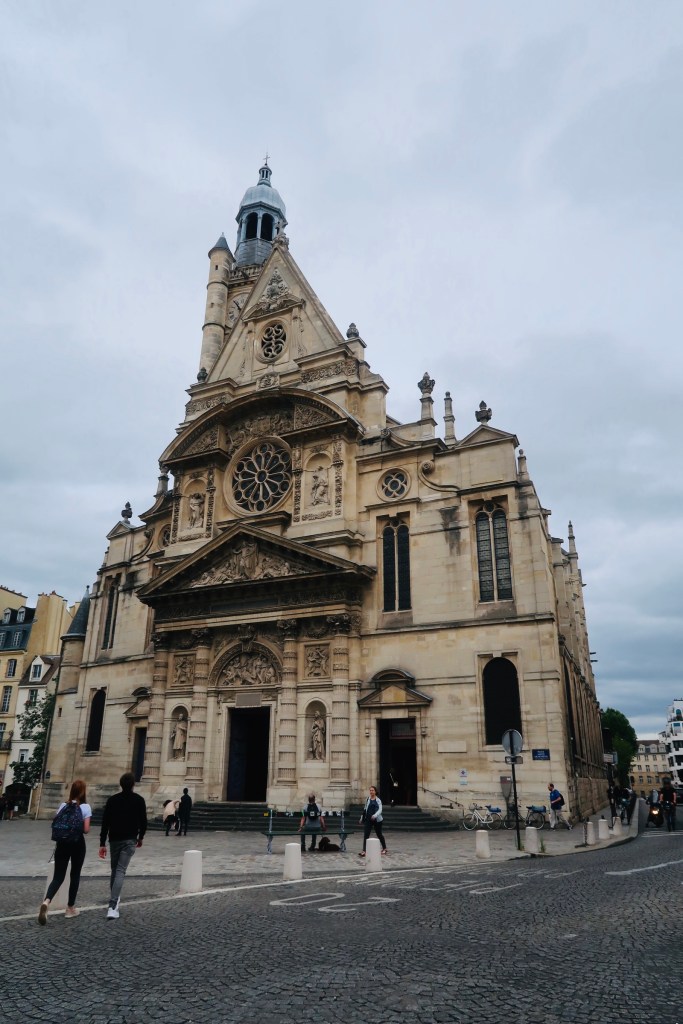
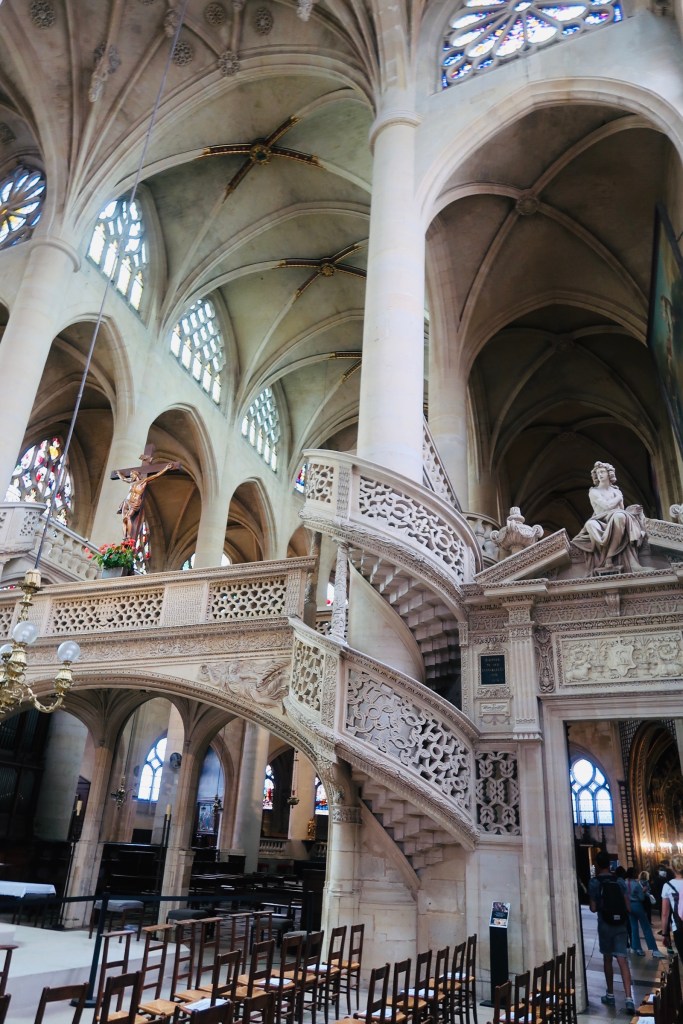
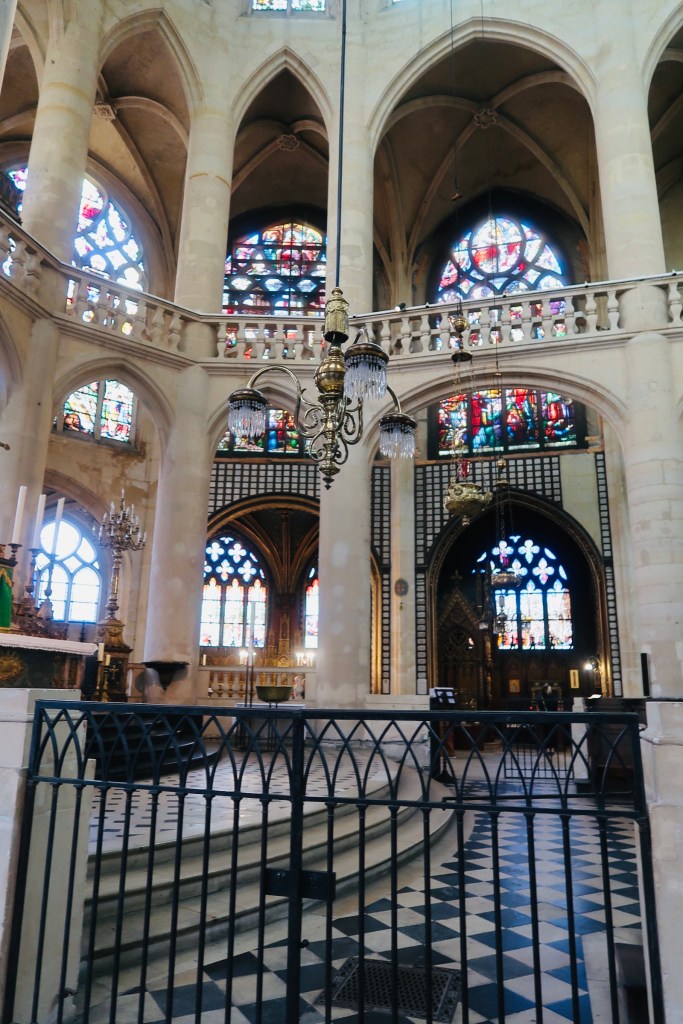
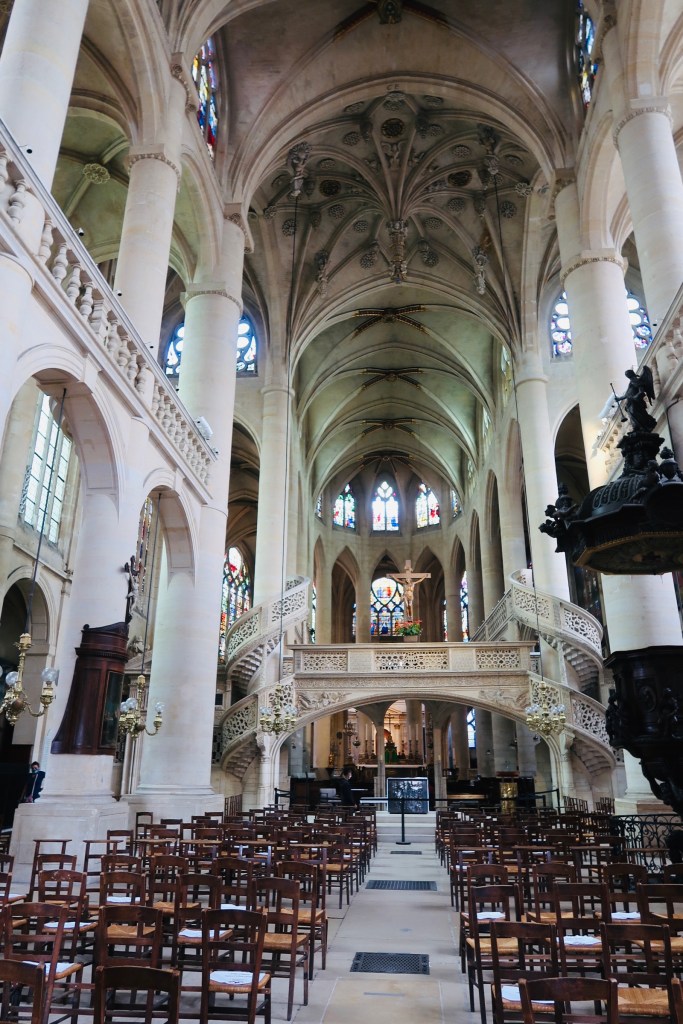
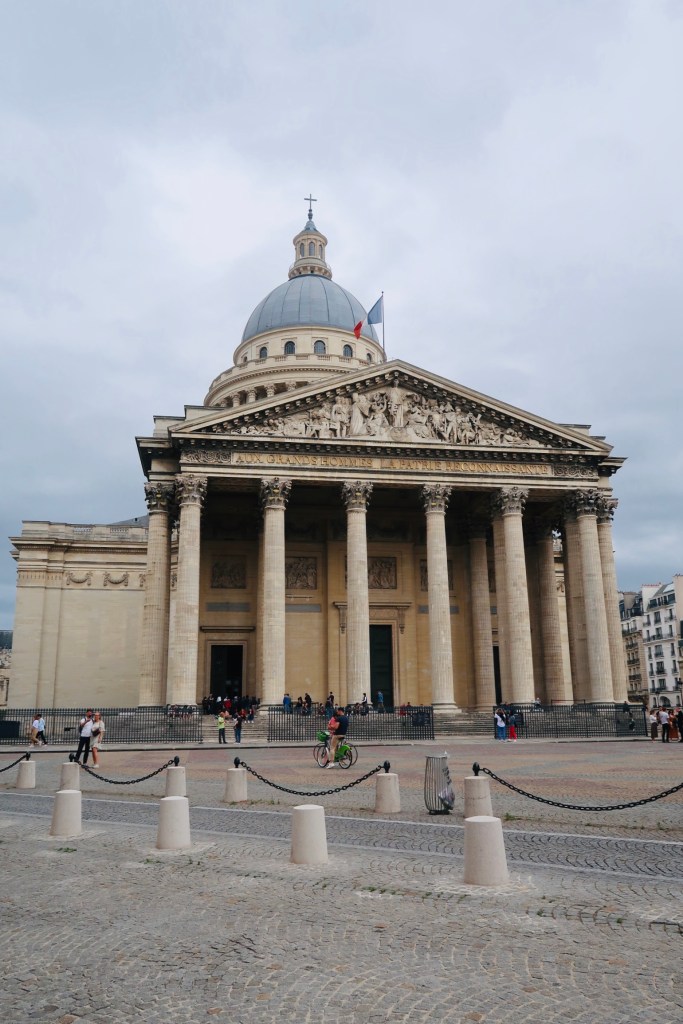
From Shakespeare and Company, we simply wandered the streets of Paris for a little bit longer. We were able to view the Place Sainte-Genevieve, The Pantheon, and the Eglise Sainte-Etienne-du-Mont.

Then it was off to dinner and back to the hotel to rest up for Day 2.  

A Cuppa Cosy Summer Holiday 2020 – Luxembourg City

I’ll start our Summer Holiday posts by saying, our ultimate destination we had in mind with this trip was the Normandy Region of France. My husband is a massive War History person, with an emphasis on World War 2. He had his heart set on visiting the beaches, the cemetery, and a couple other spots and I was interested in seeing them to. As opposed to last summer, this year we decided to stop for multiple nights at each location (a minimum of 2 nights a place). Spreading out our trip a bit more made it much easier for us pace wise (one of my biggest complaints from last year was by the time that we arrived at our last destination, we were so worn out from the pace of the first chunk that while we enjoyed it, it was a different enjoyment). 

So, in keeping this in mind, our first stop on our Summer Holiday was Luxembourg City. Luxembourg is a smaller country bordering France, Germany, and Belgium. It was a good first stop to have as there wasn’t a lot, a lot to do, but it was somewhere that we wanted to see. We visited the capital, Luxembourg City, which also happens to be one of the European Union Capitals. Luxembourg itself has quite a long, hard fought history that has formed it into the independent country it is today. The city of Luxembourg is actually listed as an UNESCO World Heritage site and on the whole, we spent a lovely time there. 

We arrived in the afternoon on Wednesday and checked in to our hotel. We stayed at an Ibis outside of the center of town (actually at the airport), but public transportation was very easy and there was a bus stop right at the hotel. The hotel itself was nice and clean and had plenty of modern amenities. The boys loved staying in the bunk beds and it’s a chain that I wouldn’t mind staying in again (and we did later in the trip).

After getting settled we headed out to start wandering around. We didn’t have any major plans for that first night as we wanted to do the city offered “Wenzel Circular Tour” which would be a full day long event. So, instead of doing much planning, we hopped on a bus and just headed for an overlook. 

Our first “view” of Luxembourg City was Le Chemin de la Corniche, one of the “most beautiful” balconies in Europe (claimed by a Luxembourg writer- so maybe a little bias? Ha-ha).

Between the overlook and the walk leading up to it, you can get a fairly good look at Luxembourg City and its history (you can see the Grund and the Casemates). This spot was built by both the French and the Spanish in the 17th century and, once the fortress was dismantled, was levelled off. I will say- it was a beautiful look out point and it was really nice to see the river cut between the houses and roads.  

We headed away from the balcony as a good amount of the spots over there we were planning on seeing the next day, and headed into the old town area of the city. We made a quick stop into Saint Michael Church.

This is the oldest church in Luxembourg and its location has been mentioned back to the 10th century. This particular church area has, similar to the city itself, had quite a turbulent history with the current standing church dating to the 17th century. You can see from the interior that the church itself is on the smaller side (in comparison to other churches and cathedrals), but still grand and incredible in its own way. You are also able to see areas that showed some of the previous structures that have been destroyed and rebuilt. From the church we wandered towards the main square and towards some dinner. We ate dinner at a restaurant called La Boucherie (Colton’s pick because they had a cow statue…) where we dined on meats and beers. 

After dinner we decided to walk over to the Adolphe Bridge.

One of the more well-known bridges in Luxembourg this is a double deck arch bridge (with the lower suspension bridge opening in 2018 for pedestrian and bike traffic). Originally built in the early (very early) 1900’s this bridge is known to the people as the New Bridge and has stood as a symbol of Luxembourg independence. The lower deck has become a large tourist attraction and we decided to take our chance and walk across (this was before I realized that it was basically just another lower road, rather than any form of “scarier” bridge). It did provide a unique view of some of the lower walkways and was a fun experience. 

Our full day in Luxembourg City was the day that we had planned to see it all. Luxembourg City Tourism offers a free, self-paced and guided walking tour called the Wenzel Circular Walk. It covers the history as well as the modern touches to give you a full picture. It also takes you through some of the nature walks. We knew that Luxembourg City wasn’t big, and we figured this was our best way to “see it all” (as tourist offices tend to be good places to start in these cases). You can start at the tourism office by picking up your guide pamphlet, which is also offered in a kid’s version with activities, and head out on your way. 

***A Quick Interjection here- if you don’t check my Tips & Tricks post coming on Wednesday (which will have A LOT more details about this walking tour and my full thoughts on how best to see the city) I would recommend stopping at the tourist office, but also making sure that you have downloaded into your phone the pamphlet from the website. The tourist office gave out a City Promenade guide, which will guide you to most of the same sites, but the signs and guide can conflict with each other, so having both options is better. The two pamphlets have different stopping points (mostly because I think they are actually different) and they cover different spots.  We ended up following signs at some of the points and putting the pamphlet aside- especially around the casemates area.***

I’m not going to go through every single stop on the tour, but will give a general overview and highlights of some of the big ones. The tour starts in William Square (which is kind of tucked almost “above”/”parallel” the new square that holds more restaurants and other spots) and covers the town hall, statues, and the Grand Ducal Palace. From there we walked through to the Cercle Cite and the other squares, and then over to the Bibliotheque Nationale (The National Library- we found two libraries by happenstance in Luxembourg City) and the Cathedral to the Blessed Virgin. 

Also known as the Cathedral Notre-Dame de Luxembourg this is the largest church (and only Cathedral in the country) in Luxembourg. Dating back to the early 17th century, this was originally a Jesuit church that was then consecrated and elevated to a cathedral in the late 1800’s. Something interesting I learned was that this cathedral had a fire as well (thinking along the lines of Notre Dame in Paris). In the 1980’s (on Good Friday actually) there was a fire in the towers that destroyed the church bells, the west tower collapsed, and the roof was partly damaged. This cathedral was incredible with all of the artwork and stained glass, it was just a special place. 

From the cathedral we stopped at a couple more monuments, but mostly made our way over to the Bock Promontory and Casemates.

At the Promontory you are able to see several things, the original, uncovered foundation walls of the very first stronghold, the original castle bridge,  and the Bock Casemates right below the street. These are the longest casemates of the world and are able to be walked through during certain times of year (unfortunately not for us due to Covid-19). However, we were still able to walk along the wall, the defenses, see the holes in the wall where canons would go, and much more. 

***This is where we started following the signs for Wenzel Walk, as opposed to the City Promenade map that we were given at the Tourist Office. The signs are placed at various spots that allow you to get the most out of the “lower” portion of Luxembourg City.***

Heading downwards, we walked through the Grund Gate and along the wall of the Promontory towards the Wenzel Wall.

We crossed the water at the Stierchen, which was really cool, then walked down the stairs and along the water. This was probably my favorite part of our entire day as it was basically (at this point) a nature walk. It was beautiful. If you would like, you are able to walk through “Neimenster”, which is now just a social cultural center, but has quite the history as an abbey, a prison, and a military hospital. We chose to head up the stairs to see some more of the tower and lookout points from the original fortifications. 

The signs then gently nudge and directly back around towards Adolphe Bridge through a series of walled pathways (original fortifications) before dropping you at the base of the Bridge. 

And that pretty much concluded both our walking tour of Luxembourg City. It also concluded our time in Luxembourg as we ate some dinner, headed back to the hotel to get ready to leave early the next day. Which concludes this first post of our Summer Holiday.  

All the Castles – Germany Edition!

While we still are in a “safer at home” state, the world is slowly starting to open back up again (in fact, while finalizing some of my research for this post I’ve learned that Lichtenstein is in fact open with restrictions!). I’m still over here dreaming about all of the places we can visit and the countries we plan on going to over the next bit of 2020 (once the borders open of course), but I figured today I would do a fun little round up on the blog and start talking about some of the castles we’ve been to.

In compiling this list, I’ve realized that we’ve been to more castles than I had originally realized, so, as the title suggests, this will be full construction German Castles. I will do a separate post for the United Kingdom (which will include palaces as well!), other European Countries, as well as the ruins that we’ve explored. I will also include at the end of each blog post any Castles that are still on our “to go to” list for each region (so at the end of this post I’ll have a list of the castles I would still like to go to in Germany). Once we go to a few more, I’ll do another round up of those as well.

As always, I’ll link to full blog posts where applicable, but I am going to include pictures, a little history, and my own thoughts as we go along.

It seems like people who go to castles fall into two categories, the “you’ve been to one you’ve been to them all” or “they are all different and we should see them all”. If anything, I fall into that second category as not only do I LOVE castles and see differences in each one, but I also LOVE the history of each castle. In most cases these houses are beyond our comprehension in terms of age and what actually went into the planning and construction of these castles is incredible (and yes, some have a dark history as well). I’m just a bit of a history nerd over it all.

So, with all of that blabbering out of the way, let’s get into the castles…

Hohenschwangau Castle (BLOG POST, MORE INFORMATION)

7045257599026111161_IMG_3112

We are going to start our post with the little sister to Neuschwanstein, Hohenschwangau. Nestled in the Alps at the German Austrian border, this castle is absolutely stunning. It is first mentioned in the 12th Century and was owned by the Knights of Schwangau until the 16th century. Eventually in the early 19th century King Maximillian took ownership, and had it rebuilt per its original plans. It was used by the royal family as a summer and hunting residence up until King Ludwig II decided to build his private residence of Neuschwanstein.

Hohenschwangau is a beautiful castle to see. It’s one that I feel like sometimes gets a bit neglected with Neuschwanstein being right next to it, but it is gorgeous, mixing the perfect location with the perfect interiors. In fact, you actually get to see more of the interior of Hohenschwangau than you get to of Neuschwanstein. The gardens have some stunning views of the lakes and alps and the castle itself has a fuller story to tell (you’ll see why when you read on). I actually initially ranked Hohenschwangau higher on my list of castles because of this.

Neuschwanstein Castle (BLOG POST, MORE INFORMATION)

-8329587099912118466_IMG_3378

Ah, one of the most famous castles. The inspiration for Disney Castles. The most picturesque of all the castles, Neuschwanstein. It’s only when you learn the history of the castle and its King that it becomes a bit different looking. Neuschwanstein Castle was built for King Ludwig II as a private residence; a refuge from the public. It was intended as a sort of rebuild of Hohenschwangau, but bigger and better. The construction began in 1868 with completion in 1892. It was at the forefront of technology both in the construction of the castle and the methods used, to the interior of the castle. The large windows were unusual for the time as was the heating and serving methods within the castle. However, King Ludwig only spent 11 nights in his dream castle before his death (this is an interesting story- it was claimed that he had gone mad and he was found drowned alongside his psychiatrist. There are different stories claiming whether he was or was not mad, what role his mistress played in the entire affair, and how he actually died).

As picturesque as Neuschwanstein is (and IT IS picturesque), I found it to be a bit…dark and small when compared to Hohenschwangua. This could be because you don’t see nearly as much of the castle (part of this was due to the reconstruction that was going on while we were there). It wasn’t my favorite, even though I still absolutely loved it. It was a good look see for the pictures and views. Looking back now, knowing the full history of the castle it definitely holds a little bit more of an air of mystery and intrigue.

Hohenzollern Castle (BLOG POST, MORE INFORMATION)

IMG_0003 3

At this time, I think this is my favorite German Castle. It is just…foreboding but quaint, set high on a hilltop with stunning views and yet so warm and home-y. It also has quite the history and, unlike the above two, was never built to be a residence. First mentioned directly in 1267, this is the ancestral seat of the Prussian Royal House and of the Hohenzollern Princes. It was rebuilt in the mid 15th century to become a bigger/better house and then became a fortress in the 17th century during the 30 Years War. After the war it fell into a bit of disrepair until the 19th century when Frederik of Prussia decided to reconstruct and turn it into a bit of a showpiece for the public. What we currently see of Hohenzollern dates back to 1850 and is considered an acclaimed masterpiece of military architecture. The only time that the castle was used as an actual temporary residence was during World War II.

I know I’ve already said it, but Hohenzollern is my favorite as it stands now. I loved our time wandering the battlements, walking the entry gate, seeing the various artworks detailing Prussian history (placed starting in the 1950s), and the courtyard…the courtyard made me swoon. This castle just had it all that you would want in a castle. In fact, I would like to go back for a Christmas Market (or really any market) if possible before our time in Europe is done.

Lichtenstein Castle (BLOG POST, MORE INFORMATION)

IMG_0295

Lichtenstein Castle is one of those castles that you just marvel at from start to finish. It seems to defy the rules of gravity, of building, of everything and is just a place to be experienced. First built in 1100 it went through a very destructive history of being built and destroyed several times. Despite that cycle, it withstood every attack and was considered the best fortified fortress of the middle ages (which it doesn’t take a military strategist to see why). In the second half of the 16th century it lost its ducal seat (and therefore lost its “castle” status) and started to deteriorate. In 1802 it was dismantled entirely to the bones and turned into a hunting lodge. Finally, in 1840 it was rebuilt for the final time into the castle we see today. Count Wilhelm was inspired by a novel called Lichtenstein by Wilhelm Hauffhe and decided to build a German Medieval Knights Castle. It is now privately owned and certain areas of the castle and courtyard are available for rental for performances or weddings!

Lichtenstein is just one of those castles you have to see. Perched right on the edge of a cliff you not only get the thrill from just feeling on the edge of the world, but this history of building, tearing down, and rebuilding is just incredible. It also has the only visible damage from World War 2 that we saw in all the castles (a bullet hole in a mirror that was fired during the war). What made our particular trip a bit cooler (in my opinion) was that it was rainy and foggy, so you could not only get the eerie feeling of being up on the mountains and this incredible castle looming over everything, but also just get a real taste of the history. However, as someone who is afraid of heights (or rather falling from a height), being there was a bit terrifying as well (walking across that bridge?!).

I want to do one Honorable mention of Dresden Castle (BLOG POST, MORE INFORMATION). We haven’t actually been properly to the castle itself, however we have walked the Procession of Princes, seen/walked the Zwinger Palace Courtyards, and seen the exterior of the castle.

The Dresden Castle was originally built around the beginning of the 13th century and (after a fire and rebuild in the early 18th century) has been home to Electors, Kings of Saxony, and Kings of Poland. It was fully destroyed in the bombing of Dresden in February of 1945 and the restoration didn’t start until the 1960’s. Overall, Dresden is a really neat city with a lot to see, learn, and explore, BUT the most incredible part of the city is that it was almost fully destroyed in that bombing and yet you wouldn’t know it by visiting it now. Save for the memorials and museums explaining what happened, the city itself doesn’t show the destruction that occurred in its architecture or buildings.

Finally, a list of the castles that we would still like to visit while we are here:

Burg Eltz

Heidelberg Castle

Schwerin Castle

Cochem Imperial Castle

Nuremberg Imperial Castle

I hope you enjoyed this first Castle Round Up! What was your favorite? Which would you most like to visit?

Two of My Favorite Places

Today I am going to continue on with my daydreaming of travel posts and talk about a couple of places that are very near and dear to my heart.

Untitled Design 49

You know when you go somewhere, or experience something, and it just sits on your heart? It awakens your soul and just changes you? It may take you by surprise or be something you expect, but it changes you irrevocably. Today I am talking about two places we’ve traveled to that have changed me. They resonated in my soul and I haven’t been able to stop thinking about them. One place is one that I knew would feel this way, but the other took me by surprise in a way.

Of course, I’ll link the applicable blog posts in each spot so that you can take a look to see exactly where we went and what we did.

The Highlands, Scotland (INVERNESS, EDINBURGH)

Scotland was a place that I had been dreaming of visiting for as long as I could remember. I had actually been as a baby (as my mother continues to remind me of), but I didn’t remember anything from that trip. There is so much I love about Scotland, that I had loved about it before even stepping foot in the country. The people, the culture, the history, the weather, the landscape; Scotland has so much to offer. But getting to experience that firsthand? It just solidified that this was a place my heart called to and yearns for.

While in Scotland, we divided our time between the southern portion and Edinburgh, and the far Northern reaches of the Highlands and Inverness. I loved both places, but the Highlands is just where my soul lives and breathes. Something about being up in the mountains, in the valleys, in the raw beauty of the wilderness just really lit something deep inside me. Much of our time in Scotland just seems like a blur of contentment. It was funny because in the Highlands we saw a couple of spots (Culloden & Loch Ness being the two big ones), but a good amount of our time was just spent in the little barn cabin we stayed up, watching the storms battle in and out, the grass wave in the wind, and feeling that sense of peace around us. We didn’t have a lot of cellphone service, TV and Internet were limited, and it was incredible.

There are few places that I really want to get back to before our time in Europe comes to an end (and by that I mean, will fight tooth and nail to go back) and this is one of those, possibly the highest on the list. To maybe make it clearer, if I could live anywhere, anywhere in the world, I would choose to live in one of the small villages in the Highlands of Scotland (actually a town similar to where we stayed at on this trip, up in the Black Isle’s/Fortrose area).

Rome, Italy (EARLY DAYS, ANCIENT ROME, VATICAN, LAST DAYS)

I’ve always loved the idea of Italy. Italian food, Italian culture, the history of the country; Italy always just seemed like a warm, welcoming home for the weary traveler. Just like with Scotland, I had dreamed of visiting Italy. Dreamed of driving along the Tuscan hills, seeing the beauty of the Amalfi Coast, hearing the history of Rome and Pompeii. I expected to fall in love. What I didn’t expect was that now, nearly 4 months after our first trip to Italy, that I would still be dreaming, reminiscing, on our time walking through the streets of Rome. But, this trip has had a longer lasting impact on me than just that. It has called me back to some aspects of my life that I had turned away from and it has reignited a love and passion that I had only been nurturing, not following.

There are so many things to talk about with Rome, but I think the biggest thing that has just stayed with me is the history. You are walking amongst buildings and places that are beyond our comprehension of age. Buildings that are beyond our comprehension of size. People who had larger than life dreams and ideas and made them happen. I mean, to walk the streets of Ancient Rome, the same paths that the warriors would take, to see the tunnels of the Coliseum, the baths of Caracalla, The Pantheon, it’s just…breathtaking. There were so many moments where I just didn’t have the words to describe how I was feeling. I had never felt smaller and yet so filled with knowledge.

A couple more things that I didn’t realize would affect me as much as they did…

The people. Rome is FULL OF PEOPLE. Both locals and tourists and we didn’t have one negative moment while we were there. Obviously with the number of tourists it can be hard to see things at times (The Trevi Fountain is insane), but overall it was just one of the warmest most welcoming places we’ve visited. It was so full of life, of passion, of love. The food was incredible as well (which, as a lifelong Italian food eater I expected) and we definitely indulged during our week there. Finally, something else about Rome that I didn’t know I was going to be so affected by was the religion. I’ll be touching more on this in an upcoming blog post, but I came back to some of my roots while we were there and it’s something that has been sticking with me.

So, two very different spots that we’ve traveled to, but two very soul changing experiences. I love that we are getting the chance to experience all that we can while we are here, and I am looking forward to the day that we do get to travel to far off places again.

A Cuppa Cosy Winter Holiday 2019 – Rome The Final Days

And so, we come to our final “what we did” post of our Winter Holiday. Our trip was jam packed from start to finish, although there was a definite difference to the second half of our trip. Vatican City was a nice way to “break up” the week we were there as that trip was about halfway through. We’d covered most of the Tourist Spots in our first few days in Rome (read that HERE), we covered Vatican City at that halfway mark (you can read that HERE), then Ancient Rome (one of my absolute FAVORITES read HERE)and now all we had left was New Year’s Day and then some.

So, a quick brief breakdown, Day 1 was spent at Castel Sant’Angelo, checking into our Bed & Breakfast, The Spanish Steps and The Trevi Fountain. Day 2 was spent at Piazza Navona, The Pantheon, and Piazza del Popolo. Day 3 was spent at Santa Maria in Aracoeli, The Alter of the Fatherland, and Quirinale Palace. Each day also consisted of a lot of just walking the streets of Rome- you see so much more by just walking around and you get such a great feel of the place. Day 4 was spent at Vatican City walking the halls of Vatican Museum, the Sistine Chapel, and St. Peter’s Basilica. Day 5 was spent going back in time to Ancient Rome and discovering what life was like in a vastly different era. So, that brings us to New Year’s Day and Day 6 of our trip…

A Cuppa Cosy Winter Holiday - The Final Days

Day 6: New Year’s Day

Oh, New Years in Europe. New Years in Europe is like nothing I’ve experienced before. I’ll be honest, I wasn’t that big of a New Years party goer, but saw the Times Square parties on TV and have heard enough to stories to have what I think is a good idea and I can tell you… the United States doesn’t have much on Europe. And most of the celebrations continue through to the next day. The streets on New Year’s Day are full of celebration, most places are closed, and the atmosphere just feels fun!

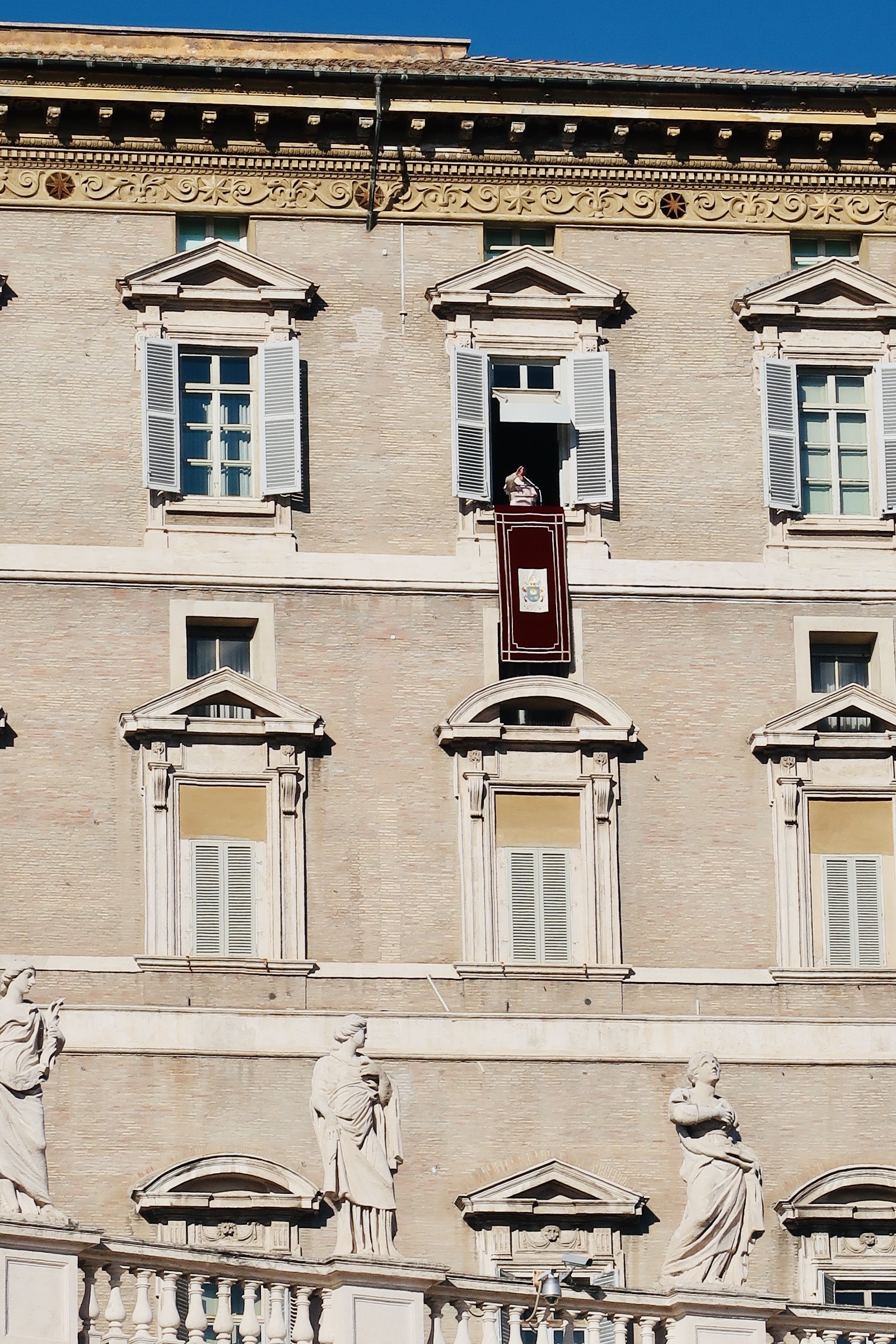
We started off the New Year with a breakfast at The Loft, where we had previously eaten. Ate some delicious food, drank some delicious coffee, and then headed out to a very exciting event. We were able to attend the Pope’s New Years Day Prayer. IMG_5054Now, the prayer is actually the Angelus and he will also give a reflection on the Gospel of the day, and on the day that we were there, some additional commentary. Here’s a secret, you can go to this most Sunday’s at noon and participate in this very special moment. I have included a link to the commentary that he gave on New Year’s Day (HERE), and you can view his “schedule” HERE to check if he will be doing the prayer while you are there (if this is something you are interested in). The entire prayer and comments lasts about 15-20 minutes and he speaks into a microphone from the window to the right of St. Peter’s Basilica. It was an incredible moment, so moving and you could feel everyone around you just being swept away by his words and his speaking. It’s something to be experienced, whether you are religious or not.
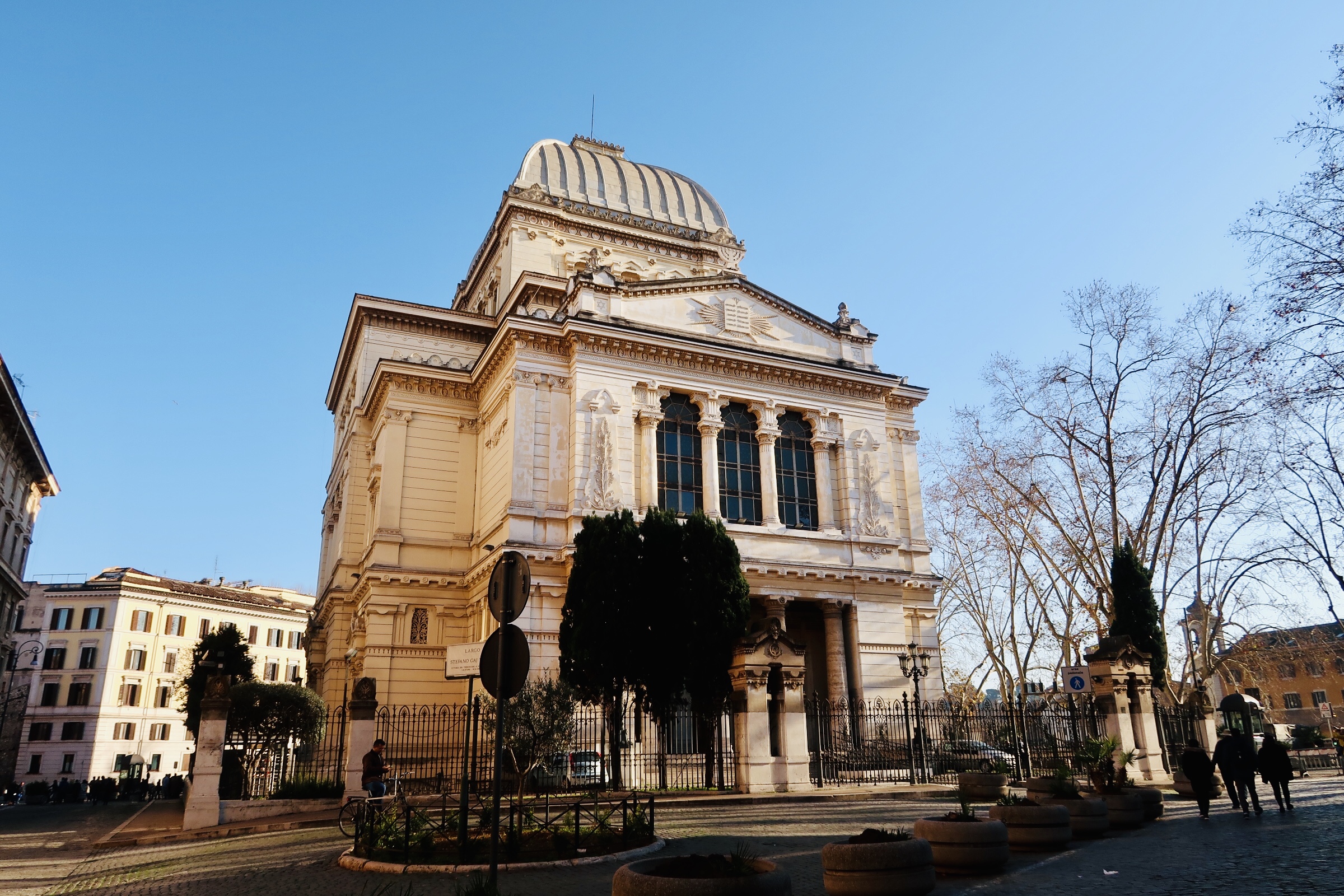
After the address we decided to further our religious experiences and head over to the Great Synagogue of Rome.

IMG_5064

This Jewish Quarter is one of the oldest, most intact in the world and the Roman Synagogue and Museum reflect both the community and the history. There has been a Jewish presence in Rome since at least the 2nd Century B.C and the museum, located in the basement of the synagogue, displays the history of the community, several artifacts through the history, and is a wealth of information about the traditions and rights of passage of the religion. For me personally, having grown up in a Jewish family, I found it really welcoming and heartwarming to see so much of what I know in such a positive, beautiful light. It was neat to learn some facts about the history of the Jews in Rome and how they were saved during World War 2. Before we get into that, first you need to know that Rome is the ONLY city in Europe to never expel it’s Jews. Did it try to convert them? Yes, there was even a Jewish Ghetto in the 16th century, but it never expelled them (and the Ghetto was abolished in the 19th century- the last in Europe to do so). When the Germans occupied Rome in 1943 the Jewish Community was told it could be saved by giving 50kg of gold. The was given to the Germans and included contributions by non-Jews as well, but the agreement never ended up being upheld. About 2000 Jews were still sent to concentration camps.

Admission to the Museum includes admission and a short tour of the Synagogue.

The Synagogue itself is incredible, dating back to the 19th century and  featuring several different styles which you can see simply by looking from the ground up to the ceiling. You can see the various cultural and design elements (including Spanish, Egyptian, & Roman) and it feels like a good representation of what the community is now. After all, it is an eclectic meld of a wide variety of people from all around Europe. It also features a square aluminum dome which causes it to stand out amongst the other dome’s and, as such, is easily identifiable.  The Synagogue has been visited by 3 different Pope’s, the first of which being a surprise visit in the 1980’s (and marked the first visit since the early history of the Catholic Church).

Finally, we spent our first night of 2020 watching the Sunset over the Roman Forum.

I’ve said it before and I’ll probably say it for a really long time, Roman Sunsets are incredible. I’ve always just really been a Sunrise fan, but this trip in particular reminded me just how beautiful a sunset can be.

Day 7:

Our final day in Rome was one that we weren’t really sure what to do with. We had almost the entire day to explore and weren’t quite sure what else to really do. Most of our “big ticket” items that we wanted to see we had seen, so we decided to just jump on the subway, pick a random spot and explore from there. Lucky for us the “stars aligned” and we wound up at Villa Borghese Gardens.

Listed as the third largest public park in the city, it’s a little haven of beauty in the city. Dating back to the early 17th century, when Cardinal Borghese decided to turn his vineyard into an extensive set of gardens. Within the gardens there is The Temple of Aesculapius, which has a beautiful lake around it and a Piazza that has been turned into a dog park, but was previously used as an equestrian track. There is also the famous Galleria Borghese (that you need to purchase tickets in advance to see) and its garden, the Villa Medici, which now houses a French Academy, a replica of the Globe Theatre, and a Zoo.

We wandered through the Gardens, which was a really nice little nature break, saw the Water Clock and Temple, stopped by the Borghese Gallery, and then headed to the Zoo. This is the Exposition Zoo, which features minimal caging and contains a little museum. I was really surprised by this zoo, the number of animals it contained, and how well cared for they were. Some of the things that I am normally concerned with in terms of zoo’s, were handled well at this particular one. The boys really enjoyed their time there, noting the Elephant, Snakes, and Crocodile as their best and worst animals (the crocodile because it was “scary”).

These couple spots seemed to be the perfect way to end our trip, which worked out well because shortly after our Zoo visit we headed to the train station and made our way back home.

IMG_4773

The entire trip still feels so incredibly surreal and one that I really loved. In my first post, I talked about how we handled this holiday a little bit differently than our Summer one and I can definitely see the benefits to both ways of traveling (the go, go, go vs. take it easy and truly vacationing). We just had such a lovely time and, yet again, a dream trip come true.

I hope that you enjoyed coming along with us! I hope I’ve done it just a little bit of justice for you.

Dresden – An Overnight Trip

The weekend before Christmas we spent a very magical 24 hours in Dresden exploring Christmas Markets and landmarks alike. You can see my post on the Christmas Markets HERE, but today I am going to talk about some of the sights and my favorites about Dresden.

Untitled Design 28

Dresden is the state capital of Saxony and it is the 12th most populated city in Germany, the second largest city on the River Elbe. The city itself is relatively “recent” in comparison to the history of Germany, dating to around the 12th century. It has served as the seat of the state since it’s settlement and has also always been a center of culture, education, and politics in Germany. The most incredible thing about Dresden is that the entire city center was destroyed, along with 25,000 people killed, during the bombing of the city by Americans and British towards the end of World War 2. Certain parts of the inner city were completely reconstructed after the war including the Zwinger (the royal castle/palace).

I will be completely honest- a lot of my time in Dresden was taken up by either Christmas Markets or in awe of the architecture and landscape of the city itself. I’m looking back through my pictures and thinking “oh I loved that spot” and “that was pretty cool”, but not remember a lot of the details about the trip itself. Partially my fault for waiting this long to actually write this post (it’s now after New Year’s), but also Dresden was the second city that I really just let my “amateur photographer” heart fly free. I just took pictures (so many pictures) and wandered around. There wasn’t a lot of “specifics” to our trip. So, forgive me if this post is a little vague or different from previous posts. I’m still figuring out how to merge a couple different passions to put together the best posts that I can for you.

IMG_3300

So, since this post has already derailed into something very different than I anticipated, I’m just going to continue that trend…

While in Dresden we went square hopping pretty much. Each square has a “focal point” of sorts, whether it’s a palace, a statue, or a church. Each square also had a Christmas market, so we would start at the Christmas Market and then walk in to whatever the nearby attractions are. In our minds we had two or three “must see’s” on our list, but otherwise we just wandered around.

IMG_3137The first square is the main square and right off the main square is the Church of the Cross. This is actually the main church and the seat of the Evangelical-Lutheran Church in Saxony. It is also the largest church building in the state. The church itself has been through quite the history, but its current state retains the look of the church post Dresden bombing. It was decided to keep it in that state, rather than refurbish it to prewar designs.


Speaking of churches, we also went to The Catholic Church of the Royal Court of Saxony (also known as Dresden Cathedral/Katholische Hofkirche) and the Church of Our Lady (also known as Frauenkirche).

These were both absolutely incredible churches in full painted and designed glory. An interesting fact about Dresden (back in the day)- at the time the rulers were Catholic, BUT most of the residents were actually protestant. The Catholic Church of the Royal Court of Saxony is one of the foremost landmarks of Dresden. In fact, I can almost guarantee you’ve seen a picture of it, it’s incredible. The original church actually had a private high-level walkway from the Dresden Castle to the church for the rulers and other high-ranking officials to use. Of course, like much of Dresden, the bombing heavily damaged the church and it was fully restored following the reunification (including the private walkway between the castle and the church). The church does not only hold mass and services, but also (like many of the churches in Dresden) concerts throughout the year. In a slightly different tone, the Church of Our Lady was left in ruins after the bombing of Dresden to serve as a war memorial (for 50 years!). Originally built as a way for Dresden citizens to assert their will (by remaining protestant in the 18th century), the church was not rebuilt until the 1990’s-the early 2000’s.

Something that we had on our list and did see was the Procession of Princes or Furstenzung.

This is a 101-meter-long mural that shows the ruling family as a procession of various riders. It shows the Wettins’ family lineage through the years. Originally painted in the 19th century, it was replaced by porcelain tiles in the early (early- very early) 20th century due to the elements fading the paint. It is now known as the largest porcelain artwork in the world and is absolutely incredible to stand in front of. The members of the family are accompanied by various other “common folk”, scientists, children, and such.

We also managed to make a stop at The Zwinger, which was on our list.

The Zwinger has a long history, but I’ll be completely honest- I don’t quite understand it. So, I’m not going to try and talk about the things that I don’t know about it (as that would be wrong), but my basic understanding was that Augustus the Strong (who was recently made King of Poland and Elector of Saxony) wanted to have something similar to Louis XIV’s Palace of Versailles. It ended up getting changed around several times, halted, and finally completed at a much smaller scale. It was destroyed during the bombing, but was fairly quickly rebuilt (in the grand scheme of the other buildings listing within this post). You can walk the main garden levels, and then up higher in the ramparts. Within the buildings are museums containing artwork, porcelain, and jewelry.

Recommendations:

Honestly I would recommend just walking around Dresden.

Obviously going to the Zwinger, the museums, the Procession of Princes are all great places to start, but really I would recommend just walking around the city. The city (as many in Europe) is divided between “Old Town” and “New Town” by the river and it’s really neat to see both sides. By walking around you’ll see most of everything the city has to offer and then some. I would recommend separating your time by Old Town and New Town (whether you’re doing an overnight or day trip). If you are only going for a single day, I would stay with Old Town.

As for Parking, there are several parking lots within the city, both indoor and outdoor, with reasonable pricing. I would honestly go a bit further to go to one of the outdoor lots as people often times won’t go a little bit further, so there is a higher chance of them having open spots. Once you find a spot, I would just stick with it (some lots have the 24hr tickets) unless where you are staying is across town or you have a large amount of luggage. There is a large Galleria/Mall parking garage, however this is one of the first places that will fill up during the busy/Christmas season, so keep that in mind.

Depending on your travel plans (where you’re coming from, where you’re going, what you want to do), I don’t think that you realistically need more than the 24 hours to really get a good idea of the city. I felt like we got to see everything we wanted to and then some during our time there. You can definitely make it a longer trip, but I didn’t feel like it was super necessary to do so.

Overall we had a lot of fun on our little overnight get away and I really loved Dresden. It has elements similar to Prague, so if you loved Prague, you will probably love Dresden.


Karlovy Vary – A Day Trip

IMG_1651This year we decided to go away for our Thanksgiving Weekend and do a trip to the Czech Republic. We stopped at a total of three locations and I’ll be doing a blog post on each location and a Recommendations/Tips post for Prague. With that little tidbit of business out of the way, let’s get into our first stop!
We spent Thanksgiving Day in a small little town called Karlovy Vary. Karlovy Vary is the most visited spa town in the Czech Republic containing 13 main springs and 300 smaller springs coming from the Teplá River. Charles IV founded the city in the late 1300’s and quickly shared high praises to the “healing powers” of the hot springs. This led to Karlovy Vary becoming incredibly popular and growing in size.

There isn’t a lot to the history of Karlovy Vary as it seems to have stayed out of all the major conflicts and just been a little escape area, so I’ll share some fun facts that I’ve learned…

IMG_1673

Karlovy Vary is home to two funiculars; the Imperial Funicular which is the oldest in Europe and one of the steepest in the Czech Republic and the funicular to Diana’s Tower.

Karlovy Vary is also quite popular in the film industry with several movies having been filmed there OR being the inspiration for backdrops/sets. They also host the Karlovy Vary Film Festival which is one of the oldest film festivals in the world and one of the more popular ones in Europe.

Karlovy Vary also boasts of some famous residents and visitors over the years. Apparently both Beethoven and Goethe visited frequently and would take walks along the colonnades and rivers. Fryderyk Chopin vacationed with his parents in Karlovy Vary (then Karlsbad). Princess Michael of Kent lived there for a time, as well as various sports and fashion persons.

Finally, Karlovy Vary was actually a mostly German Speaking, German populated city UNTIL 1945 when they expelled all the German Residents.

So, with the history bits out of the way, let’s talk about our visit and any tips that I have for YOUR visit.

To start with, we spent about 24 hours or so in Karlovy Vary and I think that that is probably about the perfect amount of time. You can “add it on” to a trip that you are already planning to the Czech Republic (granted it isn’t too far out of your way) and just spend a day or so wandering the streets and seeing the sights. We stayed the night at the Krasna Kralovna Hotel (Hotel Renaissance Krasna Kralovna), which is a very nice hotel right on Stará Louka. I would definitely recommend checking the hotels out on this street as you are right in the main town area and within walking distance to most of the sites.

After checking in, we started off just walking down the streets. The sites that you’ll want to see, including the various bath buildings, the river, and then the churches and statues, will be found just by walking around. We didn’t really have a plan of anything that we HAD TO see (save for one church and a memorial), but more just decided to walk around and see whatever came across our path. I honestly think this is the best approach to a town like Karlovy Vary. In Karlovy Vary specifically there are hiking/walking trails and the funicular, but again, you’ll find those by walking around the town.

The first “site we saw” was the famous Hot Spring. IMG_1674The Hot Spring was the first hot spring to be discovered around the 16th Century. The geyser of the Hot Spring is a natural phenomenon gushing to ~12 meters high and giving ~2,000 liters of mineral water in a minute. It was absolutely incredible to see, and it is almost completely continuous day and night.

We also got to see two churches while we were in Karlovy Vary, the first being the Church of St. Mary Magdalene. This is a catholic church originally dating back to the 14th Century. The current church on sight dates back to the 1730’s. The second church we got to see was the Orthodox Church of Saint Peter and Paul. This is an incredible Russian Orthodox church (modeled after a church near Moscow- very obviously) that dates back to the very {very} late 1800’s. This particular church was paid for by money contributed from the wealthy and aristocratic Serbian and Russian patrons.

We were able to stop at both the Mill and Market Colonnade’s. The Market Colonnade was originally a wooden colonnade and is in the location of the oldest baths in Karlovy Vary. The present-day Colonnade dates back to the late 1800’s and is the largest colonnade in the city. It seeps five of the mineral springs and is where we decided to test out the waters healing powers.

IMG_1728We purchased a little souvenir cup and decided to go for a cup from the Libuse Spring. This spring was discovered while they were rebuilding the colonnade in the 1800’s. I will say, I don’t know that the water is healing, but it pretty much just tastes like mineral water. It was a fun little bit and the souvenir cup leads to a good memory.

We took a little mid-day break for tea/coffee and cakes at Café Franz Joseph and enjoyed a little rest with some delicious treats.

We walked along the main streets a little more before heading up the hill a little way. We made an end of the day stop at the Jean De Carro Park. This spot gave a beautiful overlook of the city (although there are several spots to do this!). IMG_1773This park was founded in the late 1850’s and contains a little fun legend. There is a sculpture of a cat sitting atop a column in the lower portion of the park. Baron Lutzow used this cat sculpture to protest the location of another statue in a neighboring park. The cat is facing away from the town hall as a way of highlighting the “good for nothing” nature of the councilors work.

We stopped for dinner at a charming little restaurant called Restaurace U KŘÍŽOVNÍKŮ near the Church of St. Mary Magdalene. The food was delicious, and they had a good variety of Czech options to choose from.

And that was our day in Karlovy Vary! I think if I had to do ONE more thing, I would have done the funicular up to Diana’s Tower. This was one of the things that was on my maybe list, but I kind of figured we wouldn’t be able to get to it due to other circumstances. So, if I had to share something that I wanted to do and think you should do, it would be that. I would also recommend doing the hike on the far side of town as there are quite a bit of rotunda look out points to see the sheer beauty of the area.

We had a lot of fun on our little day trip to Karlovy Vary and I would say that if it fits into your itinerary, you should totally go! It’s a great little town to just wander through and take in the sights (and waters ha-ha)!