
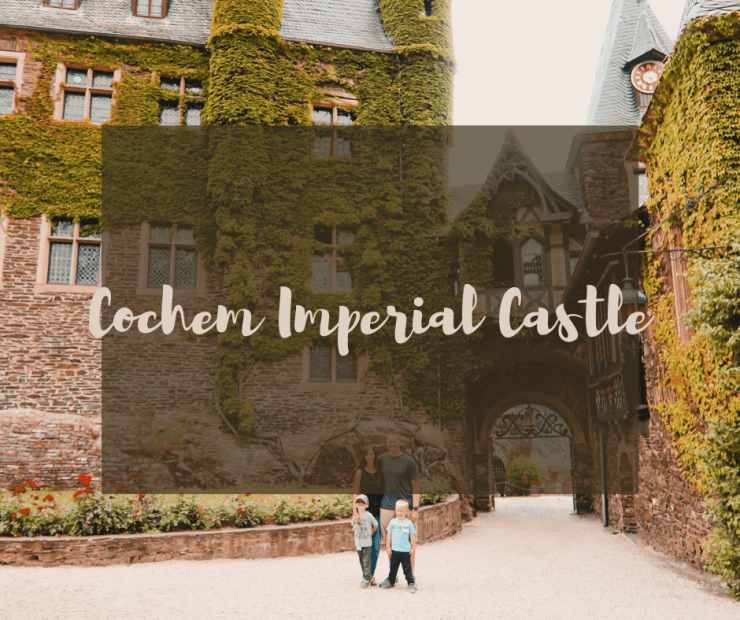
We went to Cochem Imperial Castle as part of our time in Cochem on our Summer Holiday (COCHEM). This was the first place we went when we arrived in Cochem and while it may not be one of the top castles, it was so cool to explore its courtyards and rooms and hear its extensive history.
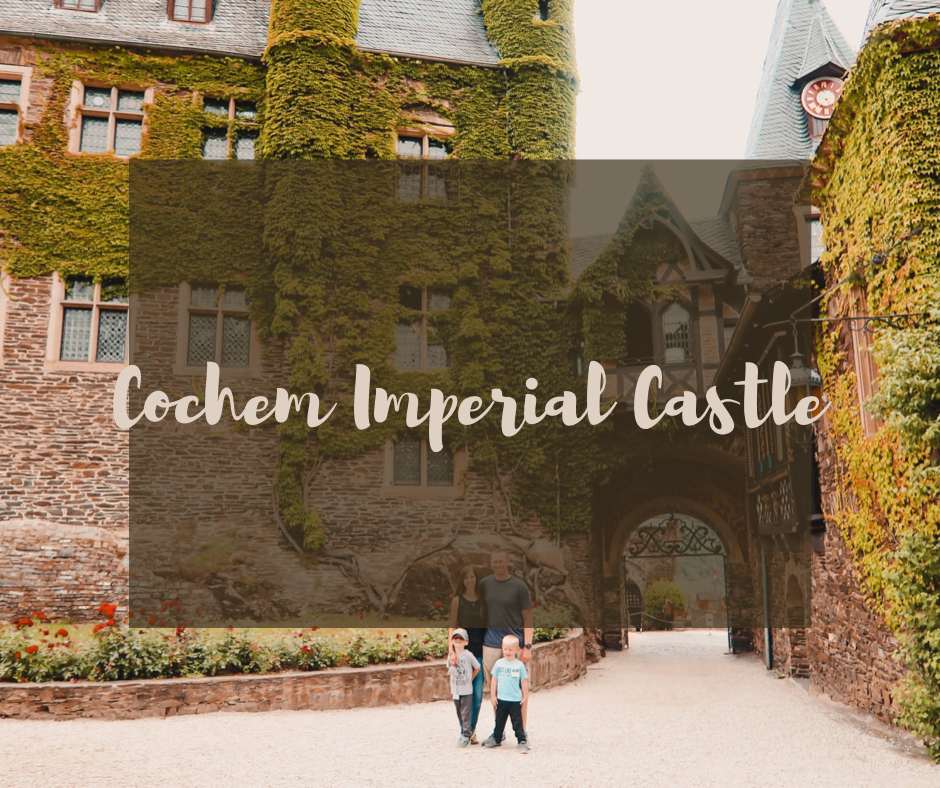
The first written mention of Reichsburg Cochem is in 1051, however it is assumed that the castle was built around 1000. Built by Palatinate Count Ezzo, the castle was given to count Henry I in 1051 ( by Richeza, former Queen of Poland). In the 12th century King Konrad III took control of the region and castle, turning it into an imperial fiefdom. The castle then became an imperial castle. It was pawned to Austria to pay for a coronation (King Adolf of Nassau), but the debt was never able to be collected. During the Nine Years War, Louis XIV invaded Cochem and the Imperial Castle before destroying it by fire (and then an explosion which almost took out the entire town of Cochem). The ruined castle wasn’t touched again until it was purchased in 1868 by Louis Frederic Jacques Ravene who rebuilt the castle into the Neo Gothic style you see today. The castle was transferred to Cochem’s ownership in 1978 and is now able to be toured by the general public.


The best part of this castle is, hands down, the view. Situated high above the Moselle River, you are able to see Cochem, the river, the wineries, and much more. It is a stunning view from almost anywhere within the castle. The courtyard is incredible too, with a well in the center as it would have been in early times to collect rainwater. You are also able to see the round tower, which somehow survived the destruction by Louis XIV. It was a guard tower during the castle’s time and if you follow it around, you are able to see a large mosaic of St. Christopher.


I know this wasn’t as long as my normal Castle Post, but this is a pretty straightforward castle. It is definitely one I recommend touring if you are in Cochem as it is really interesting to see how they would have lived in the castle, as well as all of the defensive measures that were set up.














 To start with, we wore our German best, our Dirndl and Lederhosen. We had gone shopping about a month back to pick out our outfits to wear not only to Oktoberfest, but to any festival that we attend. There is always a chance to wear them at festivals and picking out a good selection that fitted us properly was important. We were fitted and put together in our best by Moser and I would highly recommend them if you are up for paying a little extra to get “the real deal”.
 Getting to Oktoberfest is super easy by train, about a 2-hour ride for us, and the train ride is already full of the brimming excitement. Having a drink or two on the train ride is completely normal during Oktoberfest and most people you see will actually have a beer in their hand while chatting with their friends. We sat back, relaxed and enjoyed the ride over.




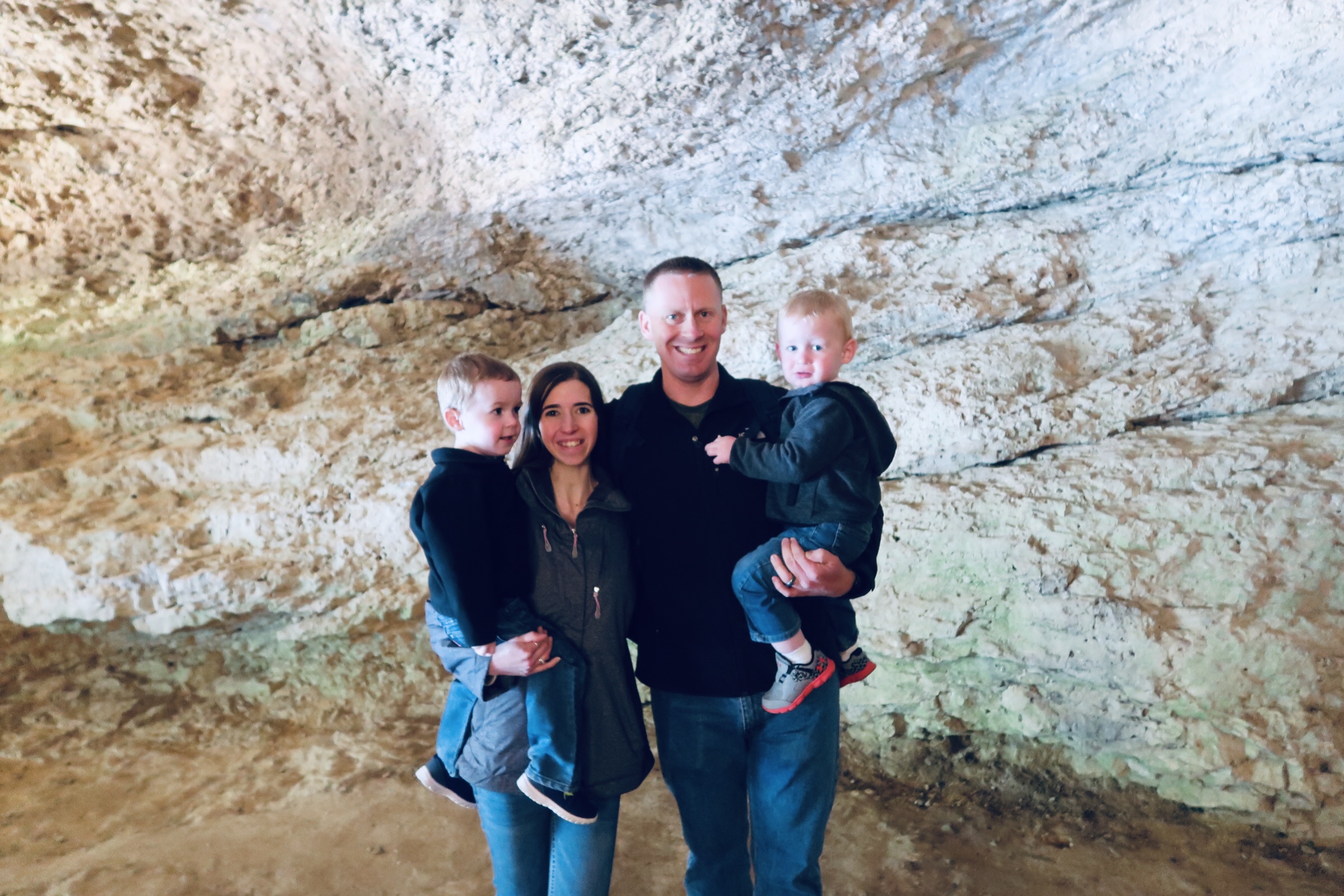


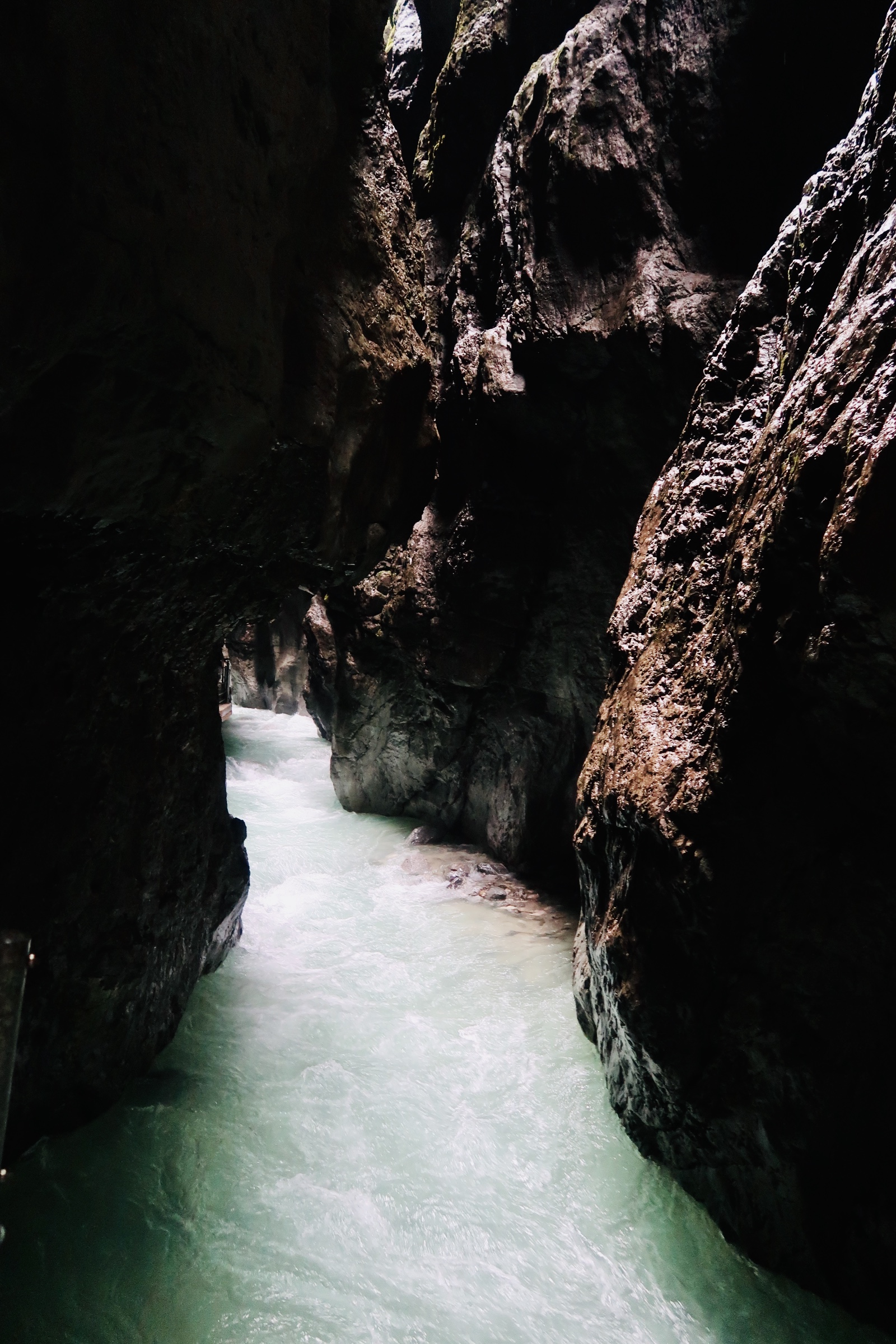
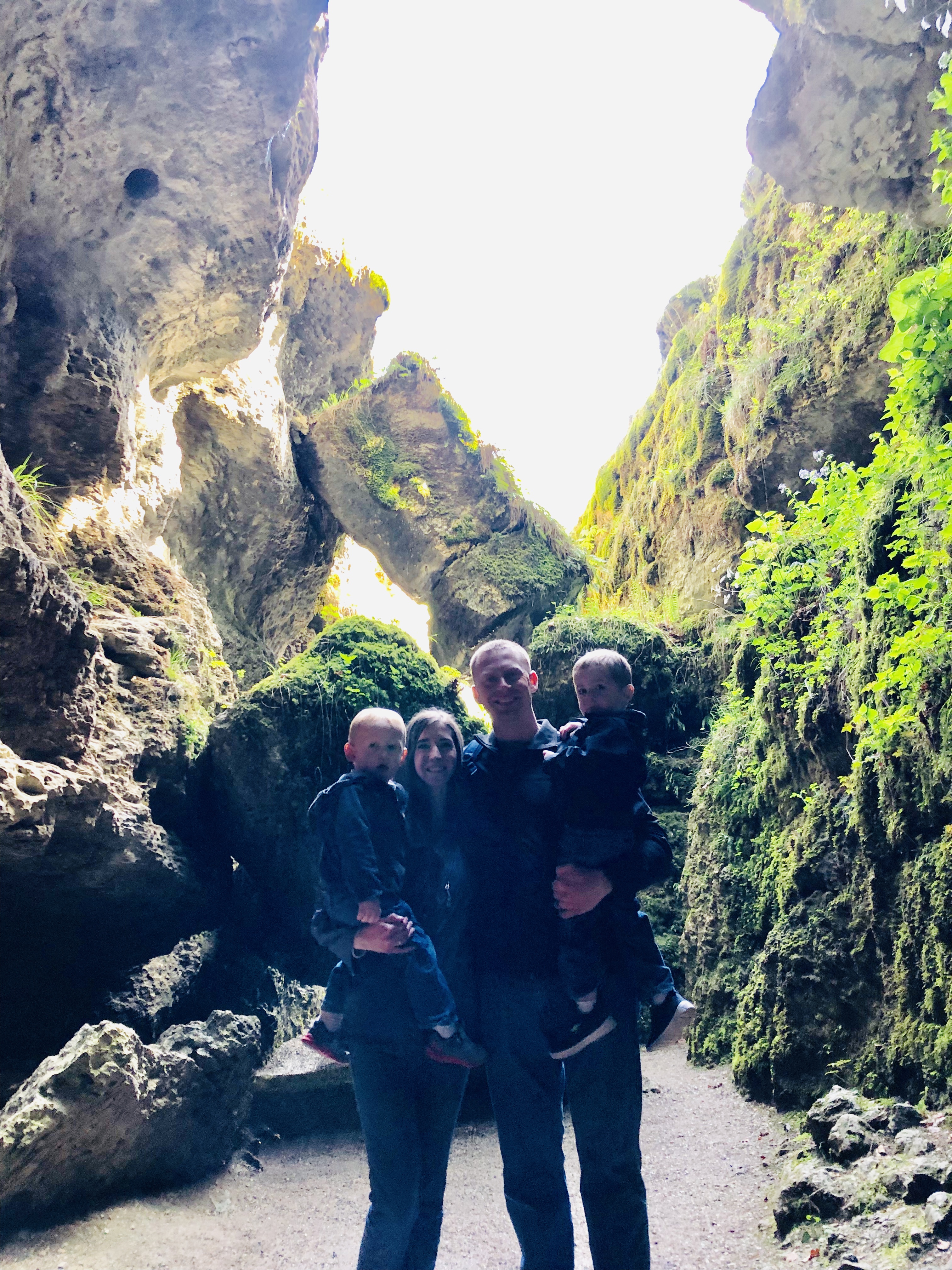
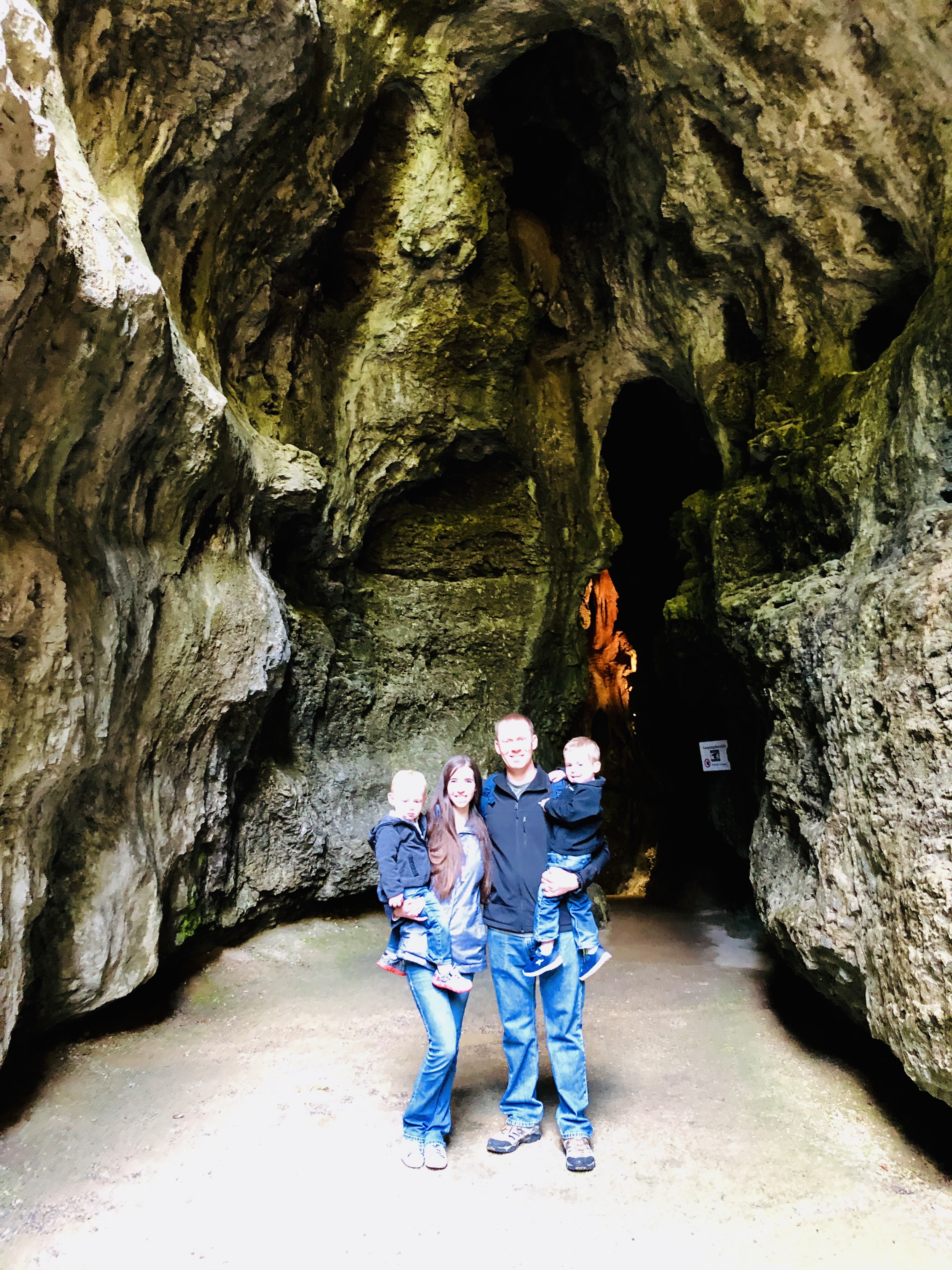 Upon exiting the cave, you come out to this beautiful rock formation and a lite gorge hike to reach the exit of the park. When we walked into the cave we had some light cloud cover, but when we stepped out it was full sunshine and a blue sky. What a wonderful way to come back to ground!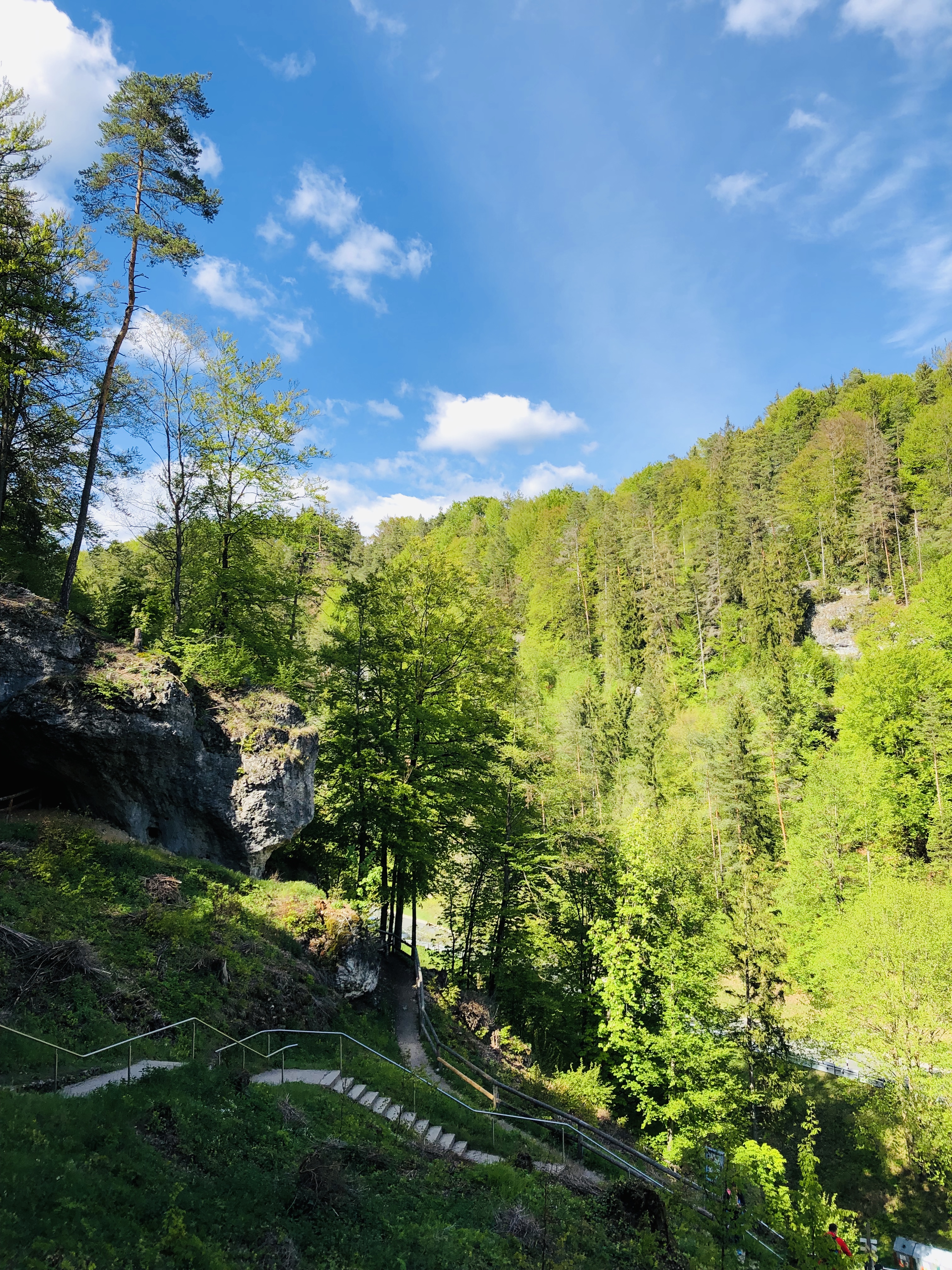
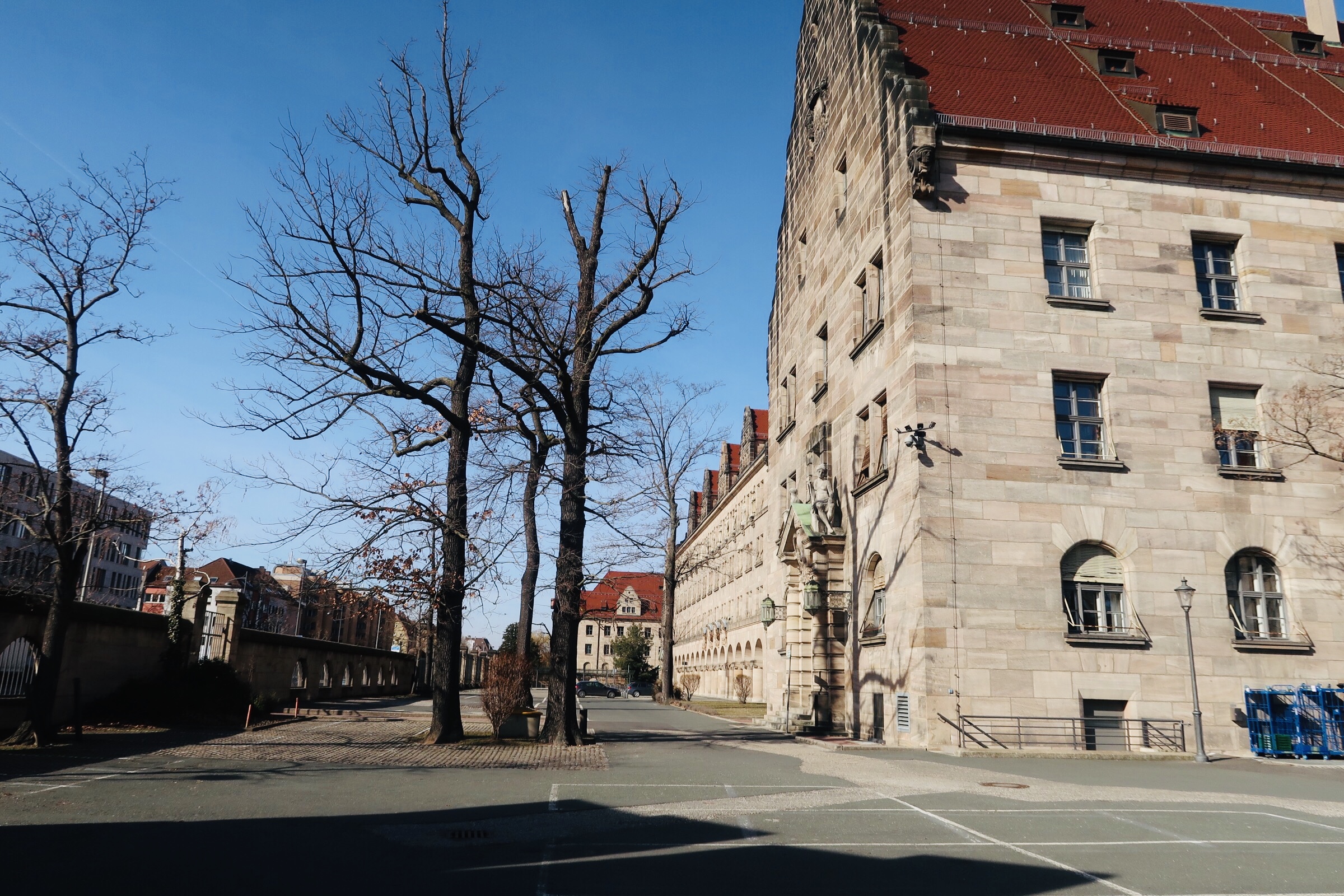
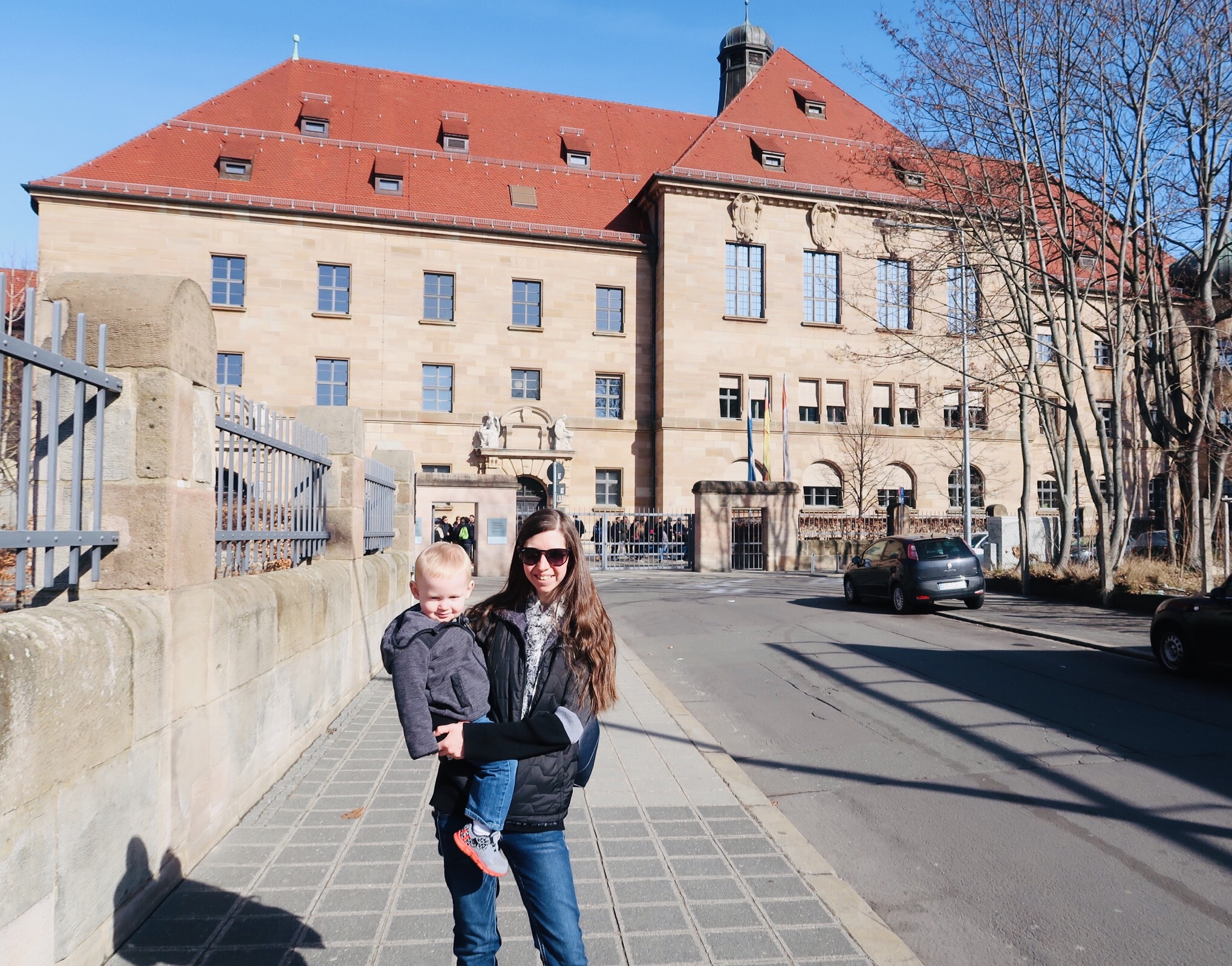 For the courthouse, you are given a little handset that relays the information about the trials and the various parts of the exhibit in your native language so you can get a full understanding. Not only do the handsets detail out the rise, fall, and trials from the Nazi Party, but it also goes into testimony and audio accounts from the trial.
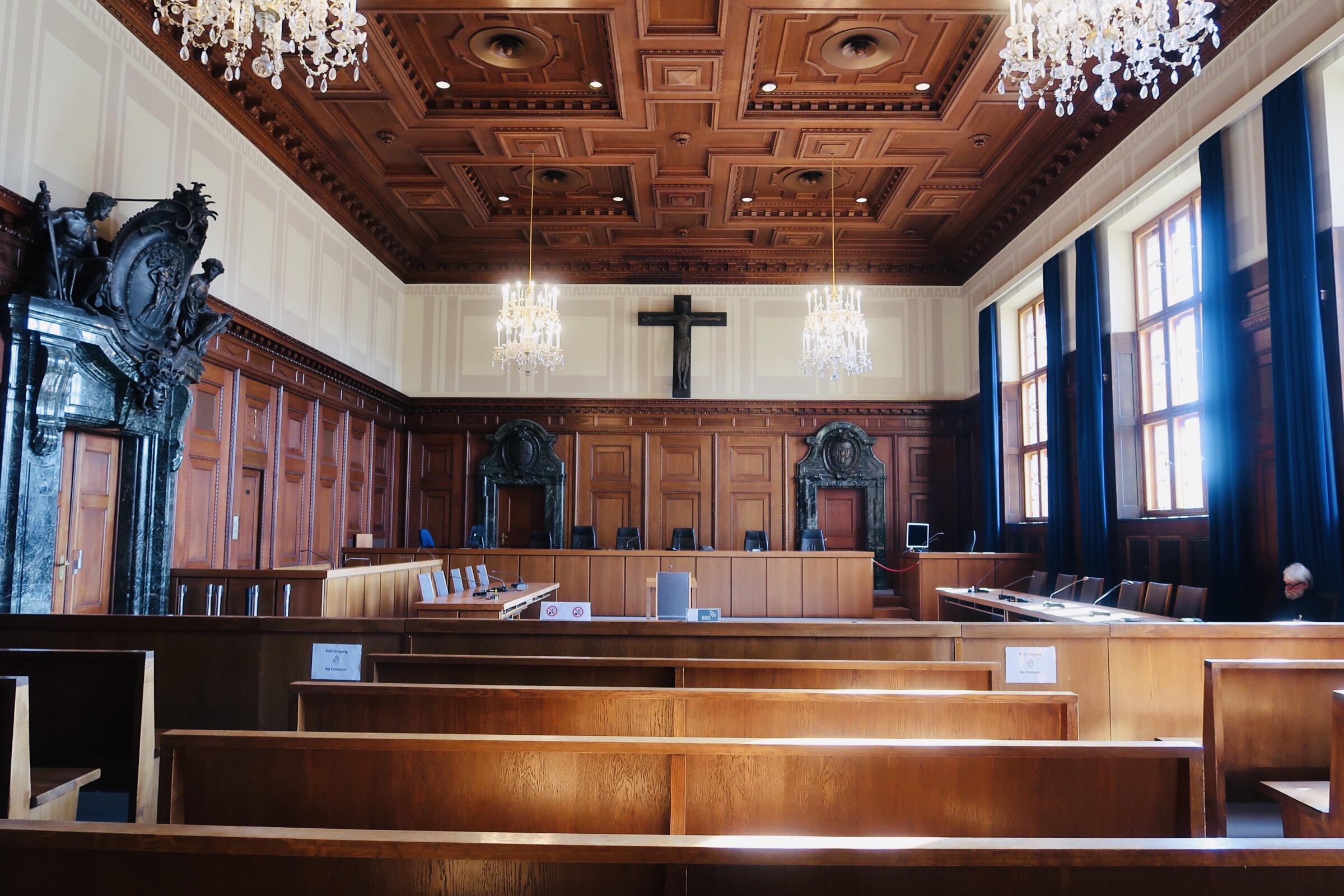 There is something to be said for listening to the audio of the trial while sitting in the gallery of the courthouse.


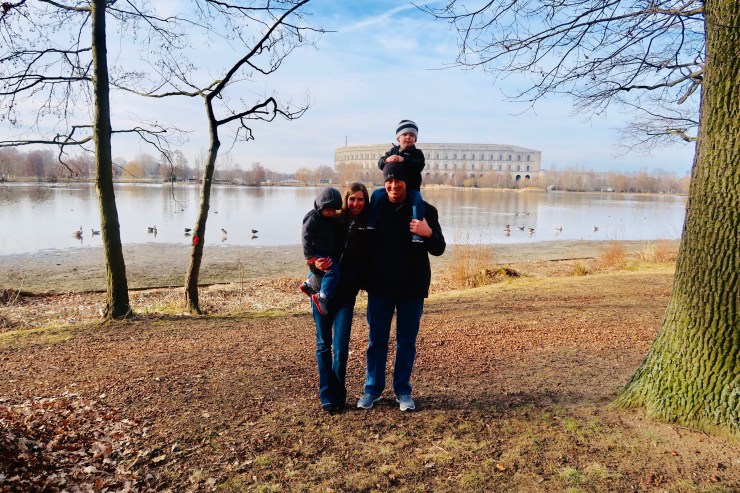
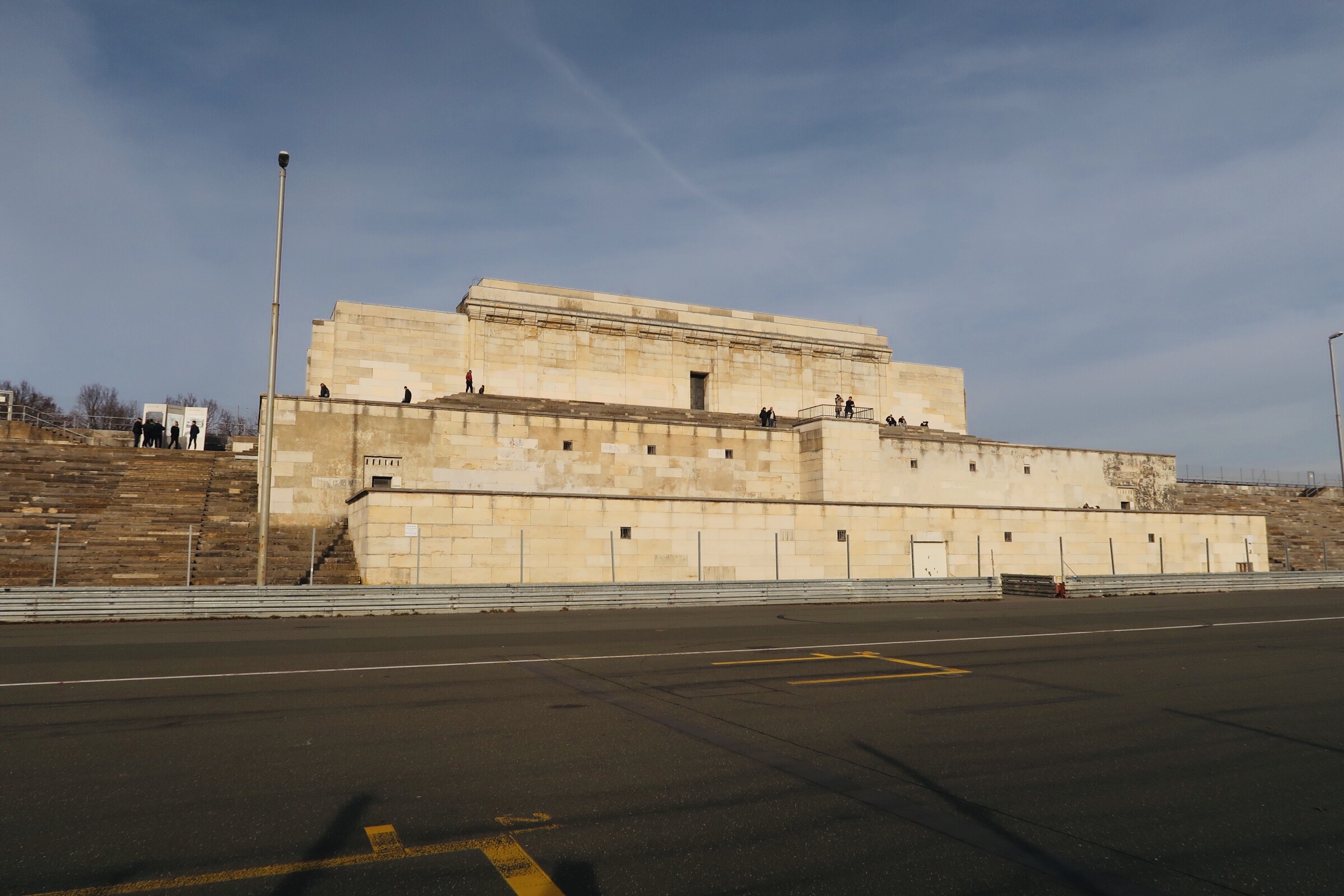
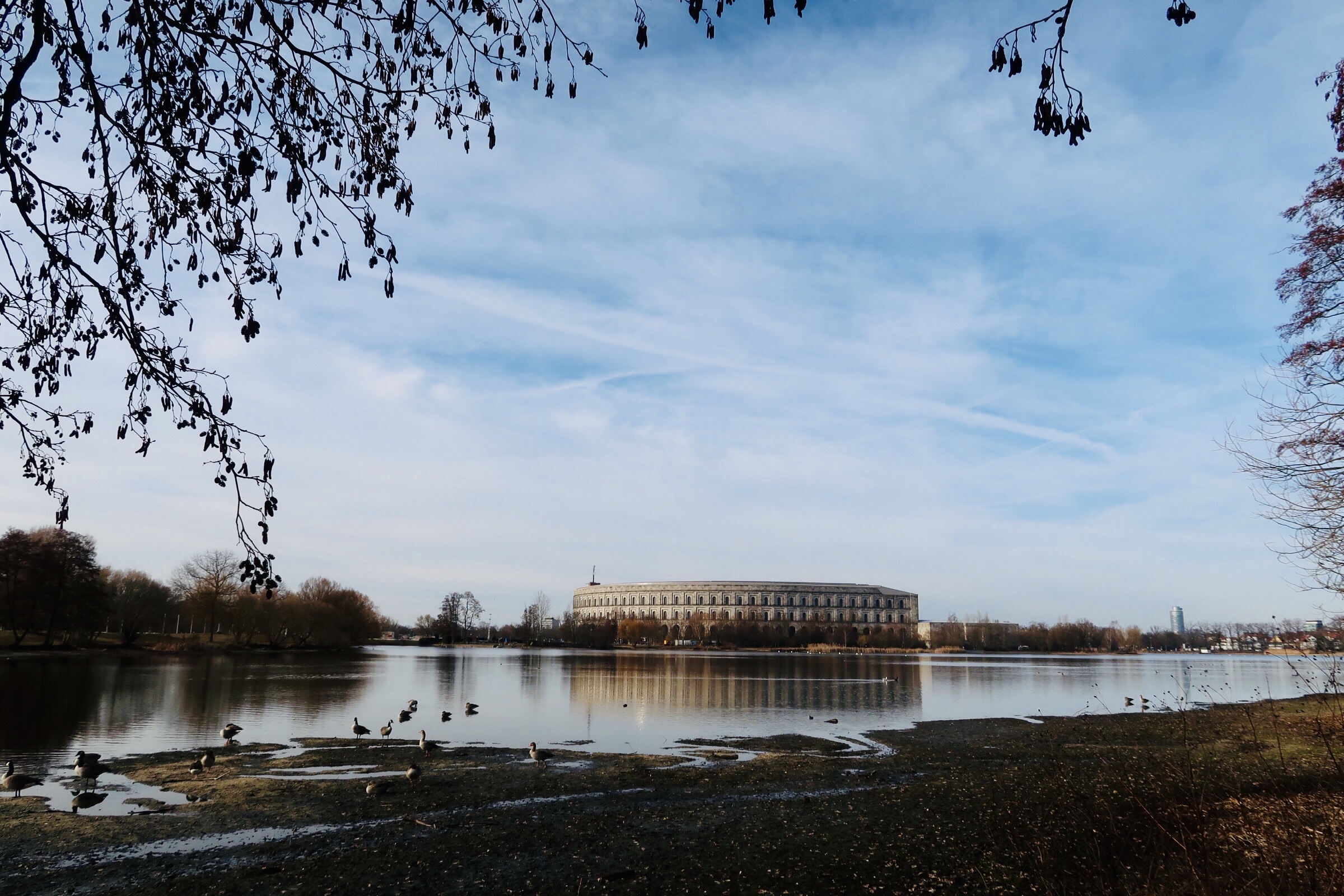 Our next stop was the Reichsparteigelande. This is about a 20-minute drive from the courthouse and is truly a site to see. We started at the Documentation Center, which is the unfinished remains of the Congress Hall. The cost is incredibly reasonable and once again, you are given a headset to detail out the exhibit information in your native language. Some of the headsets have a mechanism that starts the translation of the various videos that are shown when you walk within a certain distance of the video screen. My husband’s headset worked like this, while mine did not, so it is very hit or miss on that.


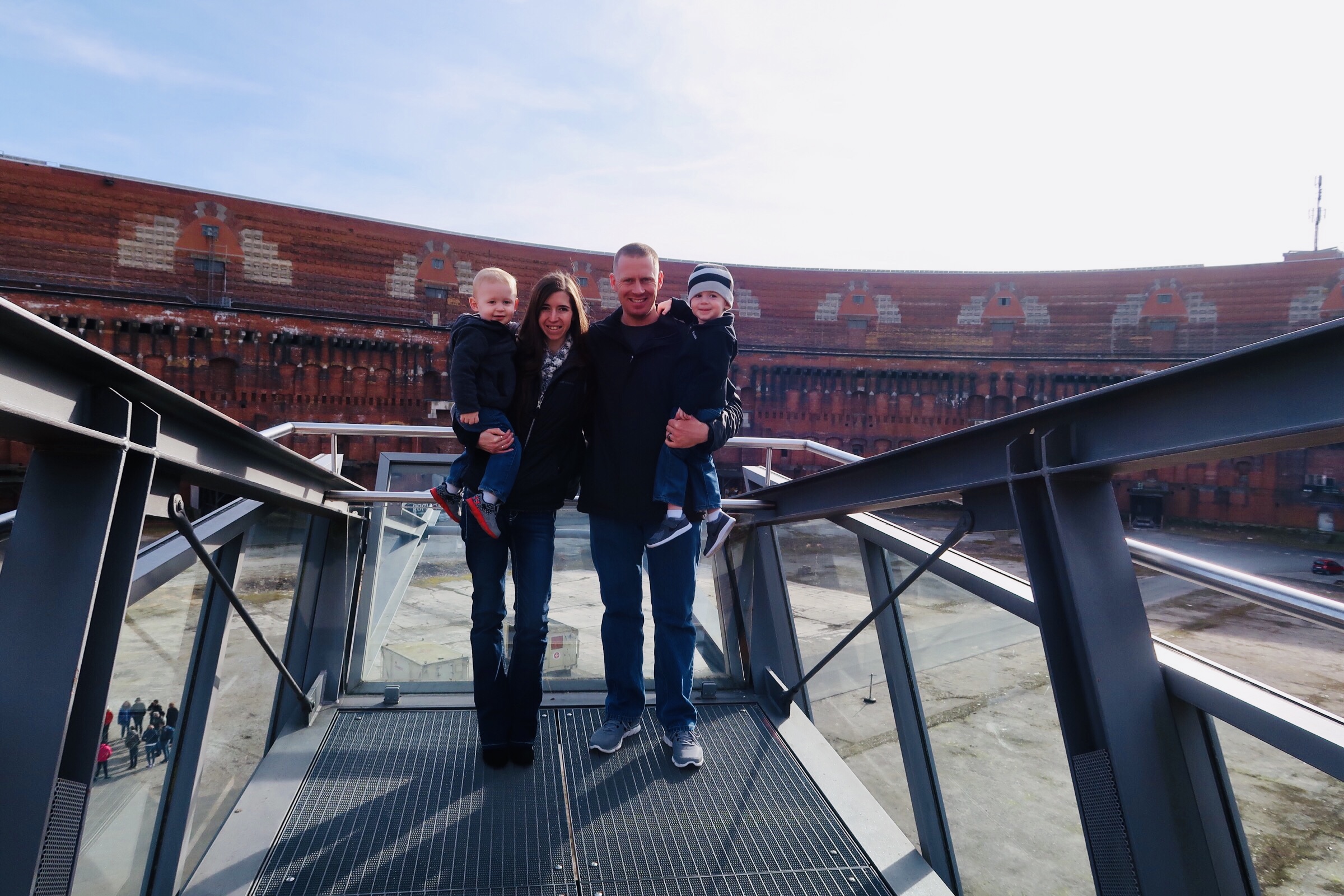
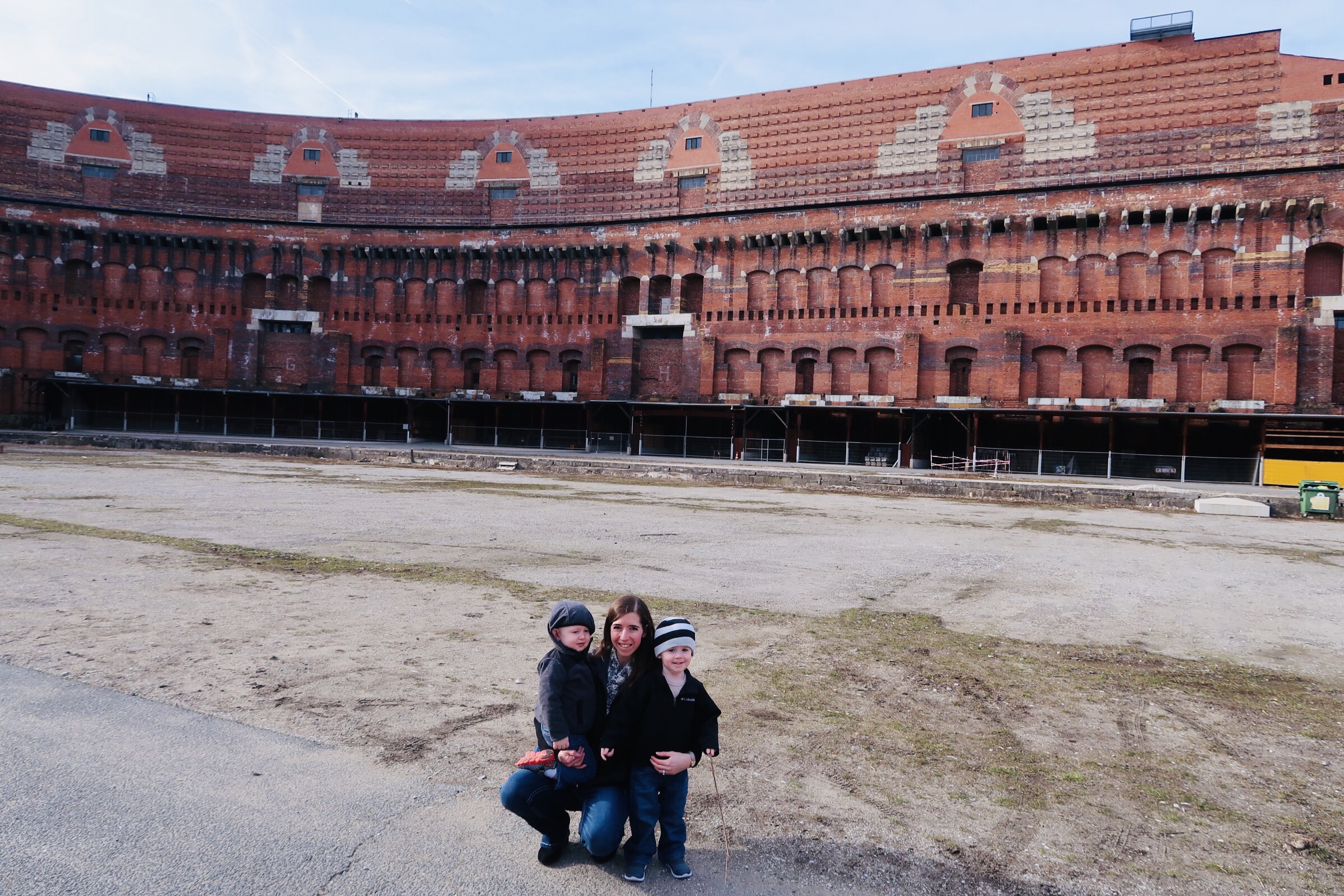
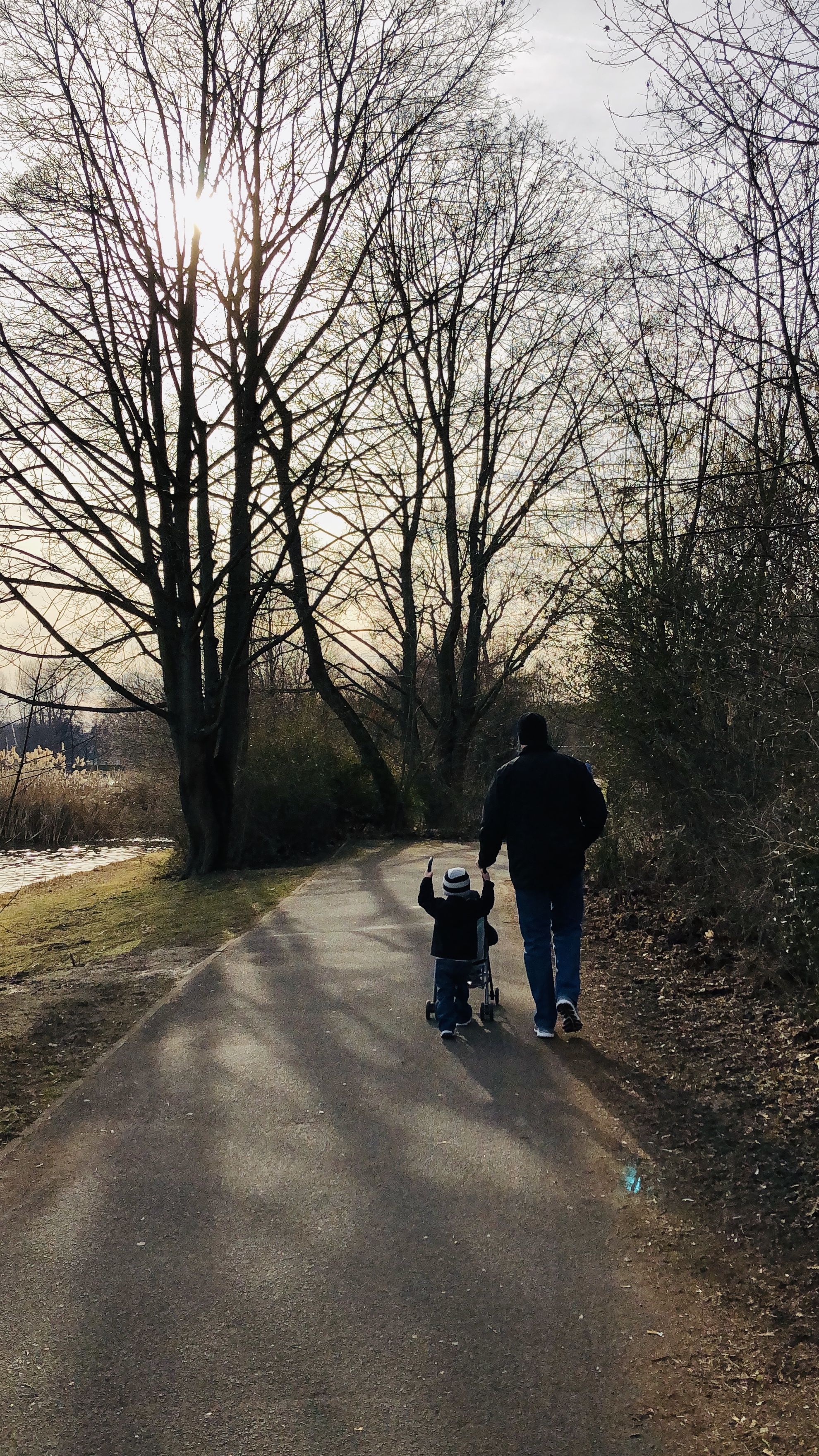 Once finished with the exhibit, we headed out to walk the trail that would take us over to the main highway street, the stadium, and the parade street at Zeppelin Field. This is a very pretty, paved walkway that follows along the outer edges of a man-made lake. At each point of interest there is a large information board/sign that breaks down what you are seeing and where you are at on the route in both German and English.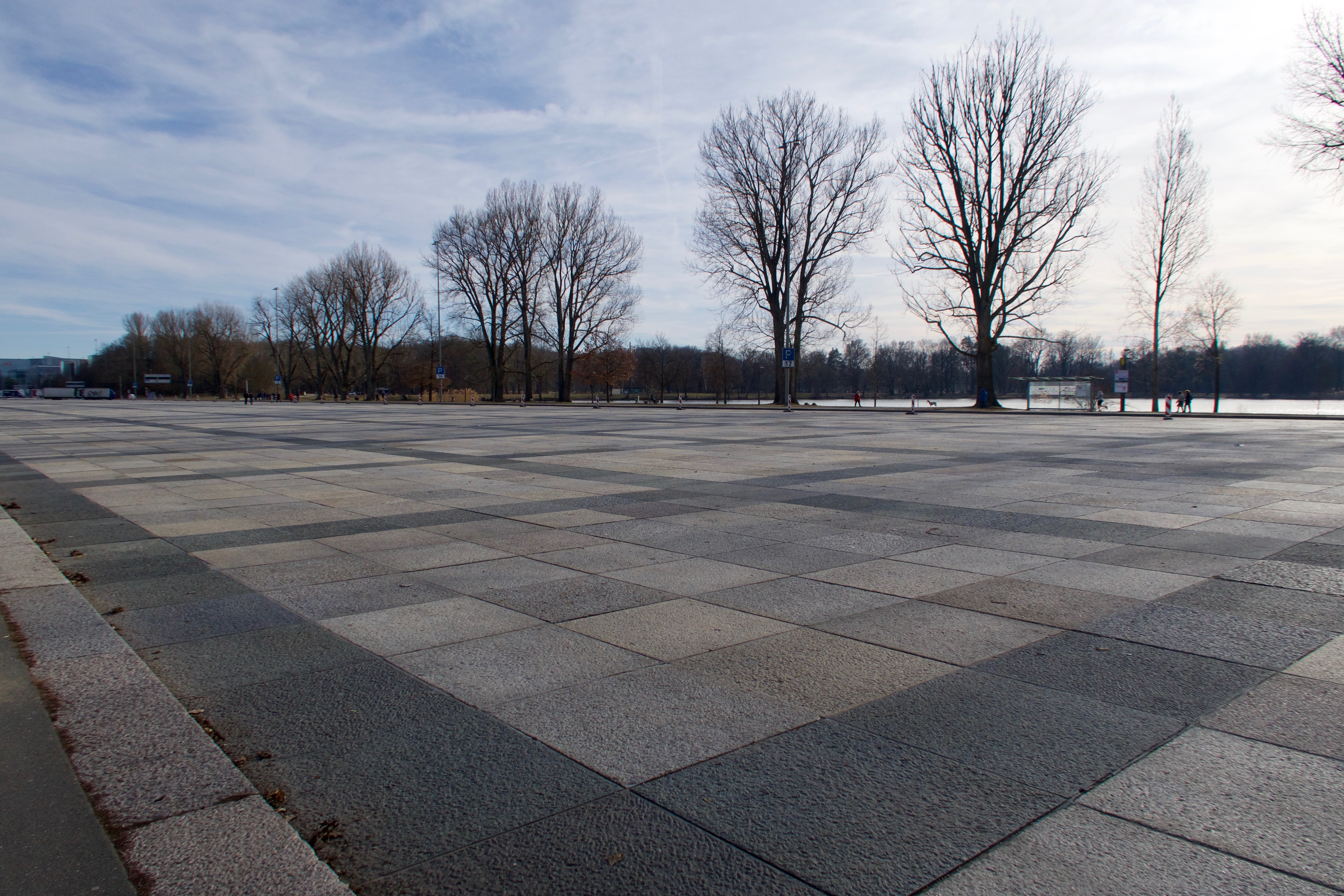
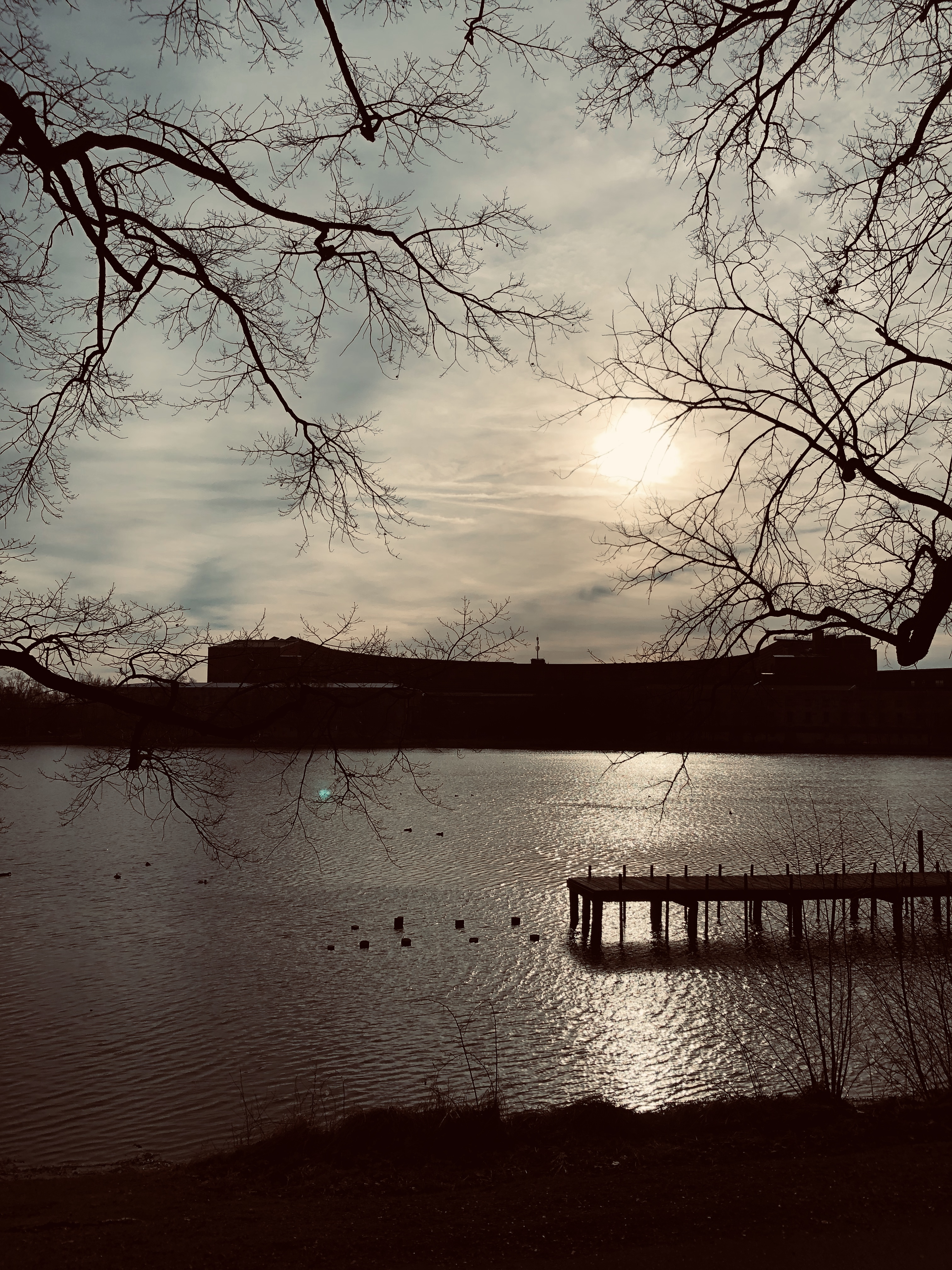 Our day ended with starting to watch the sunset on the lake, which is always a beautiful sight to see. There are a couple of restaurants and places to stop and eat nearby, but we decided to head back to the hotel as we had two very tired little boys that were reaching the end of their ropes.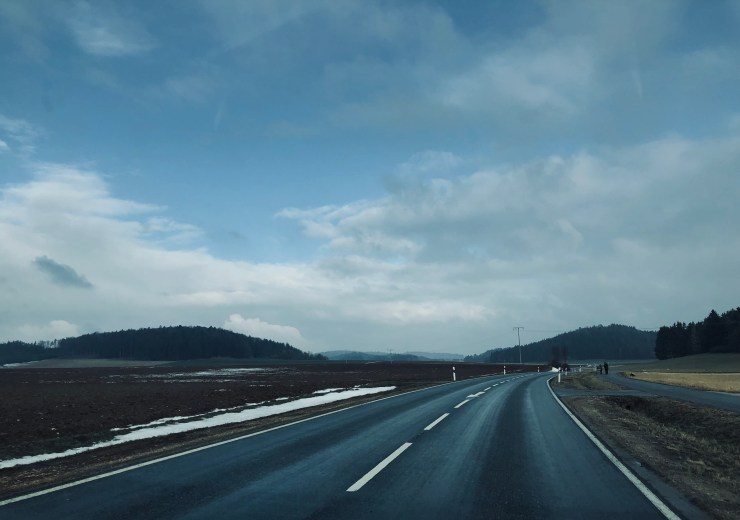


 A Cuppa Cosy