
Happy Sunday to all! How are things looking in your neck of the woods?
I mentioned on Social Media that we were supposed to have a little girls weekend this weekend in Prague that we were looking forward to for a few weeks. However, we have had travel restrictions placed on us both as a military family AND by the country that we were supposed to be visiting. So, I am now writing to you in the comfort of my comfiest clothes, in my office, with full plans to spend the weekend reading.
Now, before I get super far into this I want you to tell me, has Coronavirus stopped you from living your life? Have you experienced any changes? How is the panic in your area? What are YOU seeing in your community?
(In a weird way I’m actually very interested in the whole “feet on the ground” folks in their own communities’ outset on the virus. I find that it gives a much better view of what is going on than anything else.)
Here are my thoughts on Coronavirus. I’m concerned to an extent. I don’t want to spread it to my family, my friends, my larger community. There are enough unknowns, enough questions, that I understand the travel bans, the closure of places that aren’t able to be easily cleaned and sanitized (like Disneyland). The ability of this virus to spread is something to be concerned about, similar to how we get concerned about many other diseases and viruses. While I am not traveling, not within or outside of Germany, I see no problem of taking a trip into the city using appropriate caution (aka washing my hands a little more than normal, not touching my face, keeping my general distance from others- all things I would do normally). Something I’m not doing? Freaking out. Panic buying all the toilet paper (seriously- what the hell is the deal with this?!). Panic buying really anything beyond normal groceries. We have had a confirmed case in our little community and I got a direct understanding of how they are conducting checks and determining who is actually at risk of exposure when this happens.
I think that the right steps at this point to take are to just practice common sense. Something that we should have all been doing long before this anyways. Listen to the official statements put out by government entities, not what your friends/colleagues/the rumor mill are saying (unless those people are directly in the government system and can give factual information). If you are looking at a quarantine situation, then listen to that. And for crying out loud, if you are sick, even if just a common cold, stay home.
All of this is common sense, but for some reason we have all seemed to have forgotten it in the past few weeks. I think we are starting to fall into the media trap of hysteria to an extent. It is causing mis information, unnecessary panic (note – I said PANIC not concern, concern is certainly valid in this), and shortages of items across the board. Countries, states, and communities are doing what they feel is best for their own people and if you feel that there should be further steps taken for yourself and your family, then you are certainly able to take those steps.
One more thing, at a time like this, community becomes even more important. Help out others, your friends, your neighbors, the random stranger that you don’t know. As schools, businesses, and communities begin to close, we are all going to feel those affects. Offer to bring by groceries, water, help with meals, whatever. Support those who are going to be in need of it. The way that we get through this is by coming together and working through this as one. Let’s see this pull of us back together as a people.
As I’ve said, for us we are living life normally, minus our upcoming trips. I’m concerned (as I think would be normal in any case), but I’m not agonizing over it and hermitting in my home (any more than normal at least ha ha). We are also keeping up to date to our potential of exposure as we have had a case in our immediate area. We are tracking things appropriately, but I probably won’t be sharing too much on that end (at least as of this exact point) as I don’t want to unnecessarily spread misinformation or cause anymore panic.
Tell me, how are you feeling? How are you doing with Coronavirus? Have you seen any local impact for you? I definitely want to hear from others!


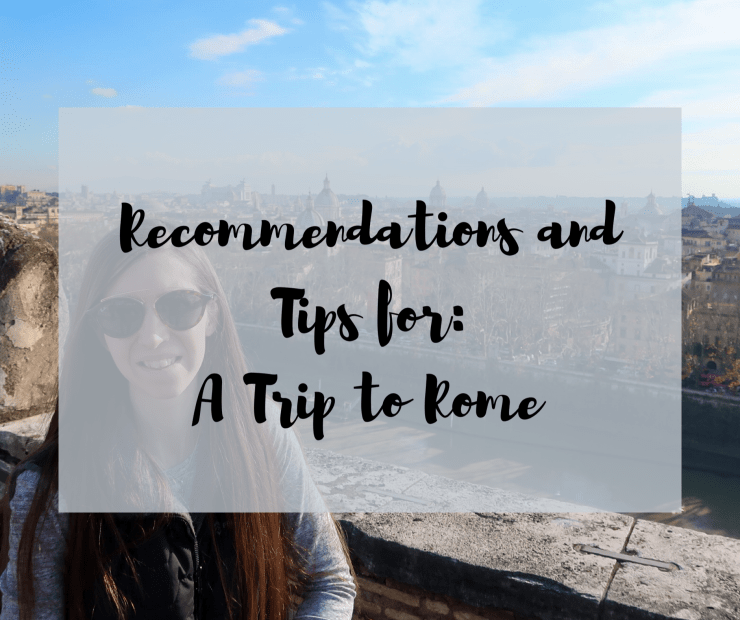



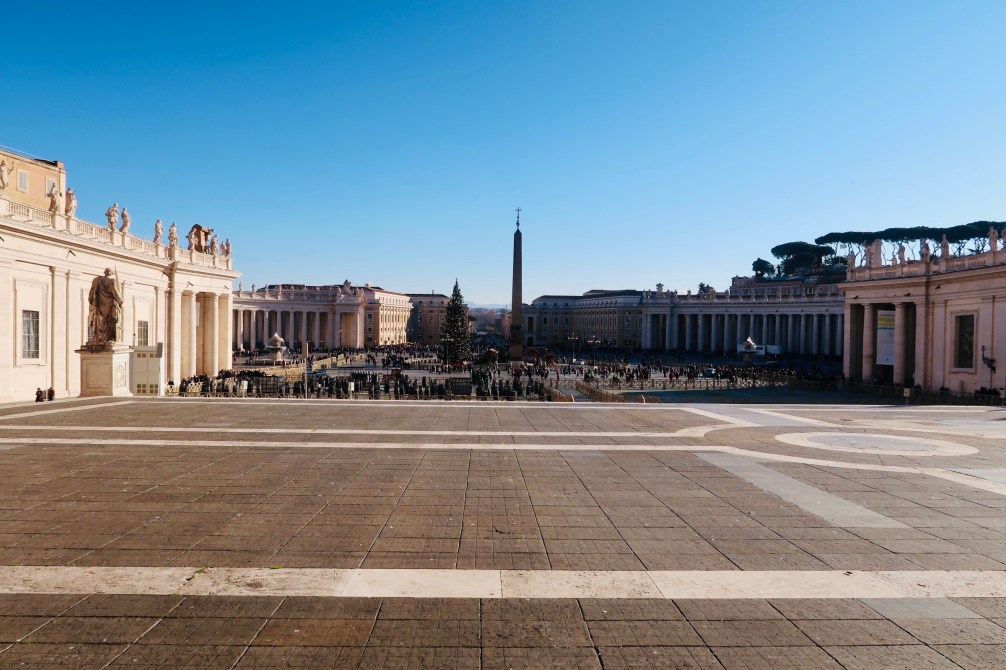
 Now, the prayer is actually the Angelus and he will also give a reflection on the Gospel of the day, and on the day that we were there, some additional commentary. Here’s a secret, you can go to this most Sunday’s at noon and participate in this very special moment. I have included a link to the commentary that he gave on New Year’s Day (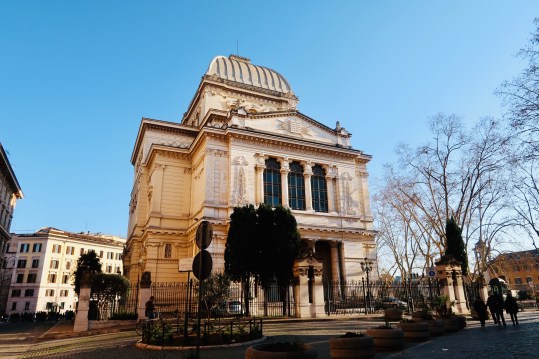


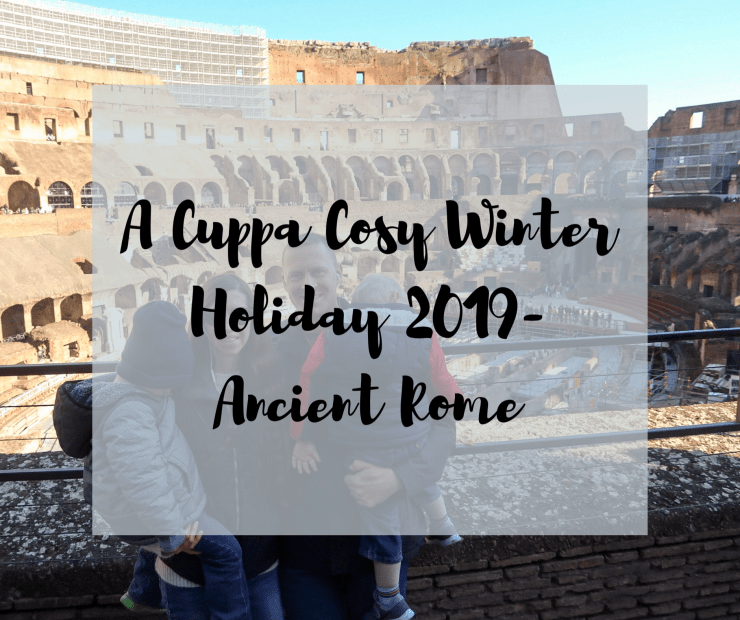


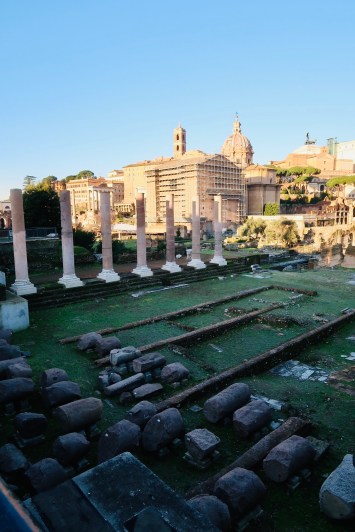 So, our tour started at the entrance of the Roman Forum. The Roman Forum was the heart of Ancient Rome, the heart of the empire, and the starting point of so much of our Western Culture/Civilization. Before I get too much into the history, let me start by saying how absolutely incredible, breathtaking, overwhelming it was to be walking these Ancient Streets. It is an experience that I am never going to forget. My history loving heart was just exploding with happiness, but it was also a bit overwhelming at times to think of just how old, how ancient these places are. It’s hard to wrap your mind around while you are standing there in the moment. To give an idea to this, many historians believe that people first starting meeting in the forum around 500 B.C., even though the “city” wasn’t founded until 753 B.B. (by Romulus and Remus). The Forum has served many uses under many rulers, from a marketplace, to a religious spot full of temples, to a circus/gladiator ring (pre-Colosseum) to a public affairs location where soldiers would march the streets after their victories. In fact, there are a few arches within the forum that were made in honor of the rulers’ military victories. When the Roman Empire started to decline, the Roman Forum went along with it and during the Middle Ages it was completely destroyed to make room for farms and animals to graze. In the very early 1800’s excavations began to uncover the Forum and are even continuing on today (the most recent excavations were “completed” about 5 years ago, I think?). Fun fact/super neat fact: Every time something would get ruined (due to the fact that the Forum was actually located in a swamp/flood area), the Romans would just build over it. So, there are actually several different “eras” to the forum.






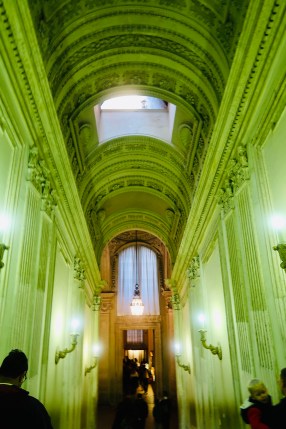 I have no pictures of the Sistine Chapel. First off, you are not allowed to take pictures in the chapel. Second, I don’t know that I would have wanted to take pictures even if you could. The Sistine Chapel is something that simply needs to be experienced, something that should just be taken in, without prior knowledge or warning. It is a spot to sit in silence and just revel at the beauty that is around you. It is truly incredible the amount of work, the paintings, the level of detail. Our tour guide, Federica, did a great job at pointing out a couple of spots for us to pay attention to when we did walk through. A couple of spots of note were the spots where Michelangelo inserted his…”opinion” on the commission. It is well known that Michelangelo had no interest in painting the fresco’s, he worked with marble, created statues- he hadn’t painted fresco’s in many many years. This “petty attitude” towards the Pope that he developed came through in some areas of the large painting (specifically where a little child is “flipping the pope off”). He also managed to apply this attitude to those who had…less than desirable opinions on the artwork (there is a Cardinal that is in a…precarious position in The Last Judgement).


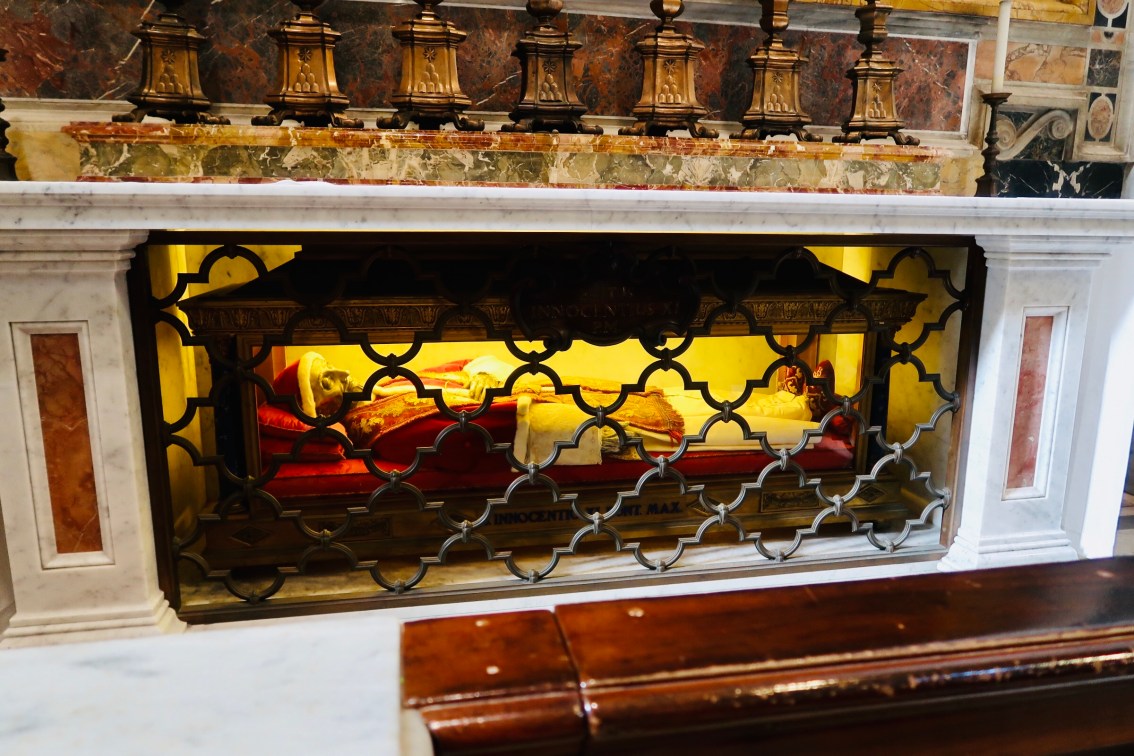


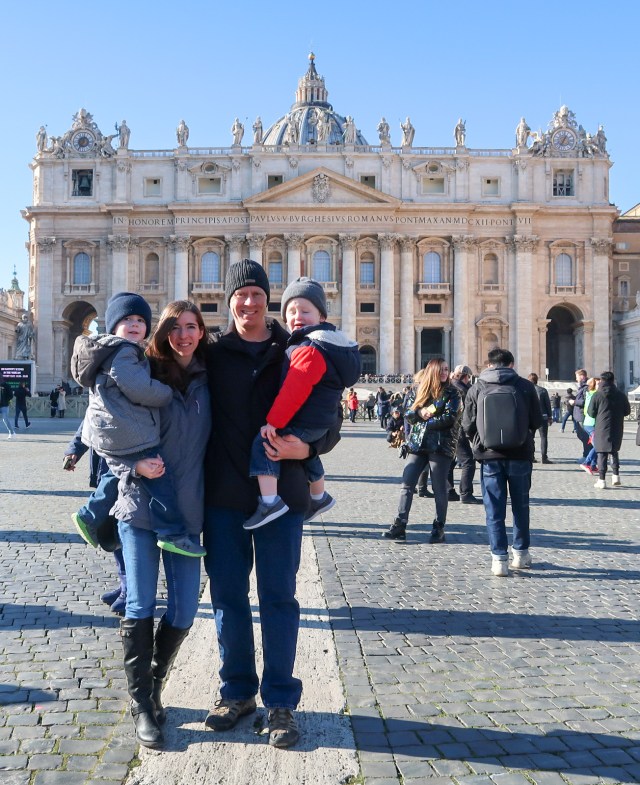
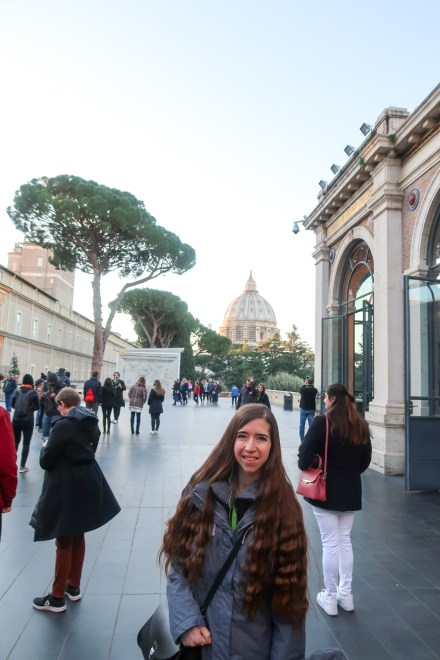 The Vatican was one of the most incredible parts of our visit and something that I am going to remember for the rest of my life. To stand in this most sacred spot for so many is something that words cannot describe and then you bring it’s long (and rich) history…it’s a lot. A lot of feelings. It is definitely a spot that you HAVE to go to if you are in Rome and a spot that I think is best done as part of a tour group (the line to get in without a pre-planned tour ticket was INSANE…heck the line to simply get into St. Peter’s Basilica without the tour was INSANE too). Through Eternity exceeded all of our expectations and we will definitely use them in the future if we are ever in need.




 A Cuppa Cosy